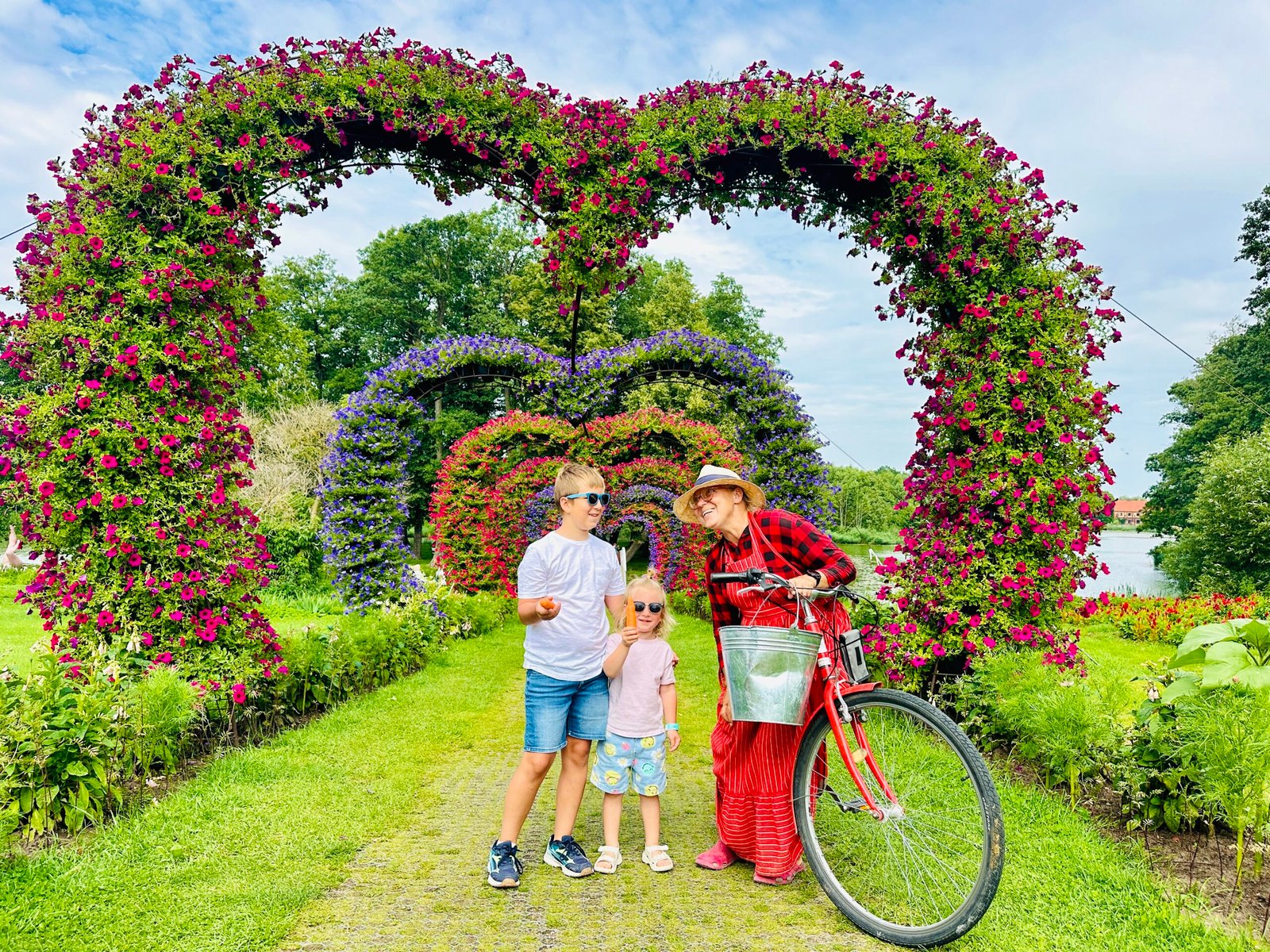
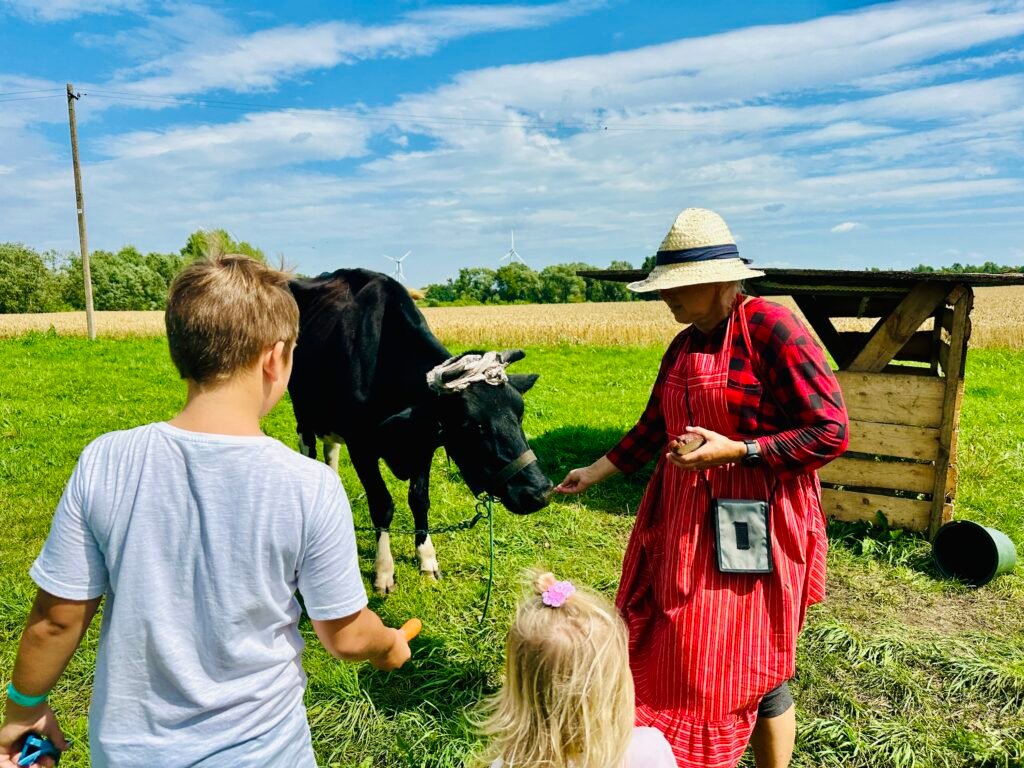
While hundreds of visitors walk through the blooming Pakruojis Manor park and photograph millions of flowers, one Summer Flower Festival participant sees the flowers very differently. She… tastes them. In the natural meadows of Pakruojis Manor, clover, wild thyme, yarrow, daisies, and dozens of other plants bloom in August. Every day, the manor’s beloved cow Pupsė grazes here. Moreover, her morning milk becomes an unexpected discovery of the Summer Flower Festival for many visitors.
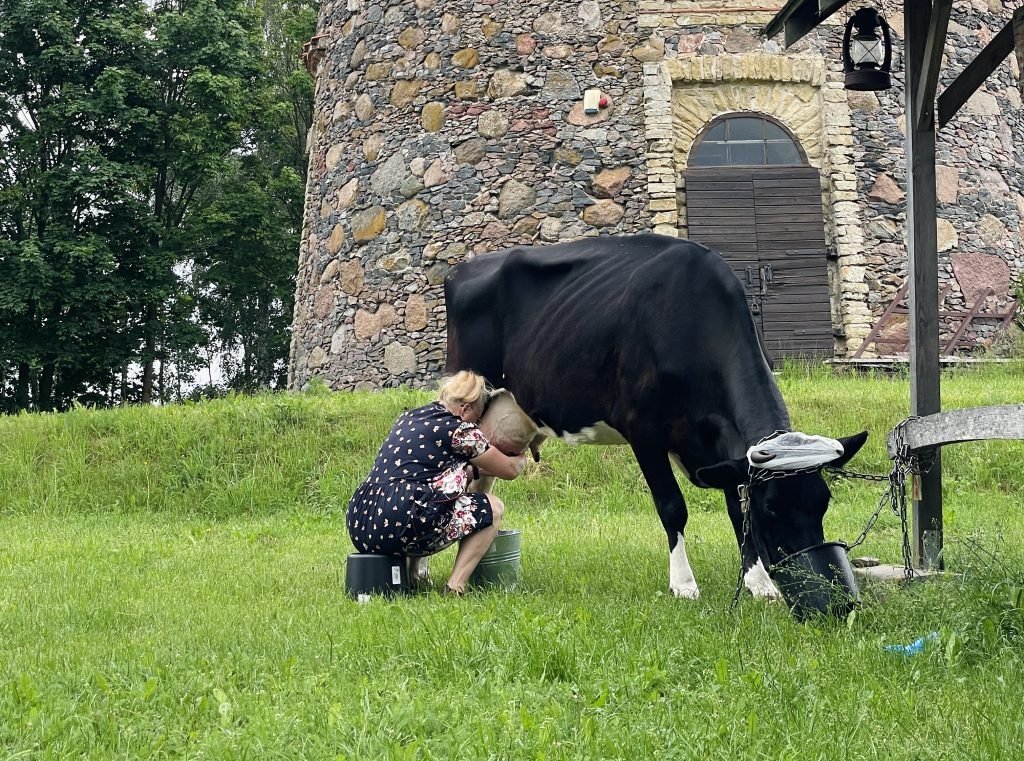
At Pakruojis Manor, visitors are invited every day to watch Pupsė being milked. It is one of families’ favourite educational experiences. For children, this experience is not only a fun adventure. It is also a rare opportunity to understand where everyday food comes from. They can also learn how farm work is done and how people lived at the manor in the past.
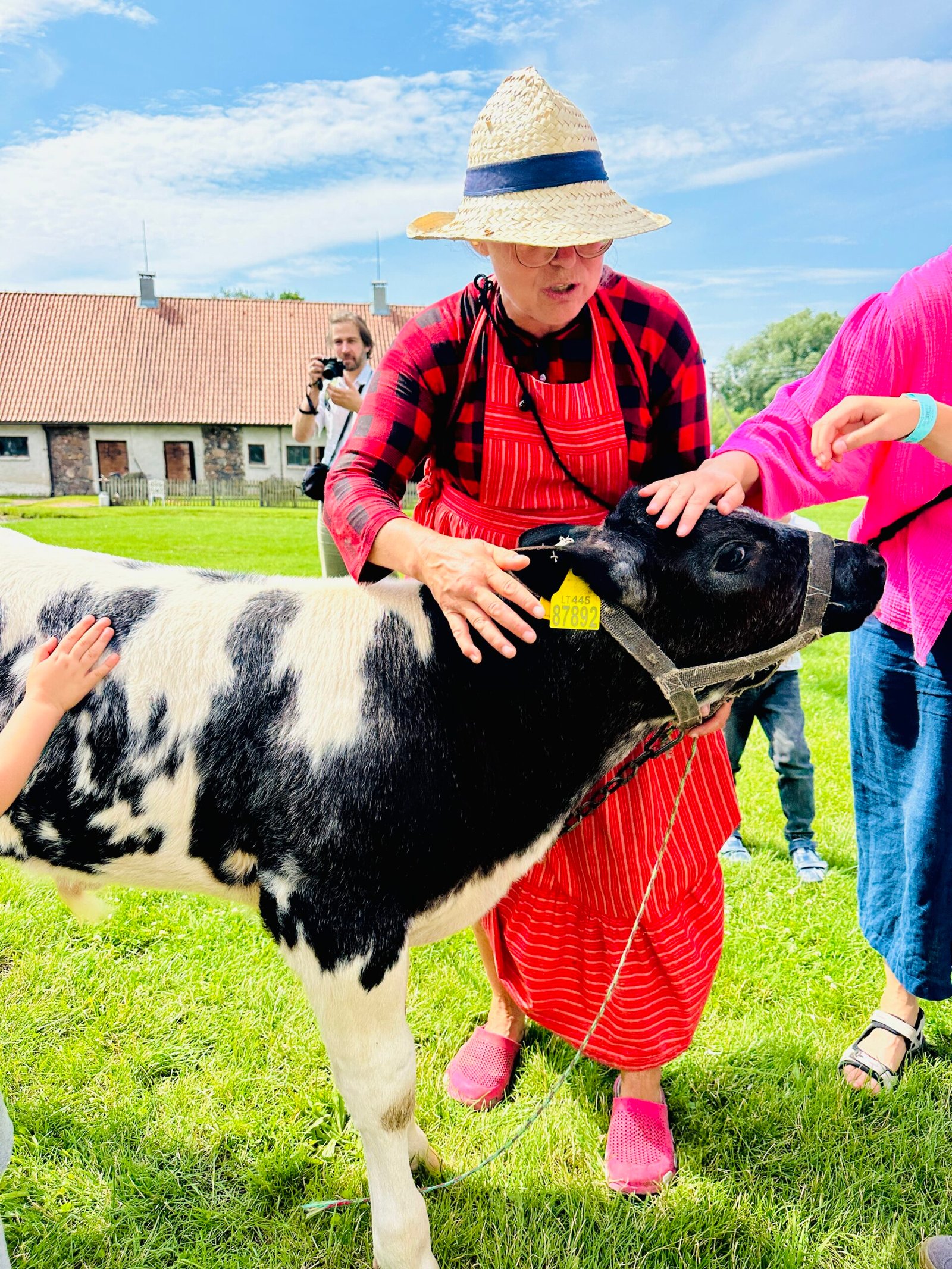
Visitors at Pakruojis Manor are invited to watch Pupsė being milked
The taste of milk has its own geography
For years, European experts have recognised that a cow’s breed and living conditions influence the quality of its milk. What the cow eats also affects the milk’s qualities. Therefore, many countries protect not only cheese-making traditions but also the areas where cows graze. For example, in France and Switzerland, producers make many protected-designation cheeses only from milk that comes from specific mountain or natural meadow pastures. These include Comté, Beaufort and Gruyère.
Local vegetation can give milk a distinctive flavour and aroma profile that producers cannot reproduce elsewhere. The French call this terroir – the combination of the soil, climate and vegetation of a particular area.
Today, people increasingly apply this principle not only to wine but also to milk and cheese. Around the world, milk sensory analysis specialists evaluate milk’s aroma, flavour and texture. With their experience, they can identify how a cow’s diet has affected these qualities.
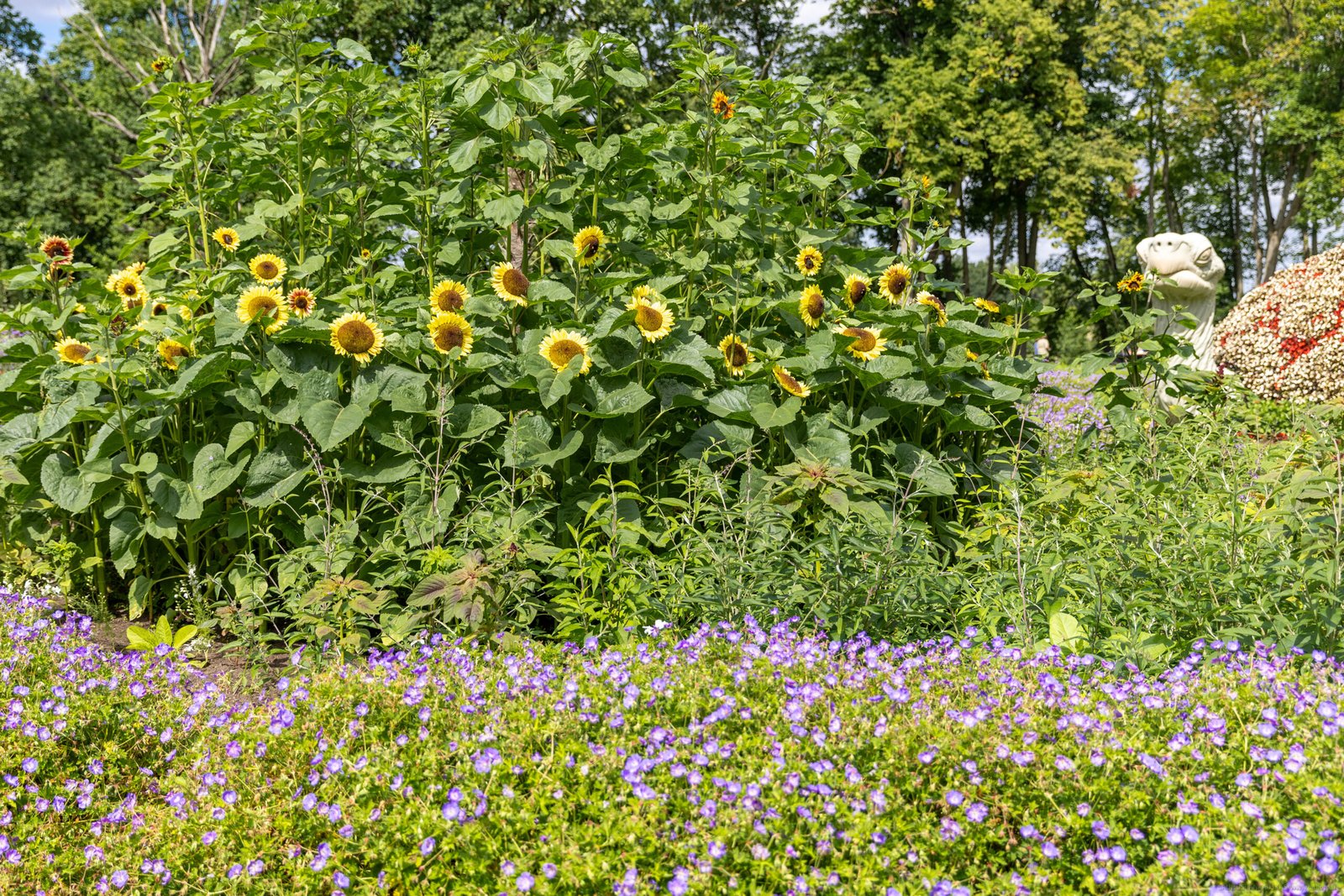
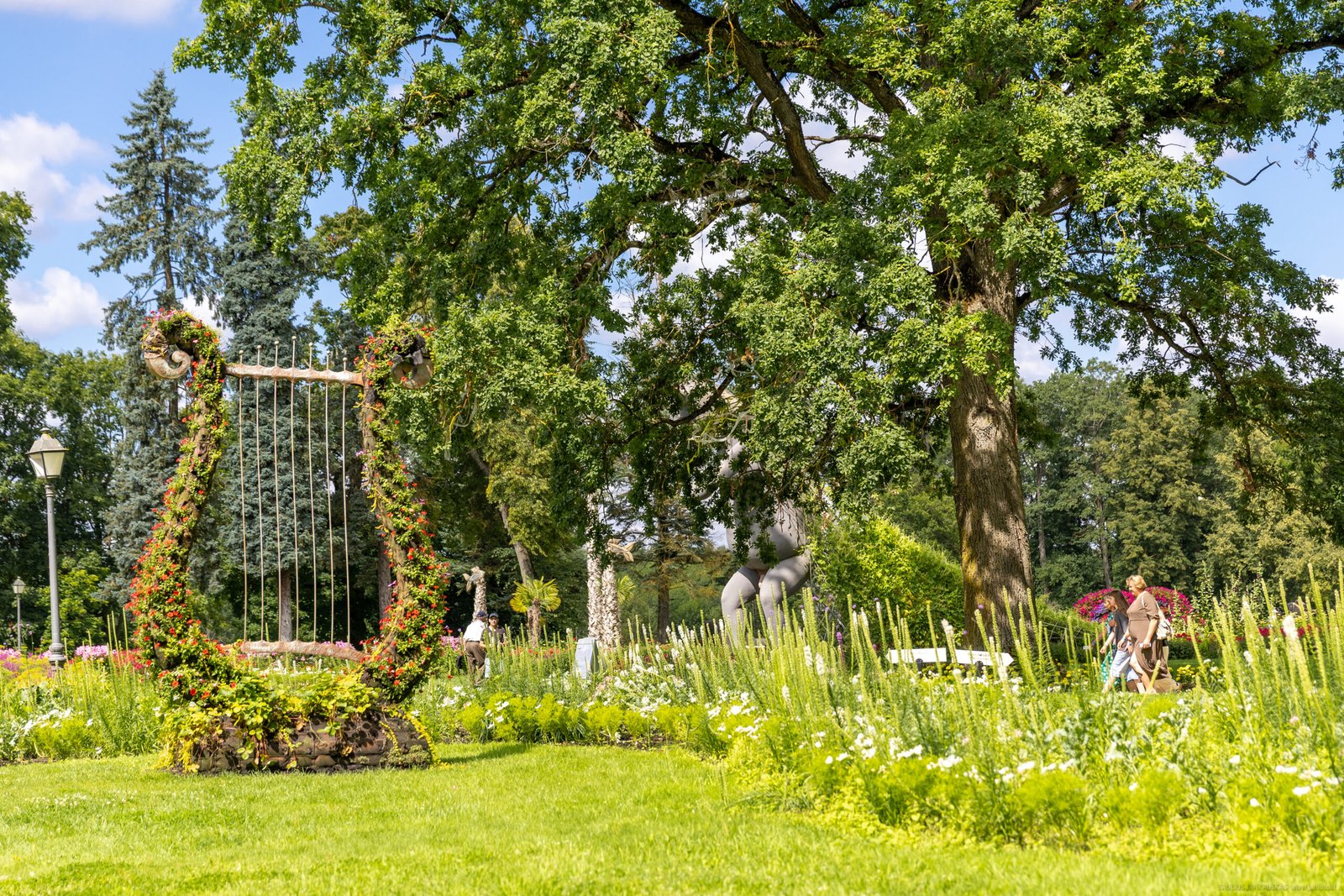
Flower-filled diet
Pupsė’s love of the blooming meadows at Pakruojis Manor has already become a legend.
“At the beginning of summer, the curious cow decided not to wait for the flowers to bloom in the meadows. Instead, she found her own way into the manor’s greenhouses. There, the manor staff grew flowers for the Summer Flower Festival. Pupsė managed to ‘taste’ more than one flower before the staff caught her at the scene of the crime,” Pakruojis Manor representatives recall with a smile.
Fortunately, she no longer needs to search for flowers today. In August, the meadows of the Žiemgala region become a real table filled with nature’s bounty and blooming plants. So, while visitors admire the flower festival, Pupsė enjoys her own meadow treasures every day.
It is also worth mentioning that at the beginning of summer, this cow gave birth to twin calves. They captured the hearts of everyone at the manor and among its visitors. Fed with such special mother’s milk, the calves were named Count and Baron by their admirers. Today, they have grown into very strong young bulls. They delight young visitors and others every day.
“Just walking over to them, petting them, and interacting with them creates a whole range of the best emotions for visitors. It is like therapy,” say Pakruojis Manor representatives.
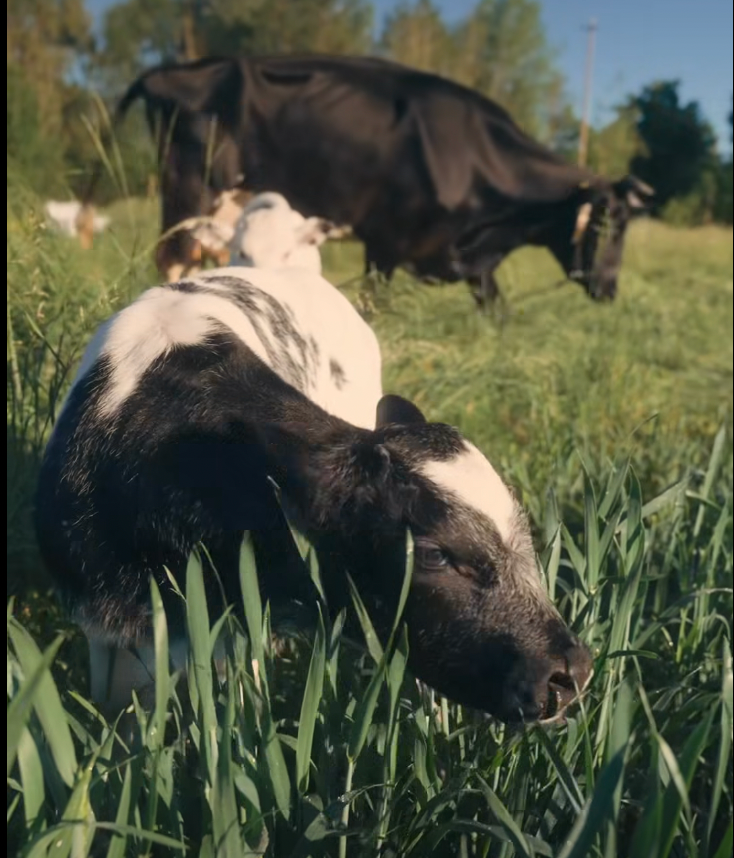
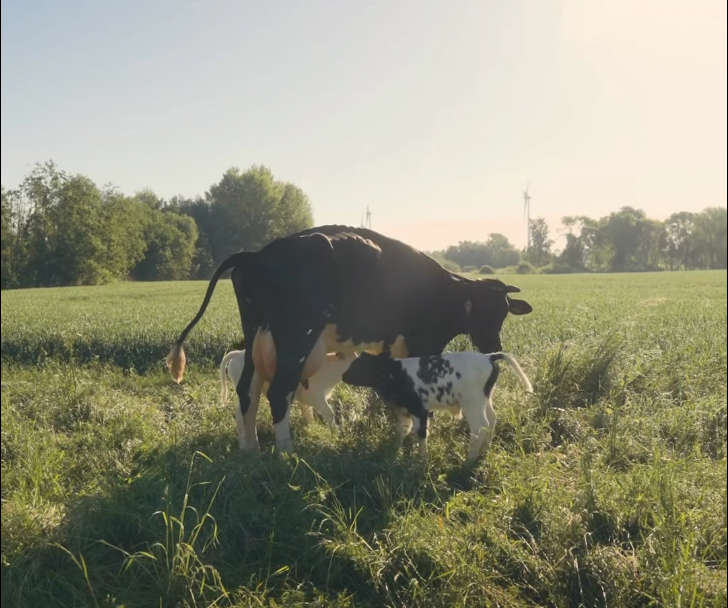
In summer, you can not only see it but also taste it
At Pakruojis Manor, visitors can watch Pupsė being milked every day. It is one of families’ favourite educational experiences. Afterwards, you can taste fresh milk at the nearby tavern. For a moment, you can return to a flavour that many people remember only from childhood. For young visitors, this is a very important experience. It reminds them that real food does not begin in a shop. Instead, it begins in a meadow.
At Pakruojis Manor, children not only watch Pupsė being milked but also learn where milk and eggs come from – while parents finally slow down.
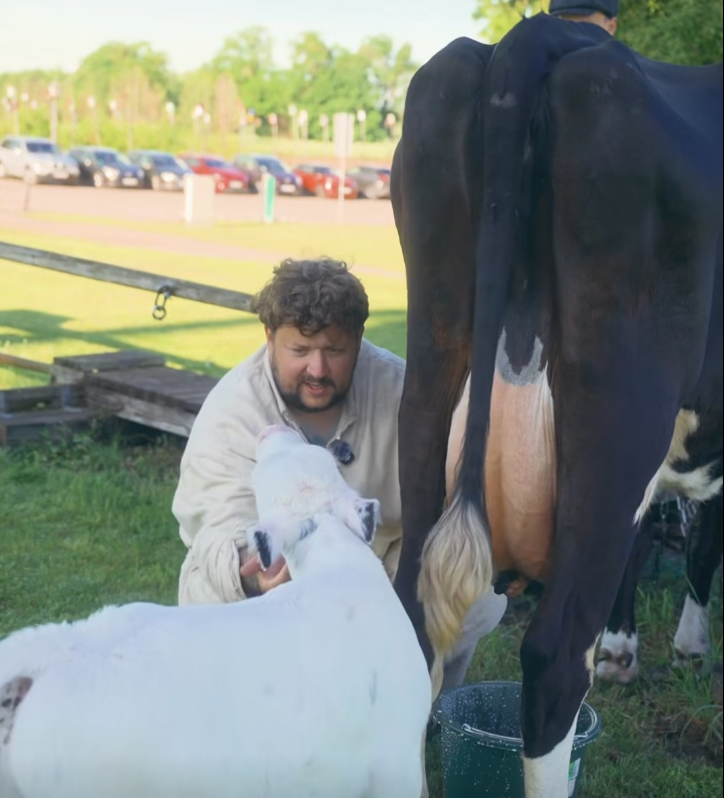
One day – dozens of experiences for the whole family, whatever the weather
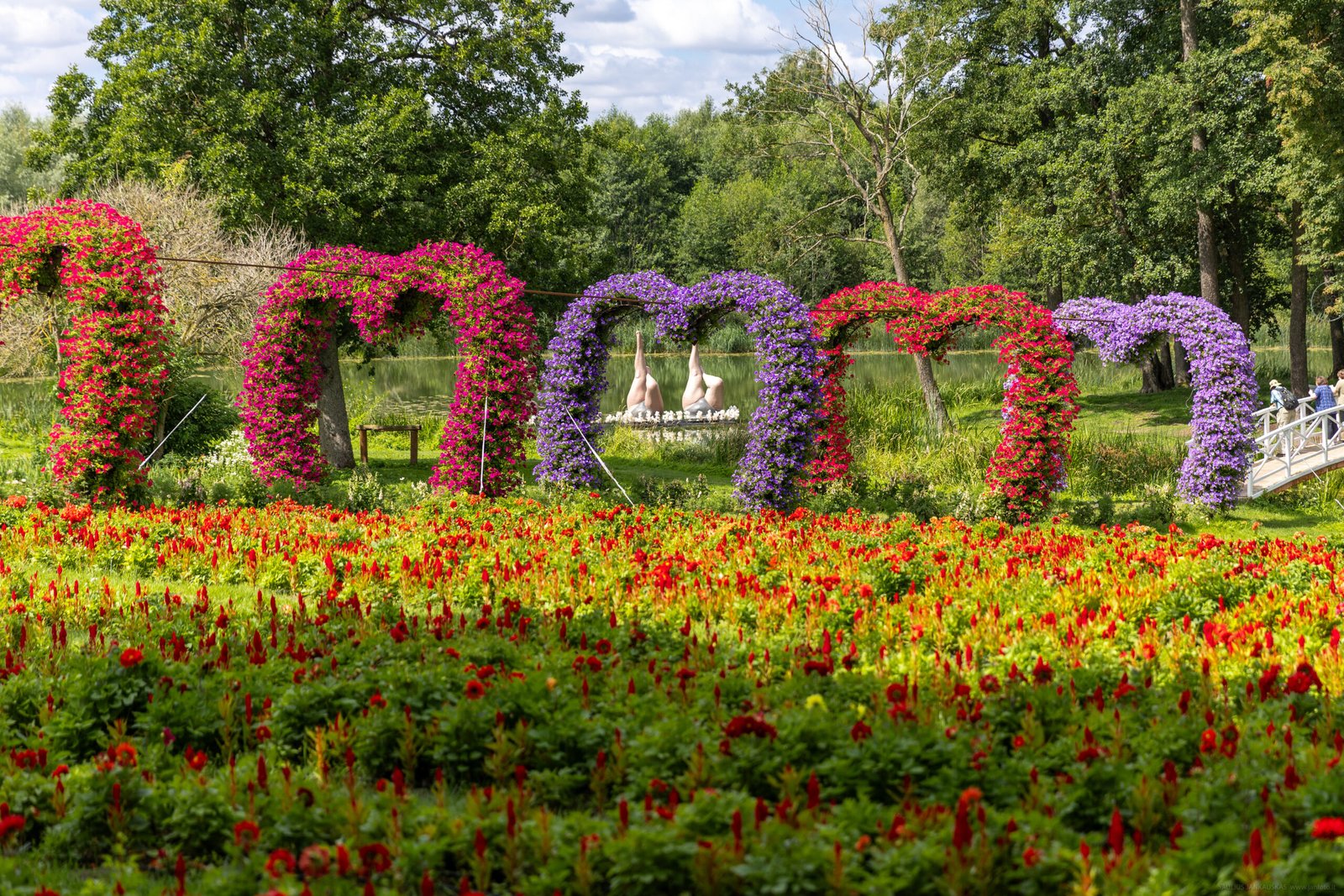
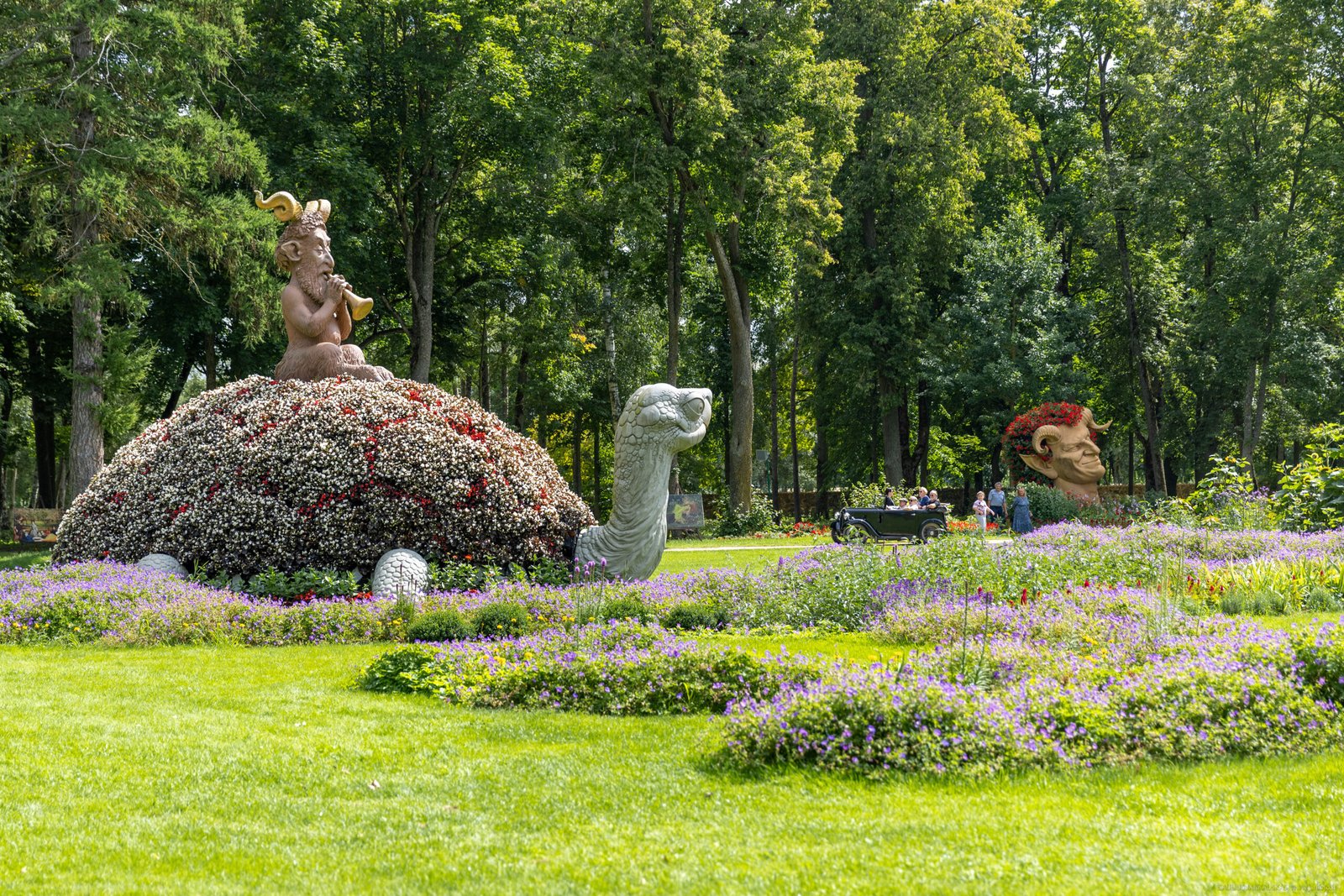
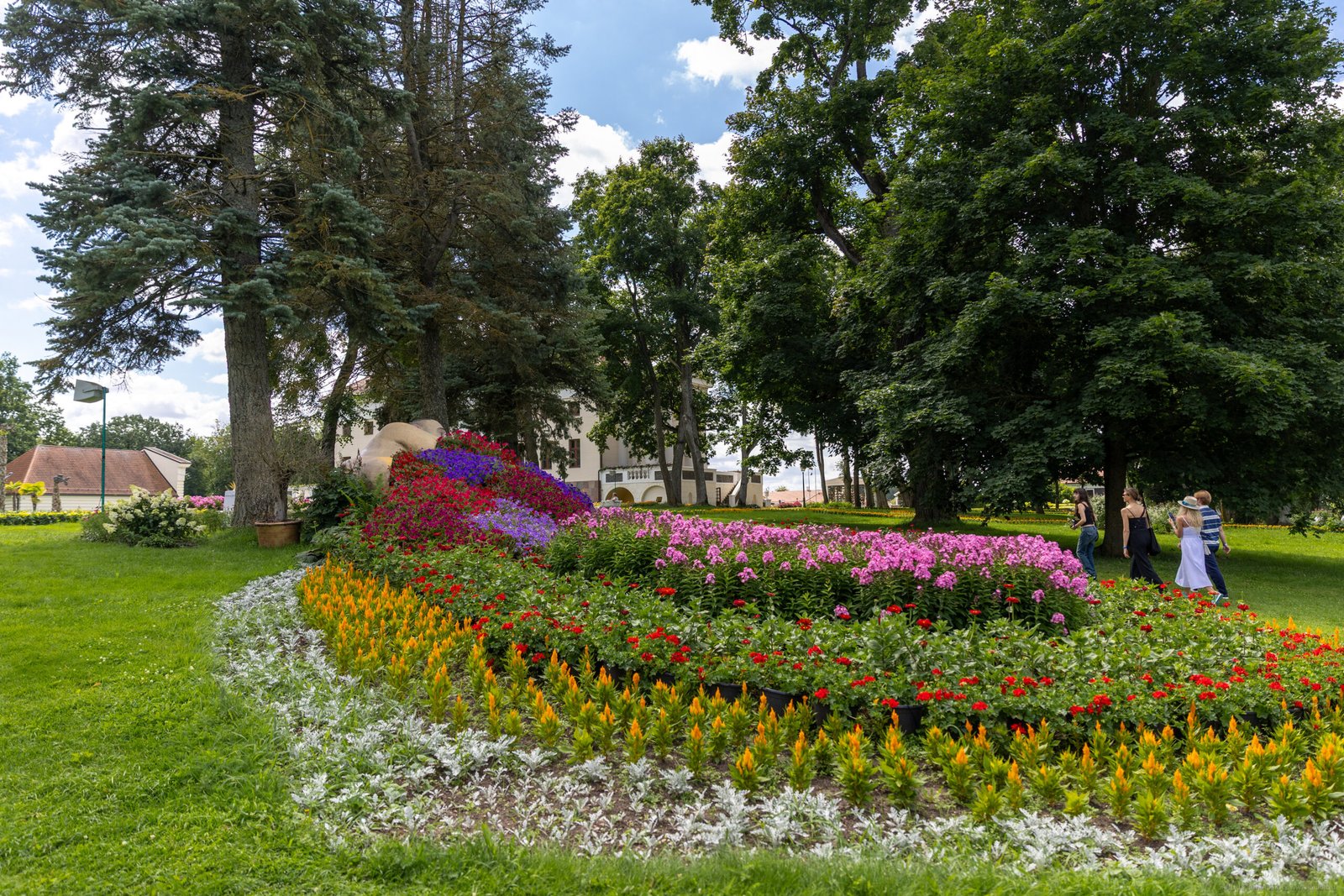
Alongside this experience, the Summer Flower Festival remains the manor’s biggest summer attraction. Every year, it transforms the manor into a huge blooming park.
Millions of flowers, impressive floral compositions, art installations and carefully designed flower beds give visitors something new to discover every time.
The festival team also adds live performances, interactive experiences, creative workshops and other activities to the programme. As a result, every day at the manor becomes special and memorable for the whole family.
The Summer Flower Festival at Pakruojis Manor will run throughout the summer until the first autumn frosts.
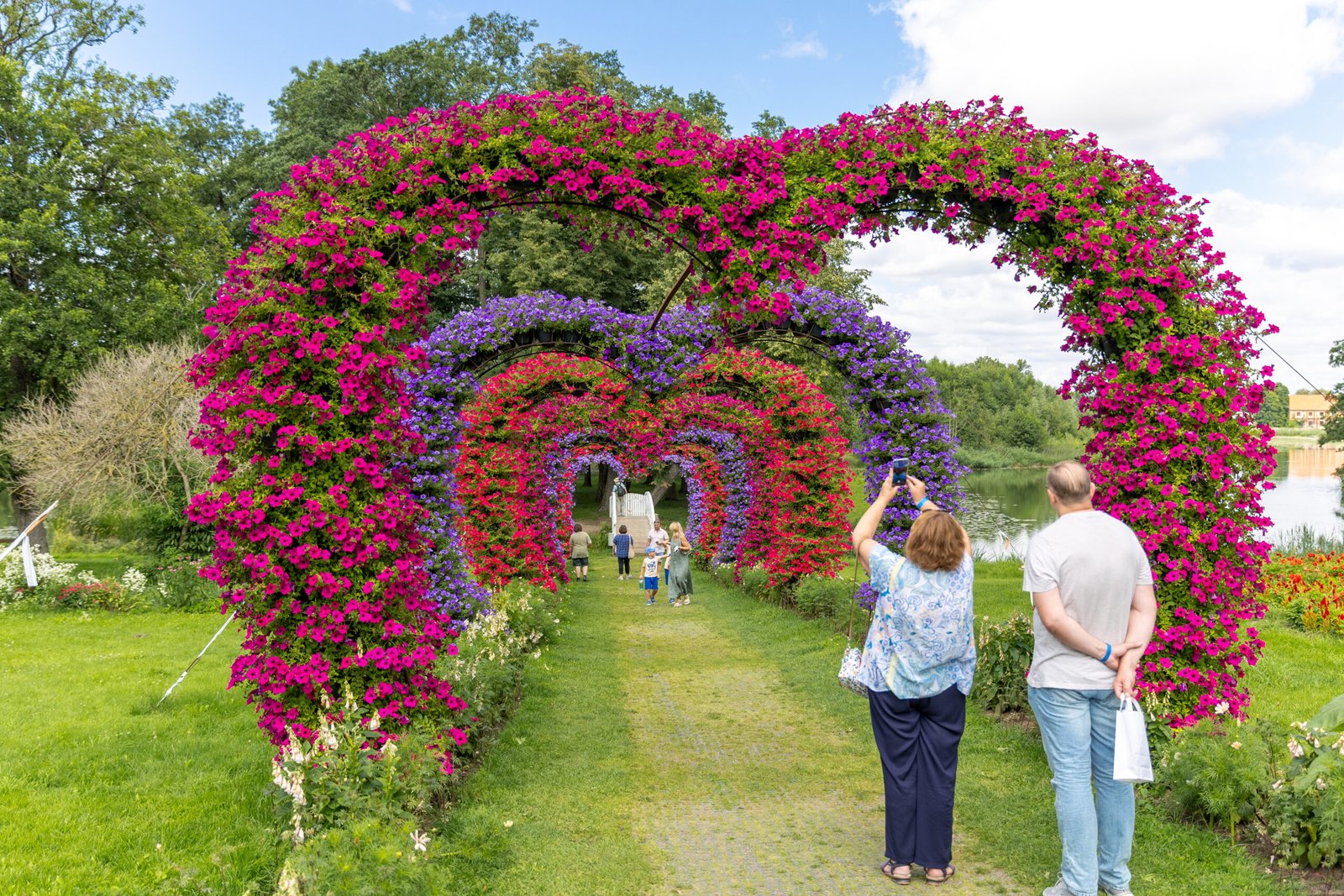
Tickets and prices
The Summer Flower Festival at Pakruojis Manor takes place every day throughout the summer. Visitors can enter the manor grounds every day from 12 noon.
Ticket prices on weekdays (Monday to Thursday): adults – EUR 16 per person (EUR 18 at the event venue); children aged 6 and over, students, seniors and people with disabilities – EUR 12 per person (EUR 14 at the event venue). The ticket price includes admission to the manor’s living farm.
On weekends and public holidays (Friday to Sunday): adults – EUR 18 per person (EUR 20 at the event venue); children aged 6 and over, students, seniors and people with disabilities – EUR 14 per person (EUR 16 at the event venue). The ticket price includes admission to the manor’s living farm.
The following visitors can enter the festival free of charge: children up to and including 5 years old; people aged 80 and over; people with a Group 1 disability and their accompanying person; children with disabilities and their accompanying person; people with a Dvariškis QR card.
Birthday surprise! Enjoy free admission on your birthday when you present an identification document.
Buy your tickets online for a lower price!