Tenerife is well known for its beaches, Mount Teide, and warm weather all year round. However, the island also hides another, less familiar side. It is home to abandoned places that look like scenes from a movie. Although some of them are dangerous and closed to visitors, many can still be seen from the outside. In some locations, it is even possible to walk among the remaining ruins.
We have already written about abandoned and unique places in Tenerife. Now, however, we present cinematic views: abandoned places in Tenerife with their own stories. This selection will especially appeal to those who feel drawn to abandoned and, at times, unsettling locations.
Cinematic views: abandoned places in Tenerife with their own stories
Las Cañadas del Teide Sanatorium
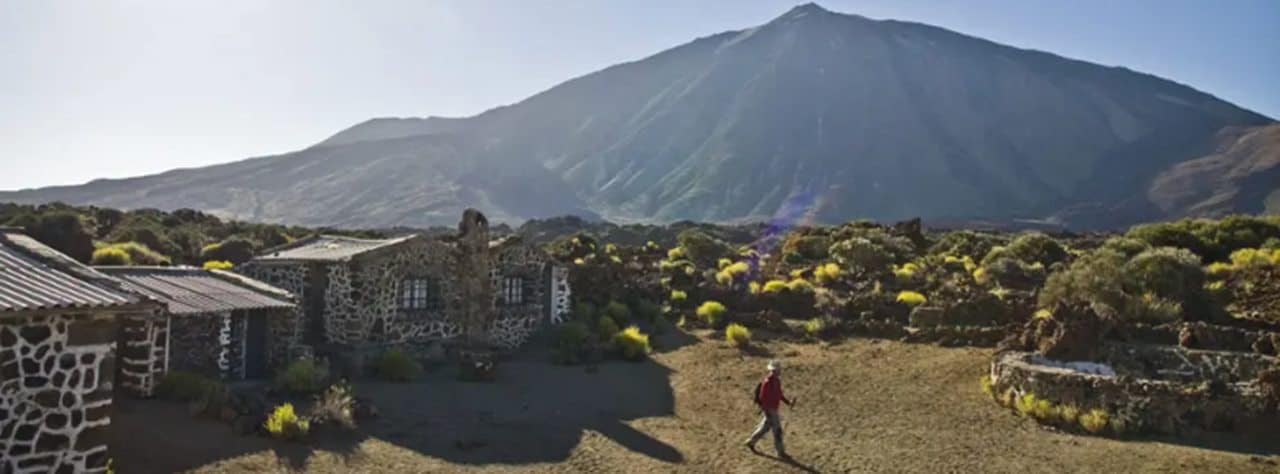
High in Teide National Park, developers once planned to build a sanatorium for patients with tuberculosis. Construction began in the 1930s. However, the hospital was never completed. The site was meant to become a health center for patients from all over the world. At the time, doctors believed that the mountain air of Tenerife could help treat respiratory diseases.
Eventually, the project was abandoned. As a result, the “skeleton” of the sanatorium stood for decades among lava fields and pine trees. Only recently did the Tenerife Council decide to demolish the remains in order to restore the natural environment.
Nevertheless, the site remains known as the “ghost sanatorium.” Moreover, Trail 16 leads to it. This route is also known as Sendero del Sanatorio.
Santa Cruz grain warehouse – a fading urban legend
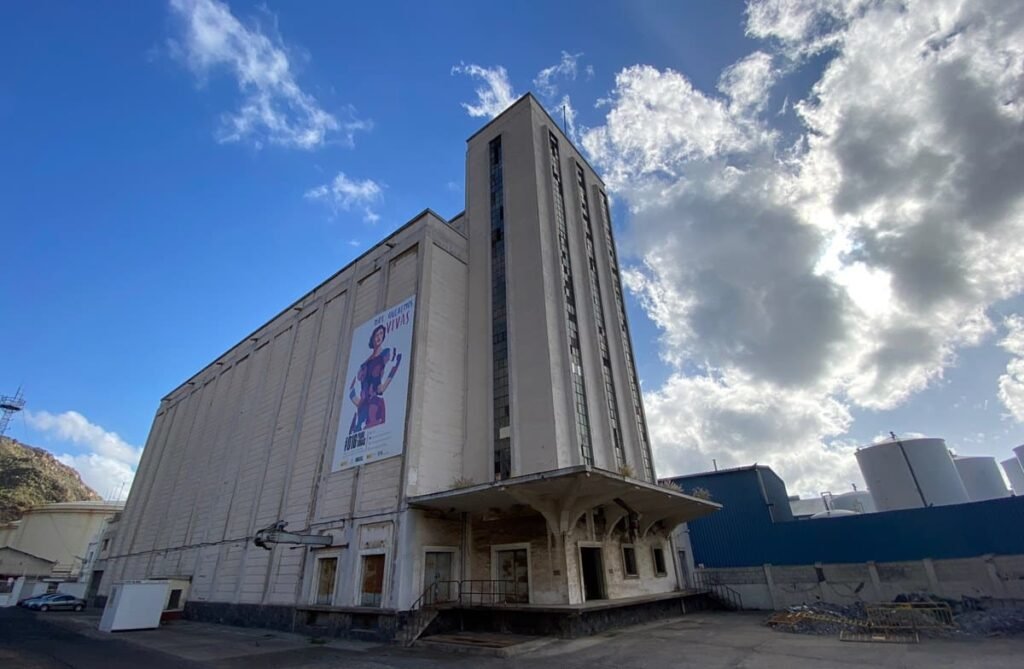
In the port of Santa Cruz de Tenerife, a former grain warehouse still stands. At the time of its construction, this structure was a technological breakthrough. It allowed grain to be lifted to upper floors without manual labor. Although visitors cannot enter the building, they can still see it from Conjunto SG Puerto Street (No. 2).
Recently, discussions about its demolition have increased. Meanwhile, the Tenerife Architects’ Association supports preserving this unique example of industrial heritage.
Abades leper colony
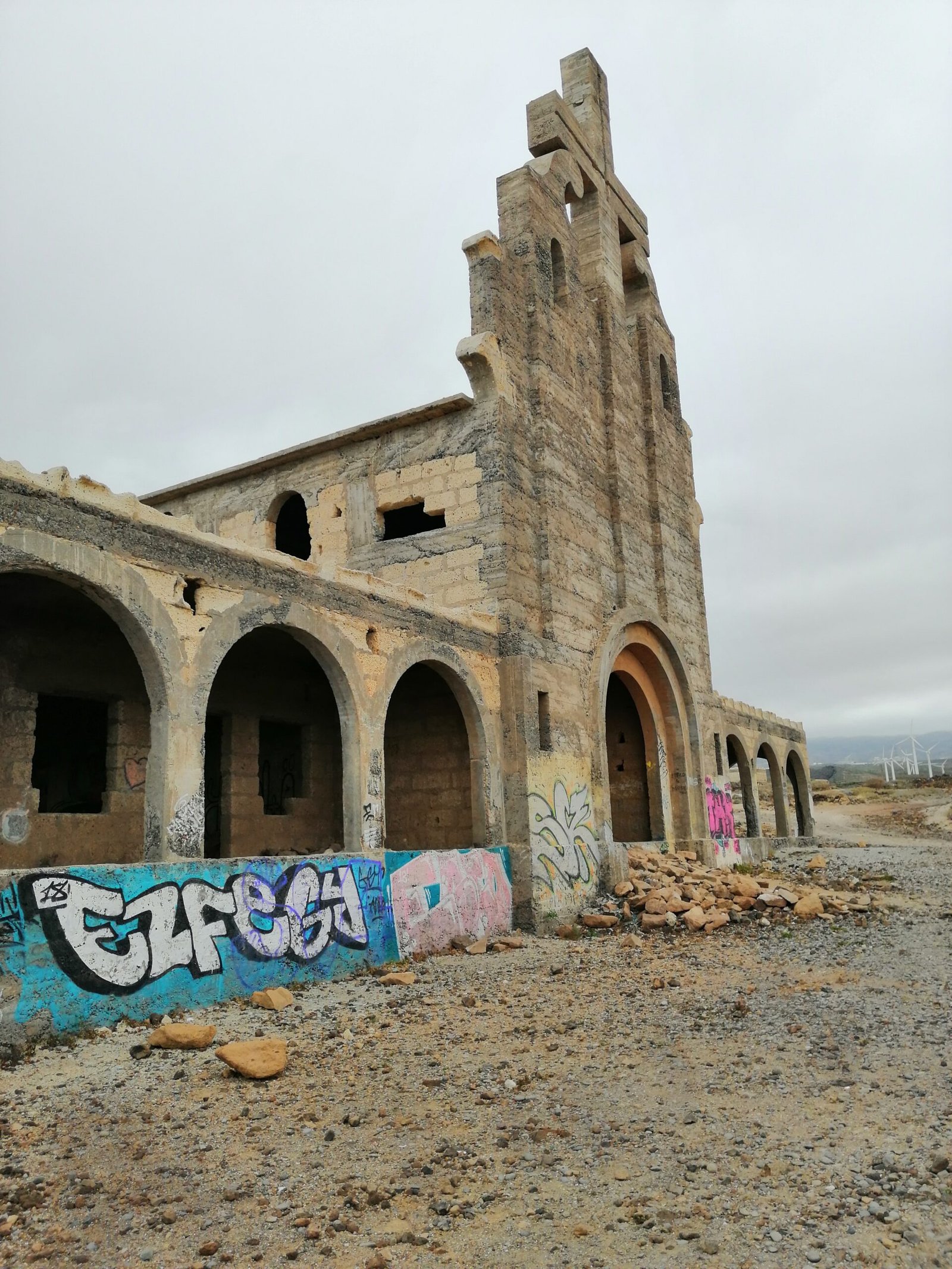
In the southern part of the island, in the town of Abades, impressive ruins still remain. They belong to a leper sanatorium complex that never accepted a single patient. Construction began in the mid-20th century, as planners intended to create an isolated settlement for people with leprosy. However, medical progress quickly made the project unnecessary. Consequently, construction stopped.
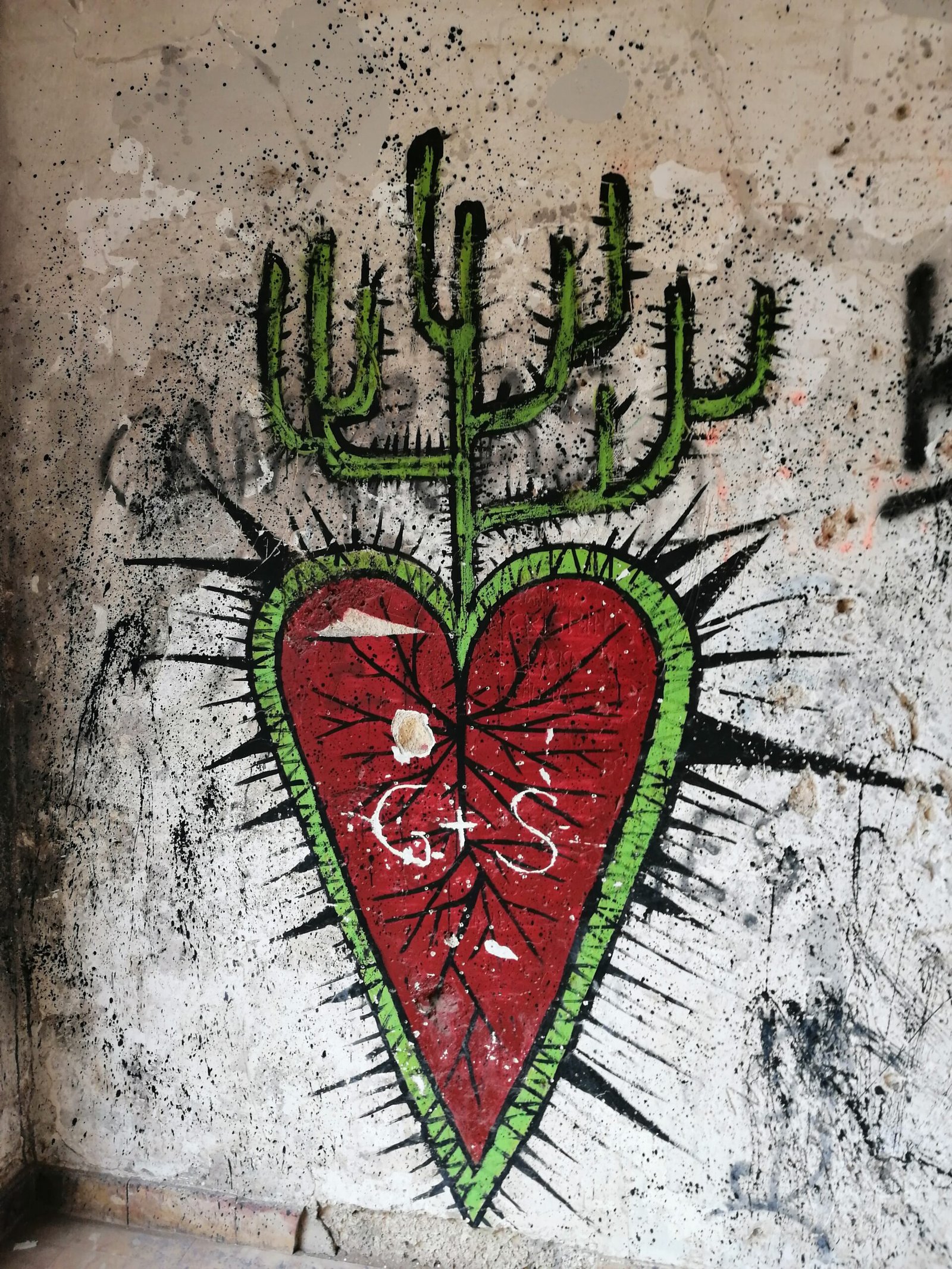
Today, the area looks like a ghost town. Stone walls, empty corridors, and a church with a large cross above the entrance dominate the site. Over time, the location has become a paradise for photographers. In addition, local legends speak of spiritual rituals and paranormal stories linked to the area.
“Antenna” in El Médano
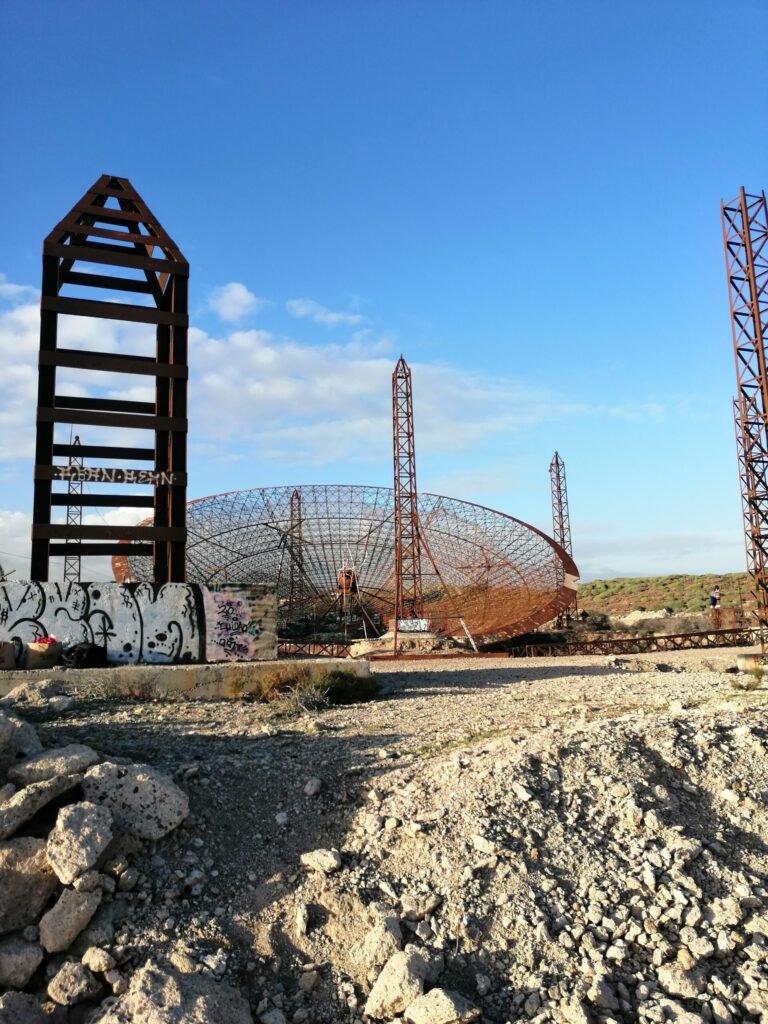
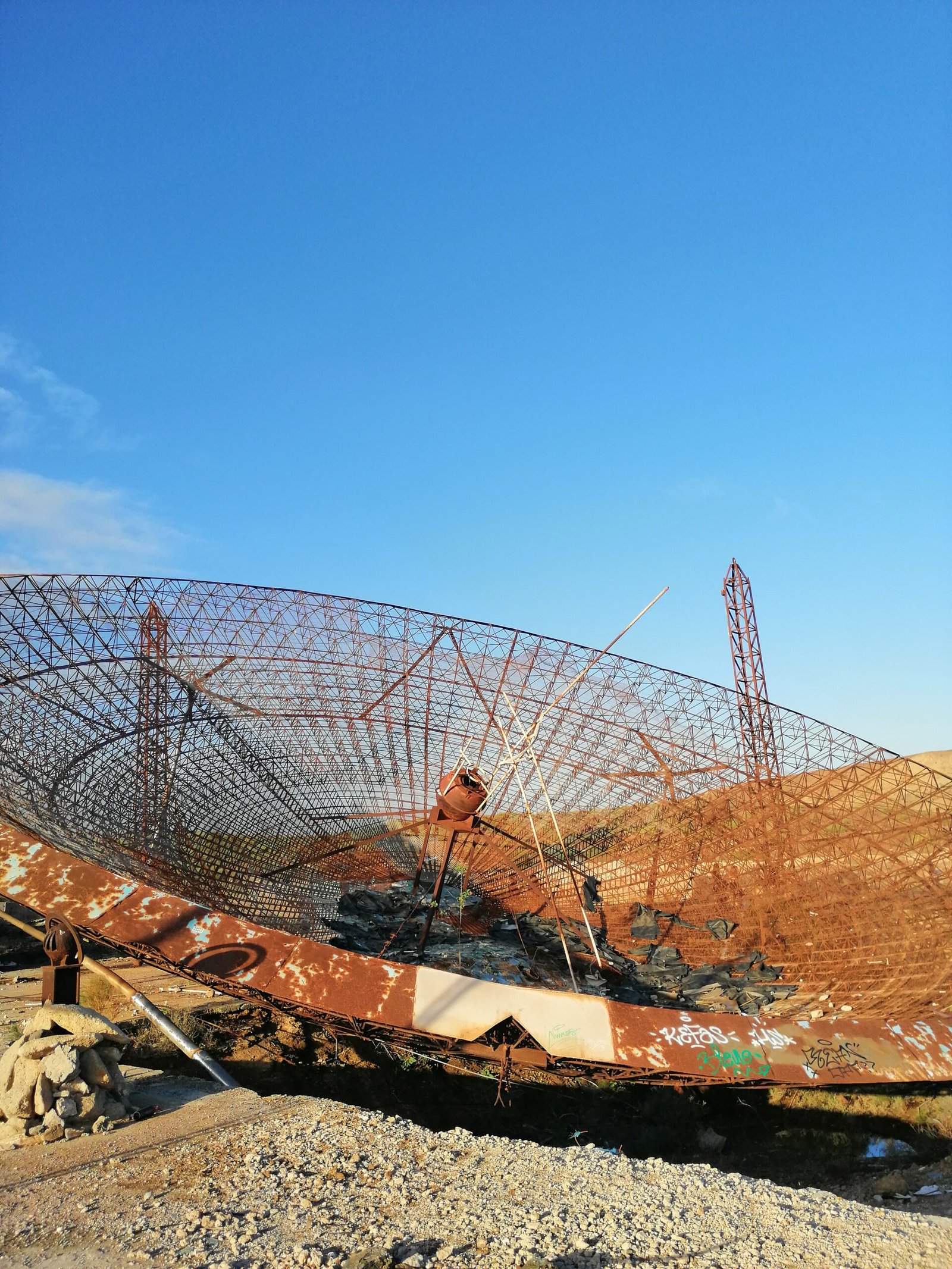
Near Montaña Pelada hill, in the town of El Médano, a massive metal antenna rises above the landscape. In fact, developers originally planned it as a solar thermal power plant. However, after protests from local residents, authorities stopped the project. The reason was clear. Builders planned to construct it in a protected area.
Today, this rusting structure symbolizes an apocalyptic landscape. As a result, it has become a favorite spot for photographers.
To see it, visitors only need to head toward La Jaquita Beach, near Avenida Juan Carlos I.
Santa Úrsula bunker – remnants of wartime history
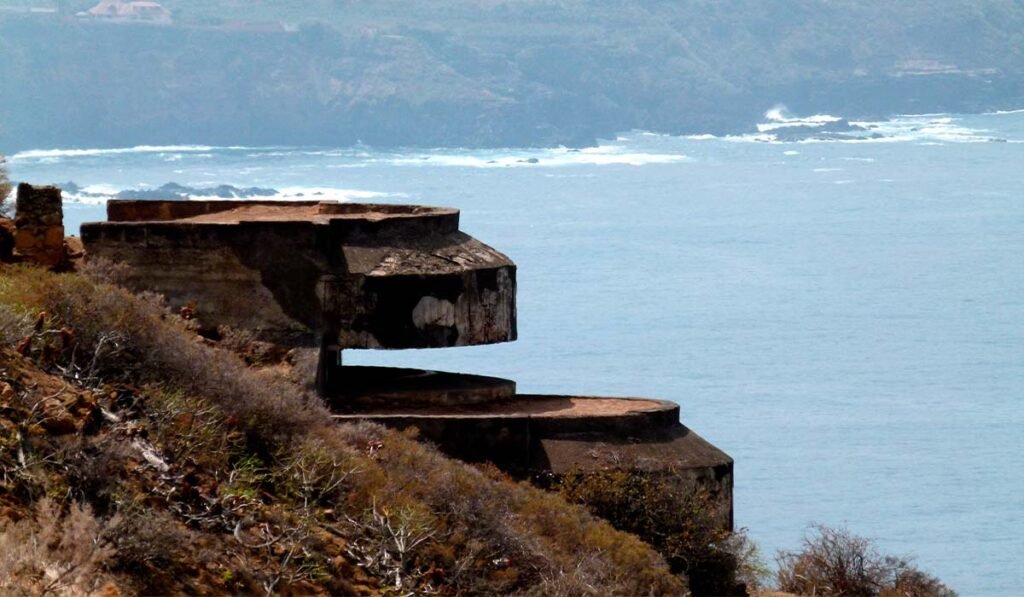
In the northern part of the island, in La Quinta, a bunker from 1942 remains hidden. Francisco Franco ordered its construction during World War II. Its purpose was to monitor the northern coastline and protect it from a possible Allied landing.
Today, proposals suggest turning the bunker into a viewpoint. From there, visitors can enjoy impressive views of the Acentejo coast, from rocky slopes to the open sea horizon.
Many consider it one of the most interesting examples of military engineering heritage in the Canary Islands.
Aguadulce House in Guía de Isora
A lesser-known yet striking site is the Aguadulce House. It is also called Casa del Embarcadero or Aguadulce Castle. The building stands on the coast of Guía de Isora, near Playa San Juan.
To this day, its original purpose remains unclear. However, many believe that its small pier served for unloading goods from ships.
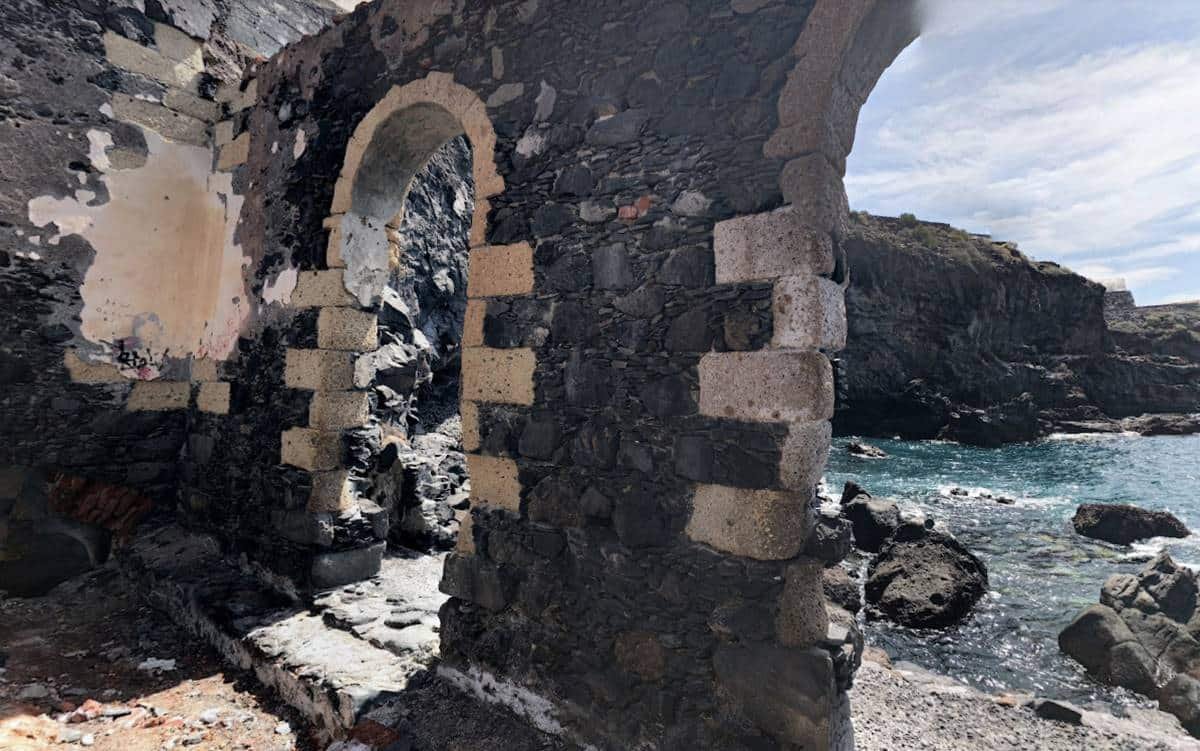
Igueste de San Andrés lighthouse
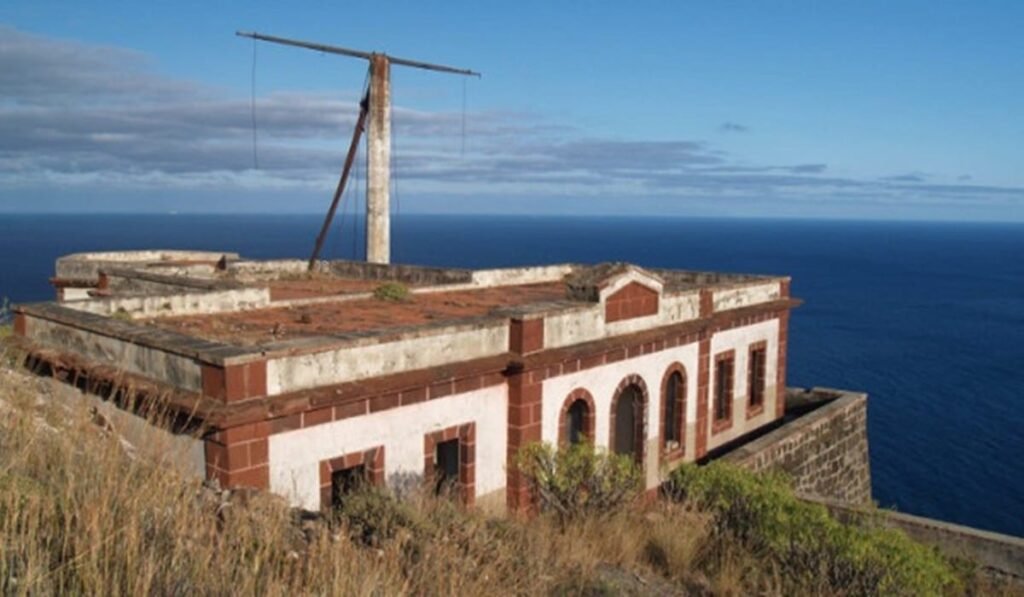
This unique site lies in the Anaga mountain range. For more than a century, it operated as a maritime signal station known as Semáforo de Igueste de San Andrés.
Builders constructed it between 1880 and 1895. Its goal was to help guide ships sailing toward the port of Santa Cruz. Since 1971, the station has remained completely unused. The building stands on a 200-meter-high cliff. Today, plans aim to restore it and adapt it for visitors. The goal is clear. Visitors would learn more about the history of Tenerife’s waters and enjoy one of the most beautiful panoramas on the island.
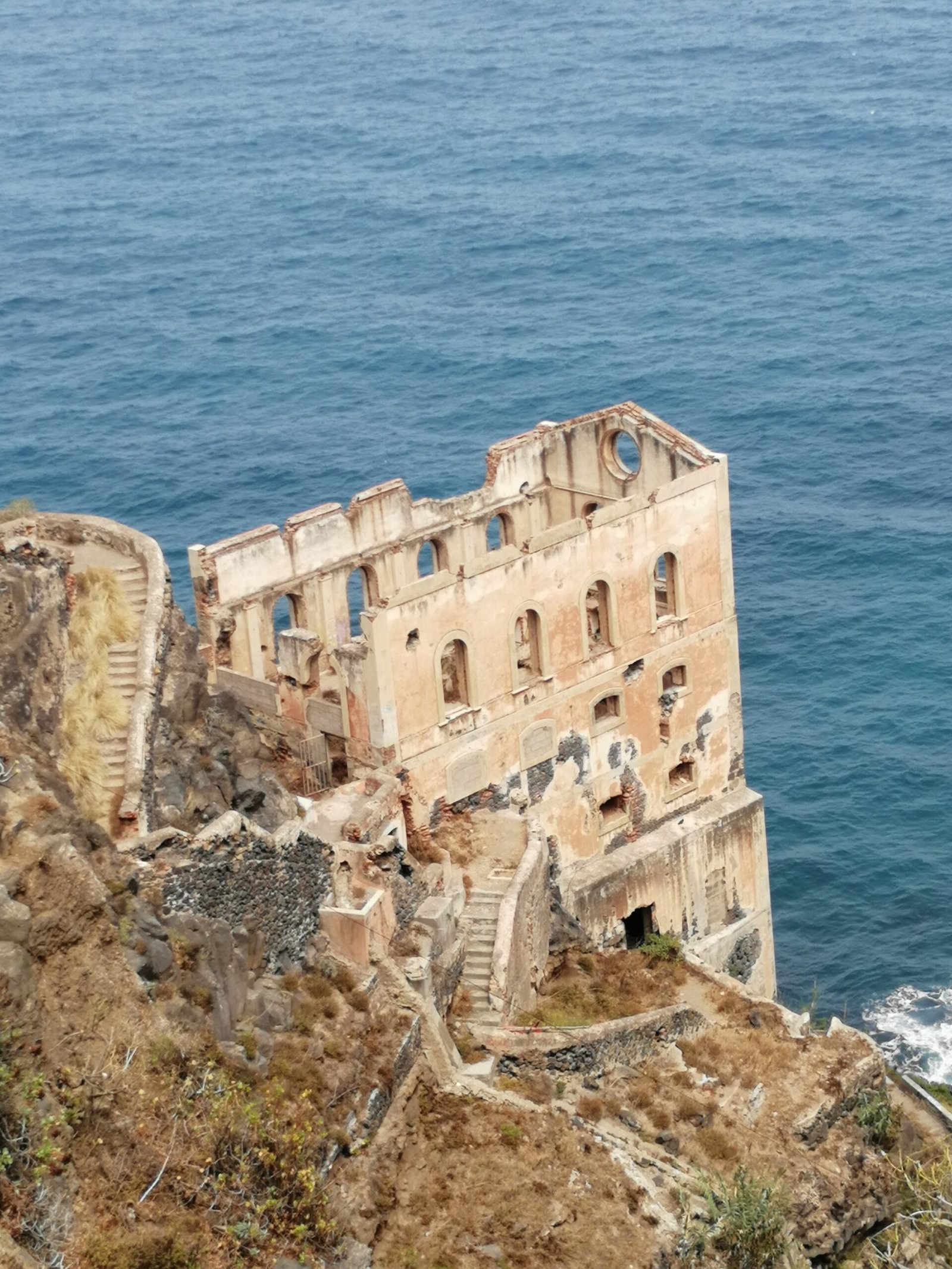
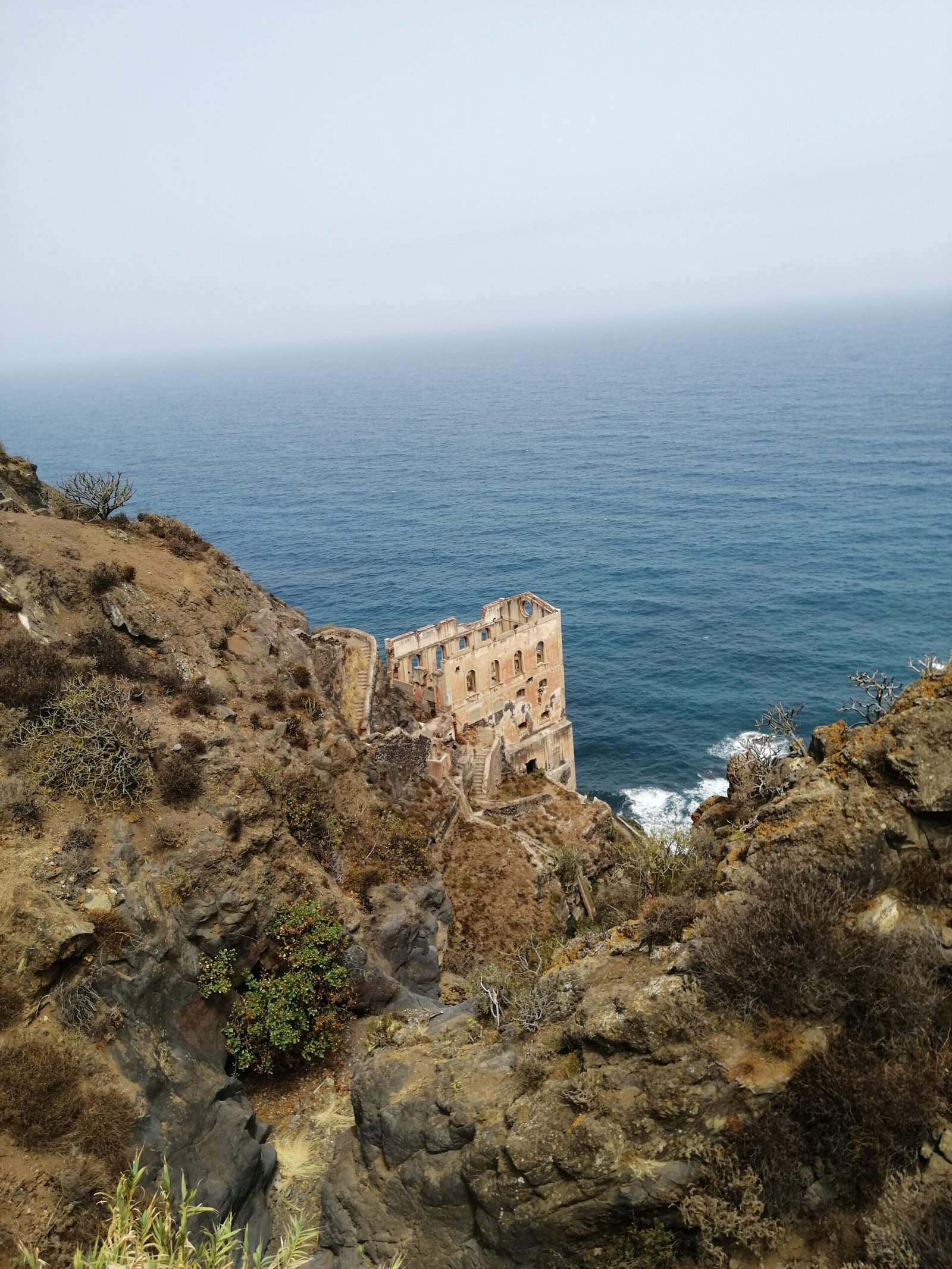
Ruins of the La Gordejuela water pumping station (Los Realejos)
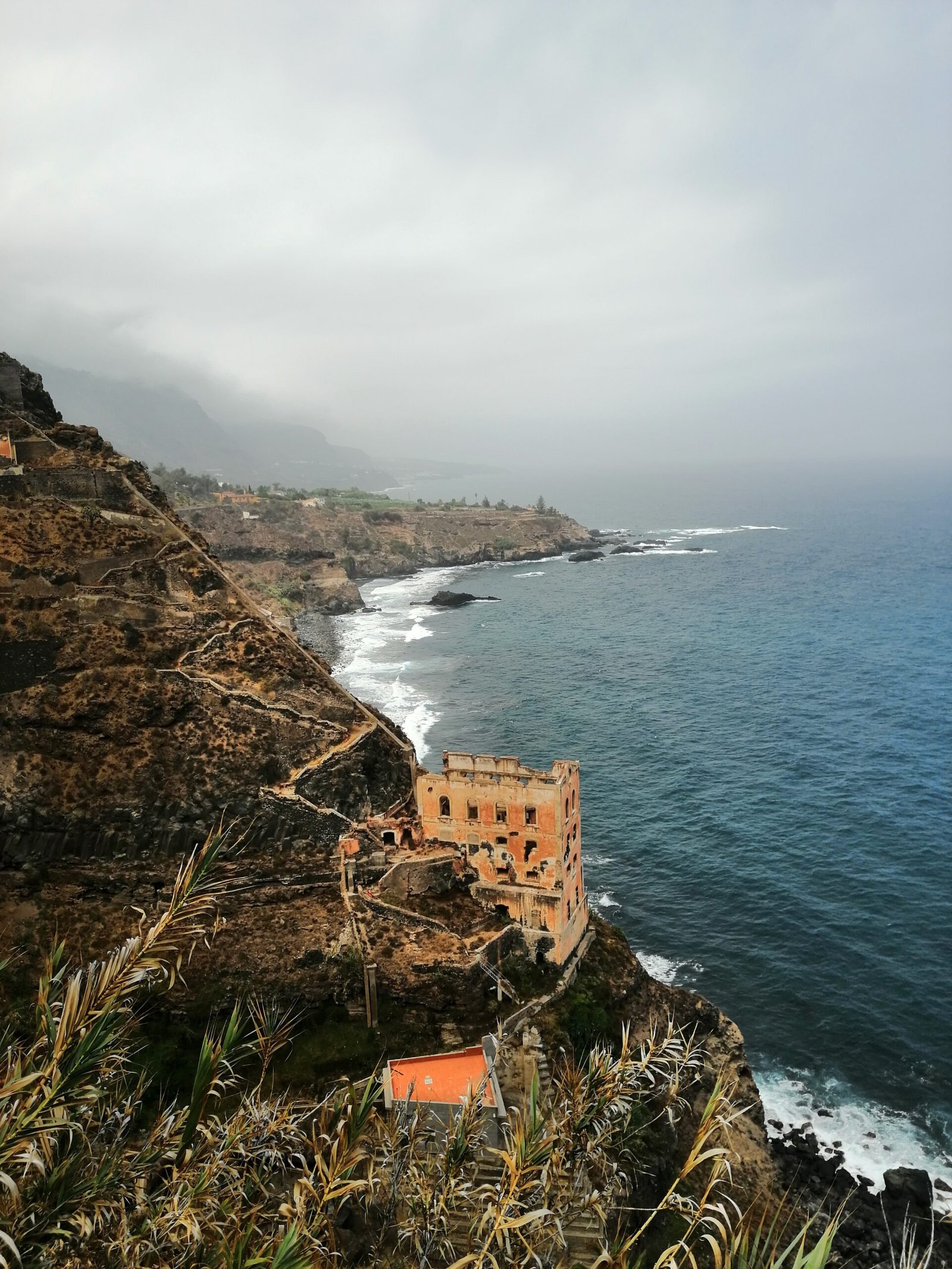
These ruins are located in the municipality of Los Realejos. The site offers a beautiful setting and an even more impressive view. It combines a stunning coastline with dramatic ruins perched on the edge of a cliff.
According to records from the Los Realejos Town Hall, builders constructed the building in 1903. They used it to pump spring water from the Gordejuela sources. The system lifted water about 200 meters above sea level to nearby banana plantations.
Military engineer José Galván Balaguer designed the installation together with León de Torres and León Huerta. At the time, this project marked an important milestone. Inside, engineers installed the first steam engine on the island of Tenerife. In the early 20th century, lifting water to the Orotava Valley was essential.
However, the pumping station operated for only 15 years. With the arrival of electricity, it became less efficient and unnecessary. As a result, people abandoned both the pumping station and the industrial complex above it. Originally, the industrial complex consisted of three buildings, a tank, and a large chimney. It also included various water diversion infrastructures.