In Lithuania, on the last Sunday of every month, many museums open their doors to visitors free of charge. It is a great opportunity to spend a day with your family surrounded by art and history. Sometimes such visits even grow into a lovely tradition or a small celebration. Even better, however, Lithuania also has museums that you can visit for free at any time, on any day, without special occasions or advance planning.
We see that museums remain an important topic for our readers – on the last Sunday of the month, many of you actively explore free museums. Therefore, we want to share a list of always free museums in Lithuania. These are places you can visit whenever you feel like enjoying culture, discovering something new, or simply spending your time in a more interesting way.
You can find the full list of free museums available on the last Sunday of the month in our article “Free museums on the last Sunday of the month 2026”.
Always free museums in Lithuania
Forest museum “Girios aidas” in Druskininkai
Among the trees, very close to Čiurlionis Street, stands “Girios aidas”, a small yet very cozy museum that introduces visitors to the world of the forest. Here you will find everything connected to forest life, from animal and bird exhibits to insects and forest sounds.
The museum opened in 1971. Later, after a fire, it was rebuilt in 1993. As a result, it became larger, brighter, and even more engaging. A path of wooden sculptures surrounds the museum. It resembles an open-air gallery where visitors encounter traditional wooden carvings, benches, and artistic compositions created by well-known folk artists, including Antanas Česnulis.
Inside, the atmosphere feels warm and inviting. Although you will not see digital screens or special effects, the exhibition feels lively, especially for families with children. Admission is free. The museum welcomes visitors from Wednesday to Sunday, between 10:00 and 17:00. Moreover, it serves as a pleasant stop when travelling to Druskininkai, offering a quiet moment between nature and history.
↩︎ Back to list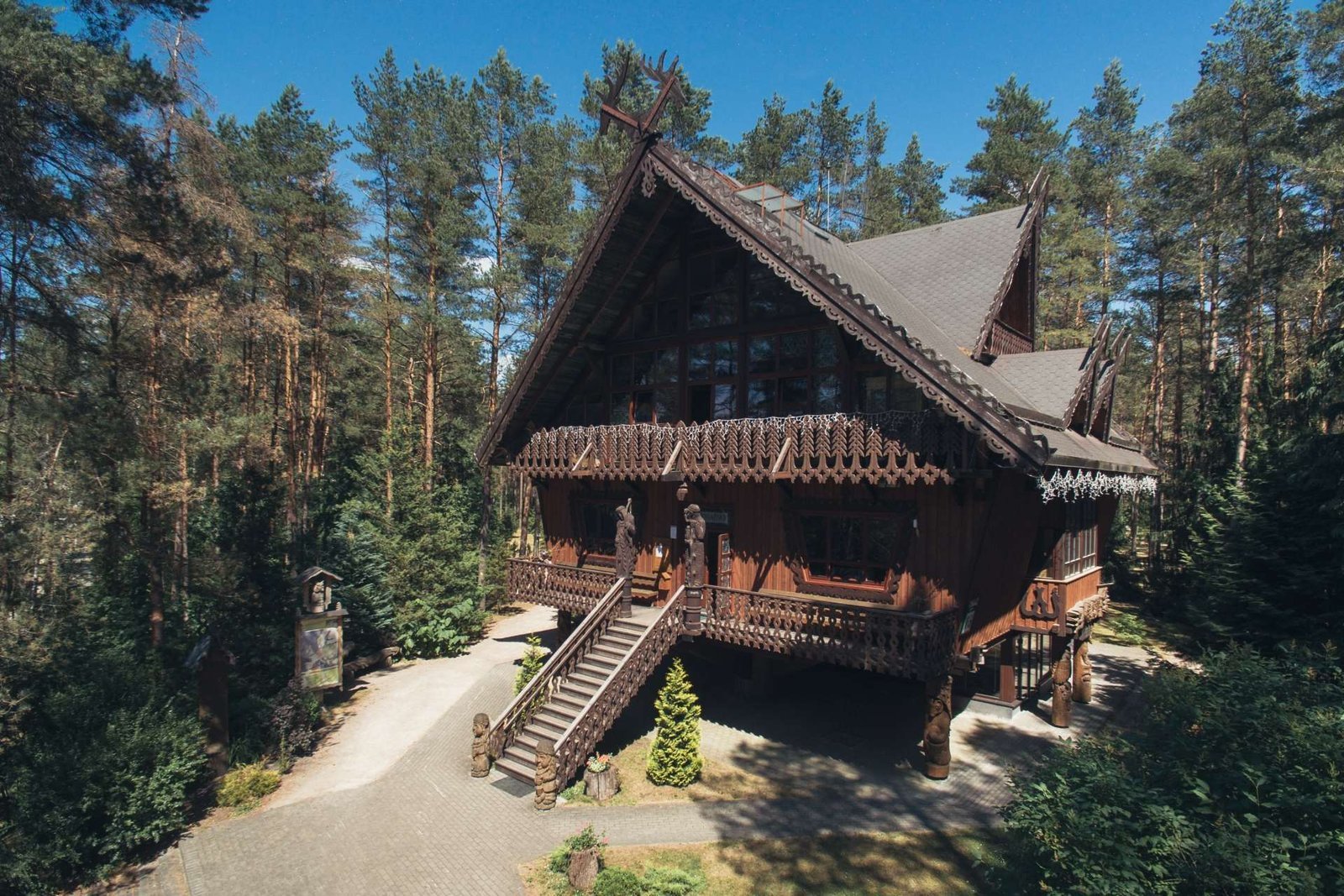
Money museum in Vilnius and the money history exhibition in Kaunas
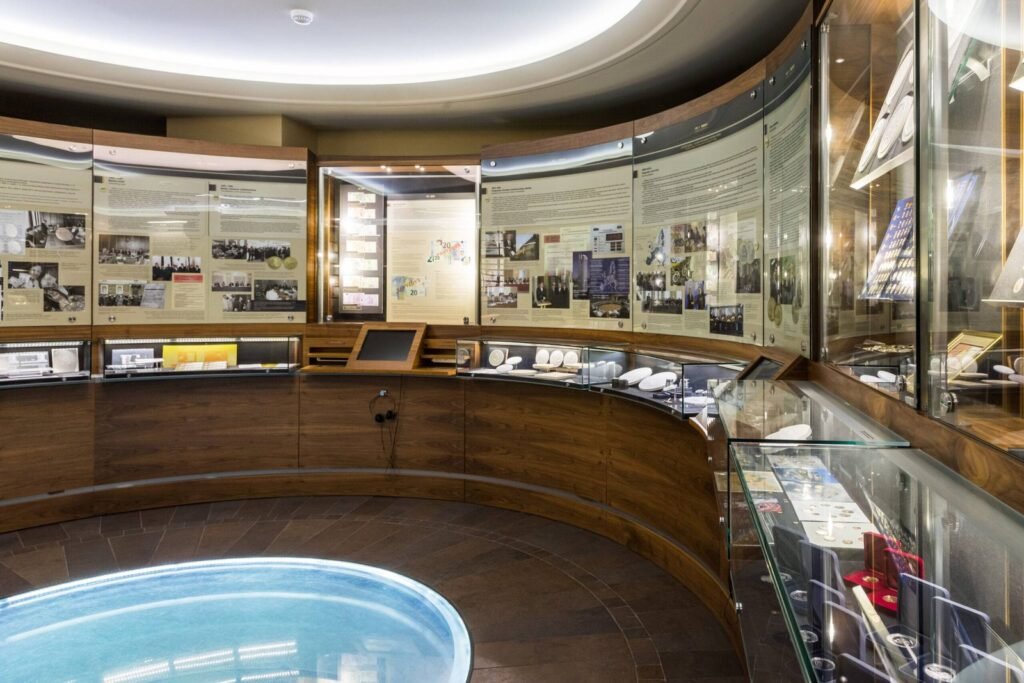
If you feel curious about how money looked centuries ago, how a denarius differs from a thaler, or why banknotes were not always made of paper, then the Money Museum in Vilnius is worth a visit. Located on Totorių Street, the museum presents an interactive journey through the history of Lithuanian and global currencies.
Visitors can explore some of the world’s oldest forms of money, examine the first Lithuanian litas coins, and even weigh themselves to learn how much they would weigh in gold. In addition, you can mint a souvenir coin before leaving. Admission is always free.
Meanwhile, if you travel to Kaunas, you can visit the money history exhibition on Maironio Street, inside the historic Bank of Lithuania building. This exhibition focuses more on the financial development of Lithuania, from early national coins to modern banking. The presentation remains clear, visual, and highly engaging. Admission is also free. However, visitors in Kaunas should register in advance.
↩︎ Back to list
Centre for civil education in Vilnius
This place is not a traditional museum with glass display cases. Instead, it offers a dynamic story about how the state functions. The State Knowledge Centre, located near the Presidential Palace, encourages visitors not only to observe but also to participate.
Here you can balance the national budget, design your own community coat of arms, and mark meaningful locations on a map of Lithuania. The centre revolves around one key question: how does a democratic state operate, and what does it mean to be a citizen?
Since opening in 2016, the centre has provided a modern, interactive space where visitors think, understand, and discuss through engaging tasks, games, and regularly updated exhibitions. Moreover, the exhibitions frequently change, and the team develops content in collaboration with visitors. Therefore, each visit can offer a different experience.
On weekends, visitors can simply walk in. On weekdays, however, advance registration is required. Admission remains completely free.
↩︎ Back to list
Lithuanian police museum in Vilnius
Located next to the Police Department, this museum reveals aspects of police work that often remain unseen. At the Lithuanian Police Museum, visitors can view historical uniforms, weapons, speed measurement devices, and even the motorcycle used to escort the U.S. presidential motorcade in Lithuania in 2002.
What makes this museum especially engaging is the opportunity to try certain experiences. For example, visitors can wear VR glasses and briefly step into a simulated “Aras” special operations scenario. Additionally, they can observe demonstrations of how police dogs perform suspect apprehensions.
The museum also organises educational activities. As a result, it appeals to both children and adults who enjoy action-oriented experiences and real-life stories.
The museum opens from Tuesday to Saturday. However, visitors must register in advance. Admission is free.
↩︎ Back to listCustoms museum in Vilnius
What connects customs officers, a crocodile’s head, and an ivory knife? You will find the answer at the Customs Museum on Jeruzalės Street in Vilnius. Although the museum is relatively small, it offers a fascinating introduction to the history of Lithuanian customs services, from noble times to the present day.
The exhibitions present content in a clear and engaging manner. Visitors can explore historical uniforms, documents, and unusual examples of confiscated smuggled goods.
One of the most memorable features is the opportunity to enter a maritime container and test a specialised sound system used to detect hidden objects. For children, this experience feels like an adventure. For adults, it offers a deeper understanding of customs operations.
The museum opens on weekdays. However, advance registration is required. Admission is free.
↩︎ Back to list
The Centre for Wooden Architecture in Vilnius
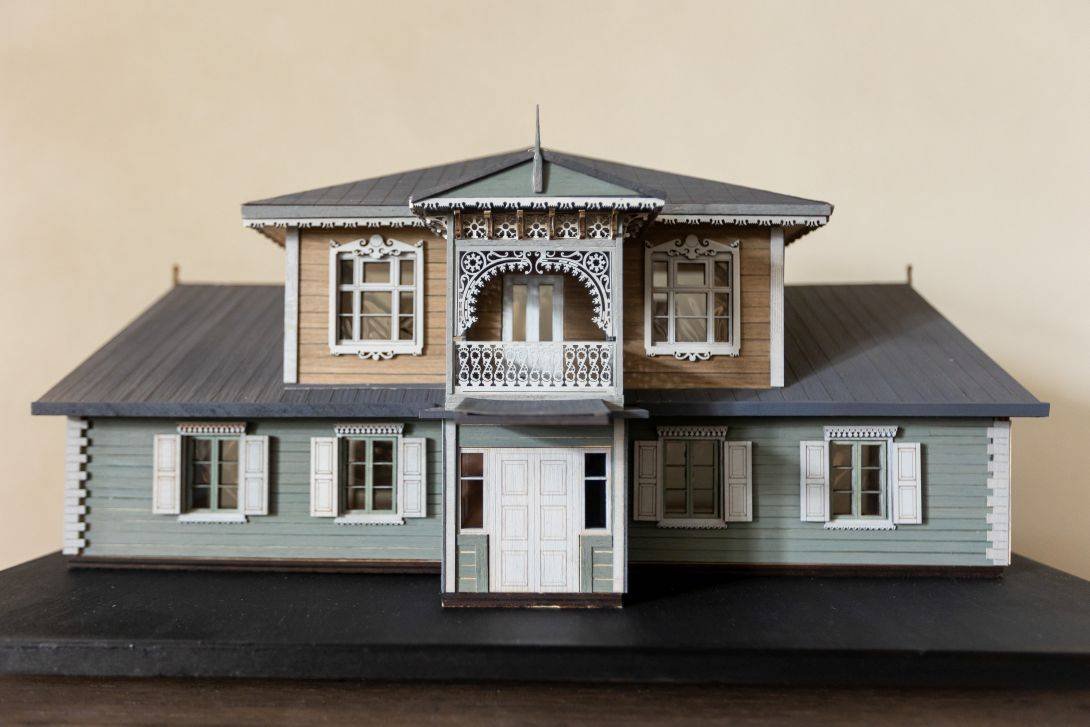
In Užupis, surrounded by art studios and a calm atmosphere, stands the Museum of Wooden Urban Architecture. Housed in one of the most beautiful wooden buildings on Polocko Street, the museum tells the story of modest yet historically significant wooden houses.
Visitors can learn how craftsmen built these houses, which tools they used, and how architectural details differ between Lithuanian cities. Moreover, the exhibition encourages visitors not only to observe but also to touch, smell, and listen.
In addition, the museum hosts a consultation centre. Therefore, those who own or dream of owning a wooden house can receive practical advice.
Admission is free. The museum welcomes visitors from Tuesday to Saturday. It remains a small yet inviting space where architecture feels warm and personal.
↩︎ Back to list