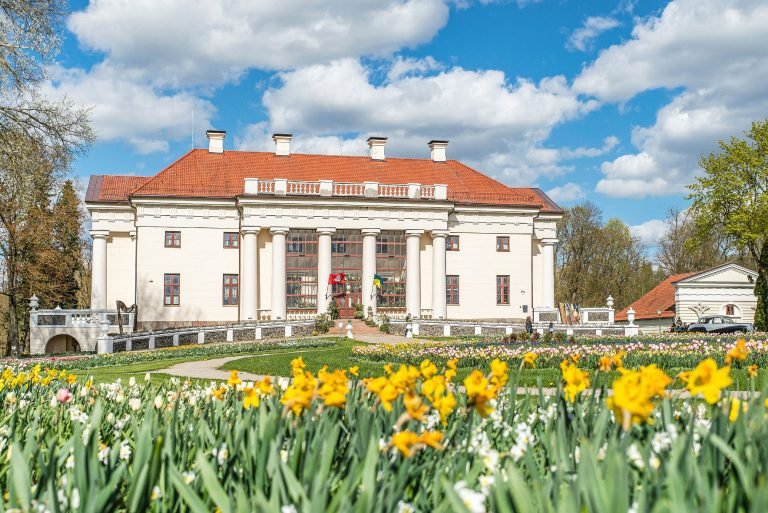
Sometimes you don’t need to travel far to feel like you’re on a little journey through time. Across Lithuania, noblemen and aristocratic families once built grand and impressive residences. Today, however, these places serve as some of the most beautiful sites in the country. This curated guide presents 30 most beautiful manors in Lithuania worth a visit in your lifetime, each offering a glimpse into history, architecture, and atmosphere.
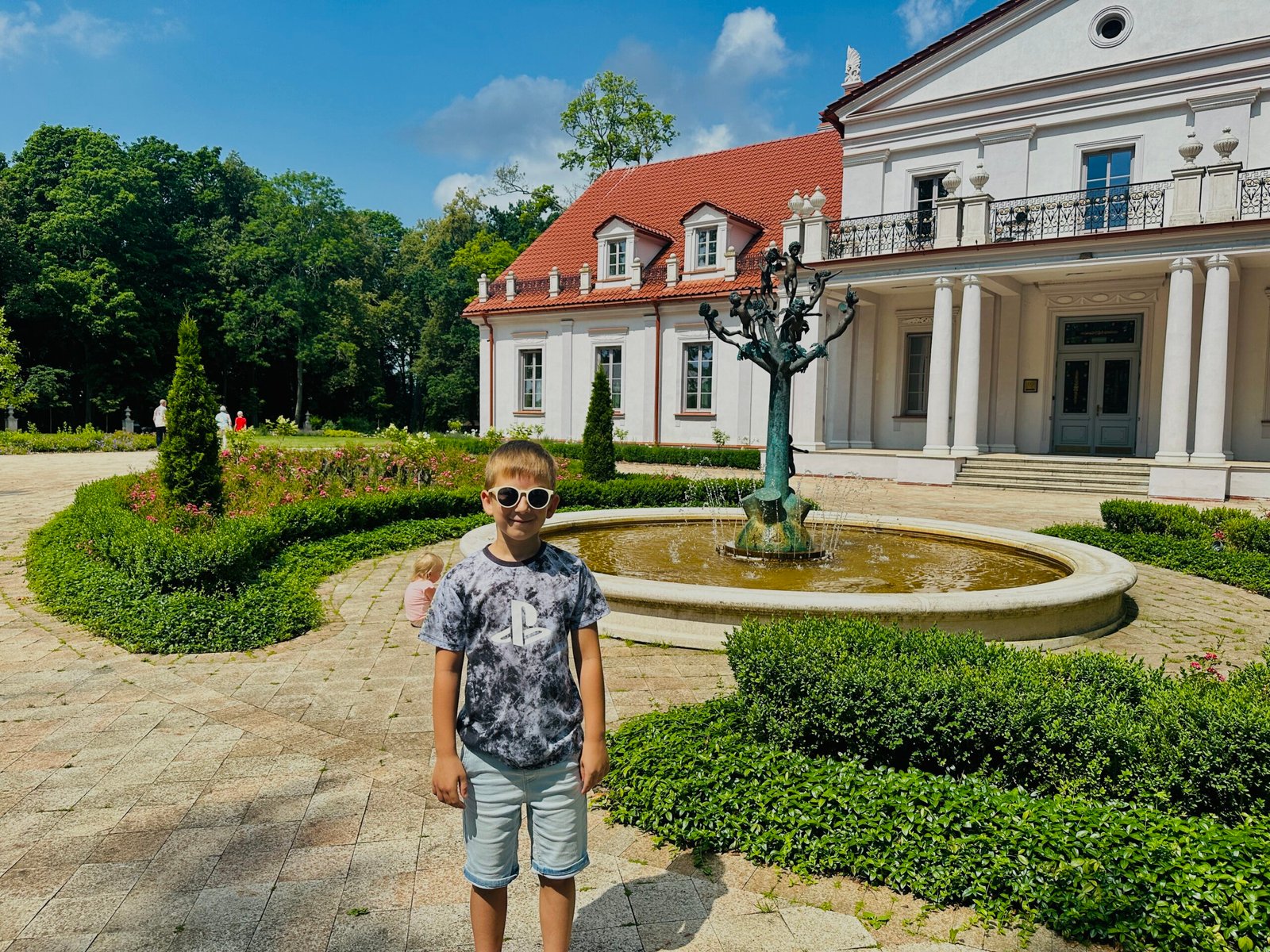
We’re constantly traveling around Lithuania, discovering remarkable manors and hidden gems that we can’t wait to share with you. We often receive messages from readers saying they had never heard of some of these places, even though they are so close, right here in Lithuania. In this article, we share a list of the 30 most beautiful manors in Lithuania worth a visit in your lifetime. You’ll find some well-known ones here and maybe discover a few you’ve never heard of before.
30 most beautiful manors in Lithuania worth a visit in your lifetime – full list
Below you will find the 30 most beautiful manors in Lithuania worth a visit in your lifetime, starting with some of the most remarkable estates in the country (click on the manor name to read more about it).
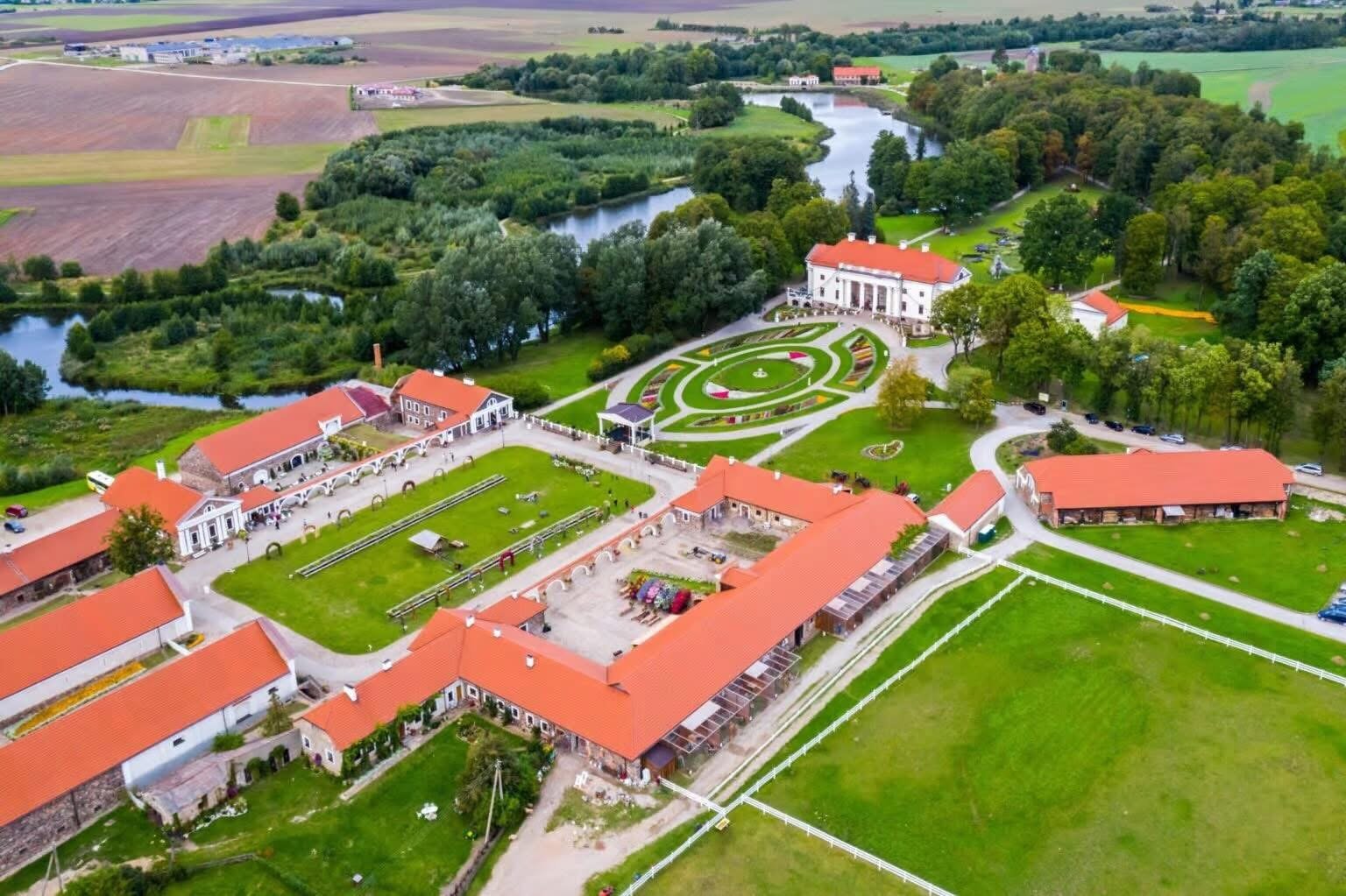
Pakruojis Manor
The first manor buildings were wooden. Later, builders constructed the brick manor ensemble between 1817 and 1840 using local materials. In addition, landscape designers created a large English-style park at the manor between 1835 and 1840. Today, Pakruojis Manor stands as a living piece of architectural heritage and allows visitors to experience authentic late 19th-century manor life. Moreover, the manor welcomes the community, guests, and tourists from Lithuania and around the world.
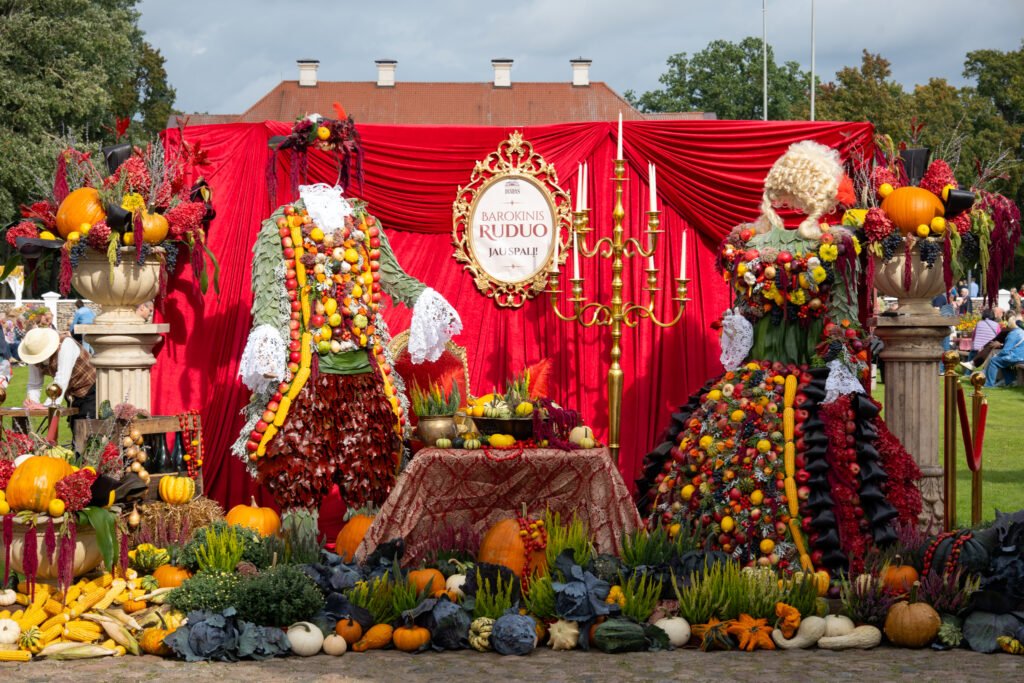
Pakruojis Manor is one of the most family-friendly places in Lithuania, and we have featured it many times on our blog for good reason. Throughout the year, visitors can enjoy educational programs, exhibitions, performances, celebrations, and festivals. In particular, the manor attracts attention with its grand seasonal events and festivals.
↩︎ Back to list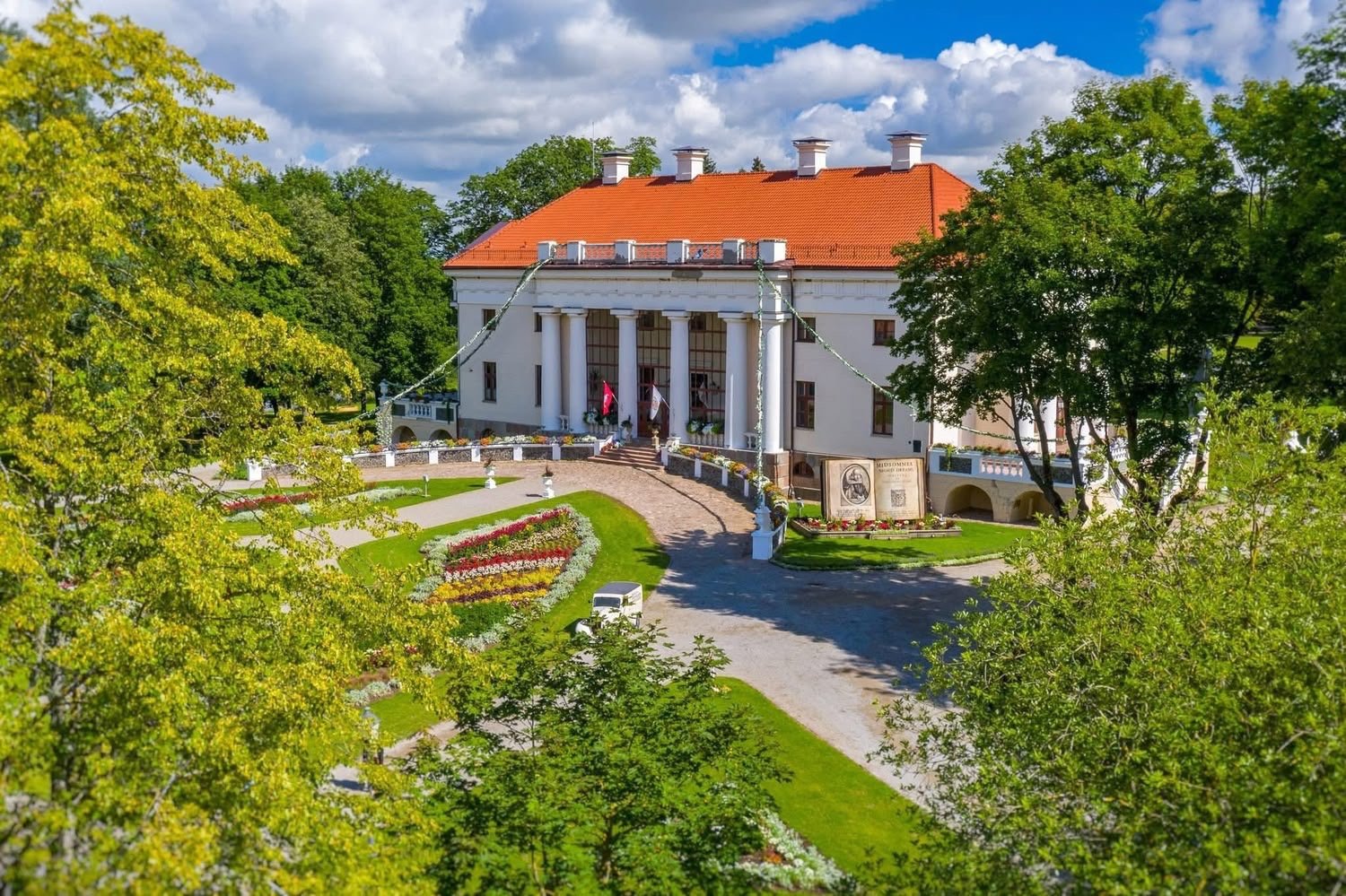
Taujėnai Manor, Ukmergė District
Taujėnai Manor stands in the Ukmergė district and dates back to 1802. Designed by Italian architect Pietro de Rossi, the residence reflects the grandeur of classic European manor architecture, with imposing columns at the entrance and richly decorated interiors.
Historically, it served as a summer residence for the Radziwiłł family. Today, however, the manor has taken on a new life as a cultural and recreational space open to visitors.
Surrounded by a large English-style park, the estate offers much more than history alone. Guests can explore an old granary and a mini zoo, take part in educational programs and creative workshops, and also enjoy accommodation, dining, or even host private celebrations and events.
↩︎ Back to list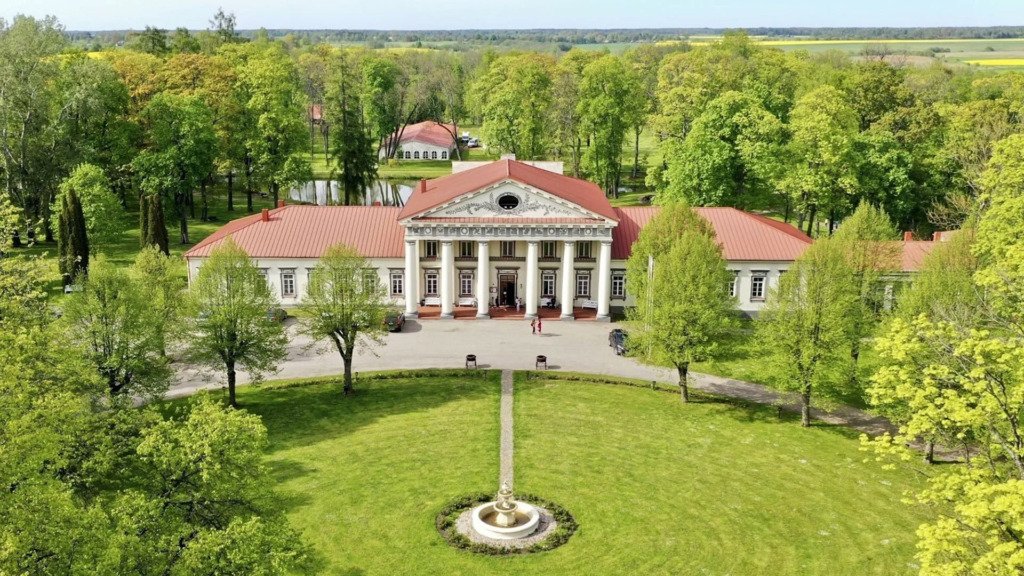
Bistrampolis Manor, Panevėžys District
Bistrampolis Manor in Panevėžys district has a long history—its roots go back to the late 15th century. Once frequented by prominent people, today it is not only a cultural heritage site but also a vibrant space open to visitors. The restored manor and its grounds offer activities for the whole family—from guided tours to encounters with animals.
↩︎ Back to list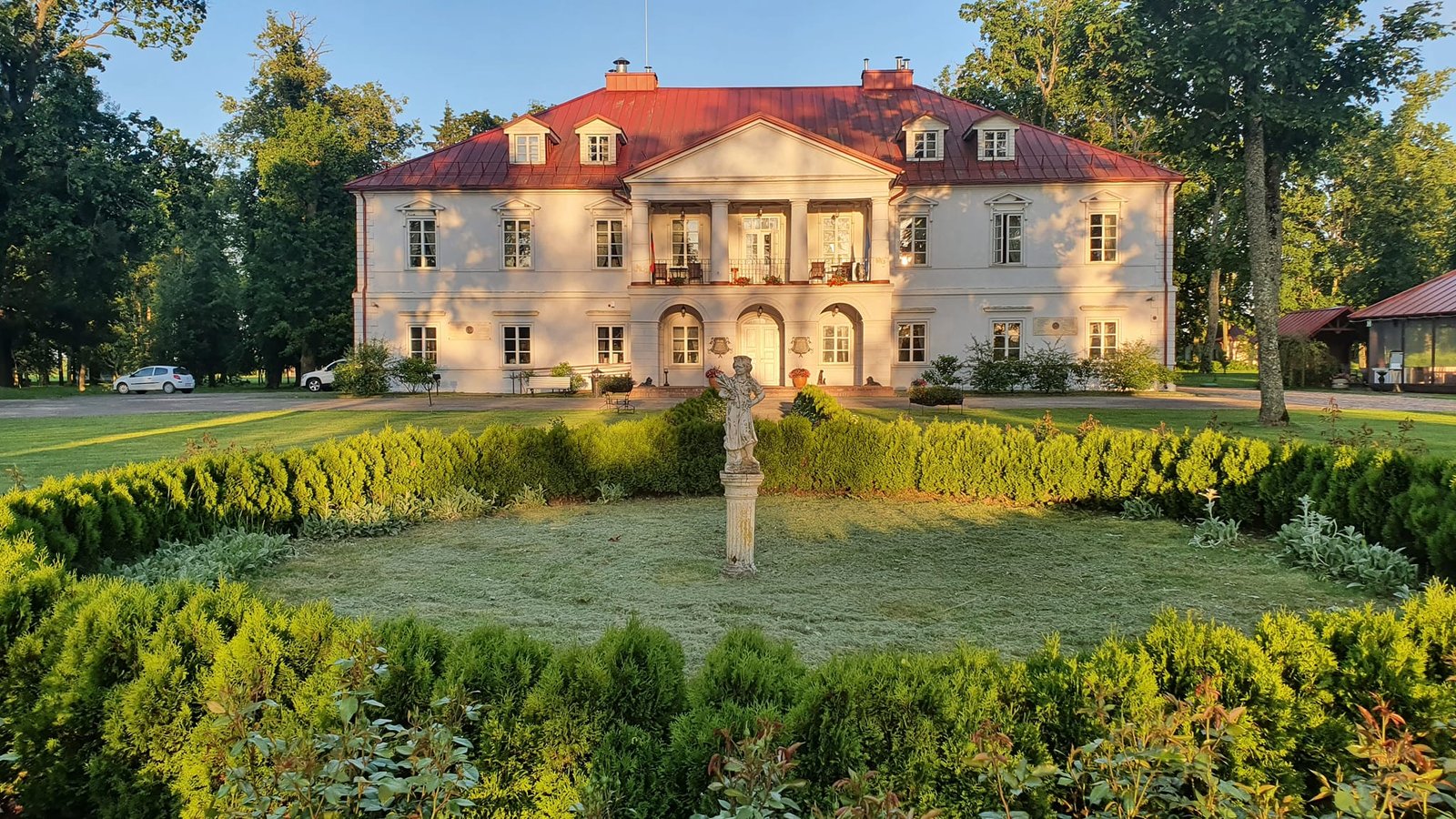
Ilzenbergas Manor, Rokiškis District
Right near the Latvian border, nestled among lakes, Ilzenbergas Manor surprised us with its surroundings, activities, and food. Today, the restored manor farm actively operates, as the team raises animals and produces natural products. Moreover, the manor invites visitors to join tours, enjoy tastings, and take relaxing walks in the park.
↩︎ Back to list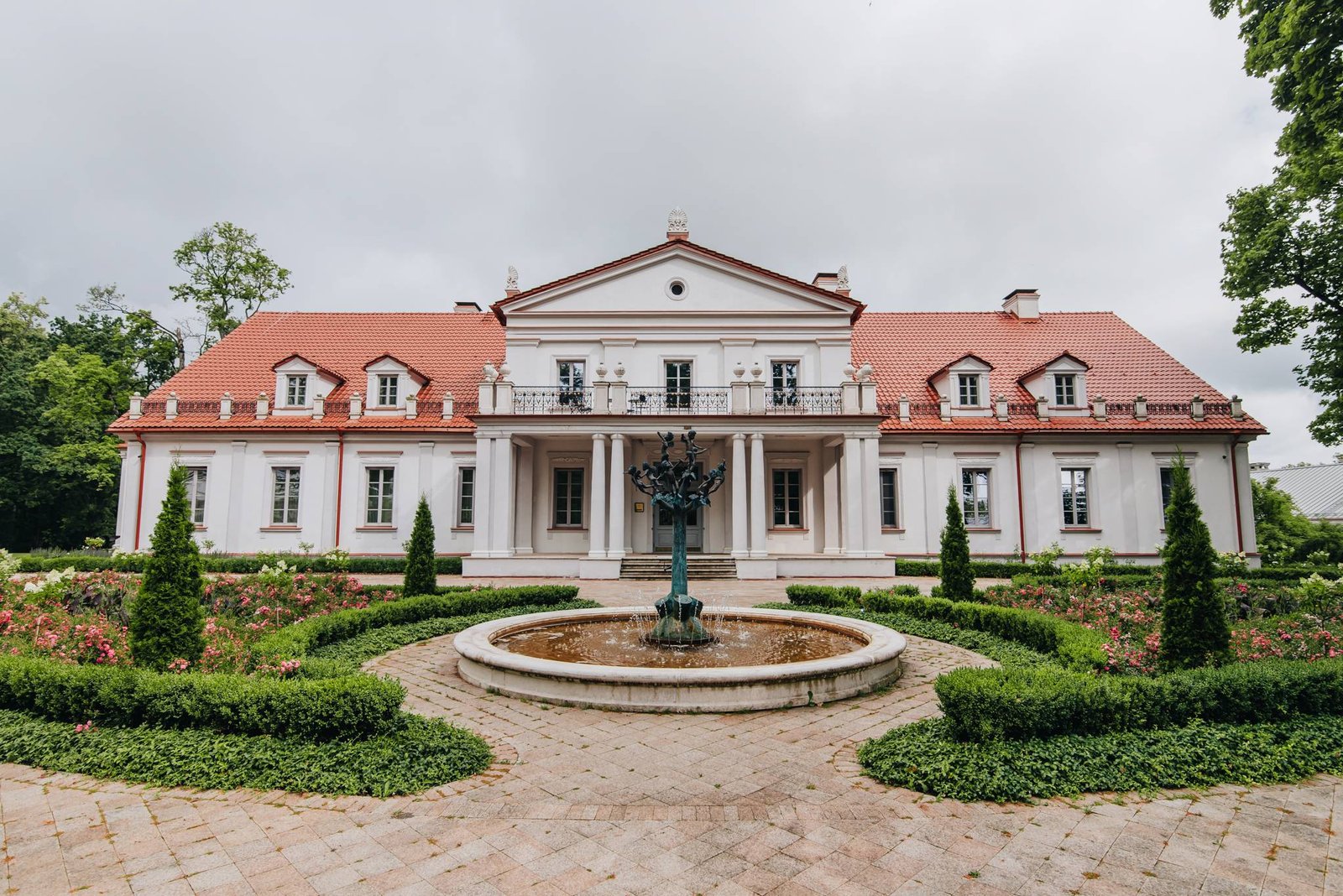
Barborlaukis Manor, Jonava District
Barborlaukis Manor is a historic site in Jonava district, which today comes alive in an entirely new way. It’s one of those places where you can not only learn about the past but also meet alpacas, pet rabbits, or visit the cozy manor shop. The manor buildings were constructed at the beginning of the 19th century. Later, prominent Lithuanians of the time—even President Antanas Smetona—visited here. Today, the whole area welcomes visitors and offers a variety of activities, ranging from independent walks to guided educational sessions.
↩︎ Back to list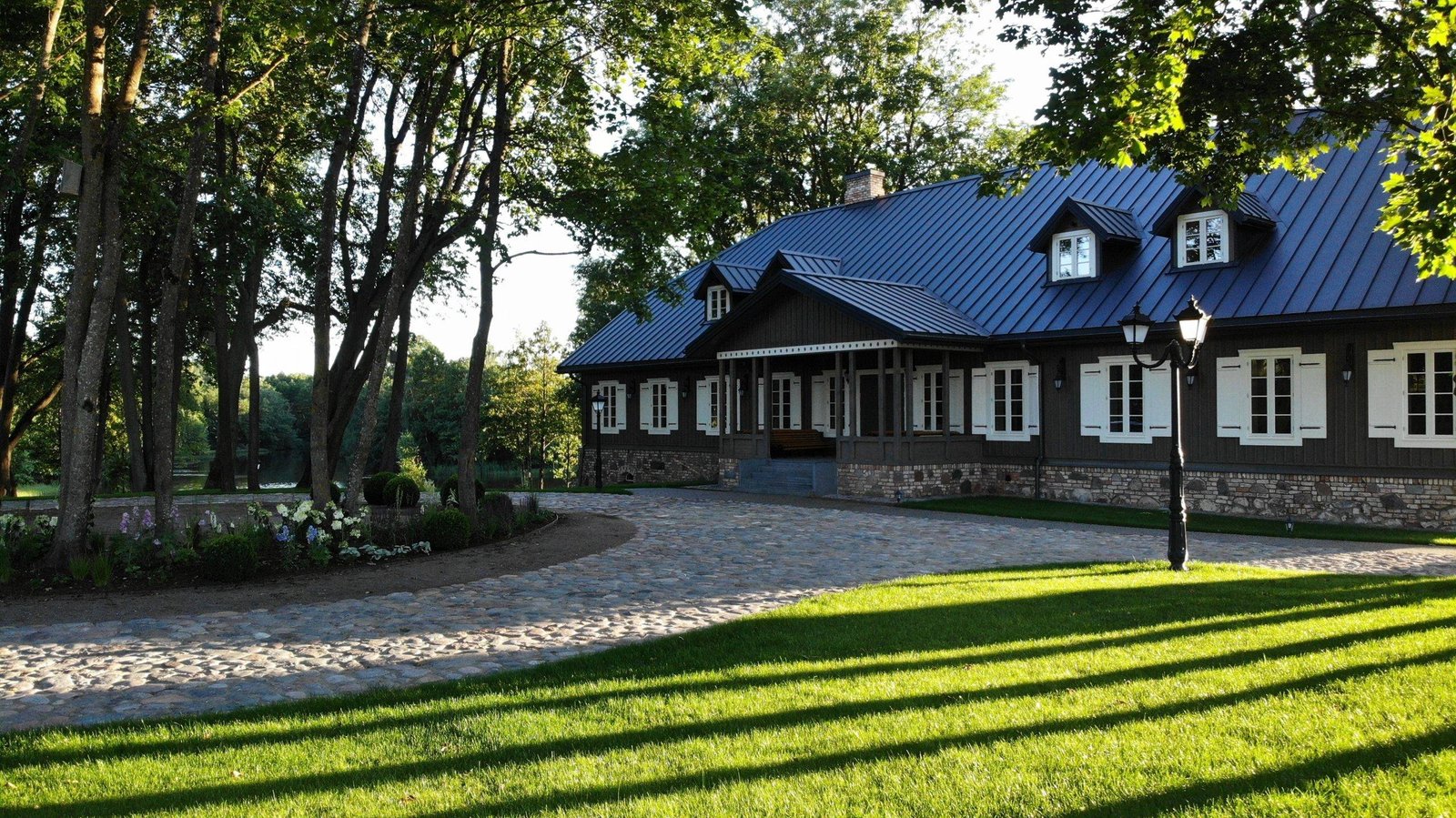
Jasiūnai Manor, Vilnius District
Jasiūnai Manor is located in Šalčininkai district, very close to Vilnius. The manor’s history dates back to the early 19th century, with the residence built around 1824. It is one of the best examples of classicism in Lithuania, having belonged to the famous Balinski and Sniadecki families—well-known scientists lived and worked here, including astronomer and mathematician Jonas Sniadecki.
Today, the manor is restored and houses the Balinski Manor Cultural Center. Exhibitions, concerts, and various cultural events are held inside. The grounds include a park with paths and the banks of the Merkys River—the territory is spacious enough to explore the entire manor grounds and walk to the river.
↩︎ Back to list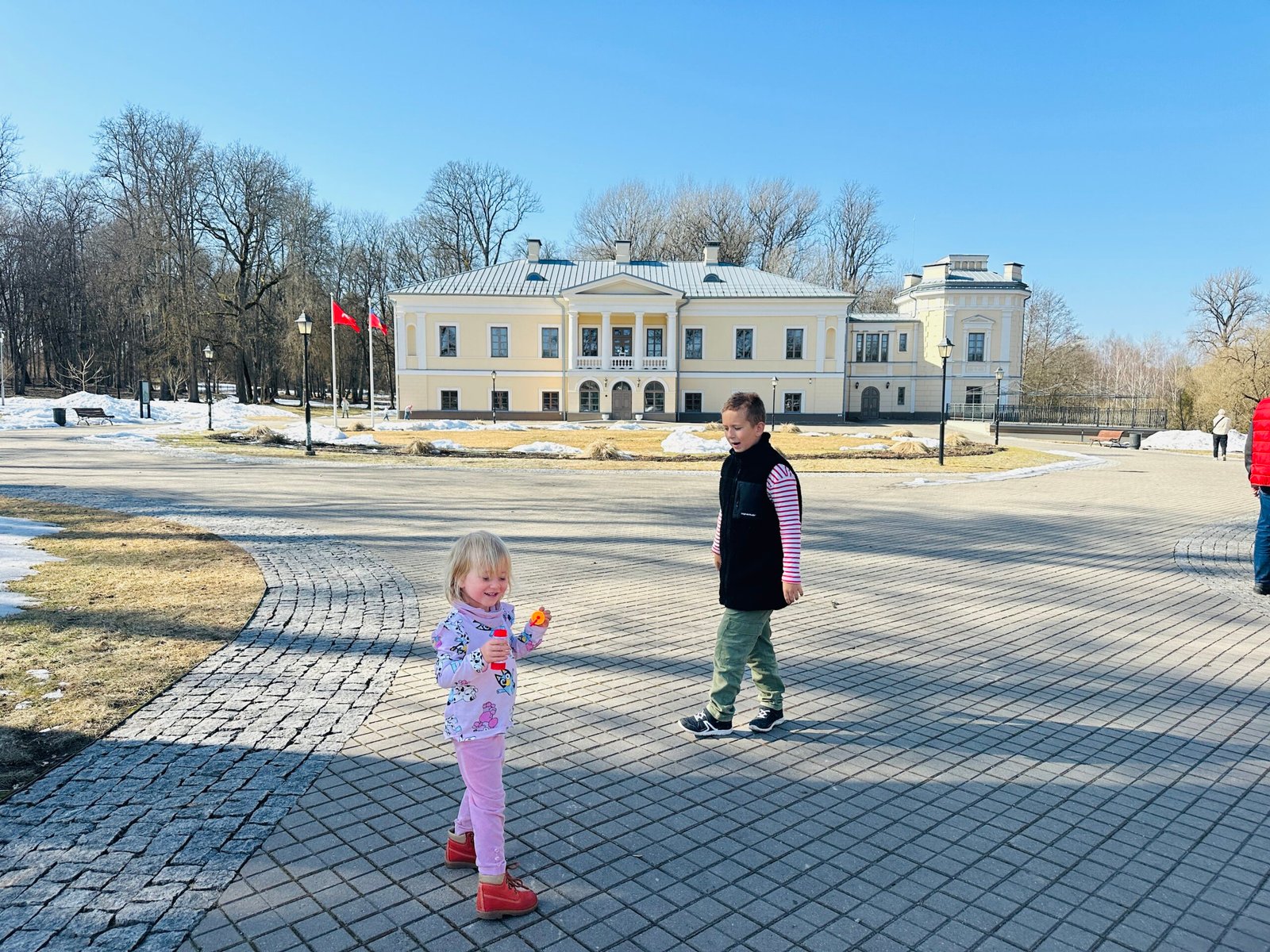
Kretinga Manor
Kretinga Manor, also known as the Tiškevičiai Manor, is located in the town of Kretinga. Its history dates back to the 19th century, and today it is one of the best-preserved and visitor-friendly manors in Lithuania. The grounds feature a museum, and the building has retained its authentic architecture.
The main attraction here is the impressive winter garden with exotic plants, which makes a strong impression on children. You can also stroll in the park, view exhibitions, and participate in educational activities.
↩︎ Back to listBurbiškis Manor, Radviliškis District
Burbiškis Manor in Radviliškis district has been known since the 16th century. Today, the manor stands out not only for its history but also for its exceptionally well-kept grounds and romantic park with bridges and water features.
The museum at Burbiškis Manor aims to recreate the past as accurately as possible and presents the old manor culture. As a result, visitors can explore exhibitions about the manor’s history, carriages, old technology, houseplants, and tulips. Moreover, the manor hosts the renowned “Tulip Blossom Festival” every spring, along with chamber concerts, exhibitions, and other events.
↩︎ Back to list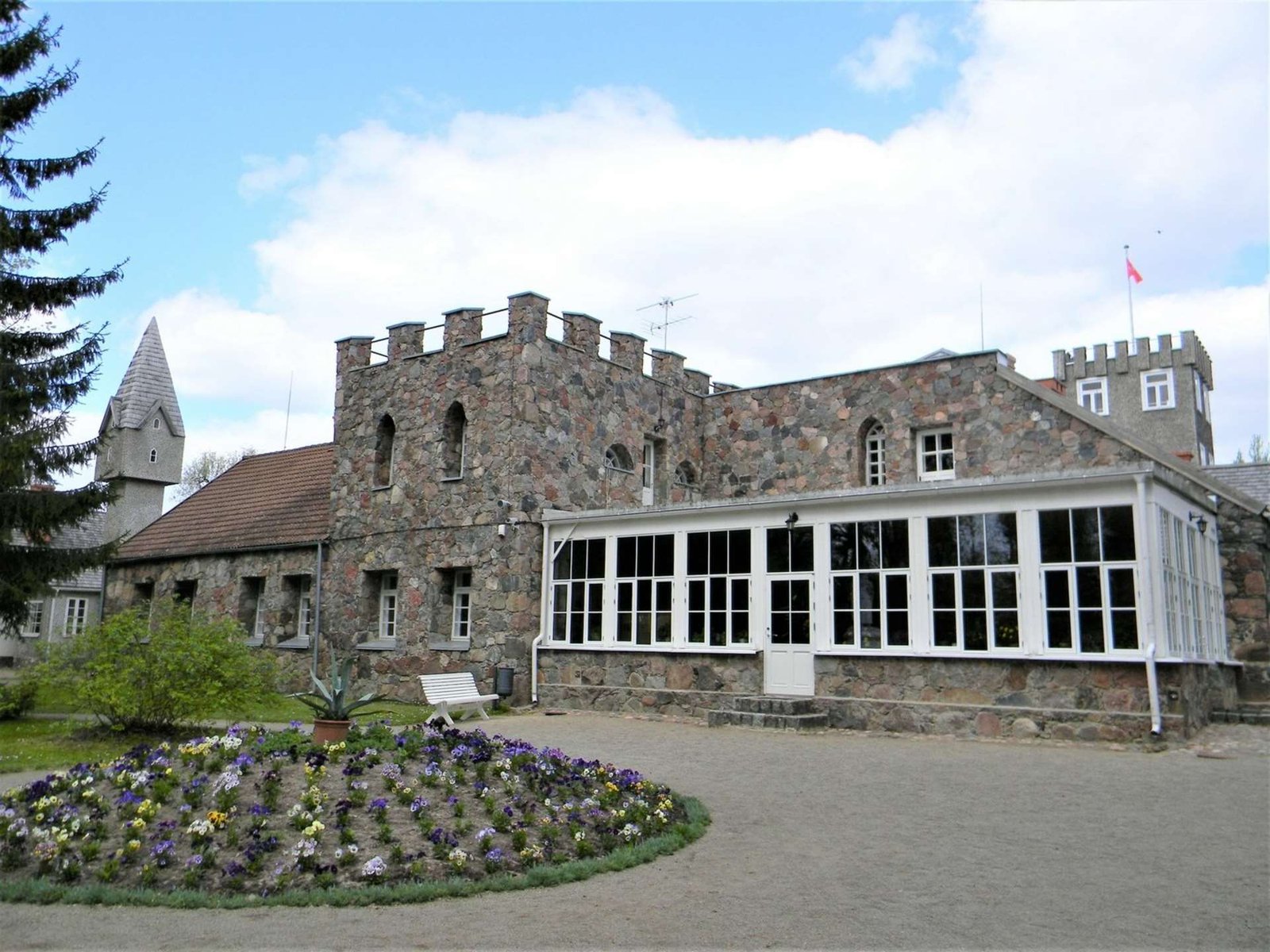
Palanga Manor
Palanga Manor, also known as the Tiškevičiai Palace, was built at the end of the 19th century and today houses the Amber Museum. It’s one of the most visited places on the coast, a must-see for almost every family visiting Palanga.
Much of the experience here happens not just in the palace itself, but around it. Birutė Park is one of the most beautiful in Lithuania, with old trees, ponds, bridges, sculptures, and Birutė Hill with its chapel. The park has paths, children’s playgrounds, and lots of space to explore.
↩︎ Back to list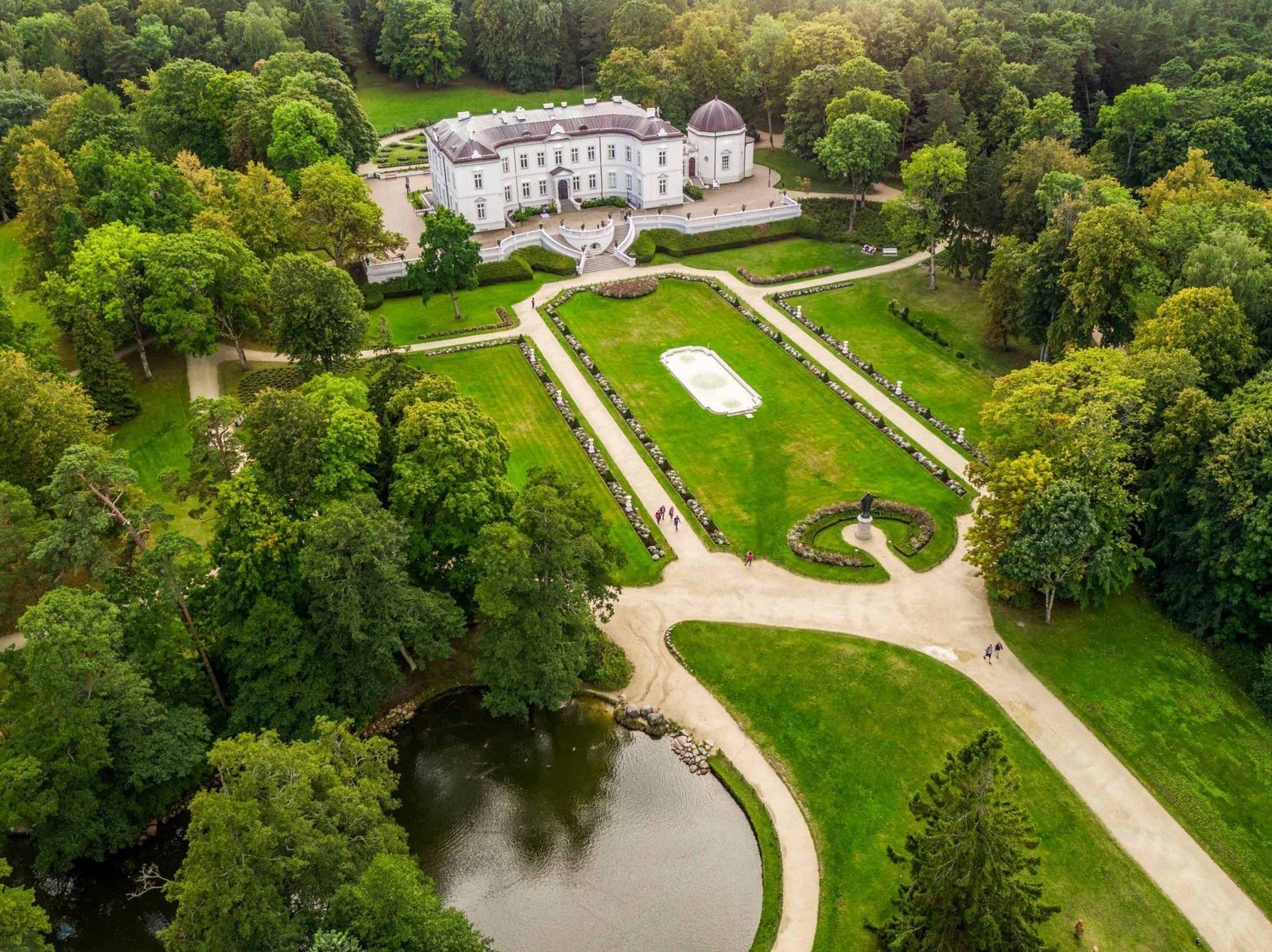
Raudondvaris Manor, Kaunas District
Builders constructed Raudondvaris Manor in the 17th century, and it immediately stands out for its red brick architecture. Today, the estate team has restored the manor and now uses it for various activities.
There’s a museum, as well as exhibitions, concerts, and festivals. The grounds include a park, an orangery, an arts incubator, paths, and public spaces—you can simply come and take a walk.
↩︎ Back to list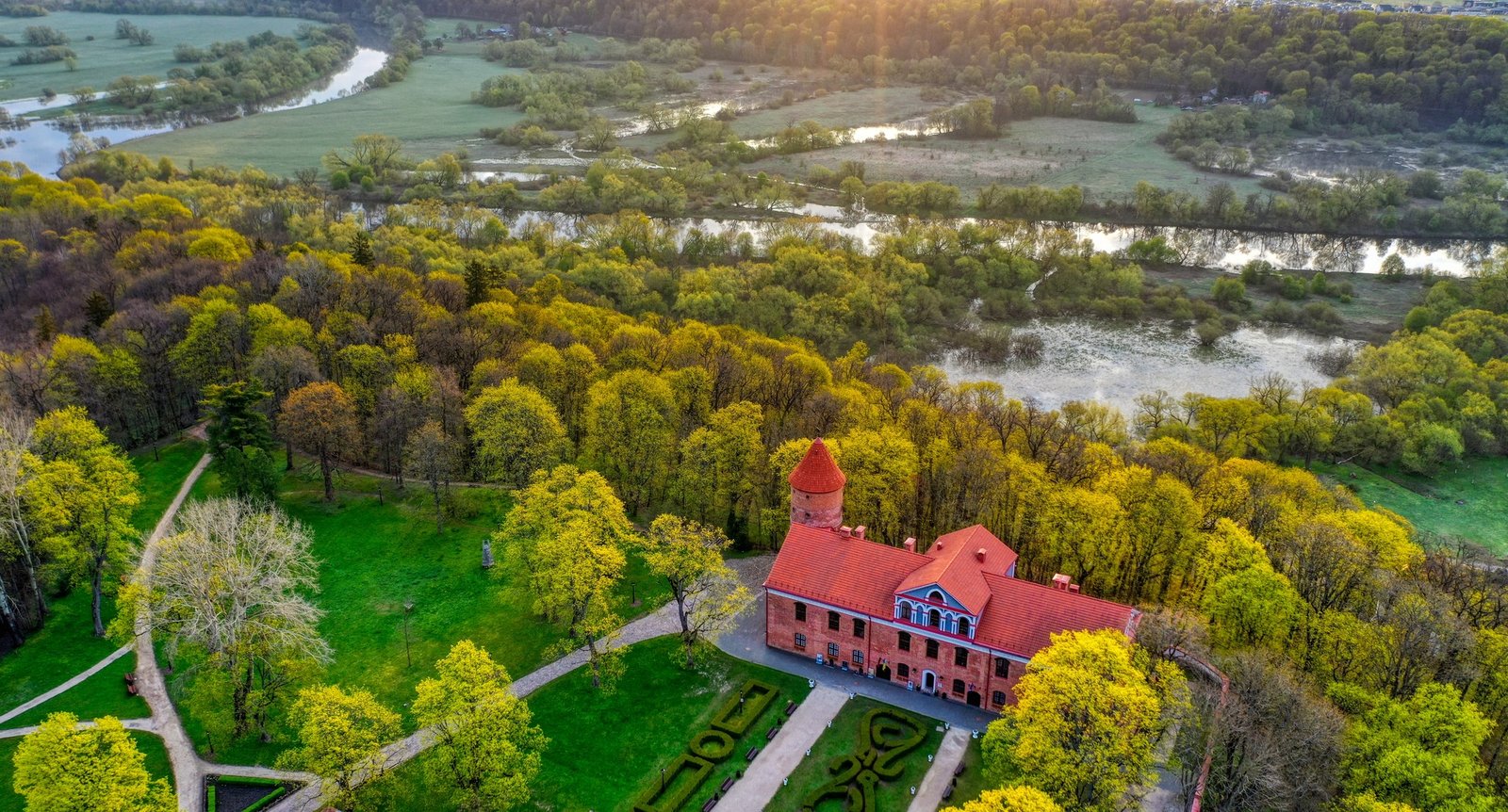
Verkiai Manor, Vilnius
Verkiai Manor is located in Vilnius, in the Verkiai Regional Park. It’s one of the most beautiful spots in the capital, where history and nature await you.
Around the manor, you’ll find meadows, forests, trails, and viewpoints overlooking the Neris River valley. From here, you can access educational routes leading to the river or deeper into the park.
↩︎ Back to list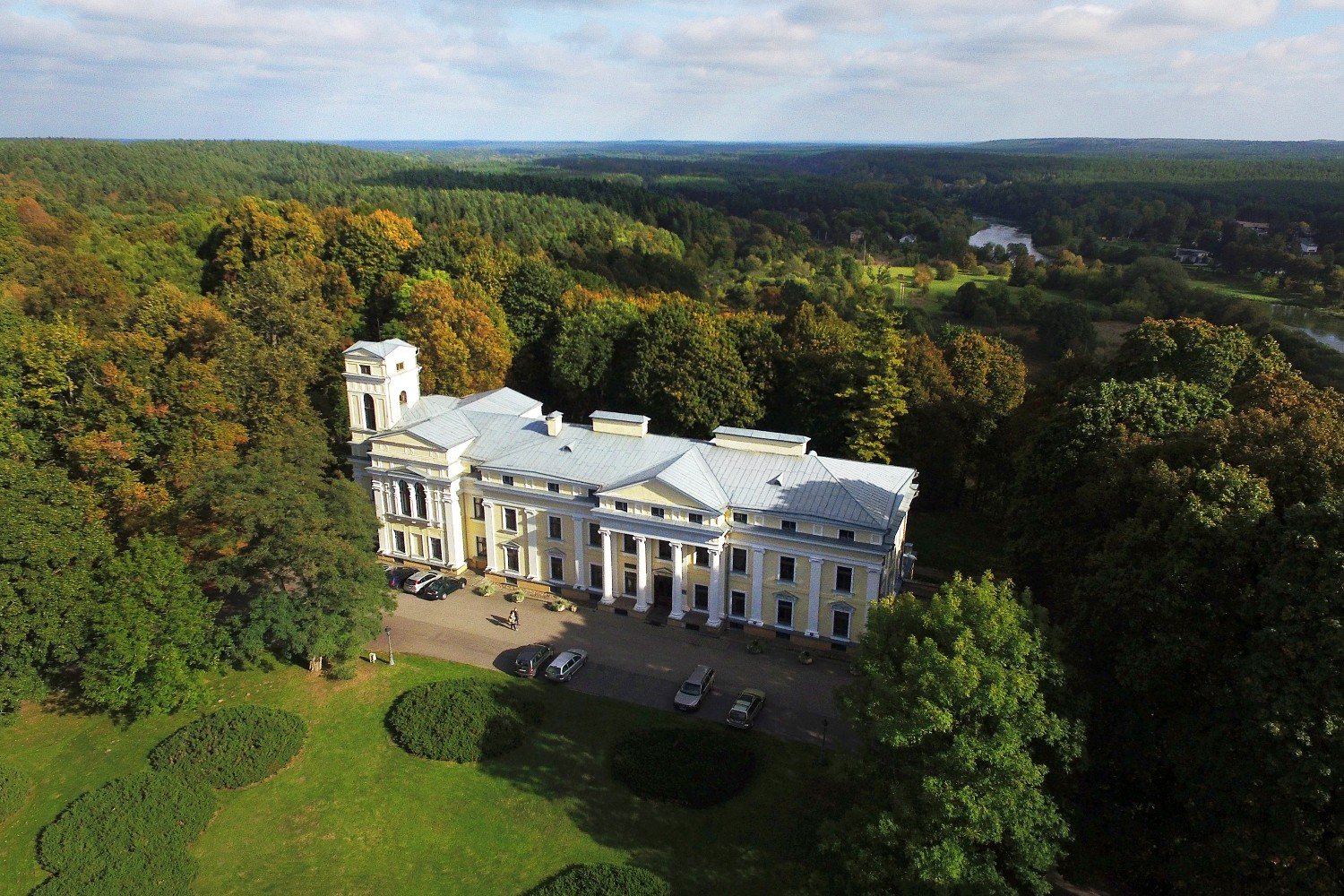
Butautai Manor, Biržai District
Historical sources mention Butautai Manor in the 19th century. Today, fragments and parts of the manor buildings still remain, giving a sense of the former layout.
Visitors can see the remains of former buildings, greenery, and open spaces. However, the manor does not offer full restoration or visitor adaptations like the major Lithuanian manors. Nevertheless, it is definitely worth a visit.
↩︎ Back to list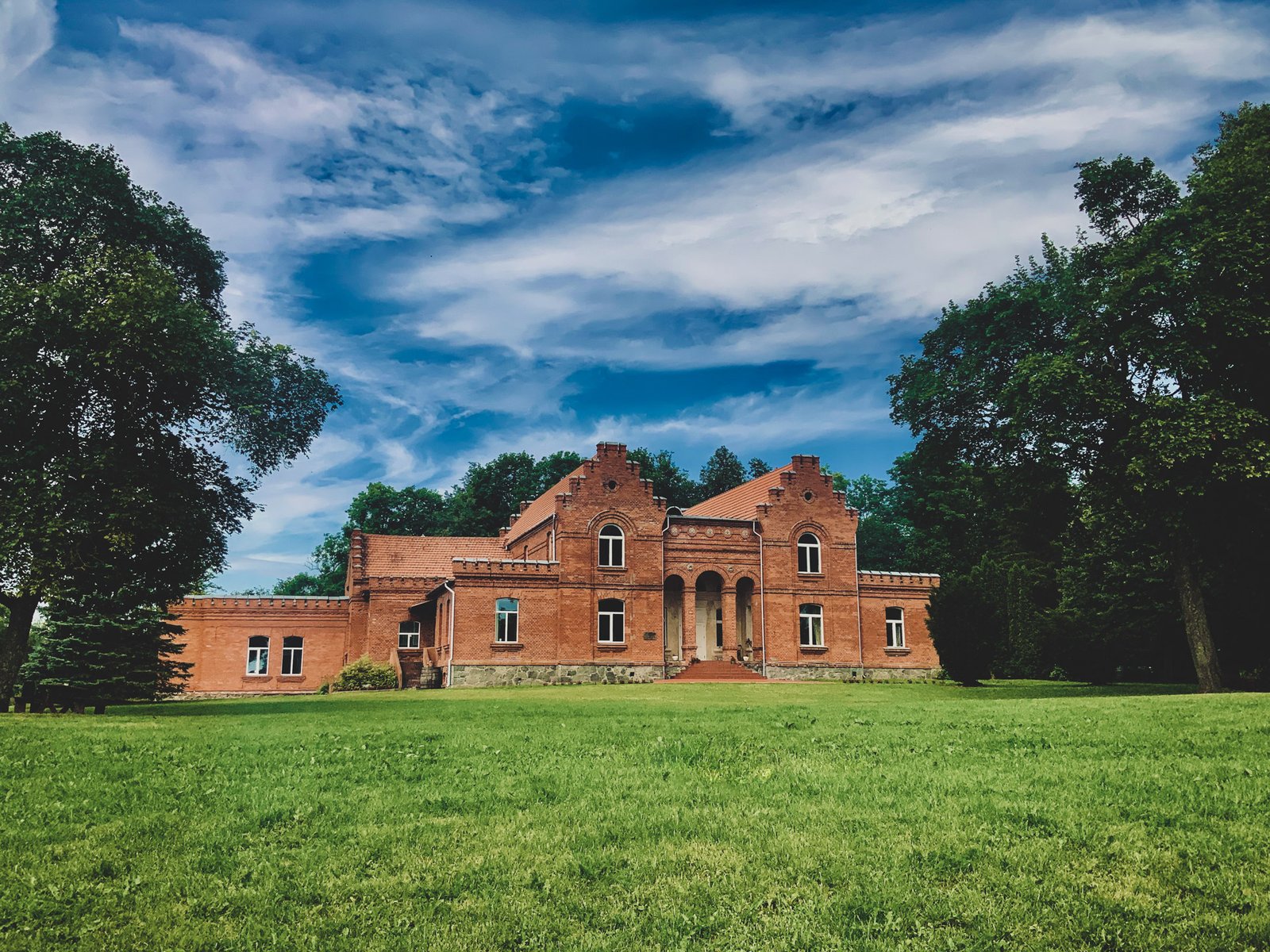
Astravas Manor, Biržai
The Astravas Manor estate in Biržai was built in the 19th century, near Lake Širvėna. The manor stands in an open area, so it’s immediately visible from afar.
One of the most memorable features is the long footbridge leading to the manor. Kids often cross it several times, stop to look at the water, or just run around. There’s a park, a waterfront, and plenty of open space around.
↩︎ Back to list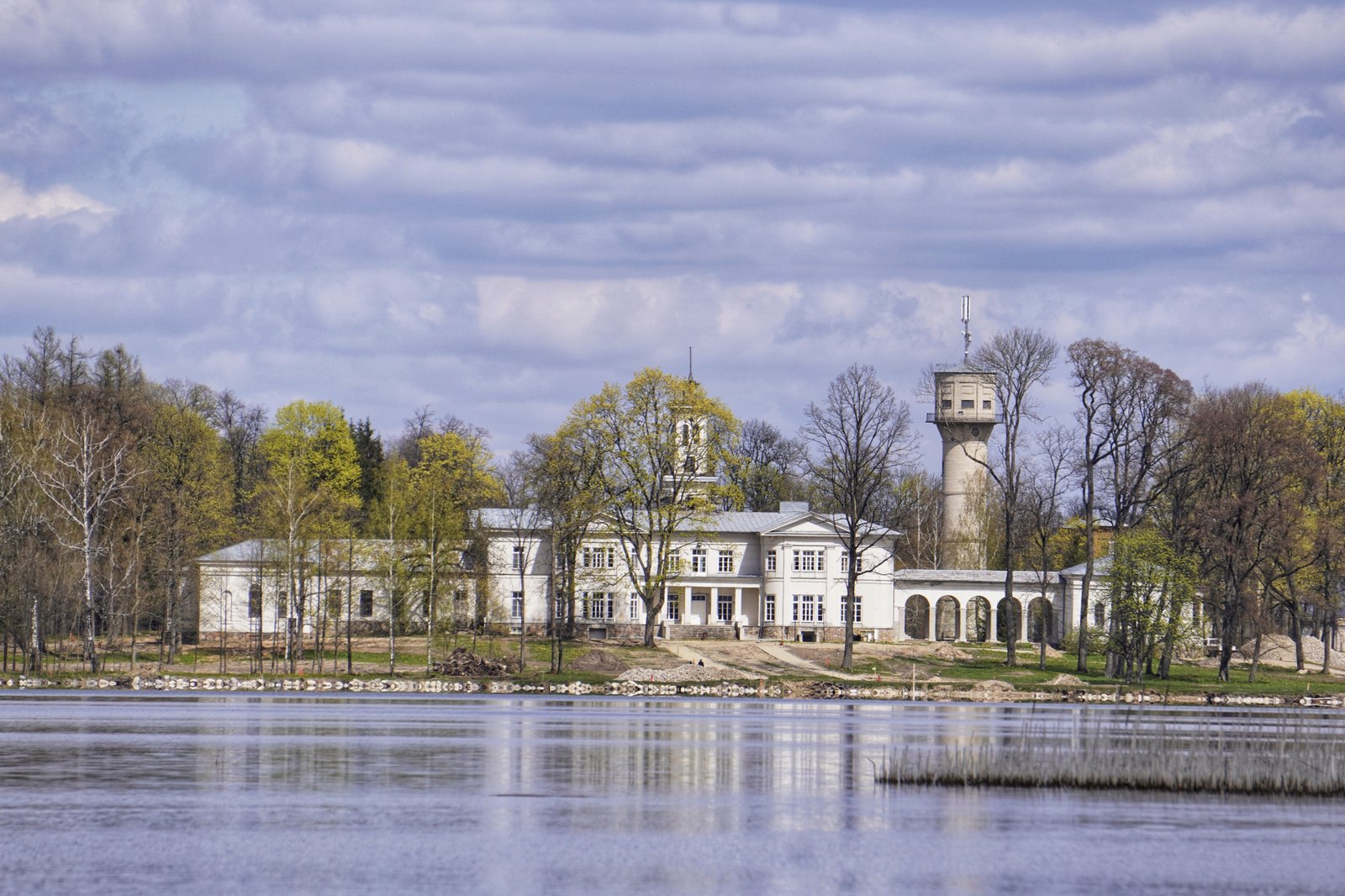
Kuršėnai Manor, Šiauliai District
Kuršėnai Manor is one of the most interesting in Lithuania, as it is the only surviving wooden manor that had fief rights. The current residence was built in 1811–1812, but the manor is mentioned in historical sources as early as the 16th century.
After restoration, the manor is open to visitors, and an ethnocultural and crafts center operates here. There are exhibitions, and one of the most unique activities is educational programs related to traditional crafts and the famous Kuršėnai roll cake. There is a park around the manor, paths leading to the Venta River, and nearby is one of the longest pedestrian bridges in Lithuania—about 262 meters long.
↩︎ Back to list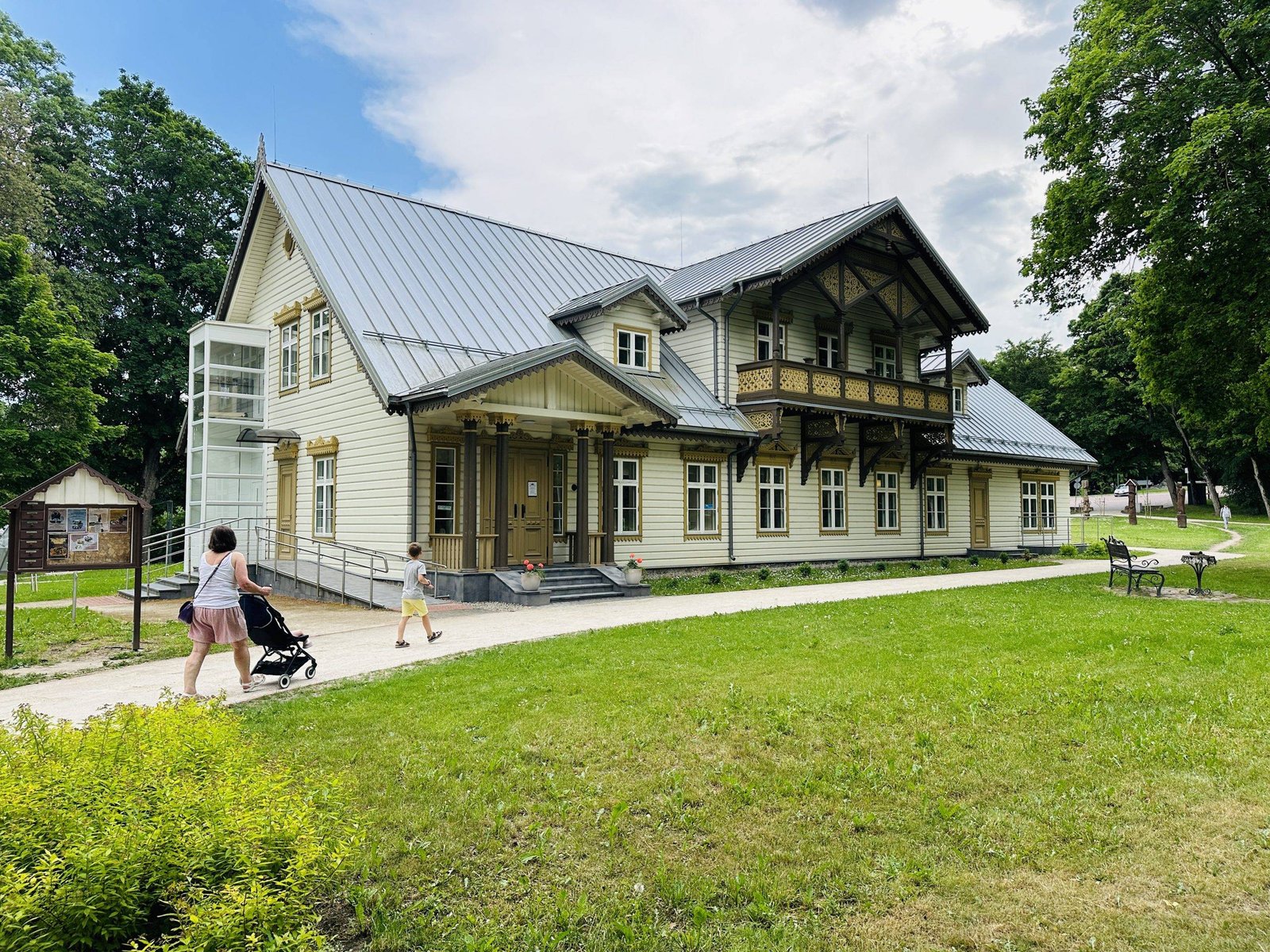
Pakiršinys Manor, Radviliškis District
Pakiršinys Manor has been known since the 19th century. Today, the residence and several elements of the estate still remain. Moreover, the grounds look tidy, with a park full of trees and walking paths. As a result, visitors often include the manor in a broader route around the Radviliškis region.
In addition, Pakiršinys Manor houses the Radviliškis District Municipality Ethnic Culture and Crafts Center. Here, craftsmen create their work, while the team organizes educational programs for children and hosts exhibitions. At the same time, they actively preserve and promote traditional crafts.
↩︎ Back to list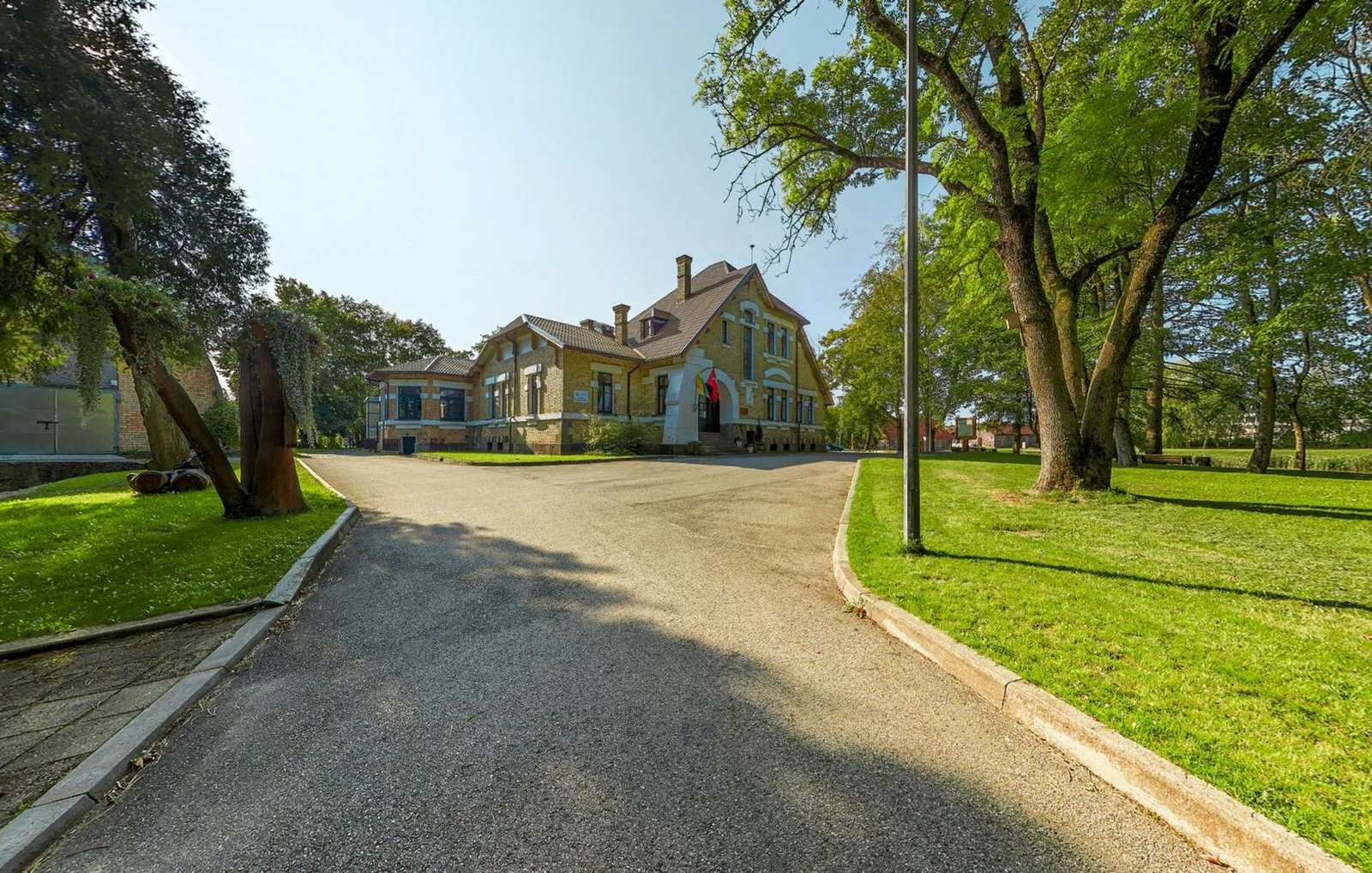
Rokiškis Manor
Rokiškis Manor was first mentioned as far back as 1499, but the current residence took shape in the early 19th century, built by the Tyzenhaus counts. The residence features mixed architecture—classicist at its core, with later neo-Renaissance and modern elements added. Today, it houses the Rokiškis Regional Museum, which preserves art collections, the counts’ household items, and even authentic clothing.
The manor grounds are large—farm buildings, a park, and events, concerts, and educational activities take place. It’s one of those manors with year-round activity, not just in the high season.
↩︎ Back to list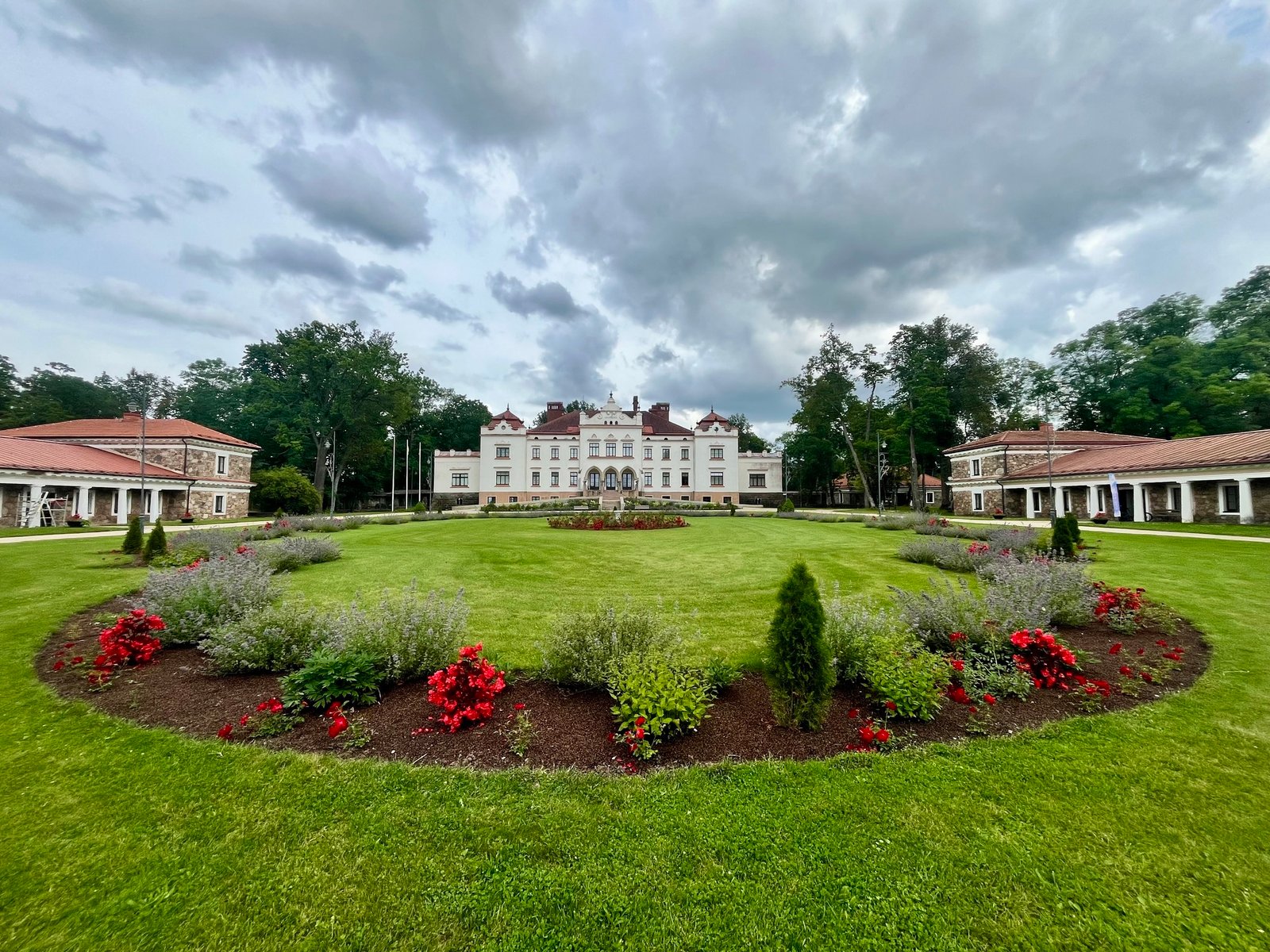
Trakų Vokė Manor
The Tyszkiewicz counts established Trakų Vokė Manor in the late 19th century. Architect Leonardo Marconi designed the palace, while the owners created the entire estate as a representative residence with a clear structure, including the palace, a chapel-mausoleum, farm buildings, and a park.
Moreover, the famous landscape architect Édouard André designed the park, so he did not plan the area randomly. Instead, he created arranged paths, open meadows, and carefully structured greenery. Today, the manor hosts various events, and visitors can explore the grounds and view the buildings from the outside.
↩︎ Back to list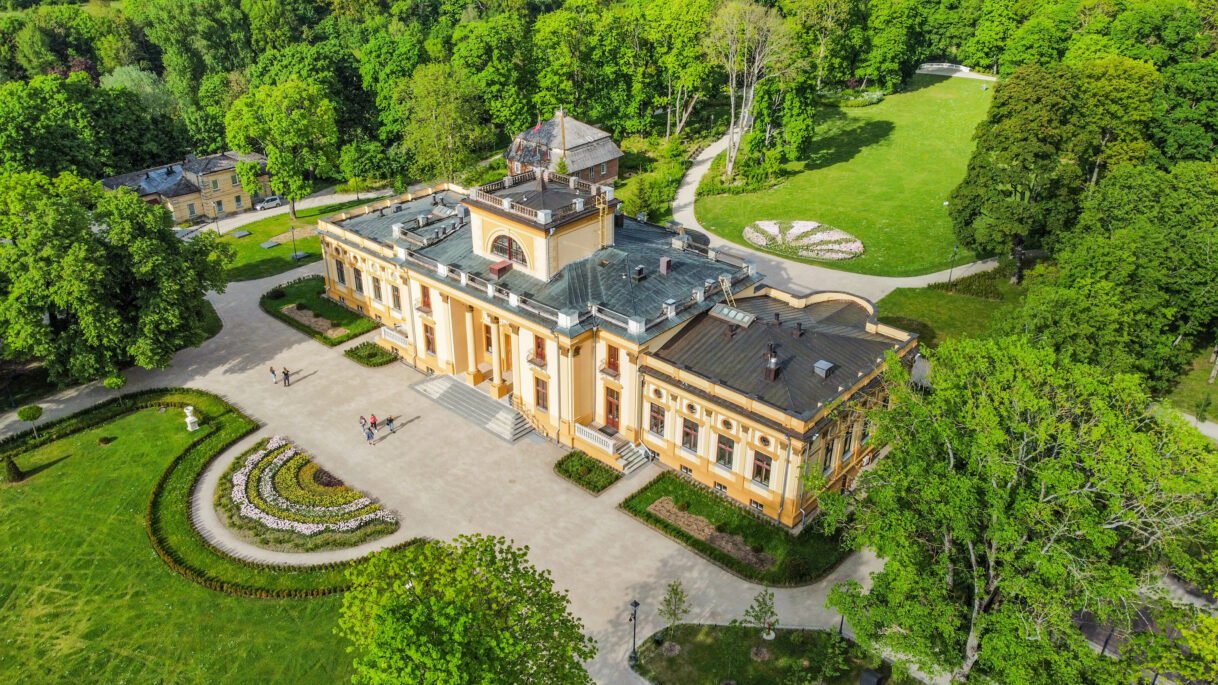
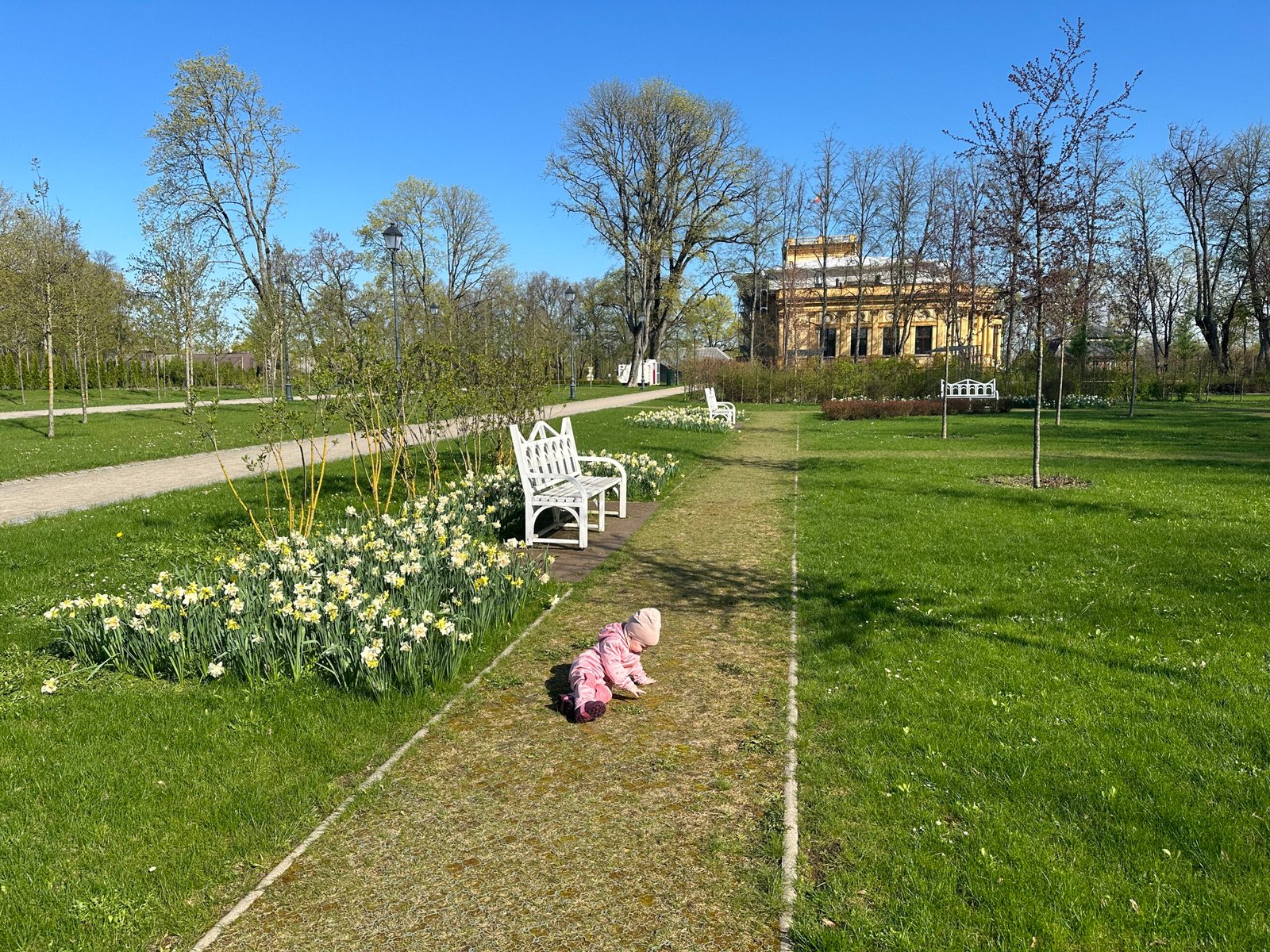
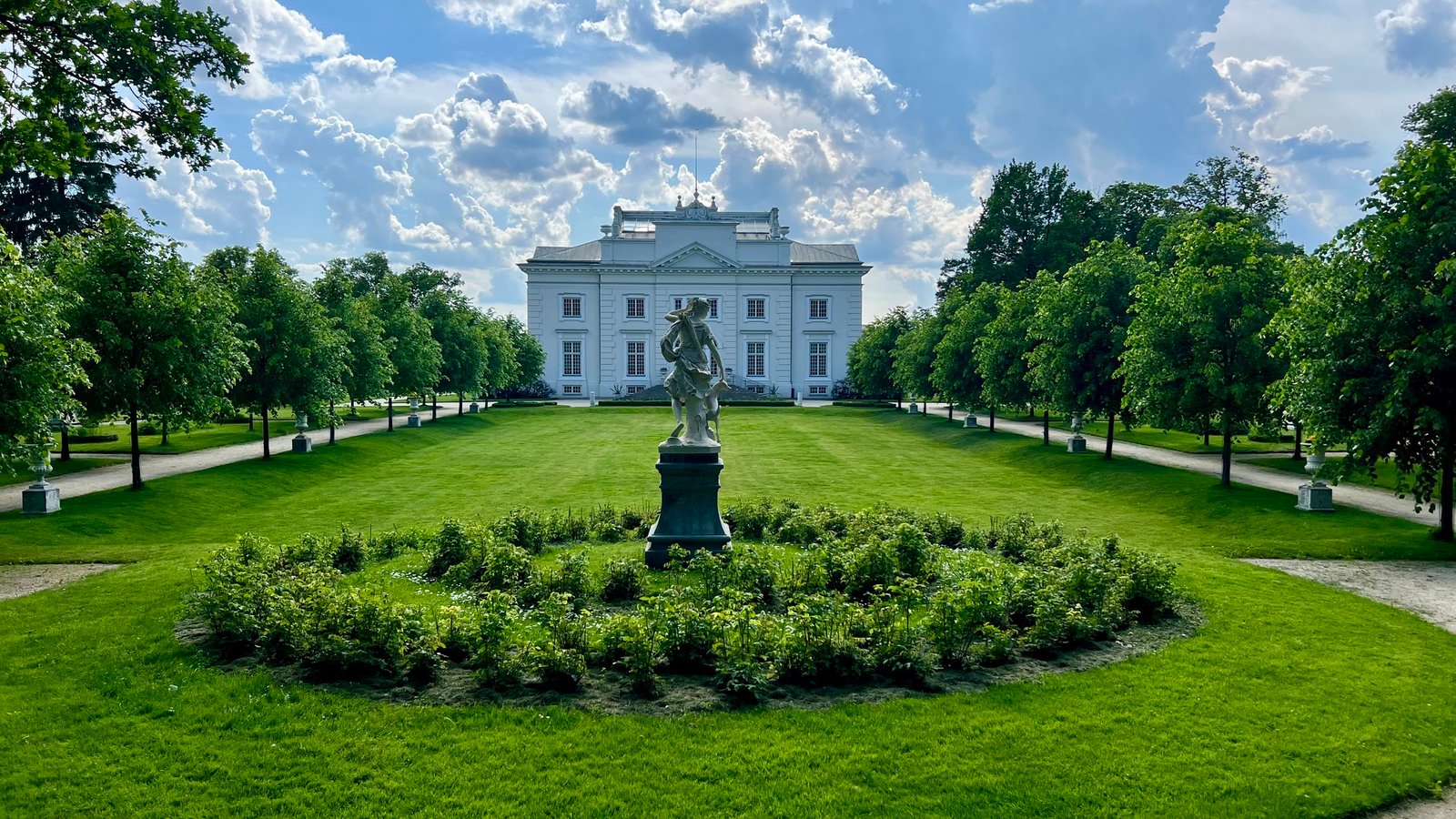
Užutrakis Manor, Trakai
The Tiškevičius counts built Užutrakis Manor at the end of the 19th century on the shore of Lake Galvė, opposite Trakai Castle. Today, it remains one of the most complete manor compositions in Lithuania.
The designers arranged the park in the French style, creating symmetrical spaces, terraces, sculptures, and paths. As a result, visitors can enjoy direct views of the lake and Trakai Castle from different spots. Moreover, the manor hosts exhibitions and concerts in the residence, attracting many visitors throughout the year. It is also a very popular place for walks, while the grounds regularly host various events.
↩︎ Back to list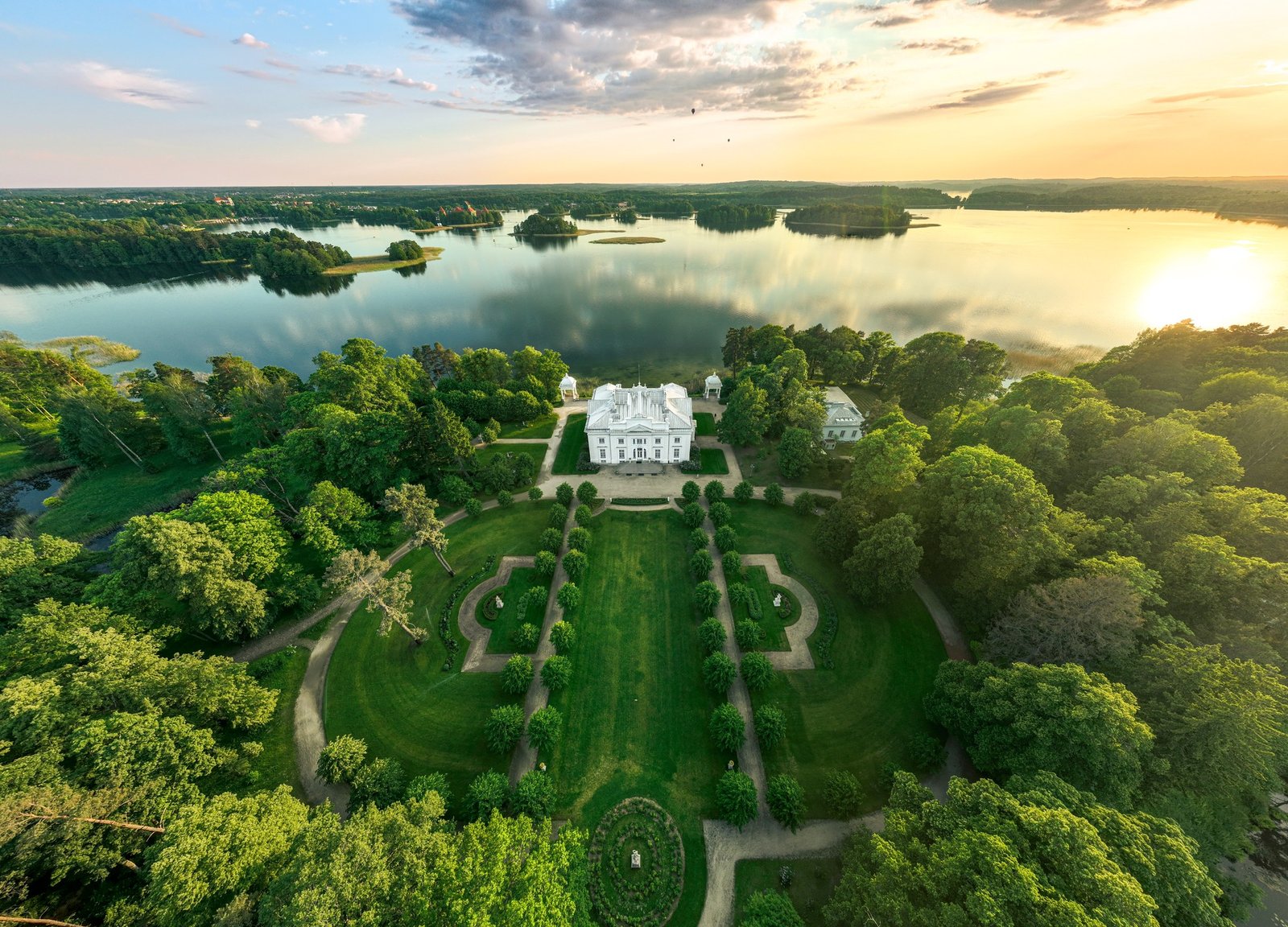
Žagarė Manor, Joniškis District
Žagarė Manor is one of the largest manor estates in Lithuania, formed in the 18th–19th centuries and today part of the Žagarė Regional Park.
The complex includes a residence, office, stables, other buildings, and a large park with old trees. Some buildings have been restored, and events and exhibitions are held, especially during the Žagarė Cherry Festival.
↩︎ Back to list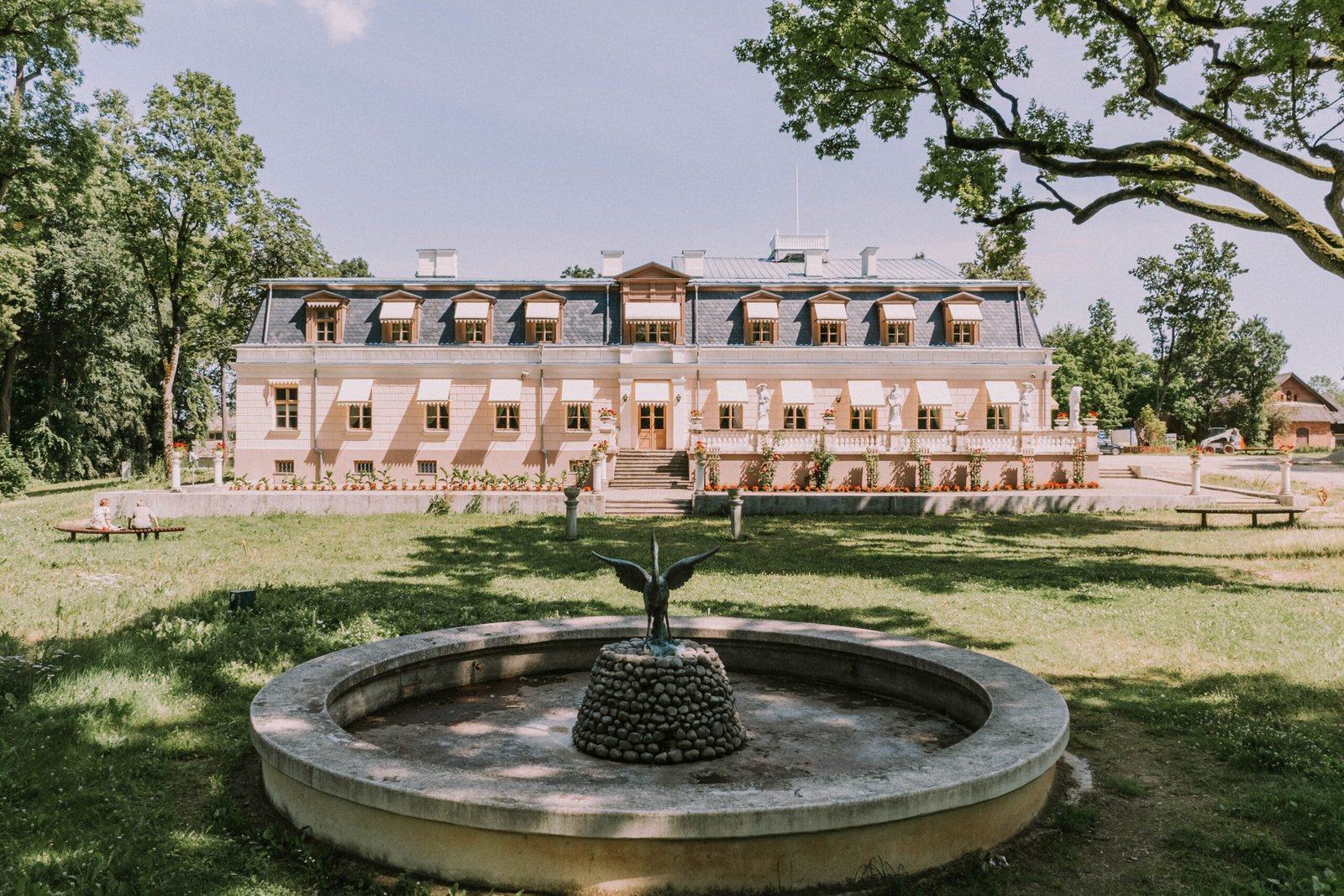
Salos Manor, Rokiškis District
Salos Manor was started in the 18th century in Rokiškis district. Its distinctive feature is its location on an island, surrounded by bodies of water.
The manor belonged to the Radziwiłł family, later changed owners, and during the interwar period operated as a school. The building has survived and is still used for events and cultural activities. The grounds are accessed via a bridge and are surrounded by lakes, meadows, and a manor park.
↩︎ Back to list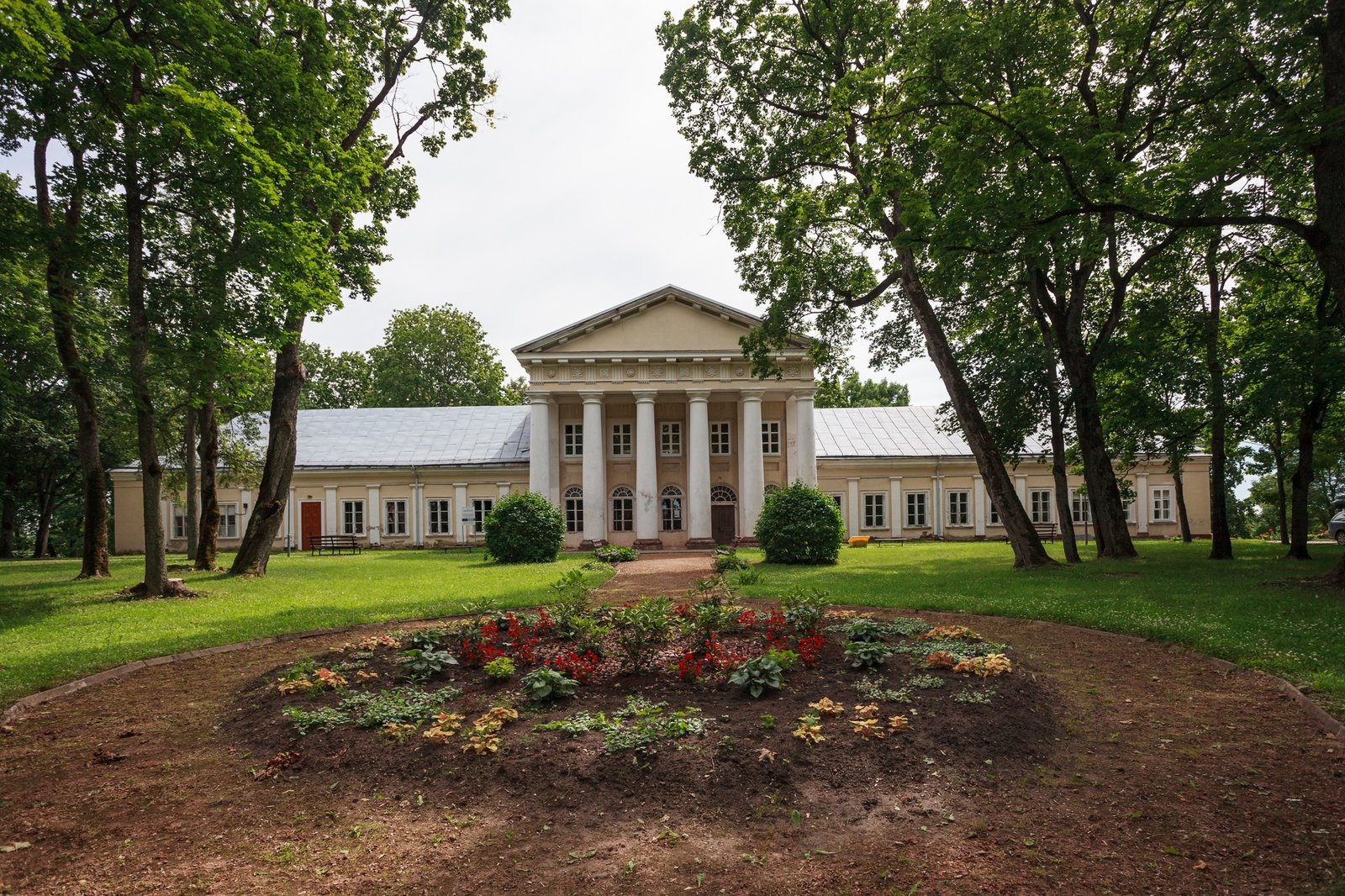
Gelgaudiškis Manor, Šakiai District
Gelgaudiškis Manor stands in Šakiai district, on the banks of the Nemunas River. It’s one of the largest and most original manor ensembles in Lithuania, formed in the 19th century.
The ensemble includes not only the residence but also many other buildings, such as an orangery, granaries, an office, servants’ quarters, and a park. The entire grounds are large and set in a natural landscape.
The manor has been restored, and tours and events are held here. Moreover, the park with its paths allows visitors to see the entire grounds from different sides, including views of the Nemunas valley.
↩︎ Back to list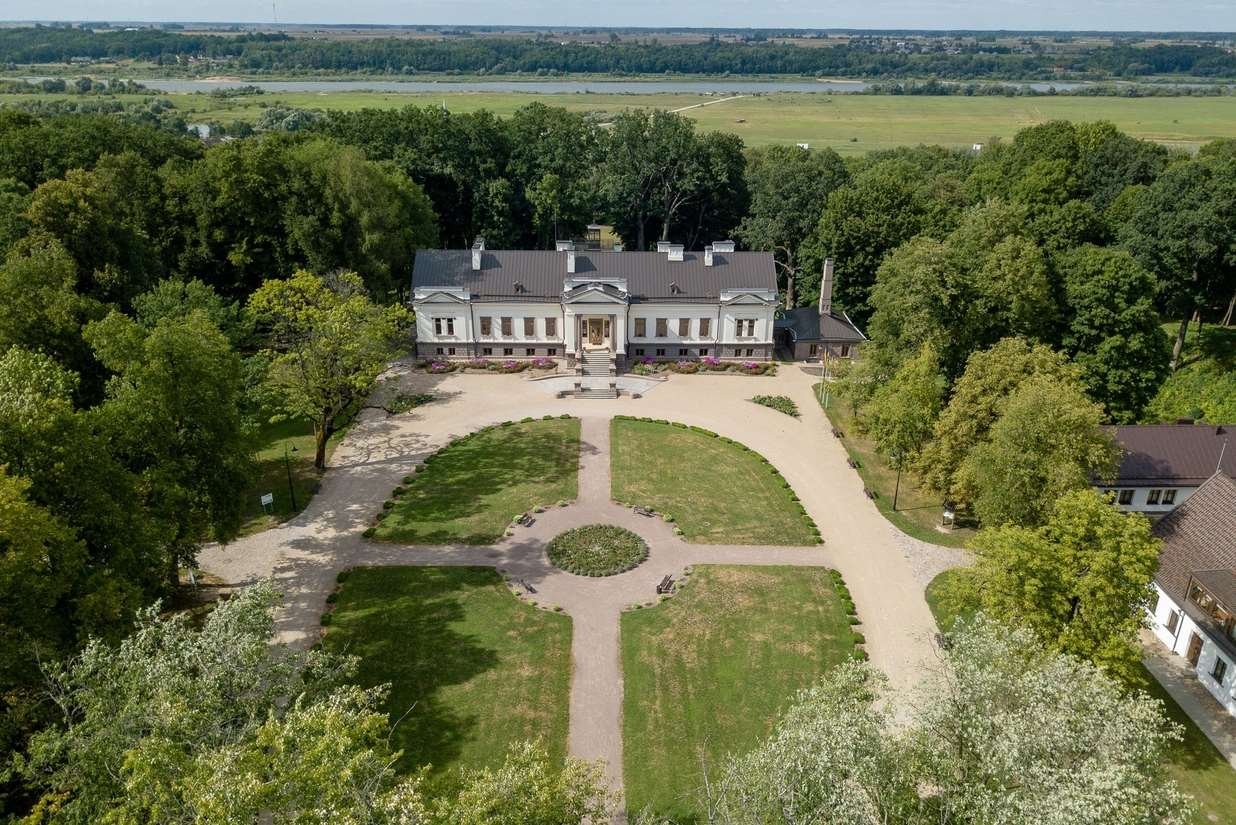
Paežeriai Manor, Vilkaviškis District
The owners began developing Paežeriai Manor in the 16th–17th centuries. Later, architect Martynas Knakfusas designed the current residence at the end of the 18th century.
The ensemble includes not only the residence but also farm buildings—stables, a distillery, and warehouses. The Belvedere Tower stands nearby. The manor is located by a lake, and the grounds include a park, shoreline, and paths.
↩︎ Back to list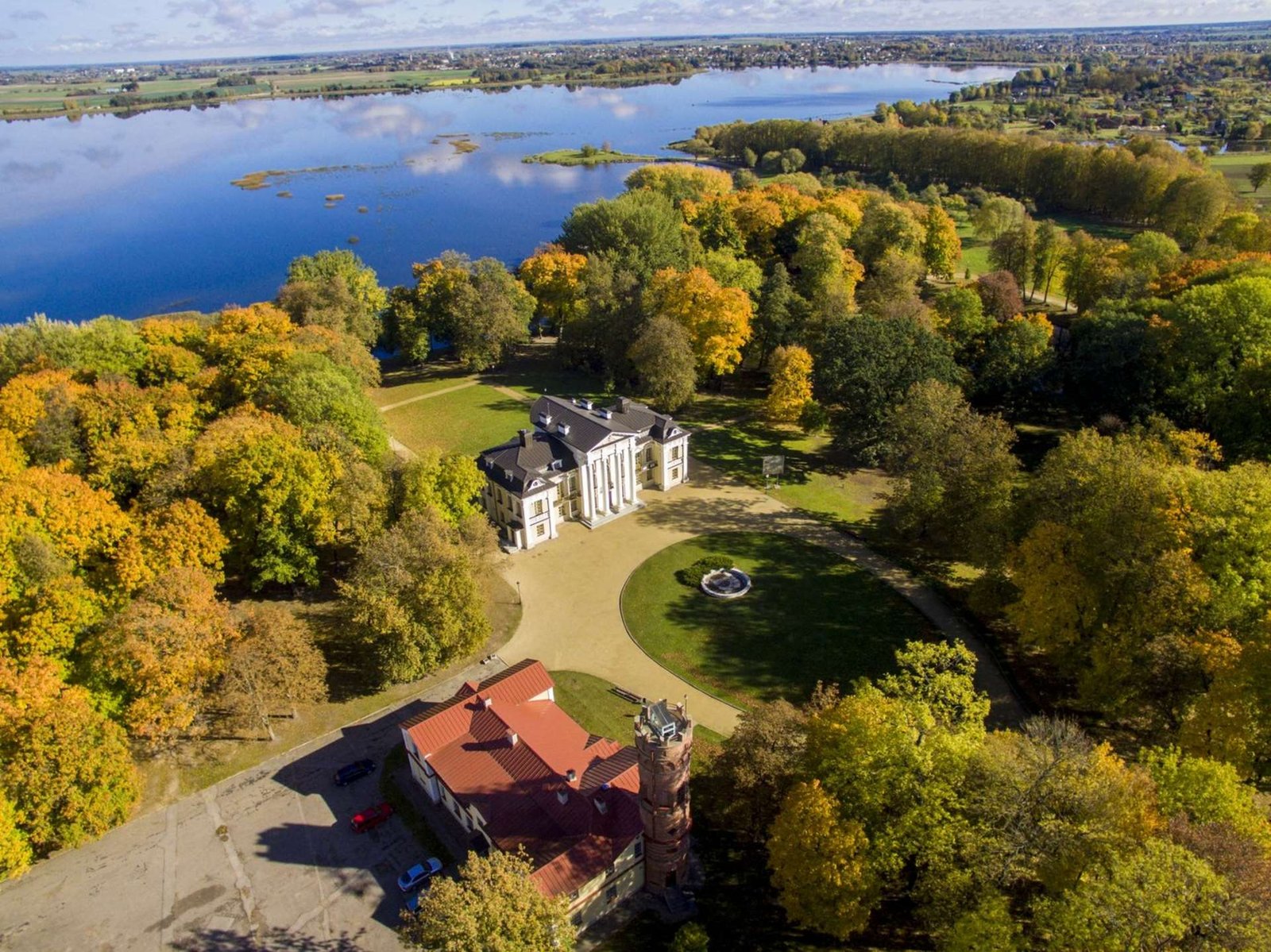
Pakėvis Manor, Kelmė District
Pakėvis Manor has been mentioned since the 17th century. In the 19th century, the well-known ethnographer Liudvikas Adomas Jucevičius was born here.
The manor grounds cover about 40 hectares, with the residence, granary, stables, and farm buildings. During the Soviet era, the buildings were used for a school and farming needs. Subsequently, reconstruction began. Today, the manor serves tourism needs, as it offers accommodation and hosts various events.
↩︎ Back to list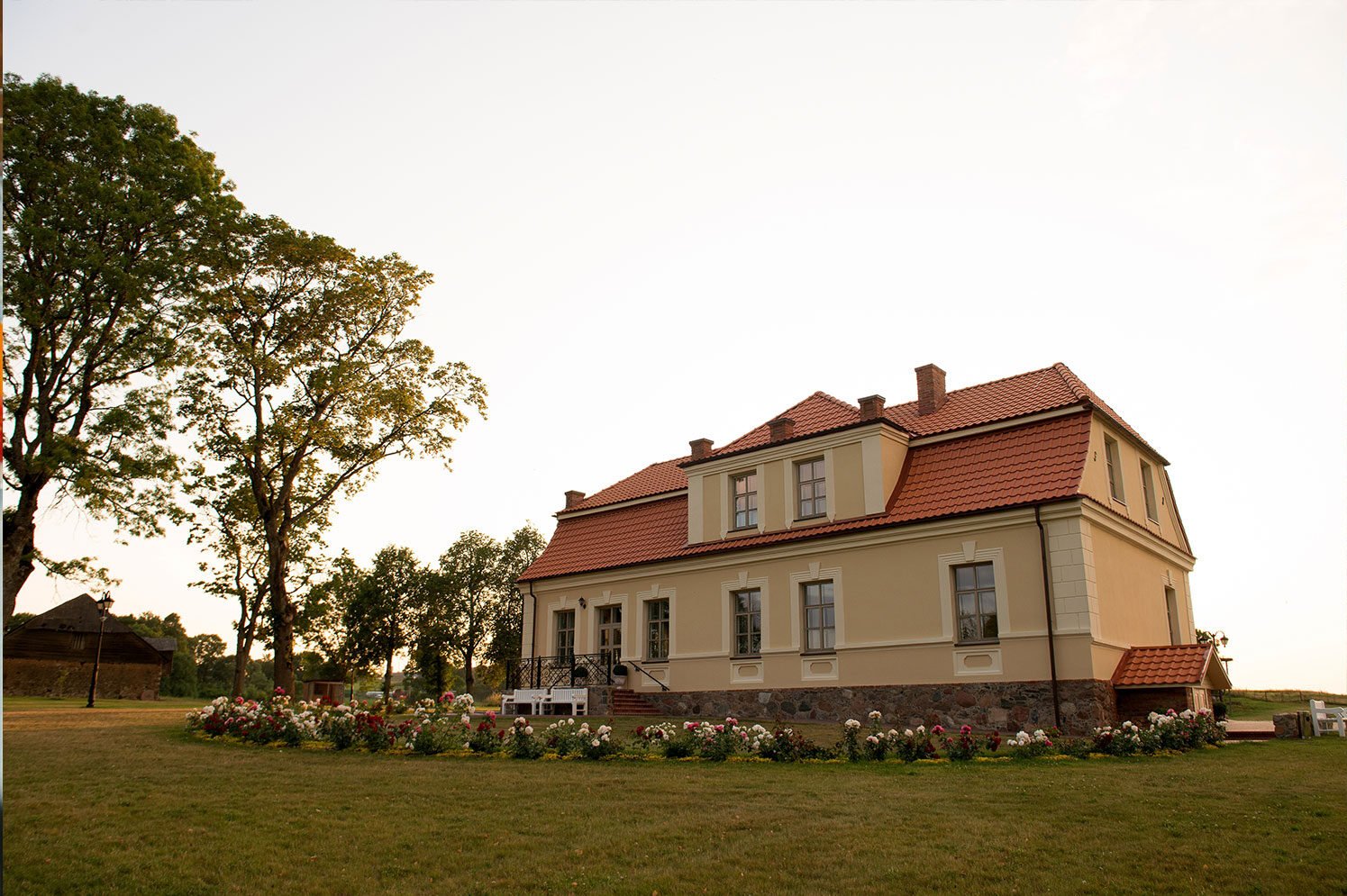
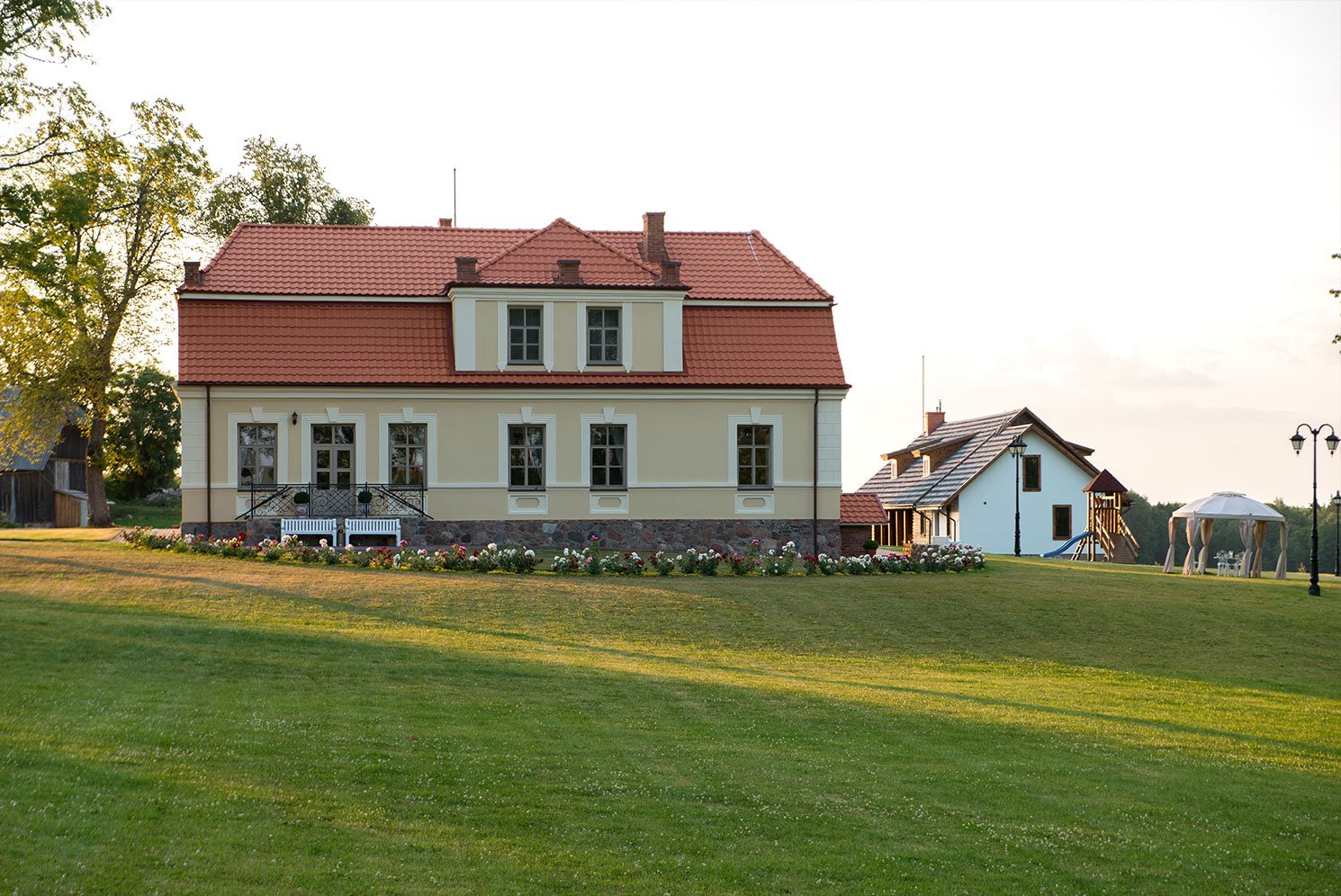
Palėvenė (Komarai) Manor, Kupiškis District
The Komarai family developed Palėvenė Manor in the 18th–19th centuries. Today, the estate still retains its residence, several farm buildings, and the original park layout. Moreover, visitors can explore the old manor composition, including the main building and its surrounding area. As a result, the manor attracts visitors as an important cultural heritage site.
↩︎ Back to list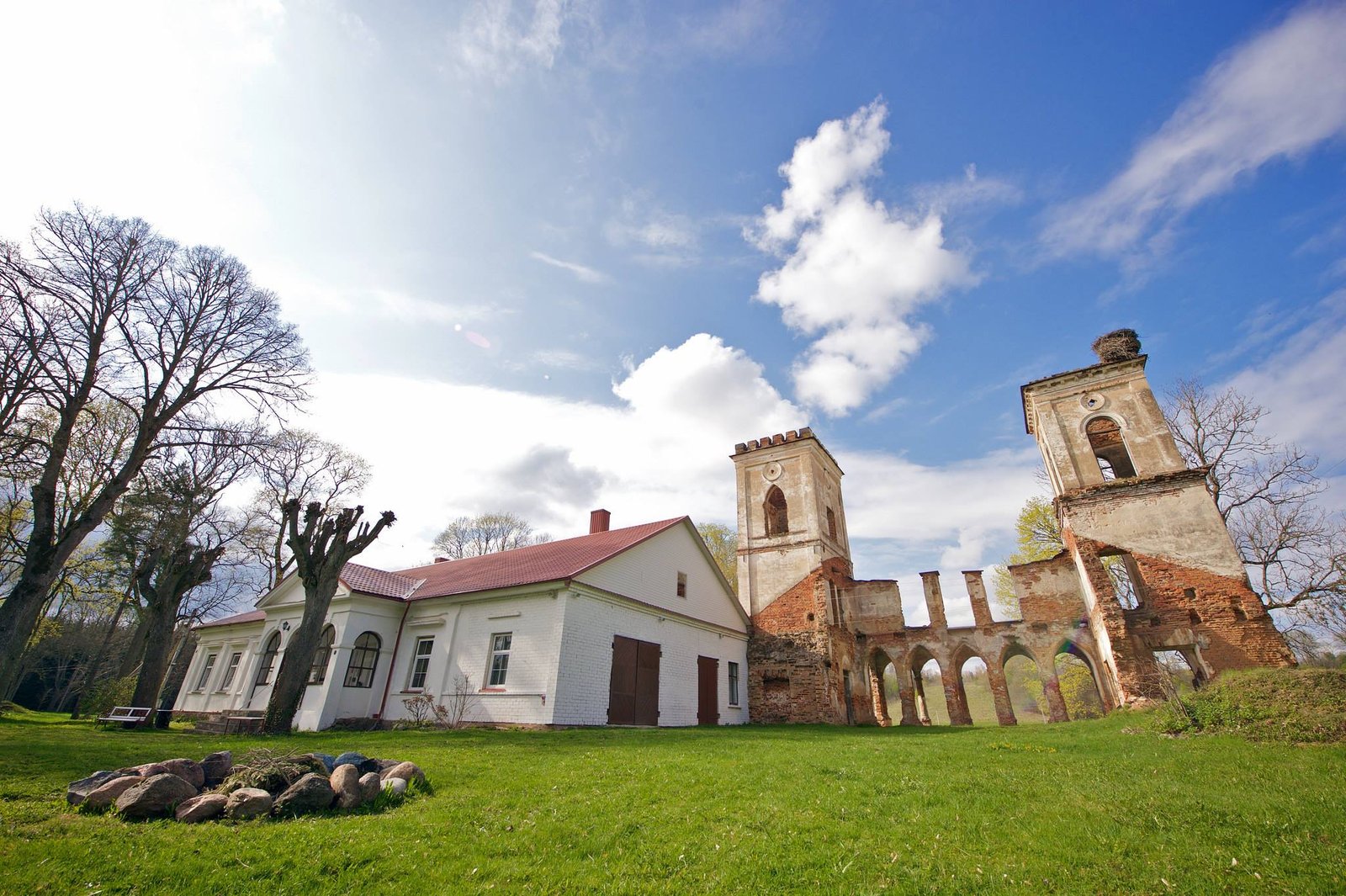
Zypliai Manor, Šakiai District
Zypliai Manor in Šakiai district began forming in the 19th century and belonged to the Tiškevičius family. Today, it’s one of the most active manors in Lithuania. The residence and office continuously host exhibitions, folk art presentations, and fairs. The grounds house craft workshops where you can see masters at work.
Moreover, the manor’s space is also used for larger events such as festivals and celebrations, so it often changes depending on the season.
↩︎ Back to list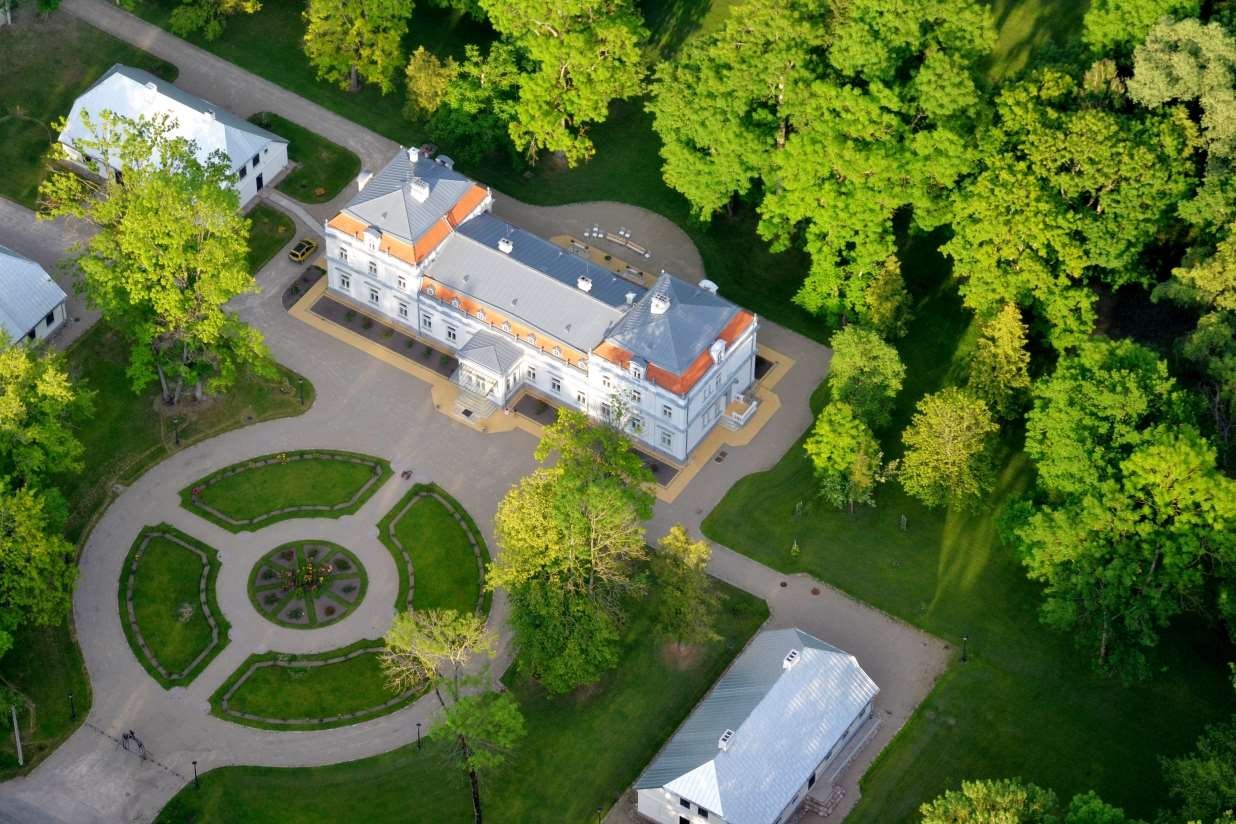
Renavas Manor, Mažeikiai District
Renavas Manor in Mažeikiai district was formed in the 19th century. Initially, the residence was built in a classical style and was later remodeled.
The manor park is considered one of the most valuable in Lithuania. It features old trees, preserved paths, and landscape elements. Inside, the residence houses exhibitions and cultural events.
↩︎ Back to list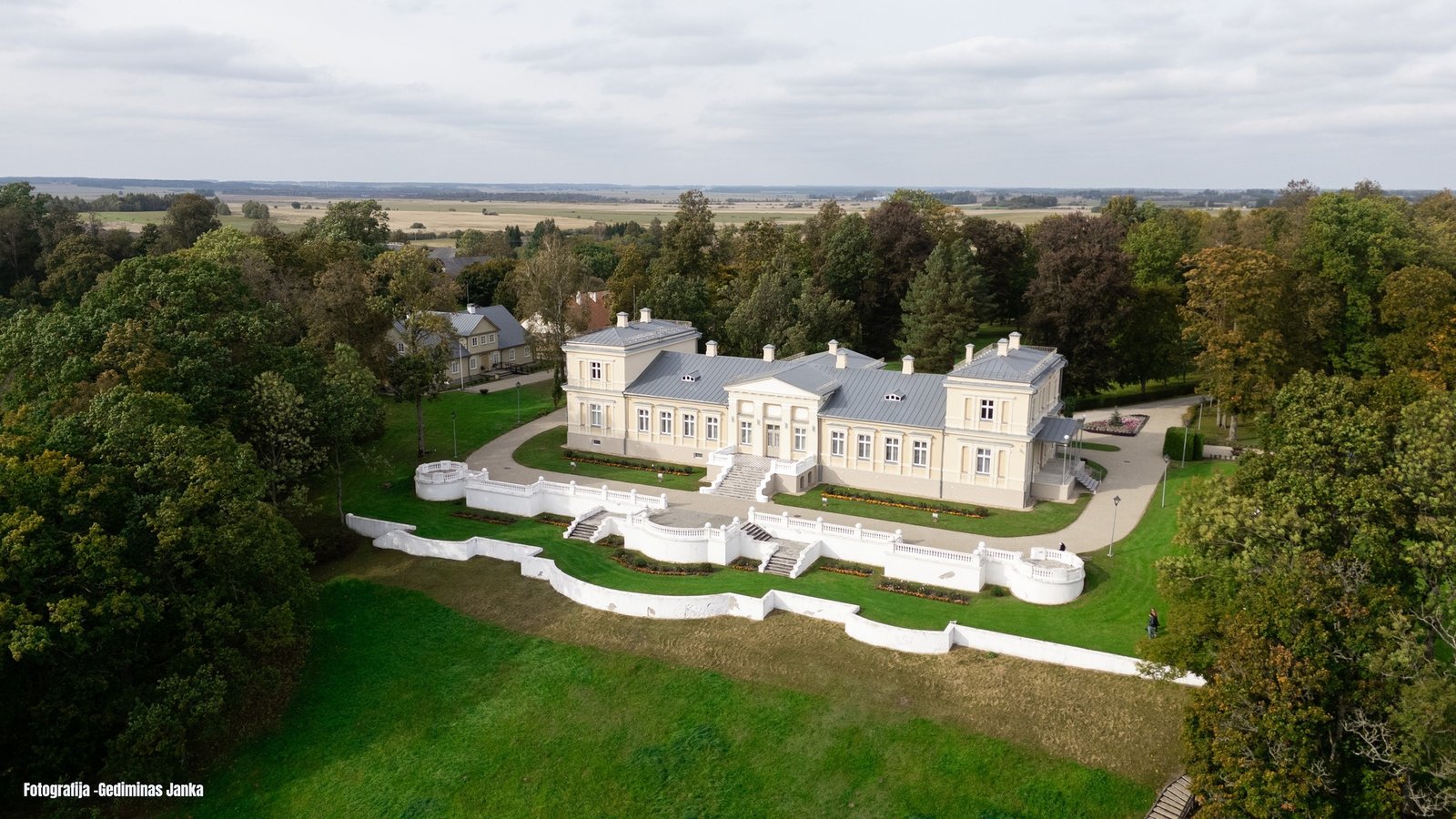
Adomynė Manor, Kupiškis District
Adomynė Manor is one of the few surviving wooden manors in Lithuania, dating back to the 19th century. Moreover, what makes it especially unique is that it preserves not only its architecture, but also its culinary heritage.
In addition to its historical value, the manor also offers educational programs. There, visitors can take part in traditional baking, such as buns, and, at the same time, discover old recipes and household traditions.
↩︎ Back to list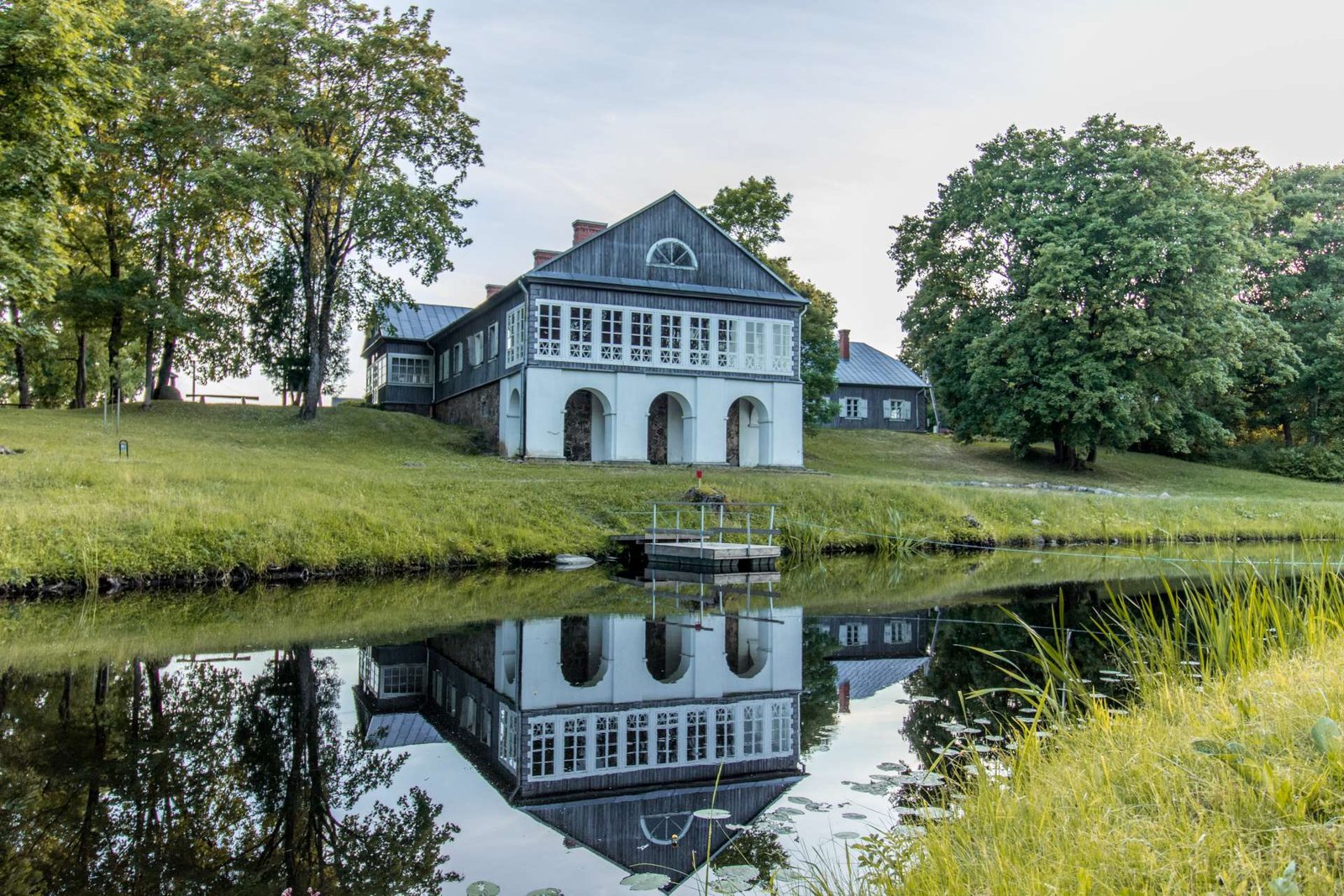
Užugiris (President Antanas Smetona) Manor, Ukmergė District
The Manor of President Antanas Smetona was established in the early 20th century in Užugiris, near Lake Lėnas. The manor was built for the president in his homeland as a summer residence.
The grounds include not only the residence but also a school, a museum, and educational spaces. The exhibitions present the interwar period, the president’s life, and the everyday life of that era.
↩︎ Back to list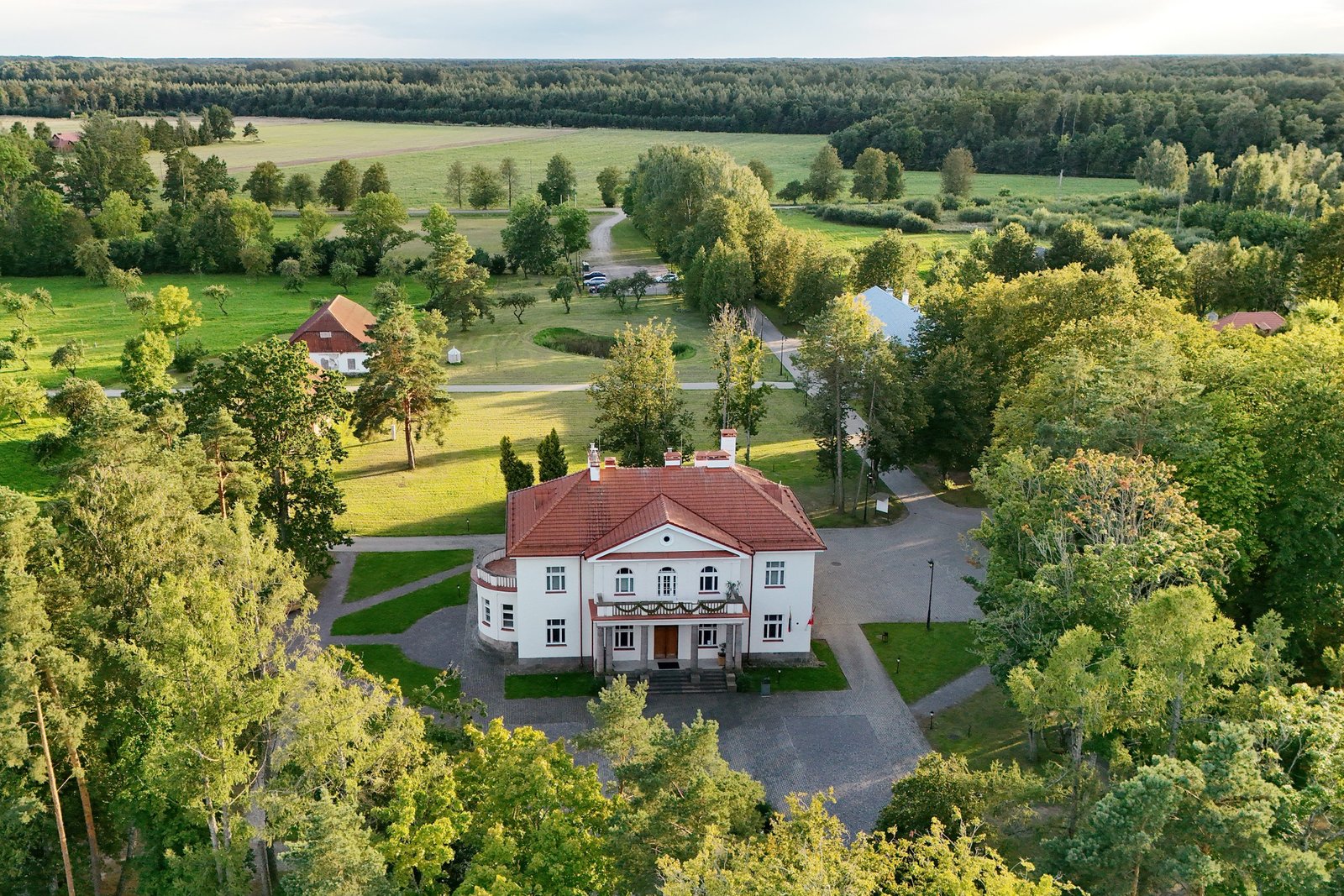
Alanta Manor, Molėtai District
Historical sources mention Alanta Manor as early as the 15th century. Later, in 1853, builders constructed the current residence in the style of an Italian villa with a lookout tower.
The residence featured halls of different styles, a large art collection, and furniture. The manor had dozens of buildings. Today, it houses an educational institution, and the park remains.
↩︎ Back to list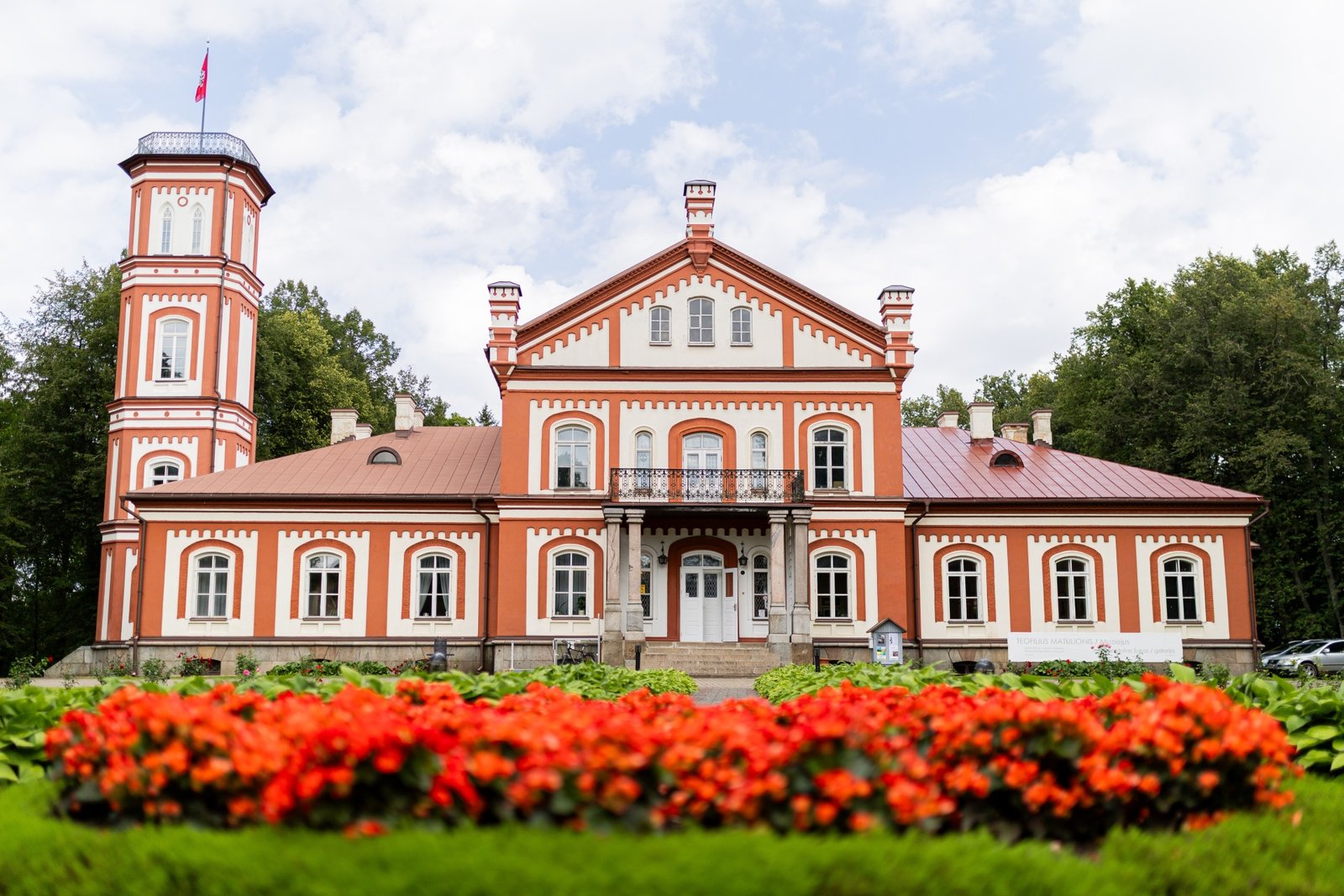
Paliesius Manor, Ignalina District
Historical sources mention Paliesius Manor as early as the 17th century, when the Tyzenhauz family owned it. Over time, it became an important cultural and historical site.
Originally, the manor grounds included a residence, farm buildings, and a mill. Today, the owners have restored and reconstructed the buildings and now use them for various activities. For example, the former stables now house a concert hall, while other spaces include a bakery, a restaurant, and accommodation. In addition, the team restored the paths and overall structure of the grounds while preserving historical elements.
↩︎ Back to list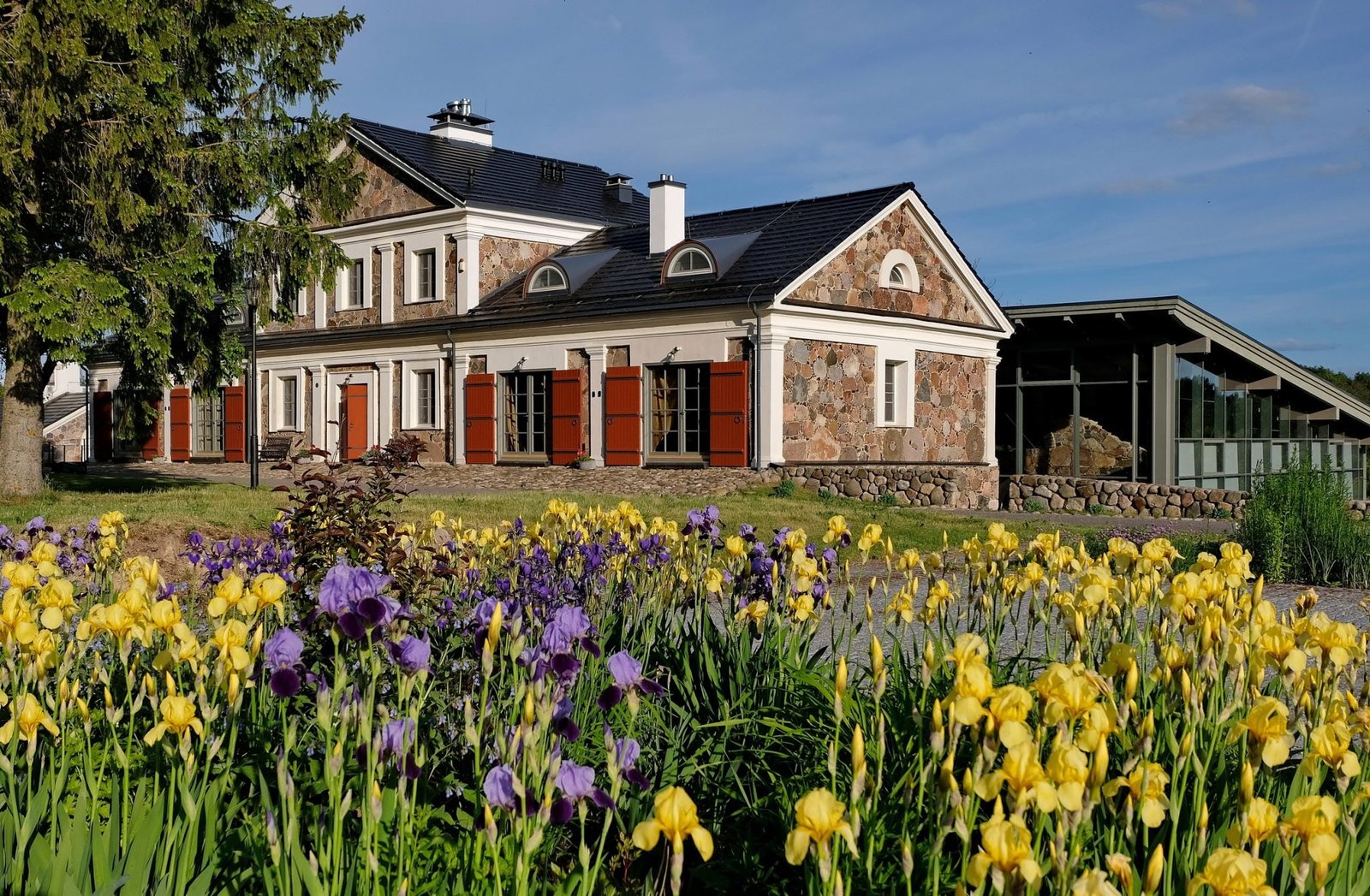
Why Are These 30 Most Beautiful Manors in Lithuania Worth a Visit in Your Lifetime?
Exploring these estates is not just about history or architecture. Instead, it’s about slowing down, connecting with the past, and experiencing Lithuania from a fresh perspective. Moreover, visiting even a few of these remarkable manors can help you discover something new and, ultimately, create lasting memories with your family.