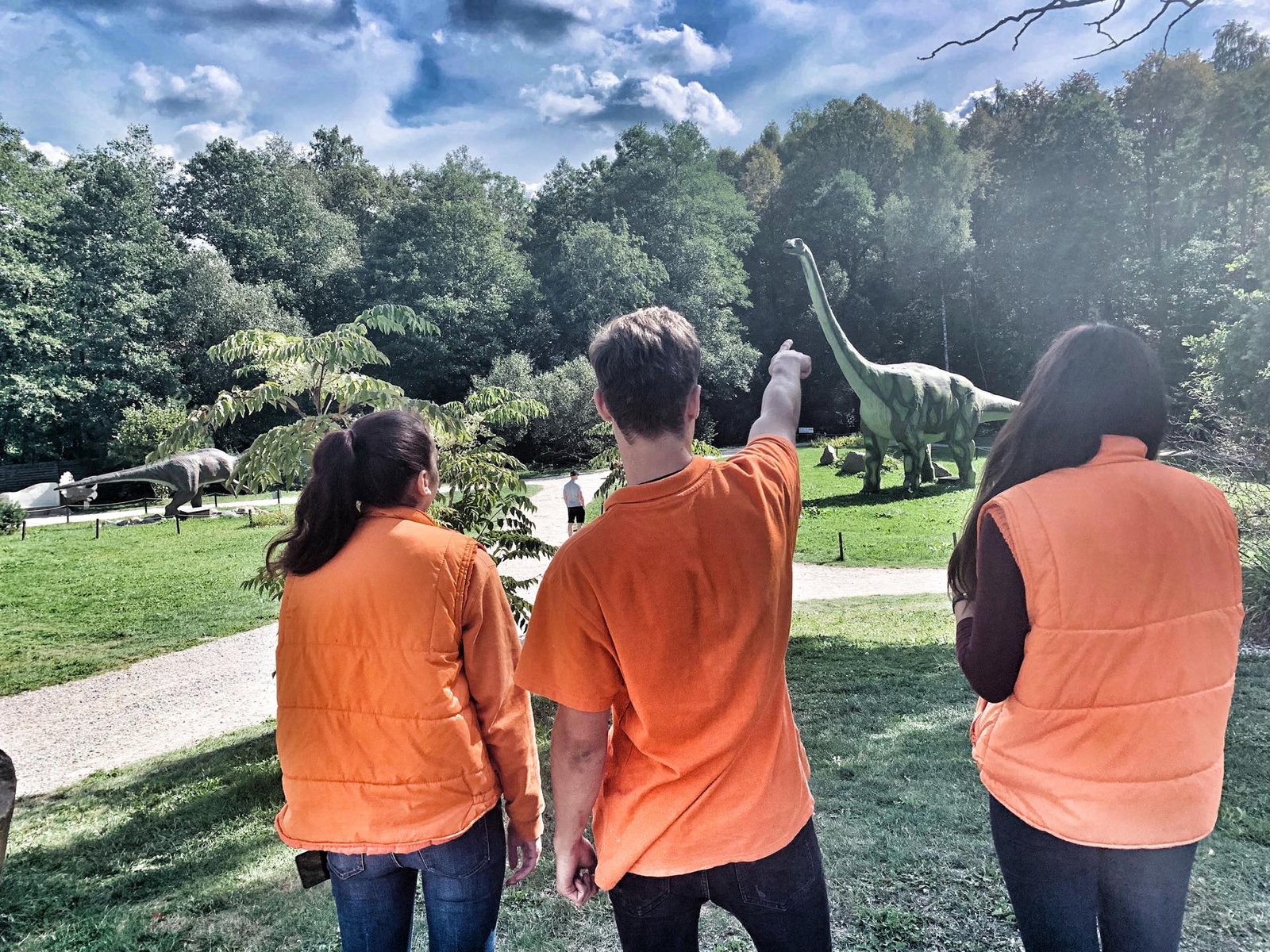
Dino Park is not only the largest dinosaur park in the Baltic States, but also a place where children’s creativity, awareness, and communication are developed. When visiting Dino Park, pupils will find not only dinosaur-themed adventures and discoveries, but also engaging educational programs for children that enrich them with knowledge and practical experience.
At Dino Park in the Klaipėda district, everything begins with curiosity. From the very first moments, questions start to appear: which came first, the egg or the dinosaur? Why are ants so persistent, or what does a chicken have in common with prehistoric giants? As these questions arise, the children don’t find the answers in books, because instead they uncover them with their own hands and discoveries. Step by step, this process turns into a deeper exploration. As a result, Adventures and discoveries at Dino Park: educational programs for children become a journey where theory goes hand in hand with practice, and curiosity gradually turns into real experience.
Educational programs for pupils
The Culture Pass program includes all these educational programs, except “In Search of Living Nature” and “Prehistory, Dinosaurs and Me (The Google Generation)”. Here you will also find three educational activities adapted specifically for the Christmas and Easter season. After the sessions, for an additional fee, children have the opportunity to enjoy free-time fun at Dino Park!
From dinosaur to chicken and egg
To begin with, what came first – the egg, the chicken? Or perhaps the very creature around which this entire park revolves, the dinosaur? This question intrigues many, and the search for the answer leads straight into the prehistoric world. With this curiosity in mind, the educational program “From Dinosaur to Chicken and Egg” takes pupils millions of years back and helps them discover that today’s chickens are the direct descendants of dinosaurs.
As the session unfolds, children learn about the chain of evolution, explore archaeological heritage, and discover which six dinosaur traits modern chickens carry in their genes. Alongside these discoveries, they follow engaging stories and practical activities that show how even a simple egg can reveal fascinating stories of nature and science. In this way, the session gradually connects prehistoric life to the world children know today.
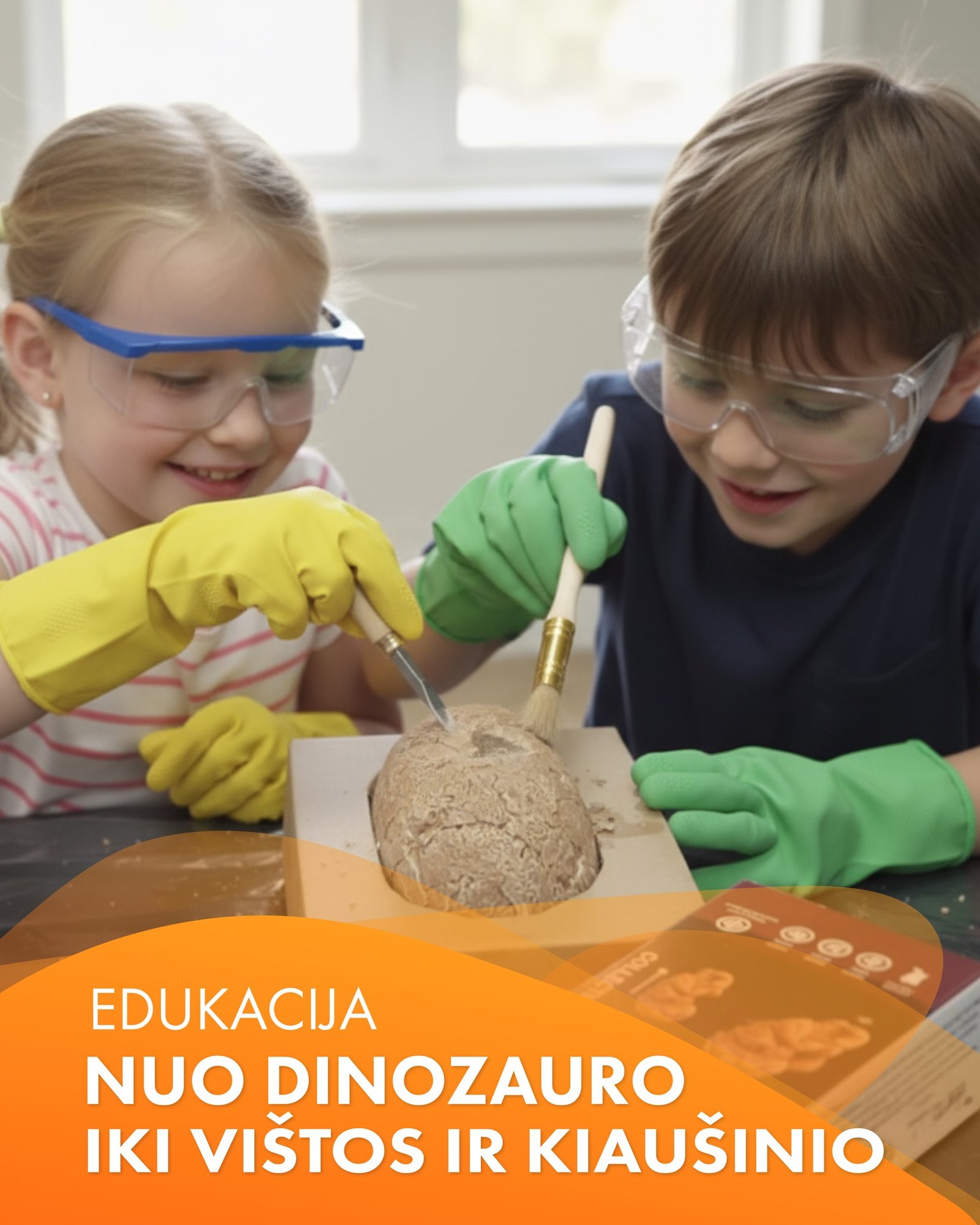
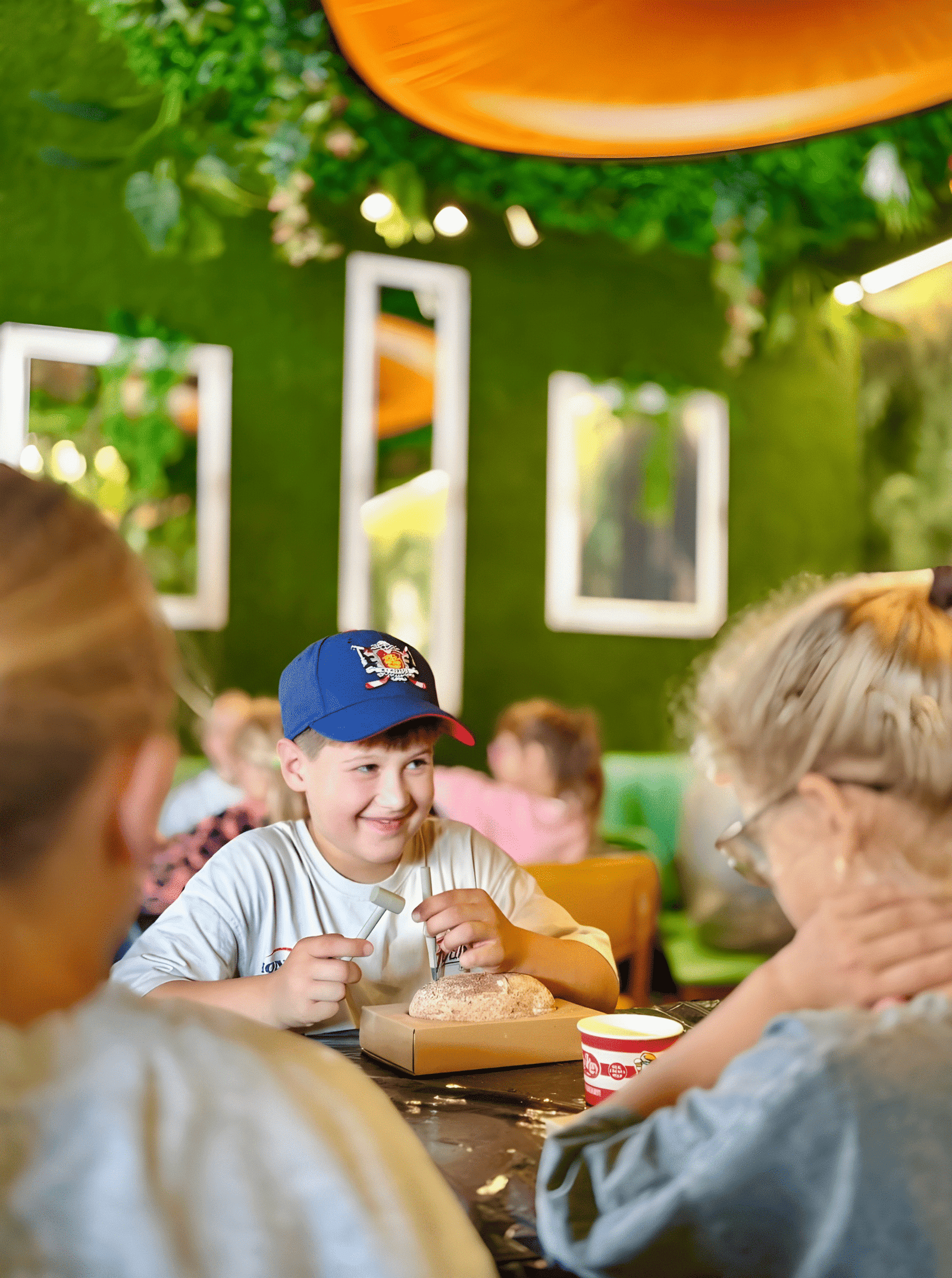
After the theoretical introduction, the practical activity brings a truly special experience – each child carves an ancient fossilized egg in search of a dinosaur embryo. During this hands-on task, they practice precision, responsibility, creativity, and teamwork with friends. Step by step, the carving process reveals more details, making the activity both exciting and meaningful. Finally, once they uncover a “hatched” baby dinosaur, they can take it home as a unique result of their work and a special memory of the day.
This educational program is intended for pupils in grades 1–6. Duration: 90 minutes. Group size: up to 40 pupils at a time.
Discover the dinosaur
How do paleontologists uncover the oldest stories of Earth’s history? In the educational program “Discover the Dinosaur”, children get to know the mysterious world of dinosaurs and try the basics of this science themselves.
To begin with, at the start of the session the educator shares fascinating facts about Pangaea, the lives of dinosaurs, and the mysteries behind their extinction. As the children listen, an important question naturally arises: did dinosaurs really disappear, or perhaps they left their traces up to this day? Because of this curiosity, the atmosphere becomes even more engaging.
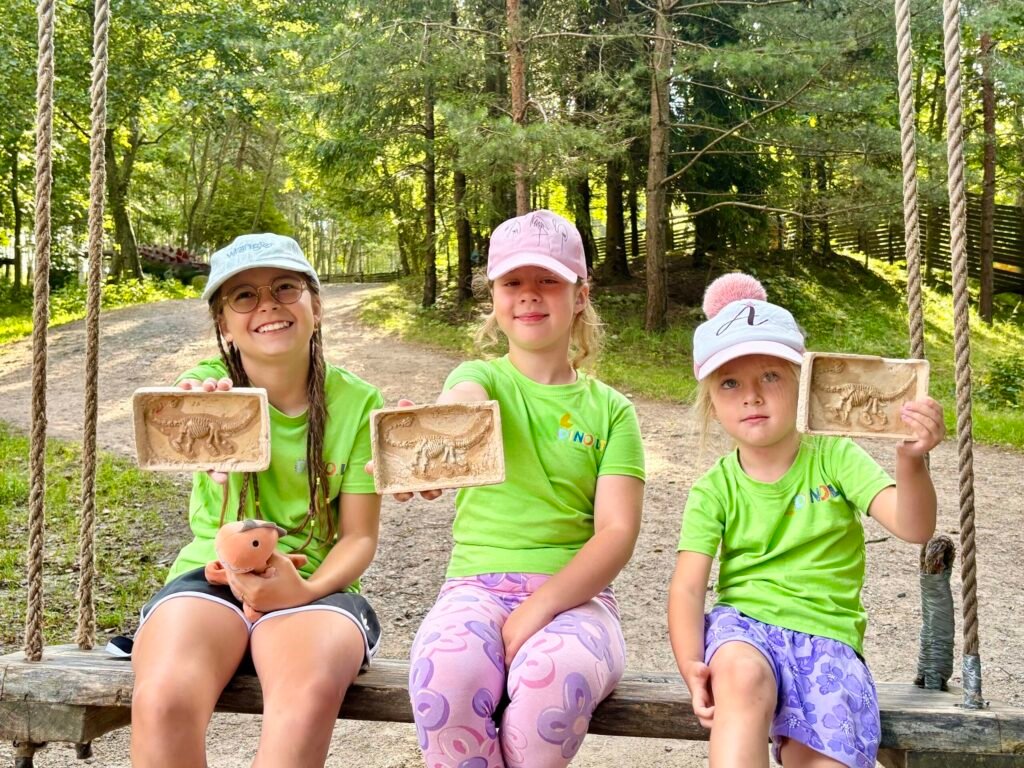
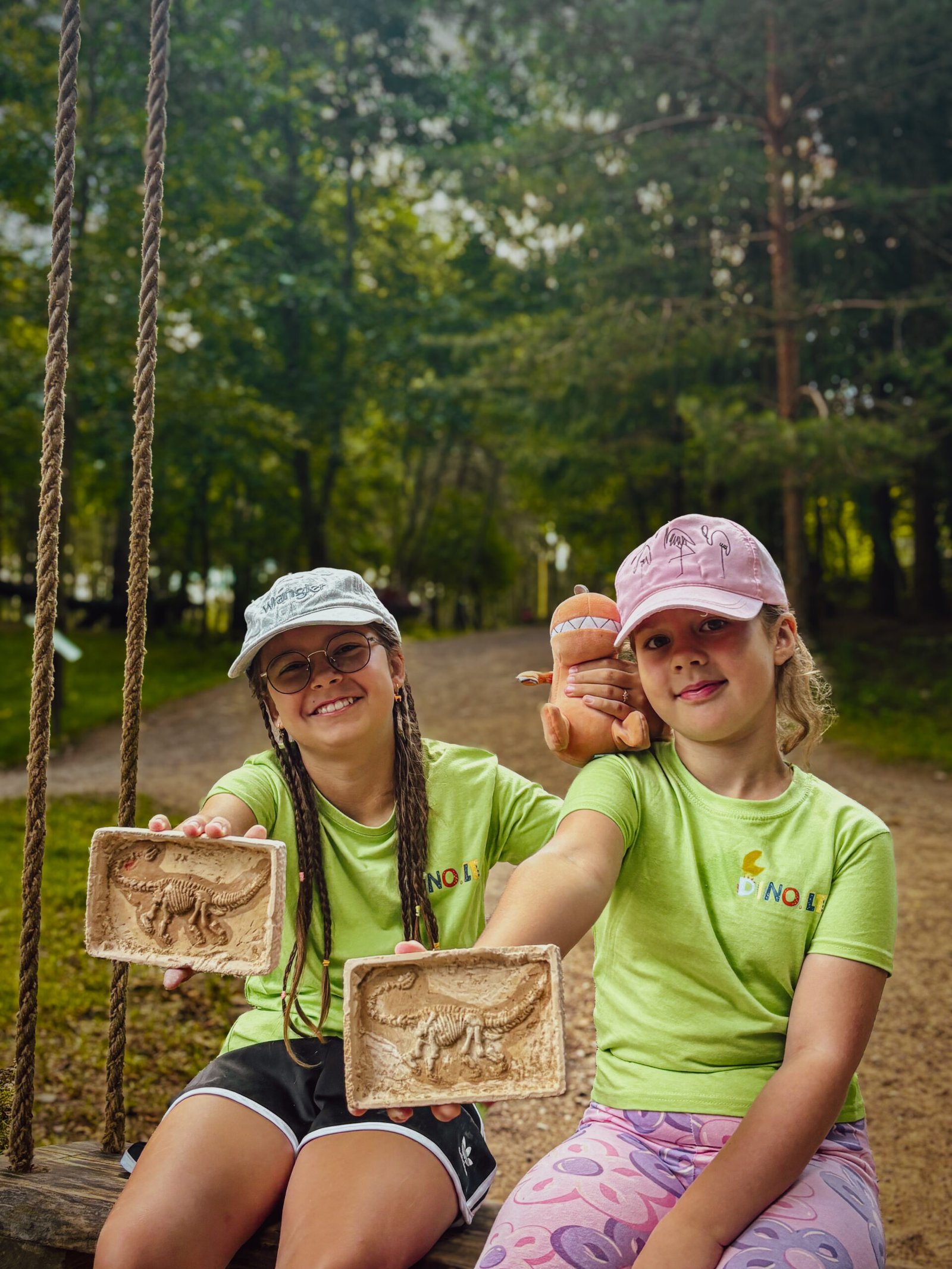
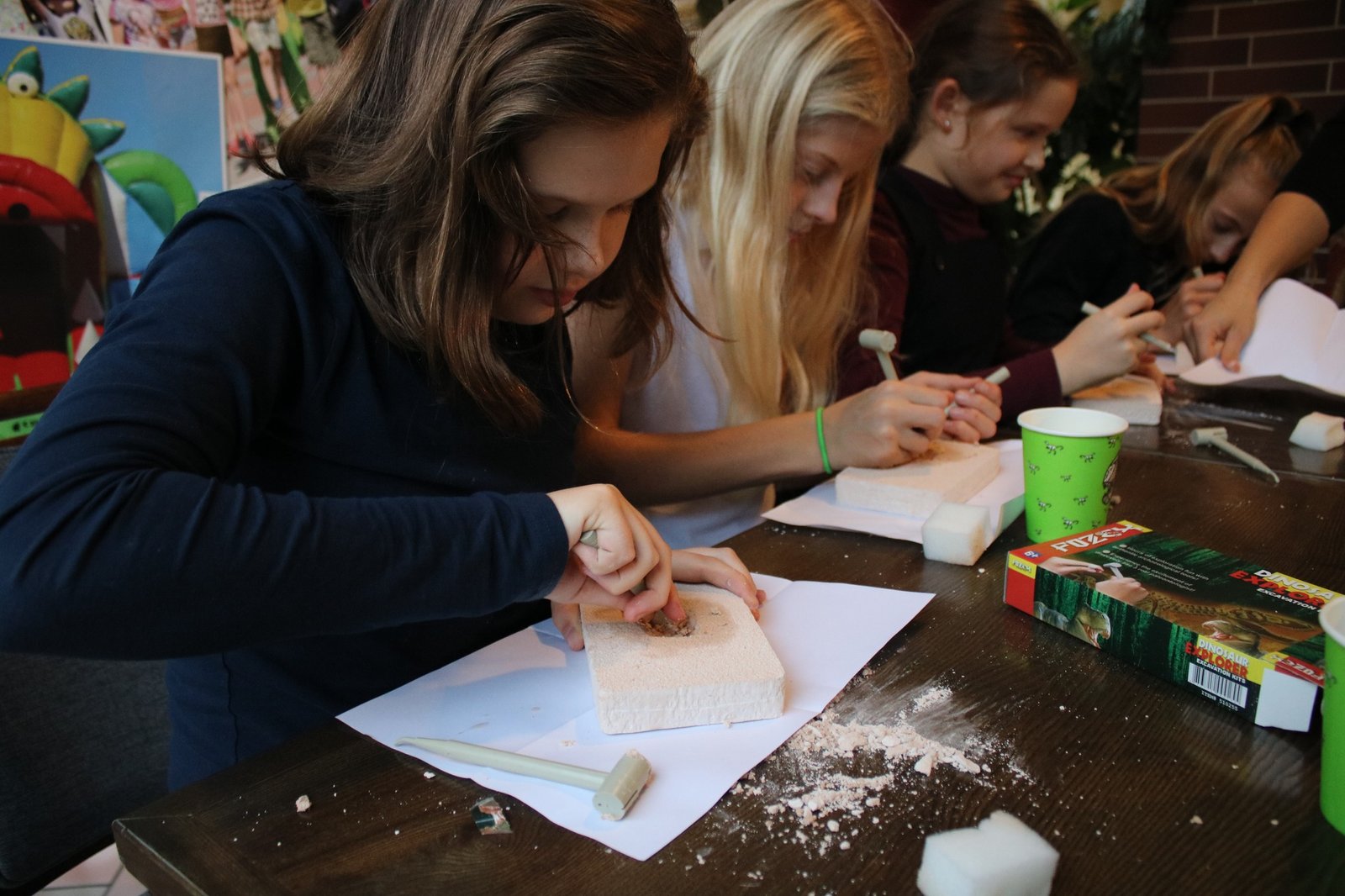
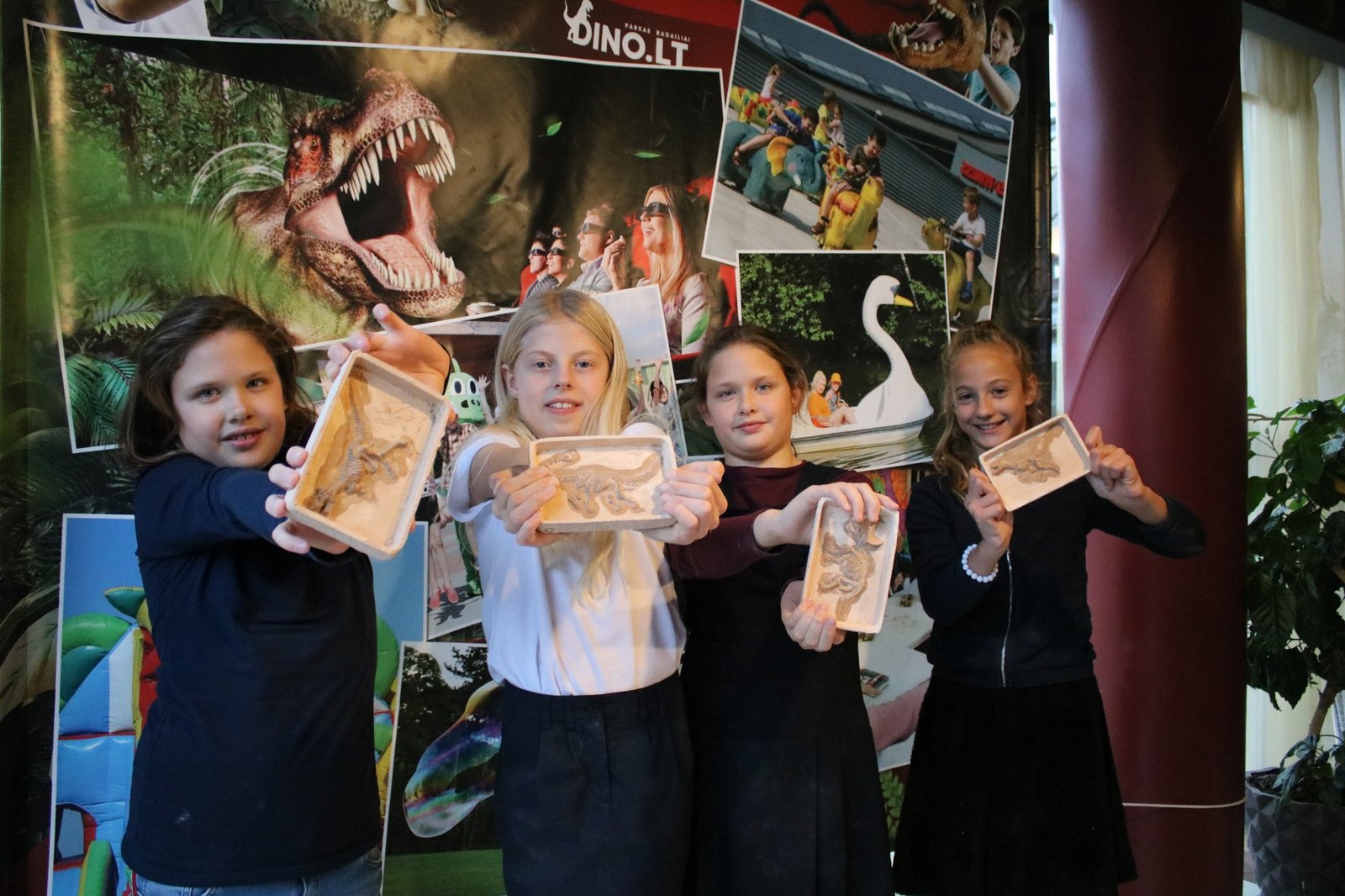
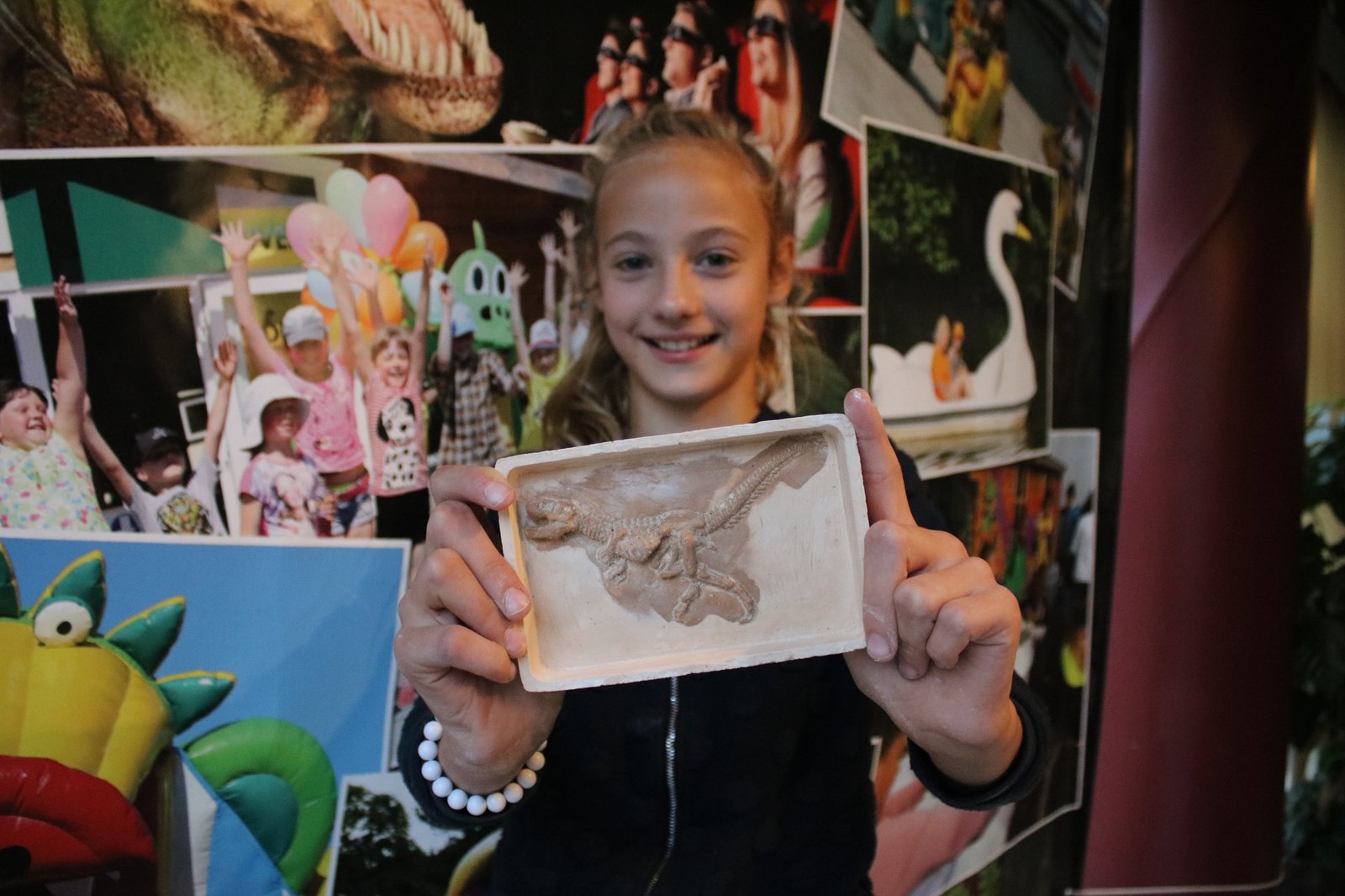
After this introduction, the practical part begins, and the experience shifts from listening to doing. As the activity progresses, each child becomes a young paleontologist, gets familiar with special tools, and learns how to carve correctly. Step by step, they carve a clay tablet and experience the excitement of discovery. Layer by layer, they explore the material and search for a hidden dinosaur fossil. With every new scratch of the tool, the mystery deepens, and through this hands-on process the prehistoric world starts to feel closer and more real.
This educational program is intended for children aged 4 to 12. Duration: 45–60 minutes. Group size: up to 45 pupils at a time.
Secrets of the birch grove
Is it possible to feel calm among the trees? Children will find the answer in the educational program “Secrets of the Birch Grove”, where they get to know the birch – one of nature’s closest “therapists.”
To begin the experience, the session takes place in the birch grove located in Radailiai park. During the theoretical part, pupils learn about the role of the birch in Lithuanian mythology, folklore, and traditional medicine.
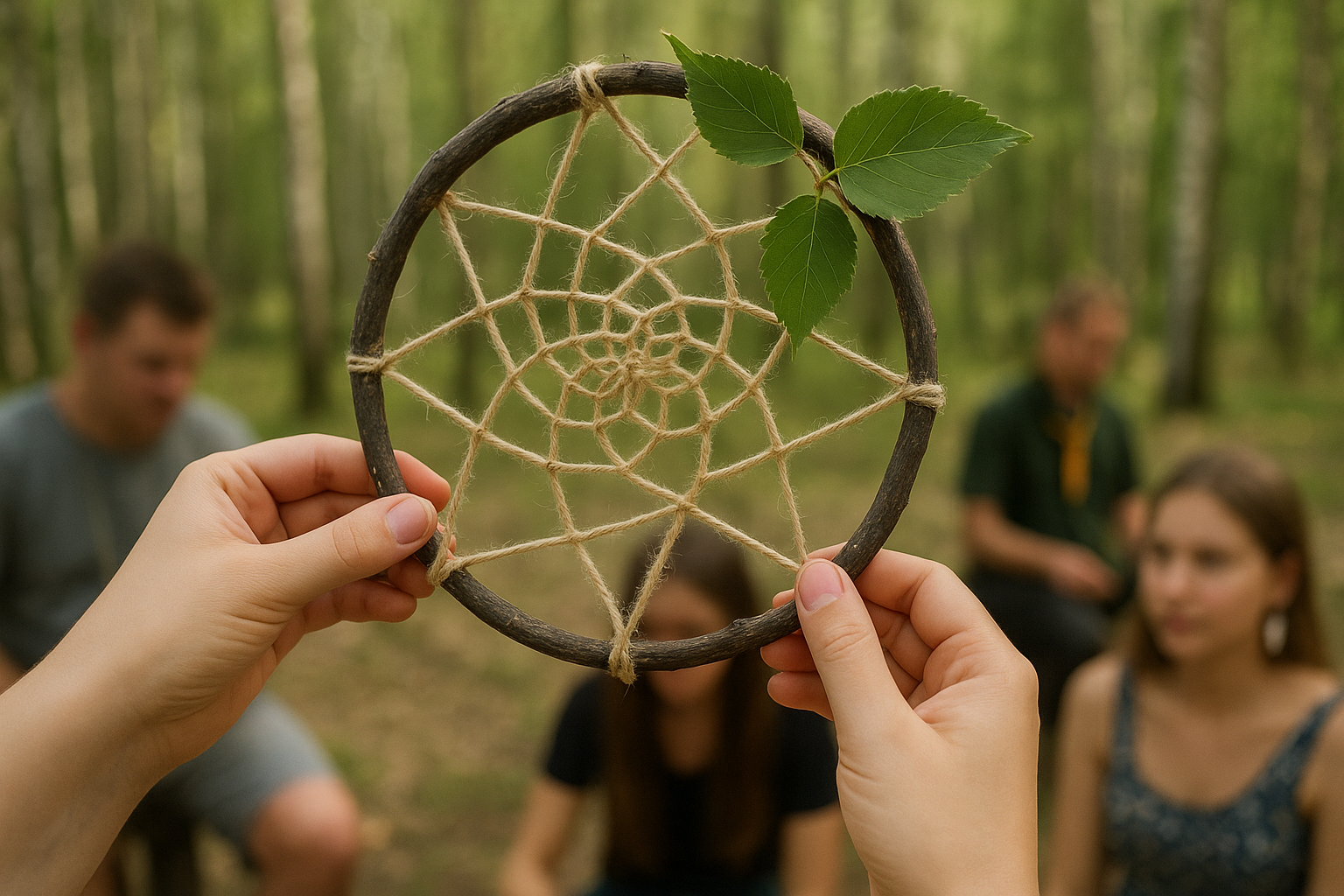
During the experiential activity, children will explore the properties of the birch – smell its scent, notice how it feels to be close to it, and taste birch bud and leaf tea. With their eyes covered, they will try to guess which of the three teas – oak, linden, or birch – uses birch leaves. In the practical part, children will use a birch twig to create a dreamcatcher. While looking for similarities between Lithuanian and Native American traditions, they will develop critical thinking, and the creation of the dreamcatcher itself will encourage creativity.
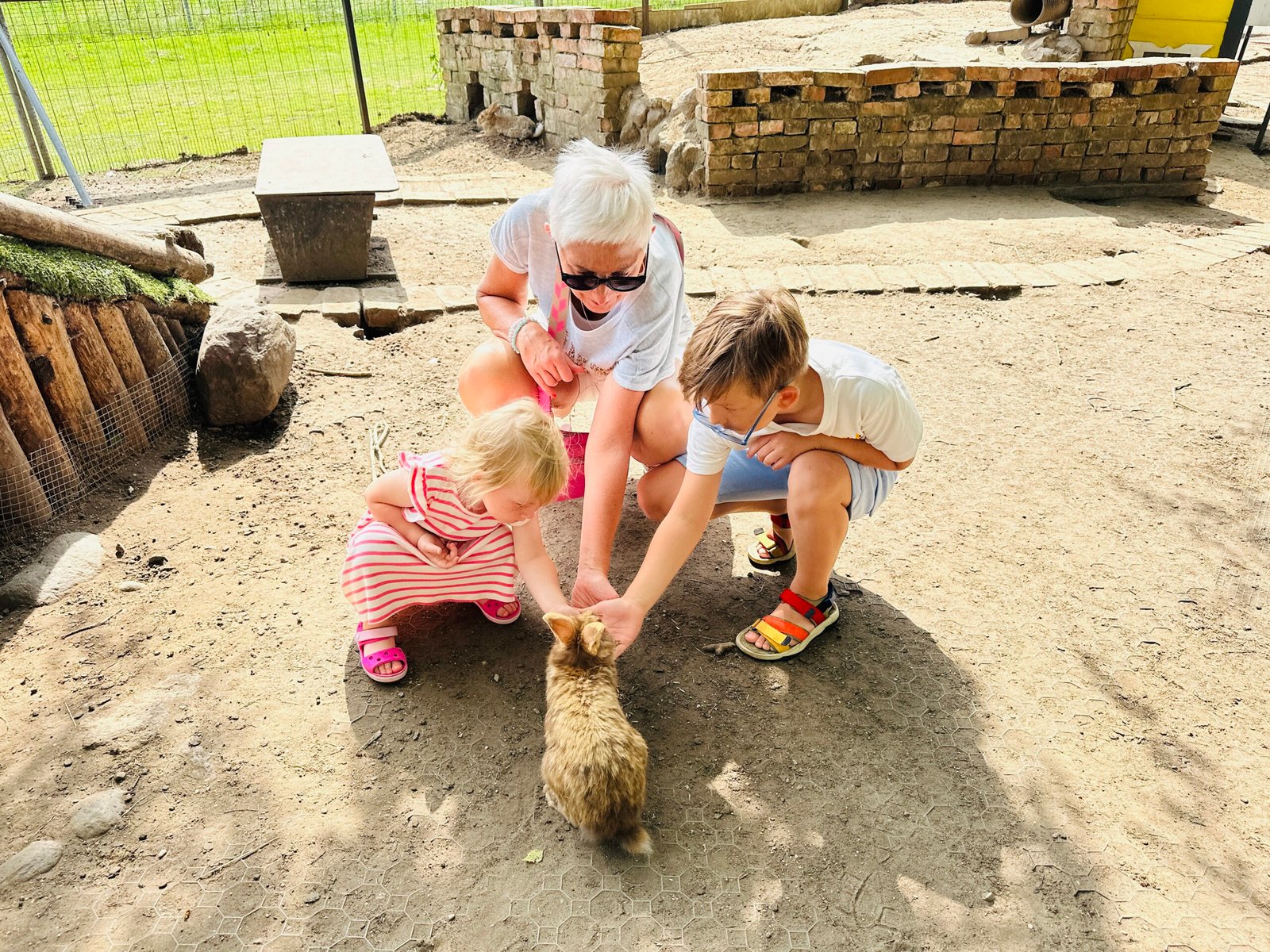
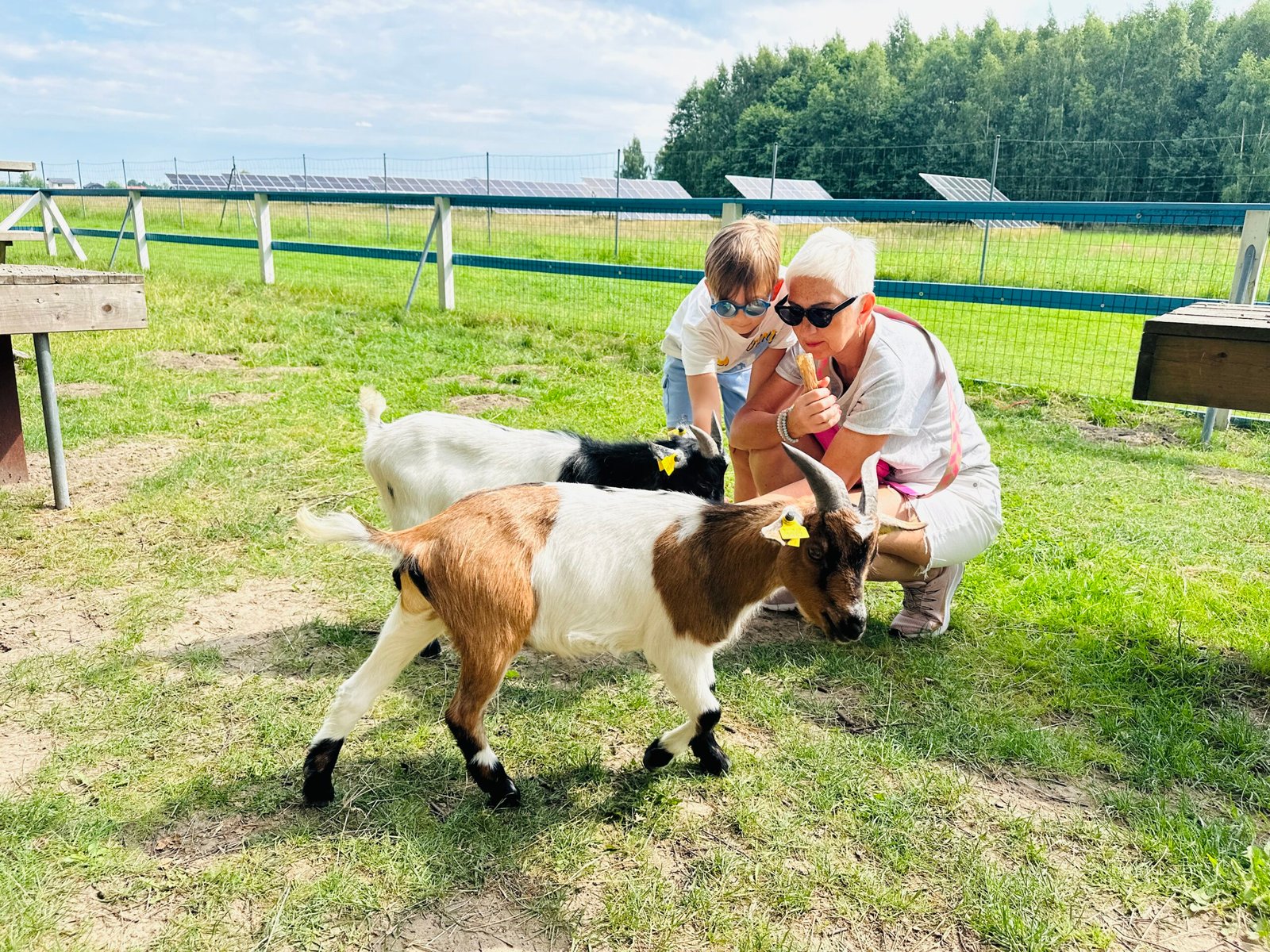
At the end of the educational session, a fun visit awaits – children will get the chance to feed and pet the animals living in the park: rabbits, alpacas, and goats.
This educational program is intended for pupils in grades 2–5. Duration: 1 hour. Group size: 10–45 pupils at a time.
Little Earth treasure explorers
In the educational program “Little Earth Treasure Explorers”, pupils will learn about the science of paleontology, the importance of fossils, and their connection to the “secret hiding places” children create during childhood. The session consists of three parts: theoretical, experiential, and practical.
In the theoretical and experiential parts, participants delve into the world of dinosaurs, discuss the differences between carnivores and herbivores, and look for similarities between dinosaurs and their descendants – birds. After these discussions, children observe dinosaurs in Dino Park, where the creatures move, make sounds, and match the size of the ancient “terrible lizards.”
The session then moves to the practical part, which consists of two activities. First, pupils take part in an excavation task, uncovering a tyrannosaurus fossil at the park’s outcrop and learning about the paleontologist profession and the specifics of fossil research. Then, as the session moves forward, they create “secret treasures” from flowers and plants, hide them under a glass piece, and cover them with soil. Through this second activity, children draw parallels between fossils and childhood “secrets,” while also developing critical thinking, creativity, and a sense of aesthetics. Finally, to conclude the session, participants present their work, strengthening rhetorical skills and emotional intelligence.
This educational program is intended for pupils in grades 1–4. Duration: 1 hour. Group size: 10–45 pupils at a time.
In search of living nature
During this educational program, pupils will explore living nature up close and discover that plants, insects, or animals that may at first seem frightening are actually an important part of the ecosystem.
Children will learn about birds and the variety of their nesting houses, see where squirrels live, and find out why bats also need nest boxes. While searching for an anthill in Dino Park, they will examine why some species appear on the Red List while others still do not, and they will discuss how nature adapts to changing climate conditions.
The program also touches on Lithuanian traditions and beliefs related to nature. Children will discuss biological diversity, its benefits, and the importance of ecosystems in everyday life.
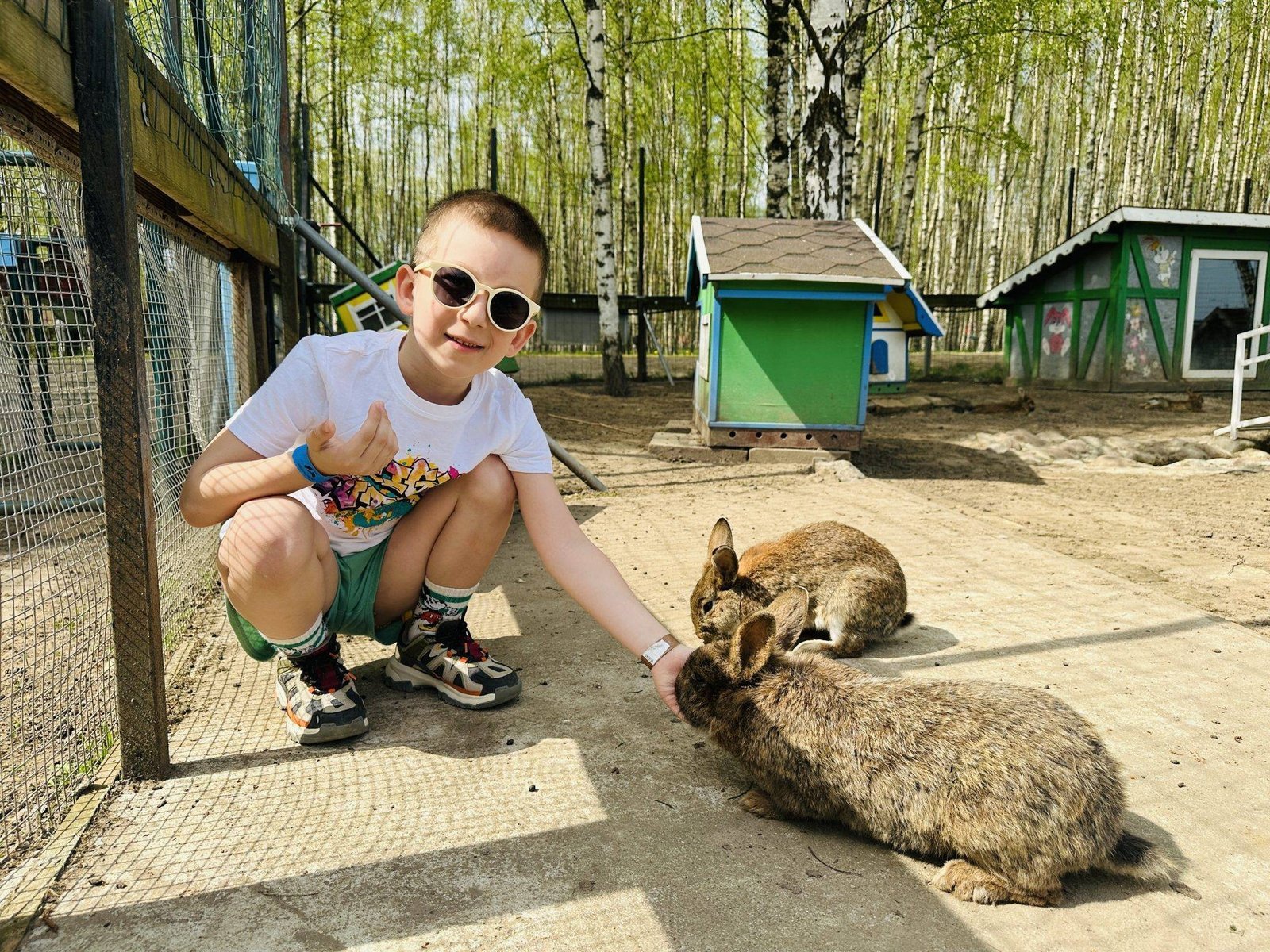
The session includes an encounter with the animals living in the park. During this visit, pupils meet alpacas, visit the rabbit village, and learn what the little long-eared animals eat, how they can be cared for, and how to pet them properly. Step by step, these interactions help children foster a respectful attitude toward living nature and encourage them to behave responsibly.
This educational program is intended for pupils in grades 1–4. Duration: 90 minutes. Group size: 10–45 pupils at a time.
Hello, Oak
In the educational program “Hello, Oak”, pupils explore nature up close and discover the secrets hidden within it. From the very beginning, the session starts with a clear goal. It aims to encourage curiosity about the environment. It also seeks to nurture care and appreciation for nature and all living things.
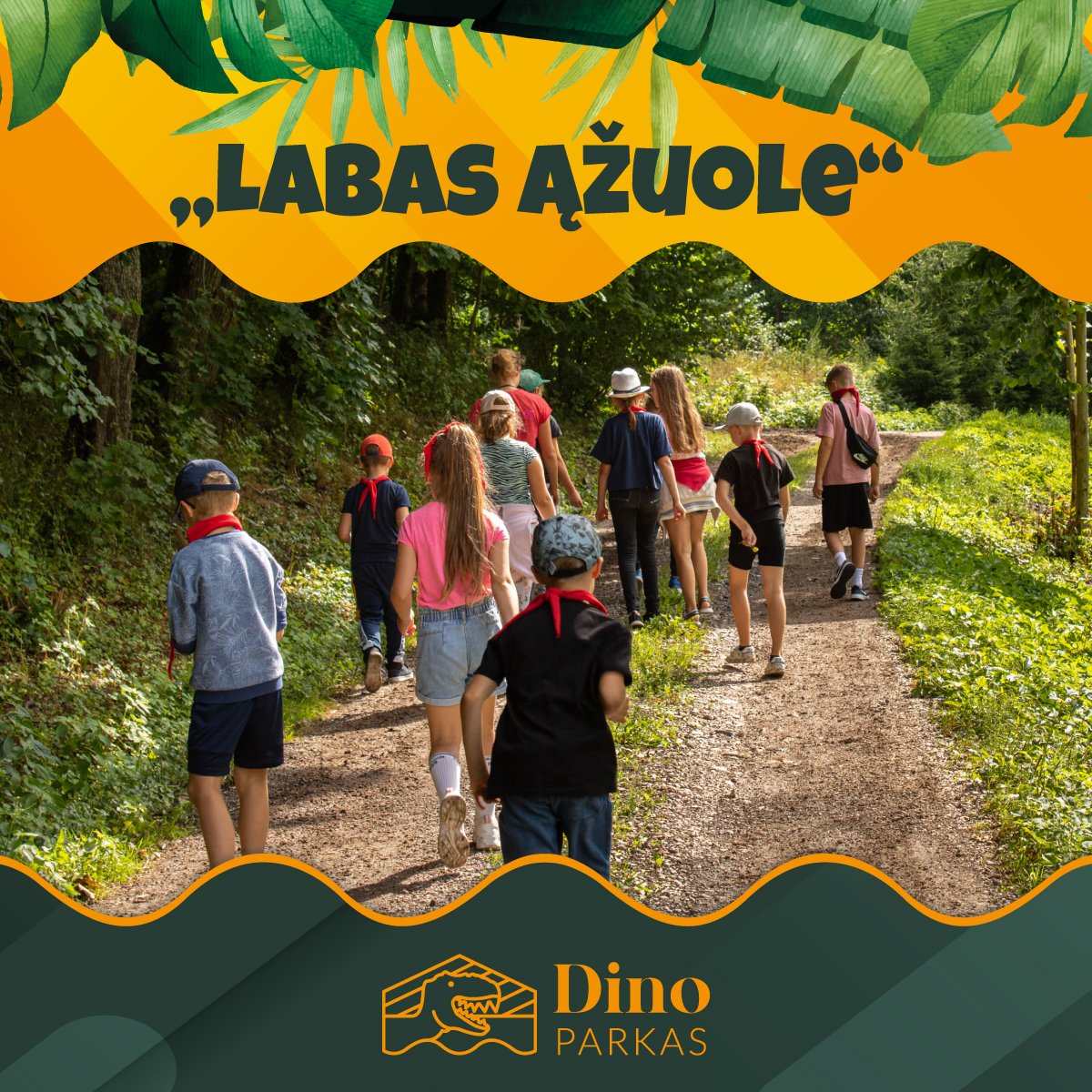
As the walk continues, children explore the park and learn to recognize trees. Along the way, they notice natural treasures and search for anthills. Through these moments, they also understand why ants protect their territory.
Along the way, they also learn about trees with “coded” names, touch history, greet the oak, and hug a relative of the oldest tree in Lithuania.
Through these activities, the session develops critical thinking, spatial awareness, patience, and perseverance. Each task encourages children to navigate their surroundings, work as a team, and pursue their goals responsibly.
This experience becomes not only an engaging introduction to the natural world but also an entry point into the sciences of biology, physics, and chemistry.
To strengthen the connection with nature even more, children will visit the alpacas and rabbits living in the park. People often link spending time with alpacas to emotional therapy, because these animals soothe and relax.
This educational program is intended for pupils in grades 1–4. Duration: 1 hour. Group size: up to 30 pupils at a time.
The extraordinary treasures of the Upside-Down House
At the start of the session, the educational program invites pupils to begin team-based tasks. At this stage, these tasks strengthen attention and build concentration. In addition, they help pupils use their knowledge in mathematics, geography, and literature.
After this introduction, pupils step into a unique space. From that moment, they enter the Upside-Down House. Inside, everything around them stands flipped upside down.
Because of this unusual setting, the familiar routine instantly breaks, and curiosity awakens. As a result, children get a rare opportunity to look at the world from a completely different perspective. During the educational program, children can turn imagination into reality and allow creativity to take on unexpected forms, using modern means of expression.
This educational program is intended for pupils in grades 3–7. Duration: 1 hour. Group size: up to 30 pupils at a time.

Prehistory, dinosaurs and me (The Google Generation)
In the educational program “Prehistory, Dinosaurs and Me (The Google Generation)”, the prehistoric world comes to life through modern technology. In this context, children see how digital tools reveal ancient life. From the first moments, the experience turns a mobile phone into a tool for discovering dinosaurs and the Mesozoic era. Through this approach, pupils also explore the secrets of archaeology in an engaging way.
The session begins with an introduction to the Mesozoic period, when dinosaurs lived on Earth. Pupils hear interesting facts about the life of this era and the formation of the world. As they listen, they discover unexpected connections. Through these links, history feels closer and easier to understand.
In the second part, the educator divides the class into teams and gives them mobile phones with clues. Using GPS and a special app, participants must find hidden codes. While solving the tasks, they dive deeper into the lives of dinosaurs, their characteristics, and the reasons behind their extinction.
Throughout the activity, children strengthen their teamwork skills. They learn to collaborate, help each other, make decisions, and work together toward a shared goal.
When they reach the end, the biggest motivation awaits them. They earn a reward after they find all the codes and complete every task.
This educational program is intended for pupils in grades 7–12. Duration: 90 minutes. Group size: up to 35 pupils at a time.
Festive educational programs at Dino Park
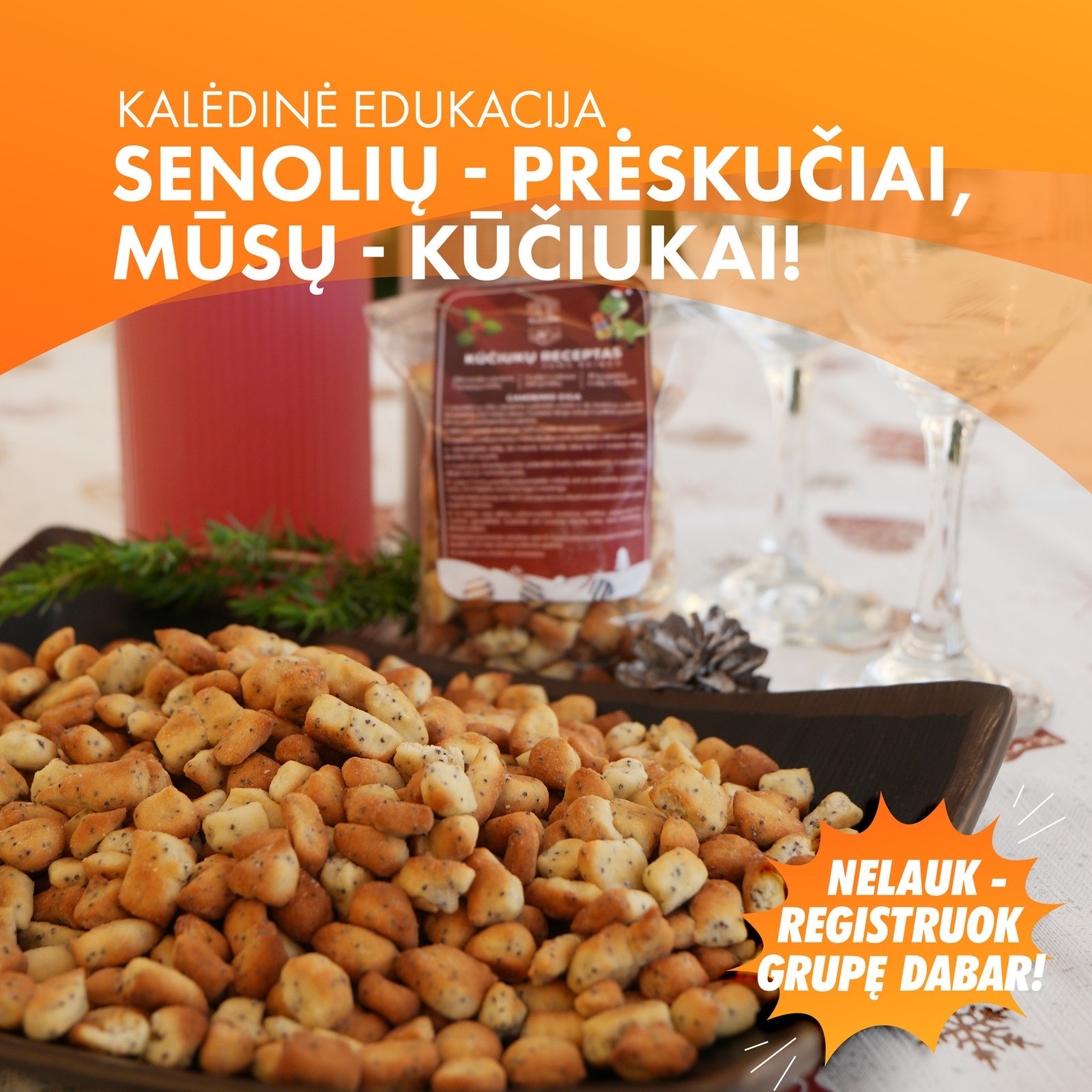
Ancestors had prėskučiai, we have kūčiukai!
In this program, pupils learn about old Christmas Eve traditions. They also take part in one of the most important festive preparations: baking kūčiukai.
The session begins with a story about the origins of Christmas Eve and ancient beliefs. Children also learn why people baked special small pastries on this night. These pastries were known by many names such as prėskučiai, kleckučiai, kalėdukai, and šližikai.
Using multimedia, the educator introduces children to the symbolic meaning of kūčiukai in Lithuanian culture. They also hear about their place in family traditions and their role in community life.
In the practical part, children prepare traditional kūčiukai themselves. They mix the dough, shape it, bake it, and finally taste them with poppy seed milk. Each participant takes home their own handmade kūčiukai along with a recipe. This way, they can continue the tradition at home.
As a result, the session creates a real festive atmosphere. It also helps children understand the importance of one of the oldest Lithuanian customs.
This educational program is intended for pupils in grades 1–6. Duration: 90 minutes. Group size: 10–35 pupils at a time.
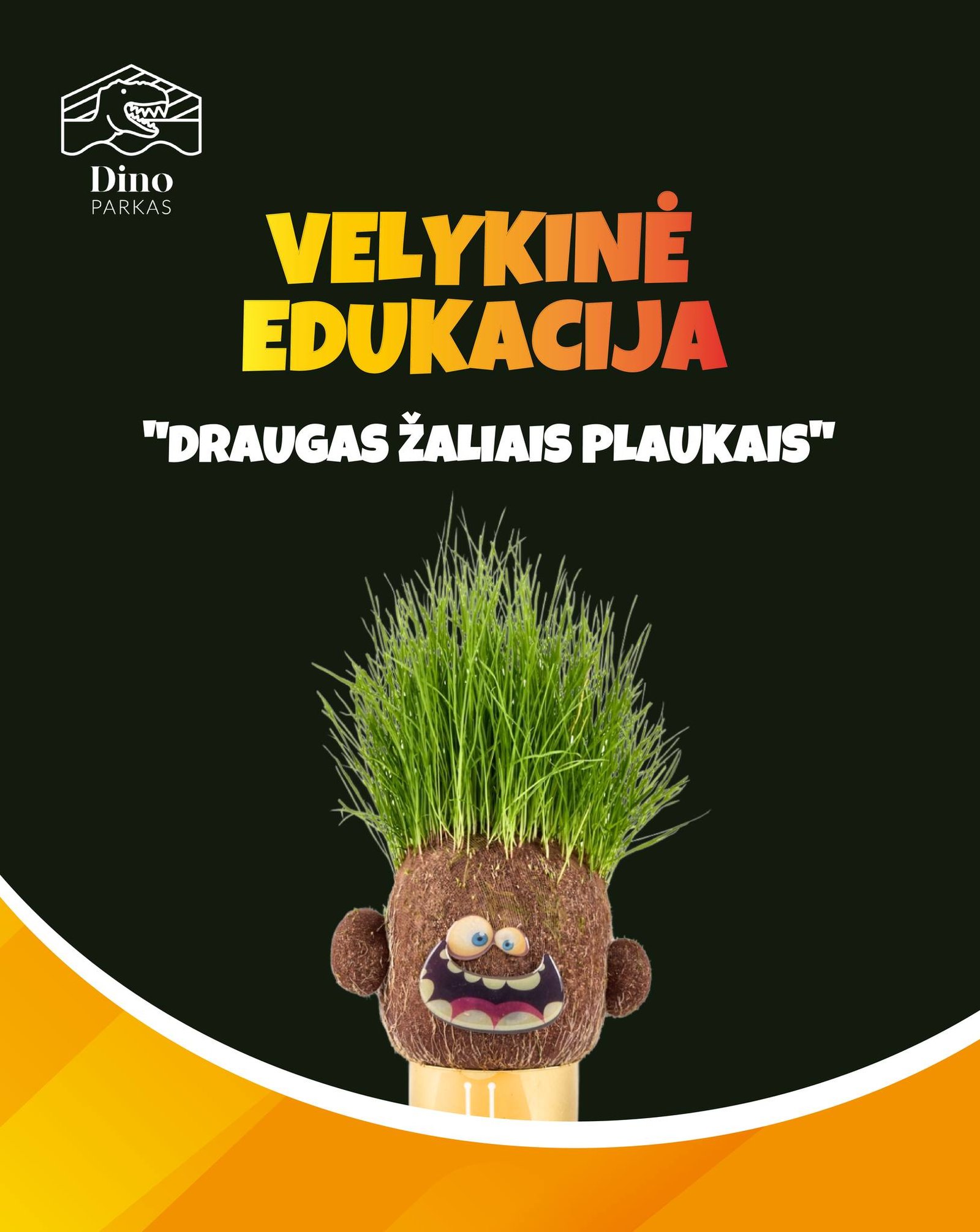
A friend with green hair
In the Easter educational program “A Friend with Green Hair”, pupils learn about spring holiday traditions. They also create a special companion called an “oliziukas”.
After the session, the experience continues at home. The oliziukas becomes a living responsibility that the child needs to water and care for.
As children look after it day by day, they begin to understand growth processes. They see the whole journey from a seed sprouting to the appearance of green “hair”.
The session becomes both a creative activity and an educational journey into the renewal of nature. Also it will inspire children to rejoice in the arrival of spring and the anticipation of Easter.
This educational program is intended for pupils in grades 1–4. Duration: 1 hour. Group size: 10–45 pupils at a time.