Vilnius can surprise you not only with its Old Town or architecture. However, sometimes all you have to do is slow down and turn slightly off the main path – that’s where the city bursts into its brightest colors. Suddenly – a different world opens up: the air is filled with floral scents, bees buzz among the blooms, butterflies flutter, and every flowerbed tells its own story. In fact, a route through Vilnius most beautiful flower beds is a journey through colors, aromas, and life. It invites you to discover the capital differently – more slowly, more sensitively, and with greater attention to the city’s beauty. Moreover, each stop along the route allows you to pause – breathe in – notice the details of nature – and see the capital’s beauty with fresh eyes.
Bloom hunting: a route through Vilnius most beautiful flower beds
Bloom hunting: a route through Vilnius most beautiful flower beds. Notably, this “Neakivaizdinis Vilnius” route connects flowerbeds in different districts of the city into one seamless experience, where Vilnius reveals itself through seasonal colors, plant diversity, and carefully designed green spaces. As you walk this route, everyday streets suddenly become a living open-air gallery.
A route through Vilnius most beautiful flower beds is not just about admiring beauty – it encourages you to stop, rest, breathe, and spend time with yourself or your loved ones. In fact, it’s a great opportunity for families, couples, locals, and visitors to discover new favorite spots, to sense how much life and creativity are hidden in the city’s greenery, to get closer to nature, and to notice details that often go unseen in a rush. The full flowerbed route in Vilnius stretches about 14 km on foot and, without entering any sites, takes about four hours. However, there’s no need to hurry – instead, it’s best to explore the route in parts, choosing a few stops for each walk. This way, you’ll have more time to pause, admire the flowerbeds, and truly feel Vilnius in bloom.
Route through Vilnius most beautiful flower beds (click on an object name to navigate the list easily)
Japanese Garden
Location: Linkmenų st. 2A
Pause, relax, be in the moment, let go of heavy thoughts, and enjoy nature and the views. Vilnius city parks offer you the chance to start at the Japanese Garden and embrace this philosophy. The space is designed according to traditional Japanese garden requirements with core elements: a hill symbolizing Mt. Fuji, a dry river (its banks are lined with phlox, called “lawn sakura” in Japan), a dry garden, bridges, a pond with a pontoon bridge, an alley of Japanese cherries, and a waterfall. The red arch bridge symbolizes wisdom, transformation, and all that is sacred. According to Zen Buddhists, when a person crosses the bridge, they leave behind attachment to the physical world. Walks in this garden are recommended clockwise.
Diversity of plants and bloom calendar: This garden shows off the changing seasons. In spring, the park explodes with cherry blossoms, irises, rhododendrons, phlox, and other plants. Summer brings a palette of green in various shades. Autumn transforms the garden as maples, dogwoods, and spindle trees shine in intense colors. Winter marks a quiet period of patience and waiting.
↩︎ Back to list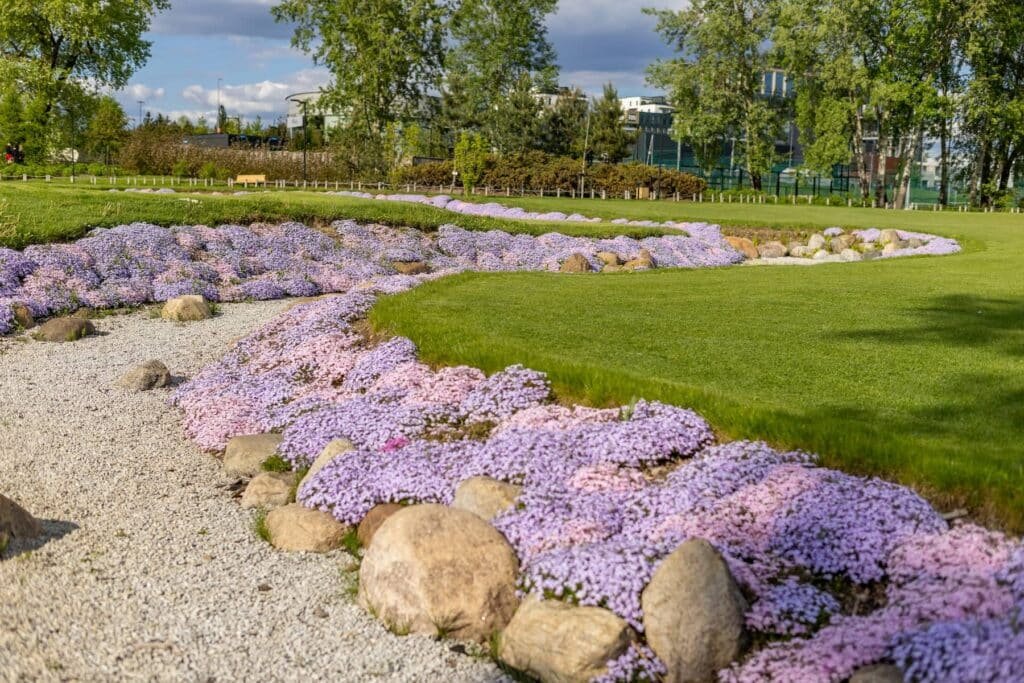
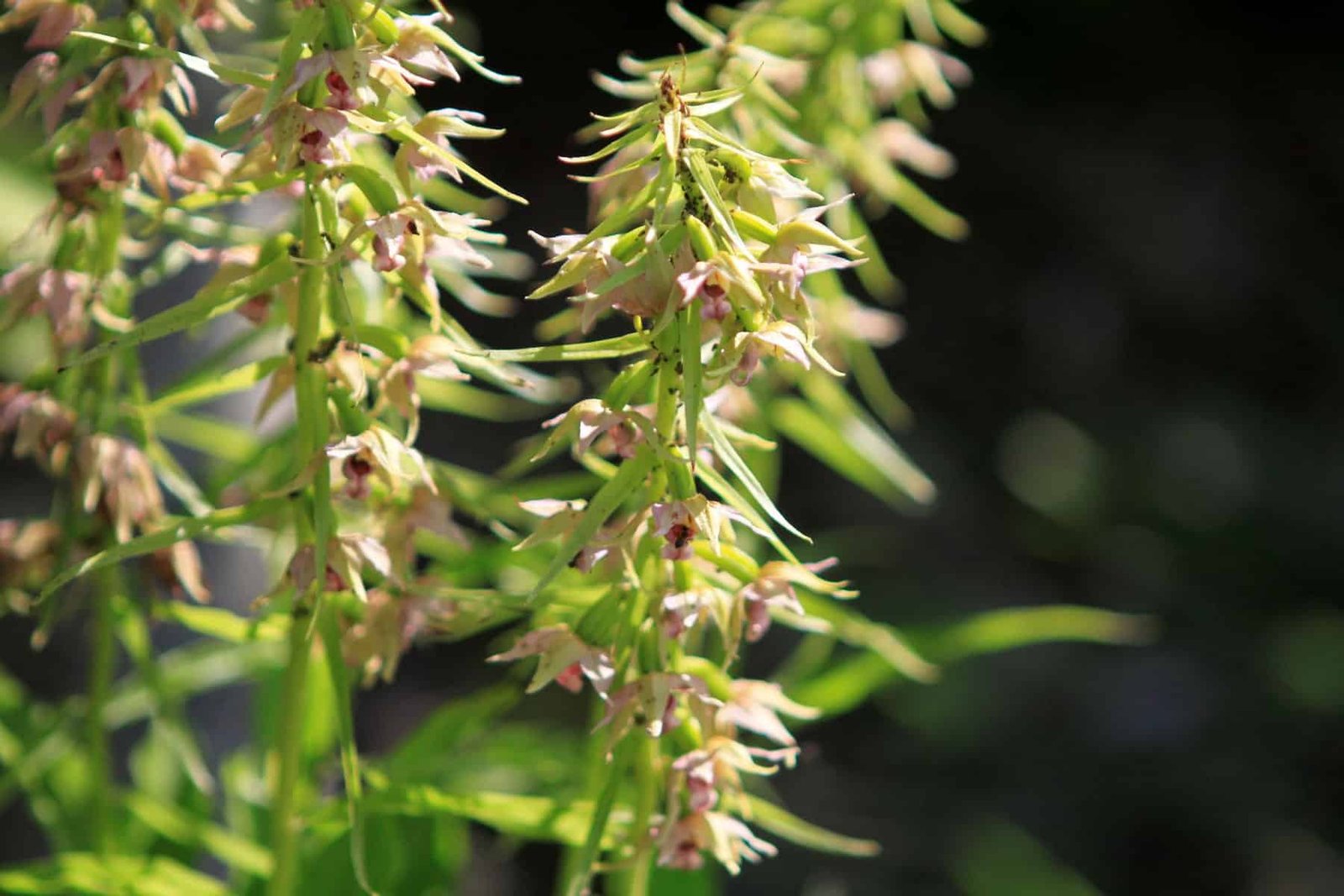
Pomedžių Alley
Location: Konstitucijos Ave.
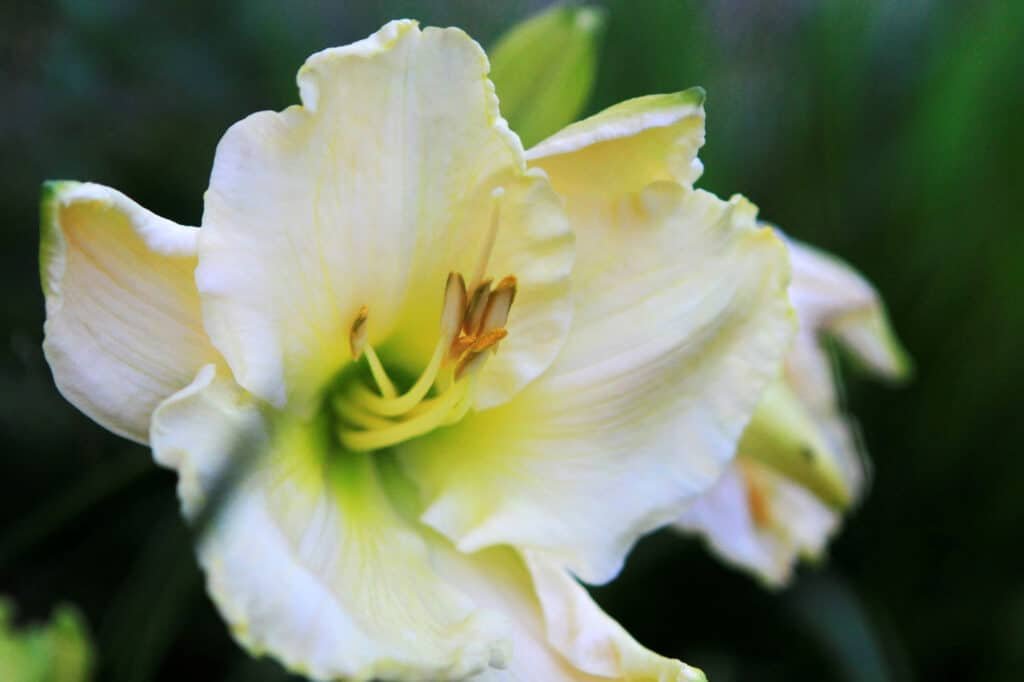
The blossoming of sakura and other plants here symbolizes the beauty of the moment, the fragility and impermanence of life. That idea follows you as you walk along Pomedžių Alley on Konstitucijos Avenue. Many have heard of insects that live just one day – mayflies. But in nature, there are flowers with the same name – daylilies, or Hemerocallis. In Greek, hemera means “day,” and kallos means “beauty.”
Amazingly, this plant, which arrived from East Asia to Europe centuries ago, produces flowers that last only one day. However, blooming continues for weeks, as the plant opens new flowers daily. You can admire their colors in Pomedžių Alley. Vilnius Botanical Garden donated these daylilies to the city from its collection. By the way, daylily flowers are edible.
Bloom calendar: The showiest blooms are in May–June. At other times, the flowerbeds impress with their geometric textures.
↩︎ Back to list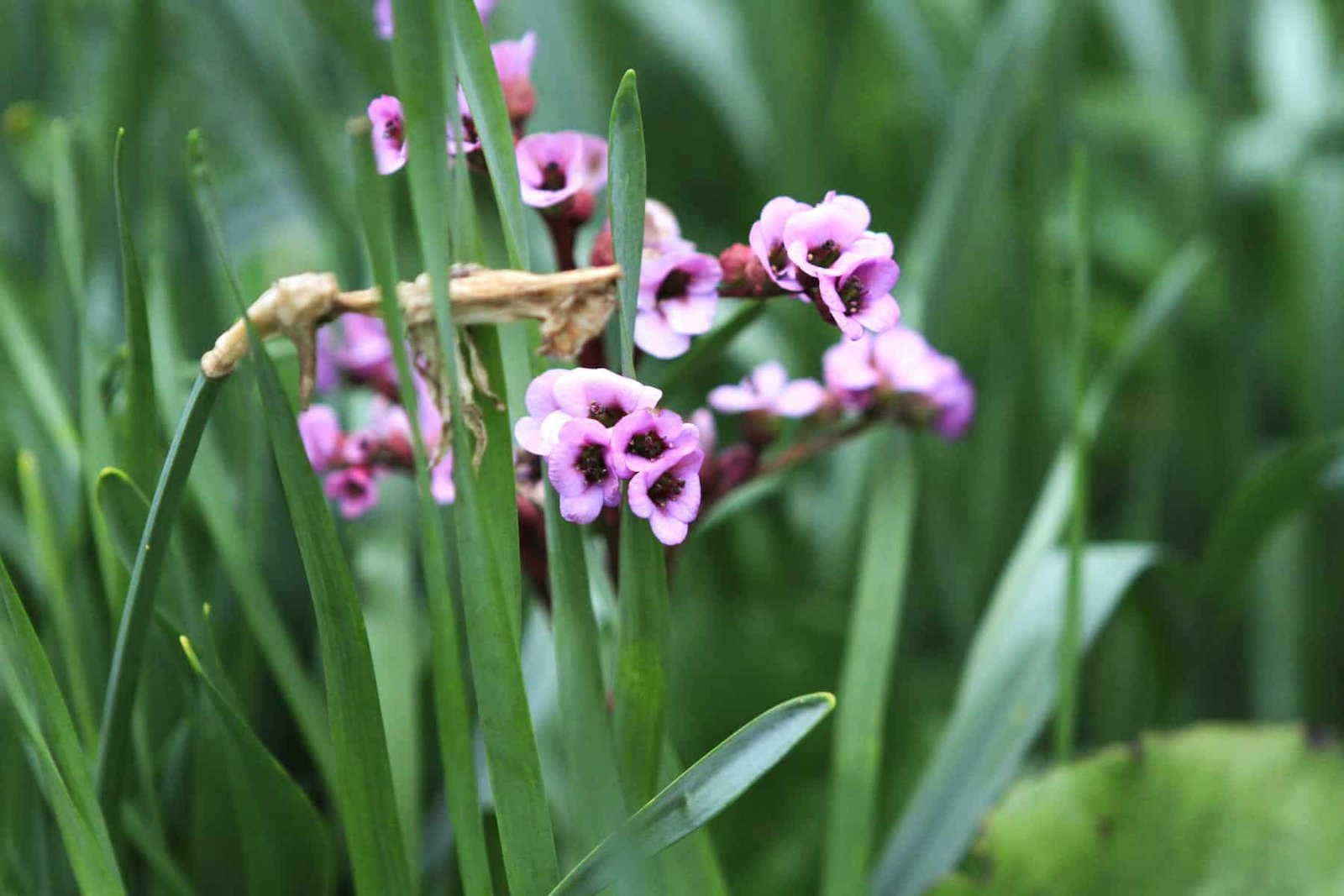
Rapolas Passage
Location: Šnipiškių st. 2
Latin plant names are plentiful on this route, but as you go further, there’s one more term to know – allelopathy. As the encyclopedia says, this is one plant’s effect on others through the release of liquid or gaseous substances (phytoncides, cholines). In short, allelopathy is the chemical love between plants. Monks studied this science in the Middle Ages. At first, their knowledge was intuitive, based on years of observation, only later becoming a separate field.
Rapolas Passage near St. Raphael the Archangel Church and the former monastery ensemble takes you back to the gardens of monasteries. In spring 2025, the renovated space was planted with species chosen specifically for their compatibility (remember allelopathy?).
Bloom calendar: Best in May, with woody peonies. The next peak is June–July, with yarrow, daylilies, and sage. In autumn, asters join the show.
↩︎ Back to list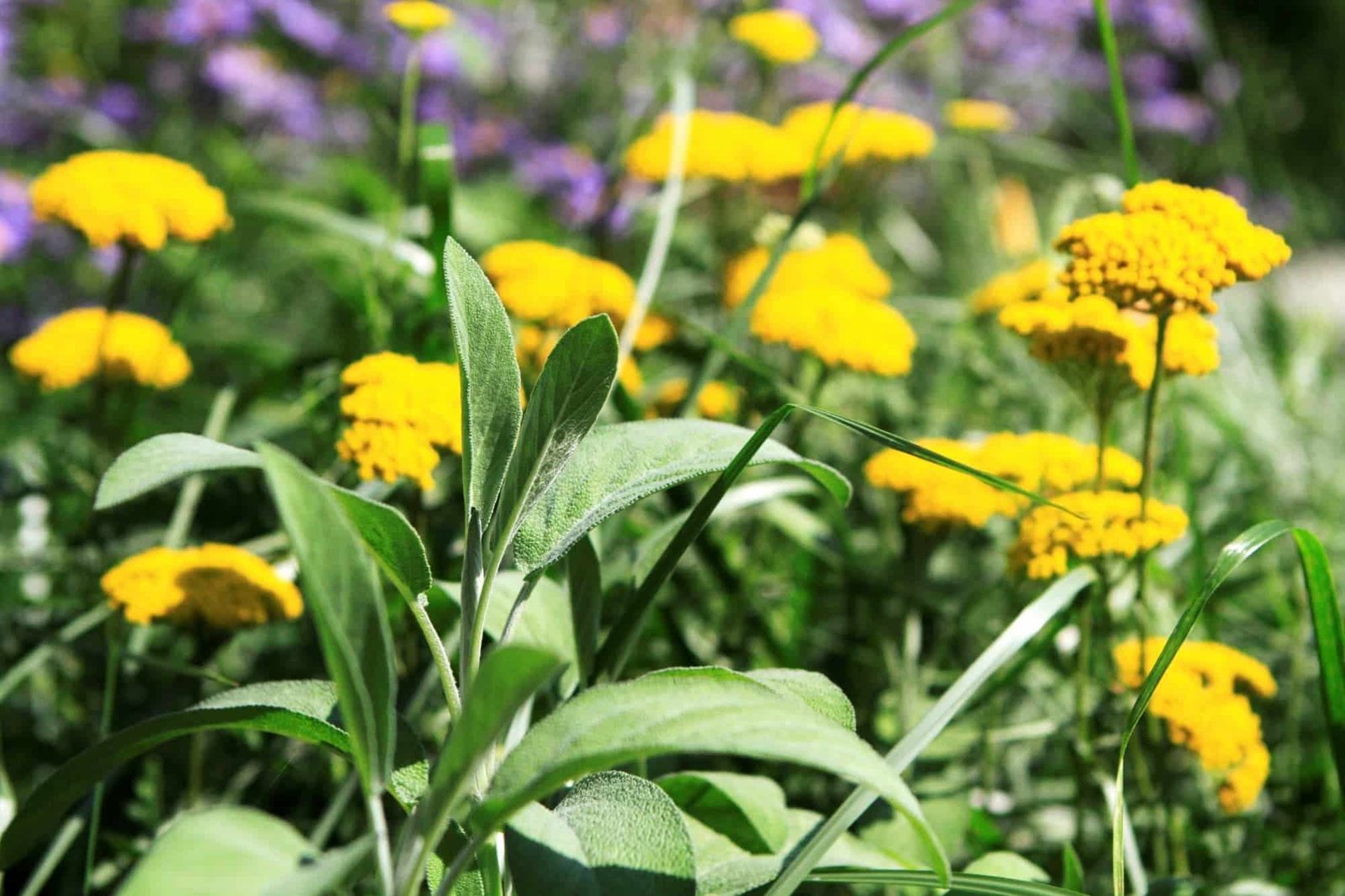
CUP Garden
Location: Konstitucijos Ave. 12
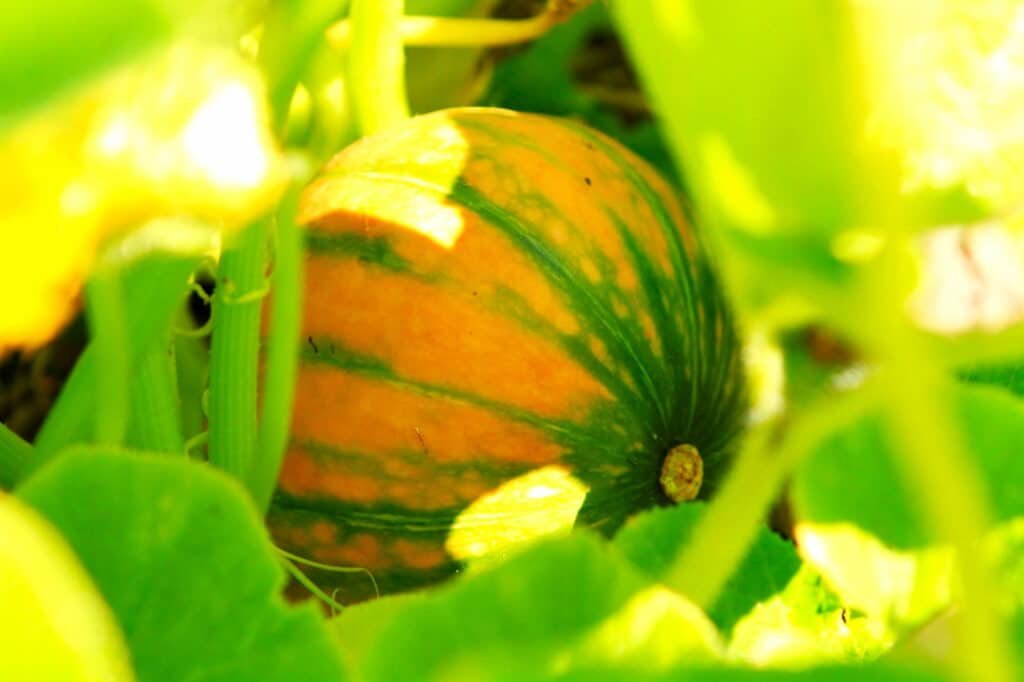
Four hundred pumpkins, nearly as many chards, kale, corn, scarlet runner beans, fennel, and almost one hundred field tomatoes. That was the first vegetable assortment sown in 2023 when the city garden was established at the entrance to the CUP shopping center, on the 3rd floor. Alongside the vegetables, they planted marigolds, nasturtiums, Tagetes, apple mint, and cosmos.
The city garden, or edible flowerbed, is an alternative to more traditional gardens. They’re very popular in Scandinavia and Western Europe because they look beautiful and also educate city residents, especially children, about plants and vegetables. The CUP garden covers 700 sq. m and practices crop rotation each year to keep the soil healthy. Every autumn, the garden hosts a harvest festival. Children from kindergartens come to pick what would otherwise be lost in winter.
Plant variety: Different plants are sown every year.
Bloom calendar: Depends on the crops planted that year.
↩︎ Back to list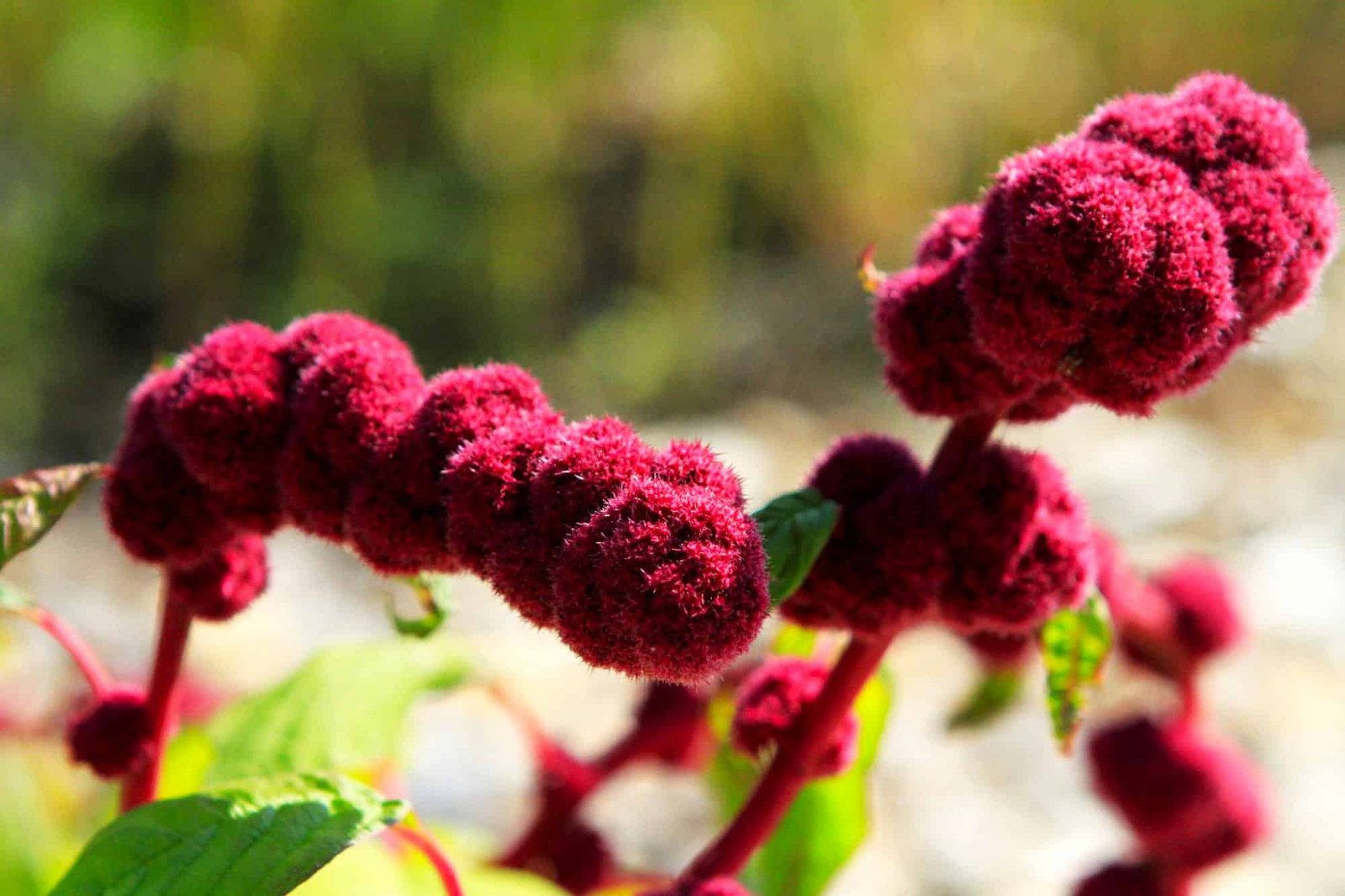
Crystal meadow
Location: Upės st.
Right next to CUP, you will actually find a real slice of New York in Vilnius. Meanwhile, the city is constantly growing in every way. On the right bank of the Neris, glass towers are rising ever higher. In particular, one that stands out is the 82-meter crystal-shaped Artery skyscraper designed by Daniel Libeskind.
According to Vilnius city park landscape architects, the plants in Crystal Meadow create a strong connection between the river and the building’s public spaces. Furthermore, the greenery was chosen to match the riverbank flora, maintaining unity and a balance between concrete surfaces and natural green. Here, you’ll find gray-green plants that match the leaning willow by the White Bridge. Only near the building are there heavier plants – yew and evergreen sedges.
Plant variety: Sporobolus heterolepis, Bouteloua gracilis, Pennisetum alopecuroides, Salix purpurea, Sanguisorba officinalis Alba.
Bloom calendar: The plants look beautiful throughout the seasons.
↩︎ Back to list
Washington Square Flowerbed
Location: J. Tumo-Vaižganto St. / Lukiškių St.
You cannot miss Washington Square because of its cozy fountain. However, it’s worth stopping not just to enjoy the water jets, but also to admire the flowerbed while sitting on a bench. This is an award-winning city flowerbed. In 2025, it won second place in the international “most beautiful city flowerbed” contest for the three Baltic capitals! The judges praised its subtle, calm beauty and dominant white blooms.
You also see white on the US flag. After all, this square is like an open-air American embassy, open to everyone. It was renamed Washington Square in 1996, following a visit by US Secretary of State Madeleine Albright. A memorial plaque by the fountain features the July 23, 1940 declaration by US Secretary of State Sumner Welles, condemning the occupation of the Baltics and supporting their independence. On the same date in 2020, the fountain was turned on after reconstruction, with plenty of ornamental grasses and natural greenery planted around it.
Plant variety: In sweeping masses of tufted hairgrass (Deschampsia caespitosa) you’ll find roses (Rosa Musquee sans Soucis, Lac Majeau), white daylilies (Hemerocallis), Aster divaricatus, and Hakone grass (Hakonechloa macra).
Bloom calendar: These flowerbeds impress all season with their geometric textures and subtle beauty.
↩︎ Back to list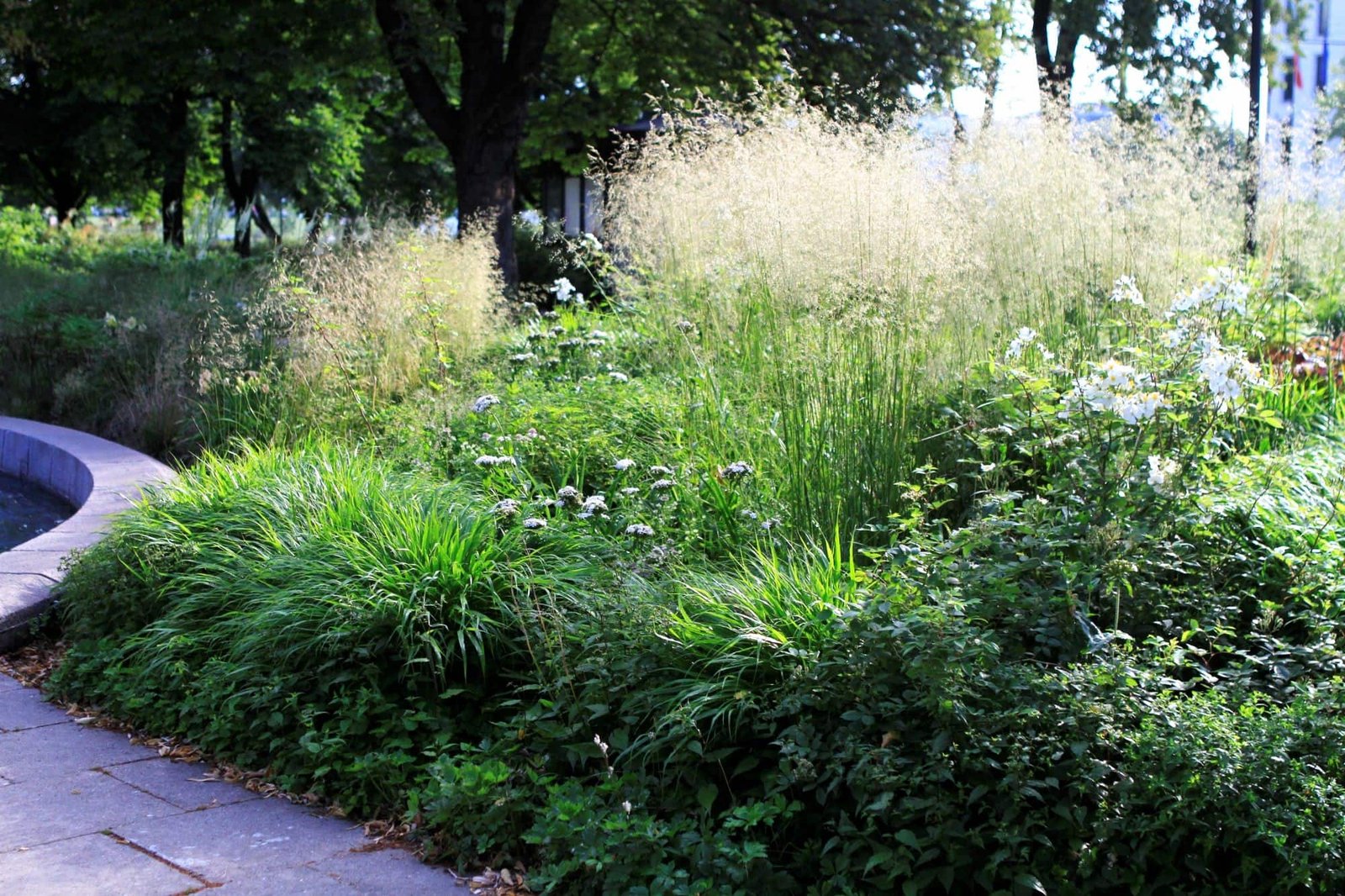
Lukiškės Square Annual Flowerbed
Location: Lukiškės Square
Let’s cross the street and move from North America to South America. Now, we’re at Lukiškės Square. In the 15th–16th centuries, Lukiškės was a suburb where people farmed and had gardens. After the square’s reconstruction in 2017, it’s hard to imagine those old vegetable plots. Instead, you might feel transported to Buenos Aires. Why? Here’s why.
Lukiškės Square has the only remaining annual flowerbed in Vilnius. Since the city is diverse and home to many residents and guests of different ages and tastes, this flowerbed is for those who love the charm and energy of annuals – even if they are not the most ecological or sustainable choice. Here, you’ll see everyone’s favorite annuals: a fresh breath among the square’s geometric paving.
Plant variety: Gaura, Salvia ‘Amistad,’ Cleome, Pennisetum, and others.
Bloom calendar: It blooms continuously.
↩︎ Back to list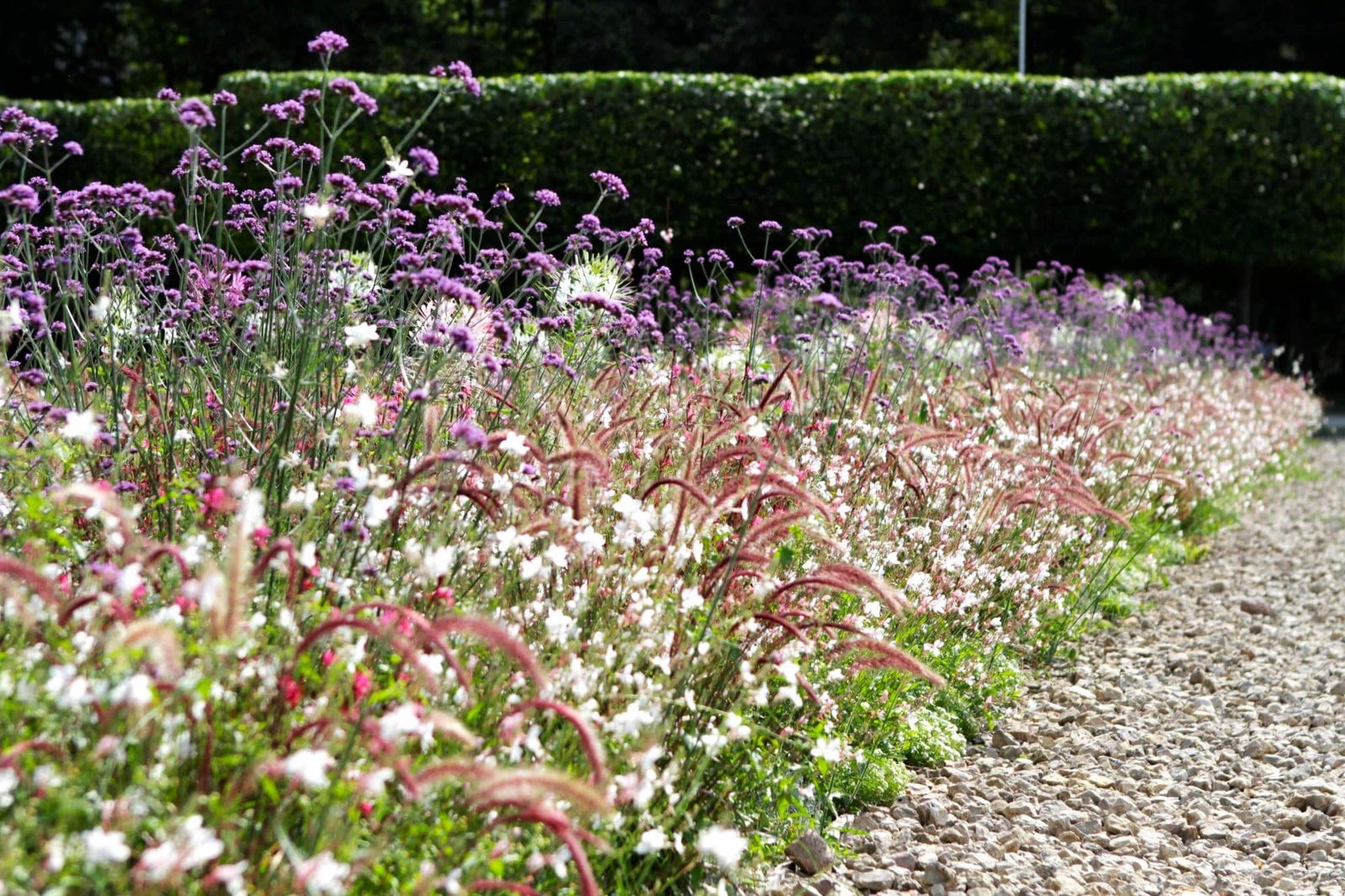
Žemaitė Square Flowerbed
Location: Žemaitė Square, Gedimino Ave.
As you walk from Lukiškės Square to Žemaitė Square, you can reflect on a darker side of history that connects these different spaces. In fact, many people associate Lukiškės with its former prison. In 1917, Tsarist authorities imprisoned the famous writer Žemaitė there for two weeks because of an article they considered displeasing. Even while in jail, Žemaitė showed her strong will – she demanded a sauna, hot water, and better food.
The city’s landscape architects wanted to evoke the places where Žemaitė grew up and lived. The flowers in Žemaitė Square were chosen to represent her personality, lifestyle, and home. The newly renovated square now features new beds and a small oasis of natural greenery. Plants are grouped by height to create wave-like patterns, both horizontal and vertical – like a forest.
Bloom calendar: Blooming starts in March, even before the snow melts. The first to appear is witch hazel, quickly followed by snowdrops and crocuses. In late spring, you see fragrant bedstraw, black cranesbill, and others, plus apple trees and jasmine. In summer, goatsbeard, asters, and anemones bloom until the first frost. This woodland planting is calm and beautiful all season.
↩︎ Back to list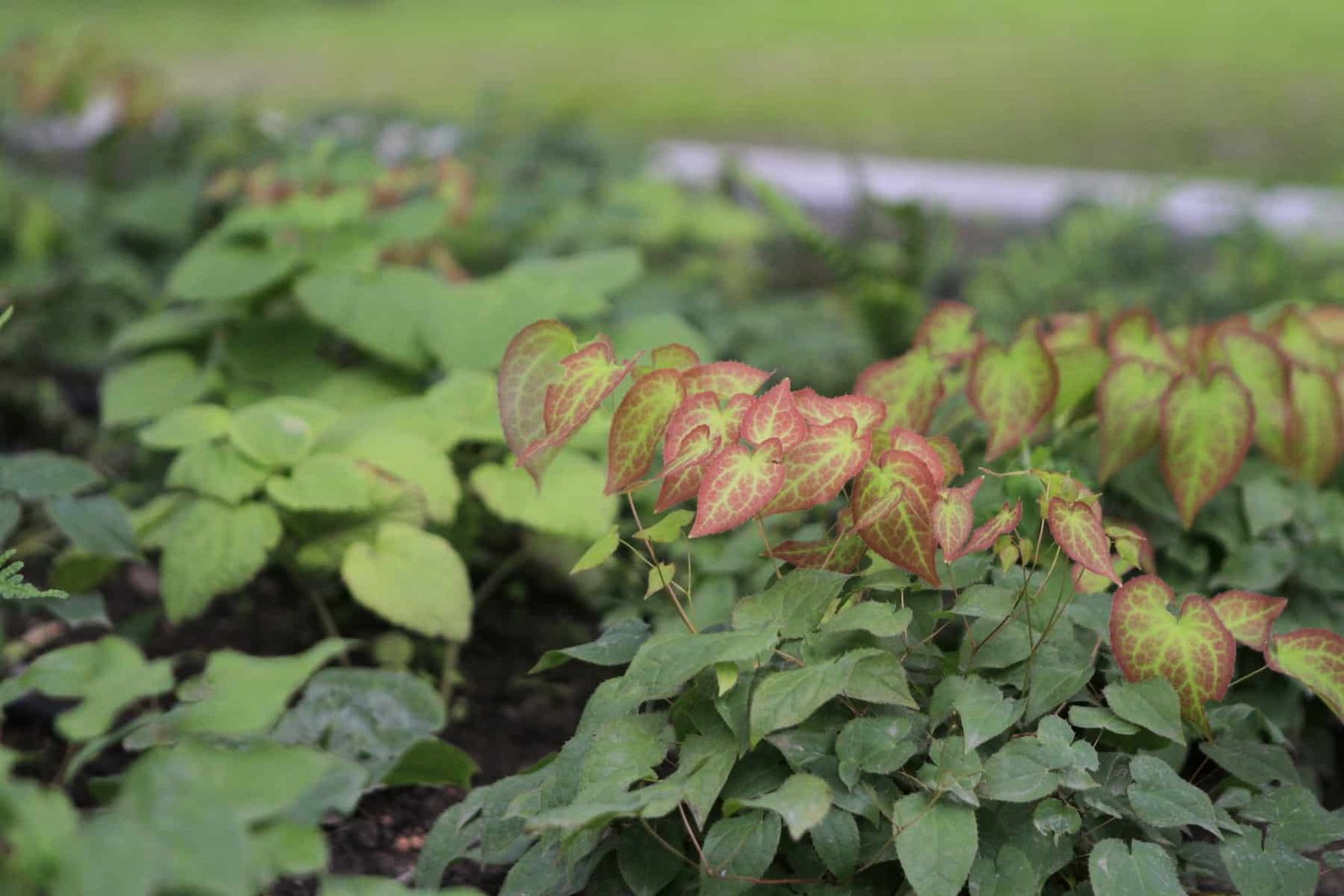
Opera and Ballet Theatre Rose Garden
Location: A. Vienuolio St. 1
Following this thread of feminine creativity, the route leads to the Opera and Ballet Theatre. Designed by architect Elena Nijolė Bučiūtė in 1974, this late-modernist building reflects a unique combination of rich architecture and an uplifting atmosphere. As a result, inspired by these qualities, a rose garden was created here, featuring a distinctive palette of rose colors.
Moreover, designers created the first smart rose garden in the city here, pairing roses with perennials that act as a “petticoat” – they cover the stems, retain moisture, and prevent weeds. As a result, the rose concept has expanded from this location to the Goštauto, Žirmūnai, and Petro ir Povilo roundabouts, as well as throughout the city.
In 2025, the Opera and Ballet Theatre rose garden triumphed in the Baltic capitals’ “most beautiful flowerbed” contest. It also won the Vilnius residents’ choice award.
Bloom calendar: Blooming starts in May. Moss phlox signals that roses will soon join the show. Before the roses, you’ll see cranesbill, campion, and others, while sweet woodruff forms the perfect accompaniment as the roses begin to bloom.
↩︎ Back to list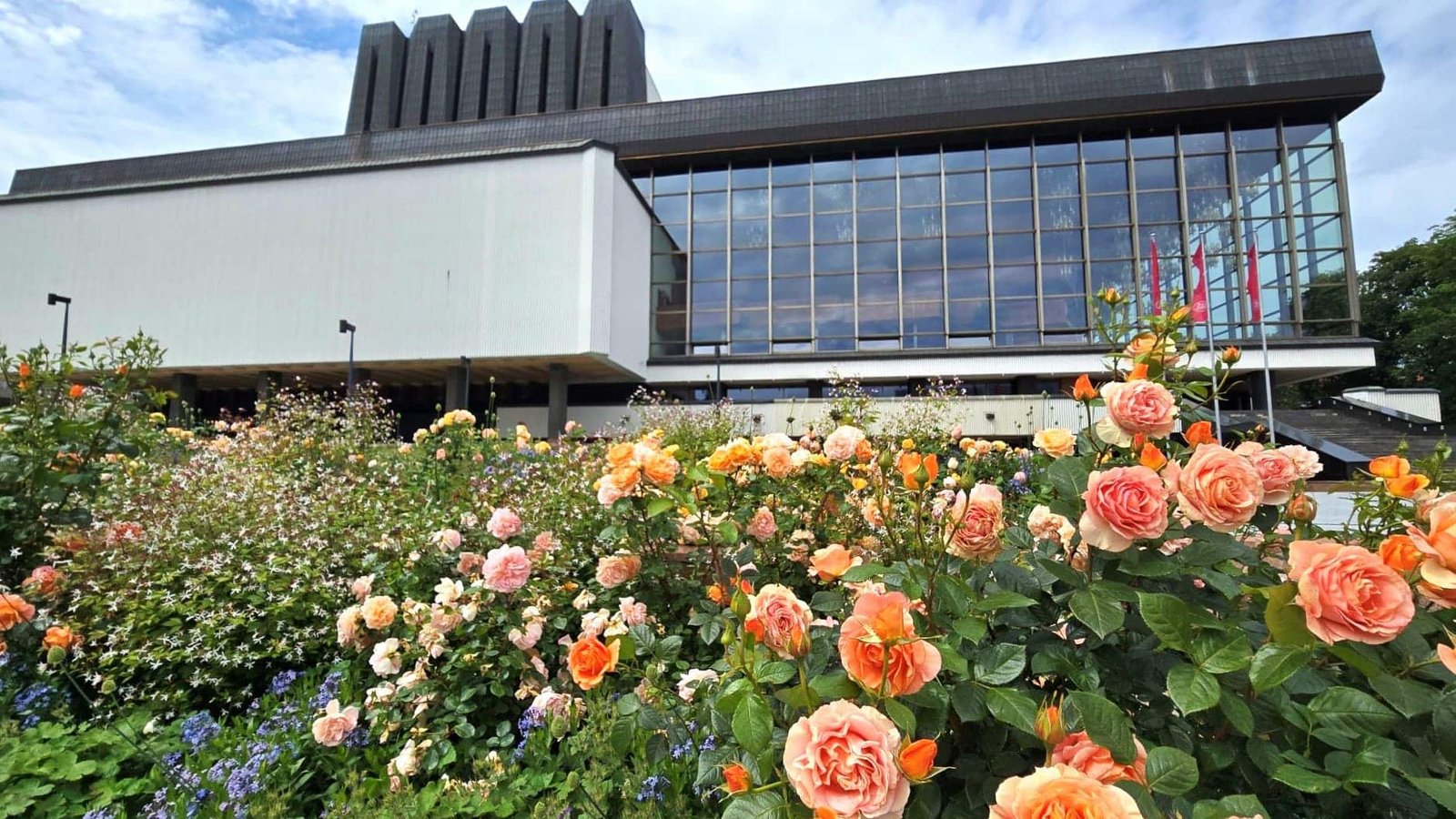
Laurynas Stuoka-Gucevičius Square Flowerbed
Location: Laurynas Stuoka-Gucevičius Square
Flowers here make you think about seemingly unrelated figures. Among the soft pink shrub roses – called Mozart roses – you can reflect on the fact that both the famous composer and L. Stuoka-Gucevičius were contemporaries in the late 18th century. While one composed timeless music, the other designed Vilnius’s cathedral and city hall. Lithuanian breeders have named roses after Maironis and Čiurlionis, but not yet after Stuoka-Gucevičius.
The flowerbed is small but full of character. It honors L. Stuoka-Gucevičius and his enduring works. The beds here are also sustainable, adaptive, and sturdy.
Bloom calendar: Early spring until late autumn.
↩︎ Back to list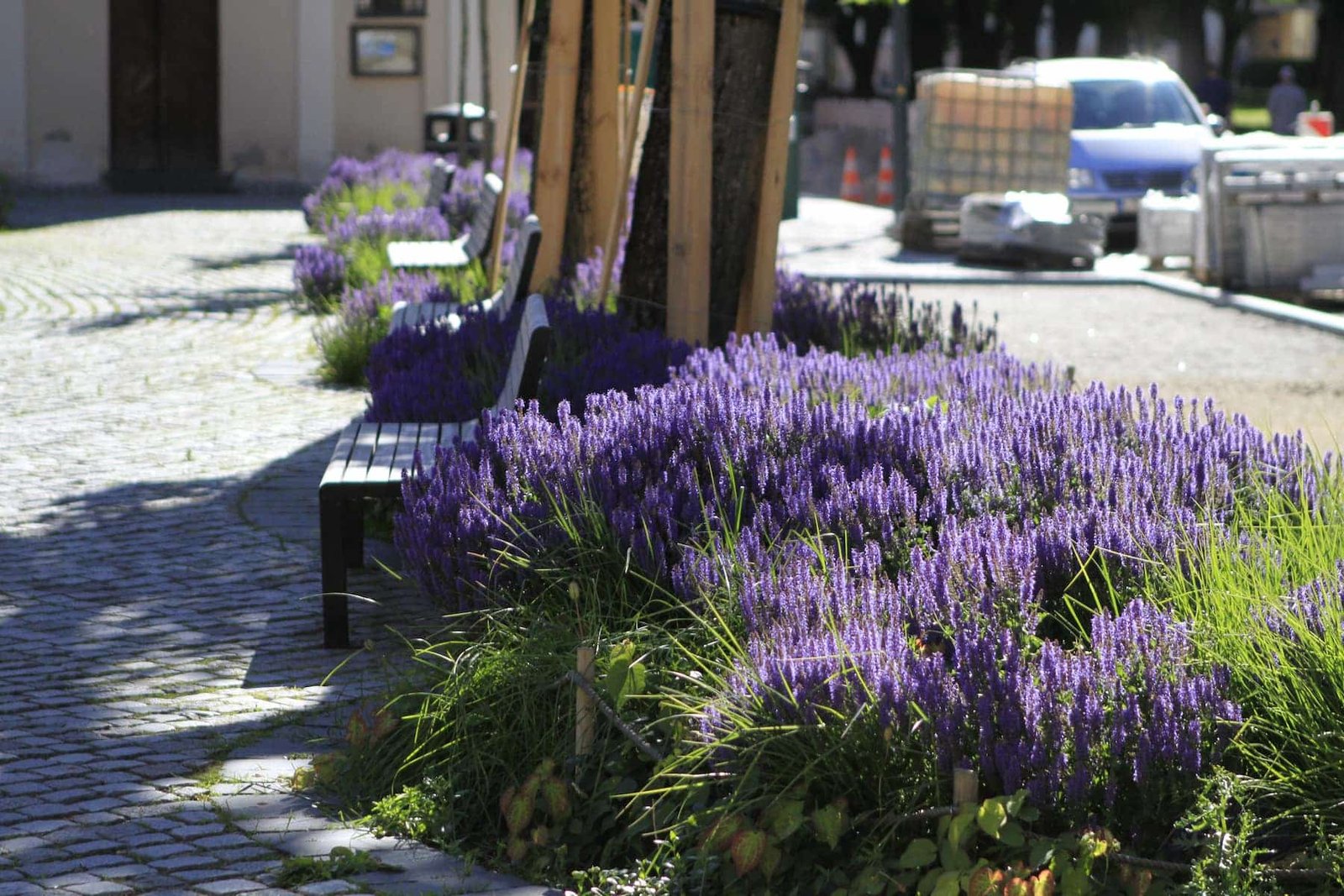
Vincas Kudirka Square Flowerbed
Location: Vincas Kudirka Square
This route wouldn’t be complete without mentioning a symbolic coincidence – the last word in Vincas Kudirka’s “National Hymn” is “Težydi” (“Let it bloom”). So, in the square named for this writer and publicist, you’ll find a flowerbed that mirrors the other blooming sites of the city.
Here, plants echo those from other Vilnius flowerbeds – woody peonies, roses, asters, and phlox – creating a sense of unity. Additionally, the plants were chosen to match the architecture and Kudirka’s creative, strong, and sensitive character.
Bloom calendar: It blooms all season – visit any time of year.
↩︎ Back to list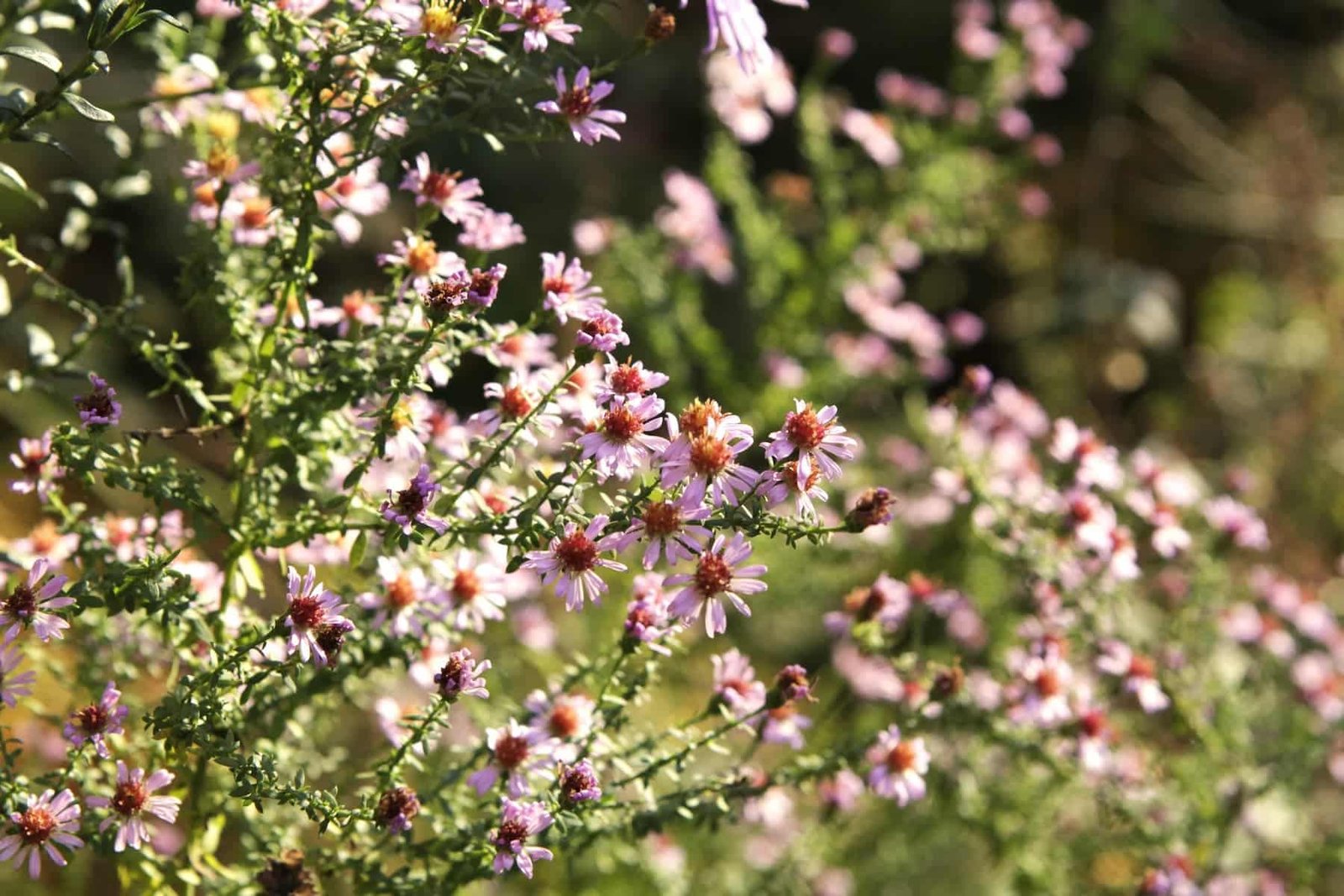
Konstantinas Sirvydas Square Flowerbed
Location: Konstantinas Sirvydas Square
Which smells better – books or flowers? In fact, you can ponder this very question near Vilnius University, in the square named for Konstantinas Sirvydas, who published the first Lithuanian dictionary in 1620. Moreover, the square stands as a symbol of education and culture. Its flowerbed, thoughtfully designed, aims to create a positive atmosphere and a welcoming place to gather. As one of the stops on the route through Vilnius most beautiful flower beds, its thoughtfully designed flowerbed aims to create a positive atmosphere and a welcoming place to gather.
Native grasses, such as tufted hairgrass and reed grass, create a Lithuanian meadow. Roses are paired with native and modern plants.
Interestingly, the idea to plant fragrant roses came from the neighborhood – embassies, foreign guests, and a cosmopolitan vibe. Additionally, plant choices also reflect the building colors and historical context. As a result, the flowerbed is dynamic, innovative, and always blooming.
Bloom calendar: Blooms from early spring – lungwort, geraniums, primroses – followed by bellflowers, phlox, roses, and, in autumn, asters.
↩︎ Back to list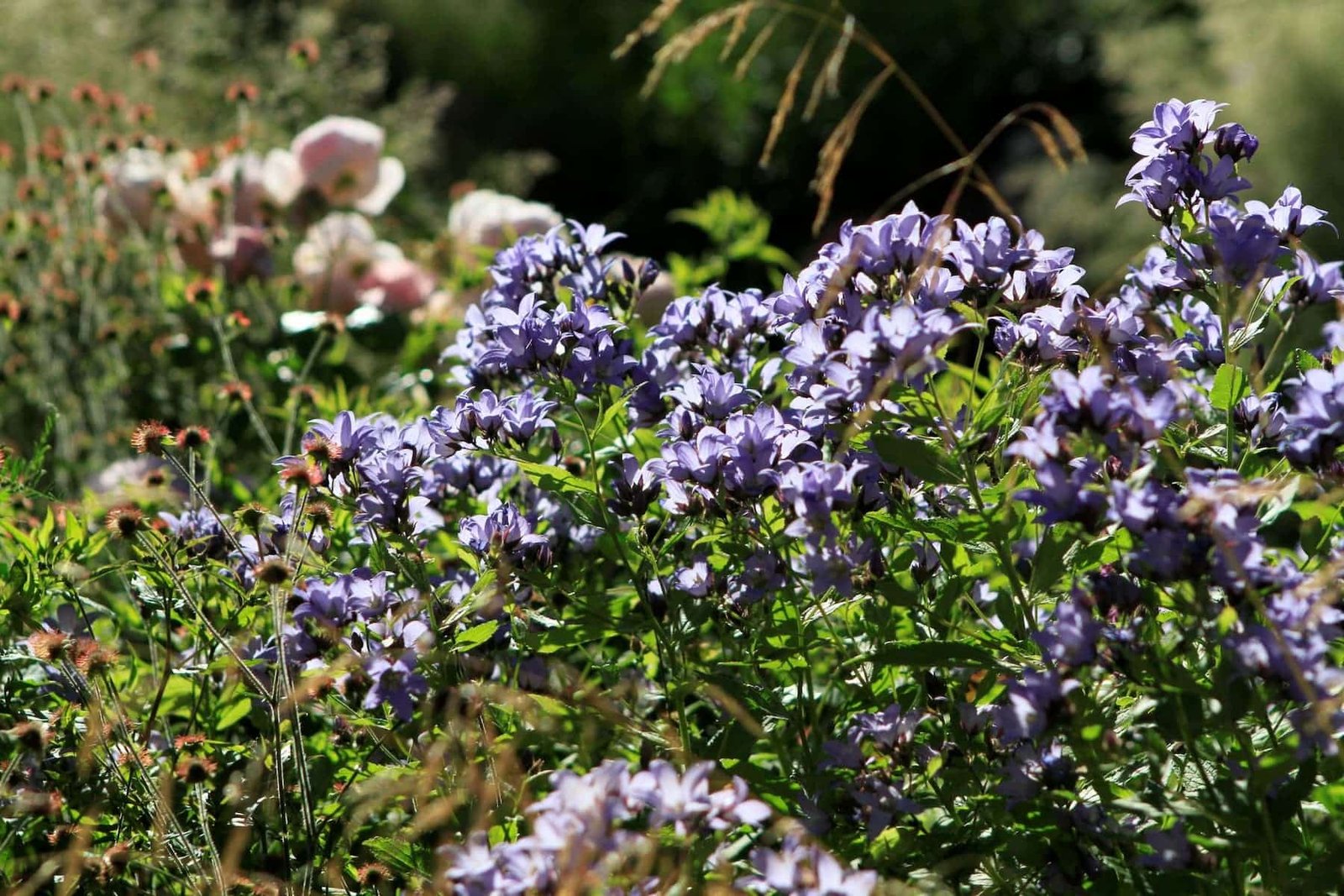
Bokšto Square Flowerbed
Location: Bokšto St. 6
Where, back in the eighteenth and nineteenth centuries, Vilnius’s largest hospital (Savičius Charity Hospital) once stood, now you’ll find a cozy public space with an inner courtyard, a modern restaurant, and a spa. Moreover, a restored baroque silhouette of the former chapel and gates now leads you into the square.
Additionally, a privately developed small garden features a rectangular flowerbed, laid out like a carpet. Plants of different heights break up and visually expand the space. The main flowerbed was designed to showcase a variety of colors and textures, with blooms succeeding each other from spring all the way through fall. Meanwhile, along the edges, smaller patches of perennial plants add calm, single-color accents, playing with differences in plant height.
Bloom calendar: From early spring to late autumn.
↩︎ Back to list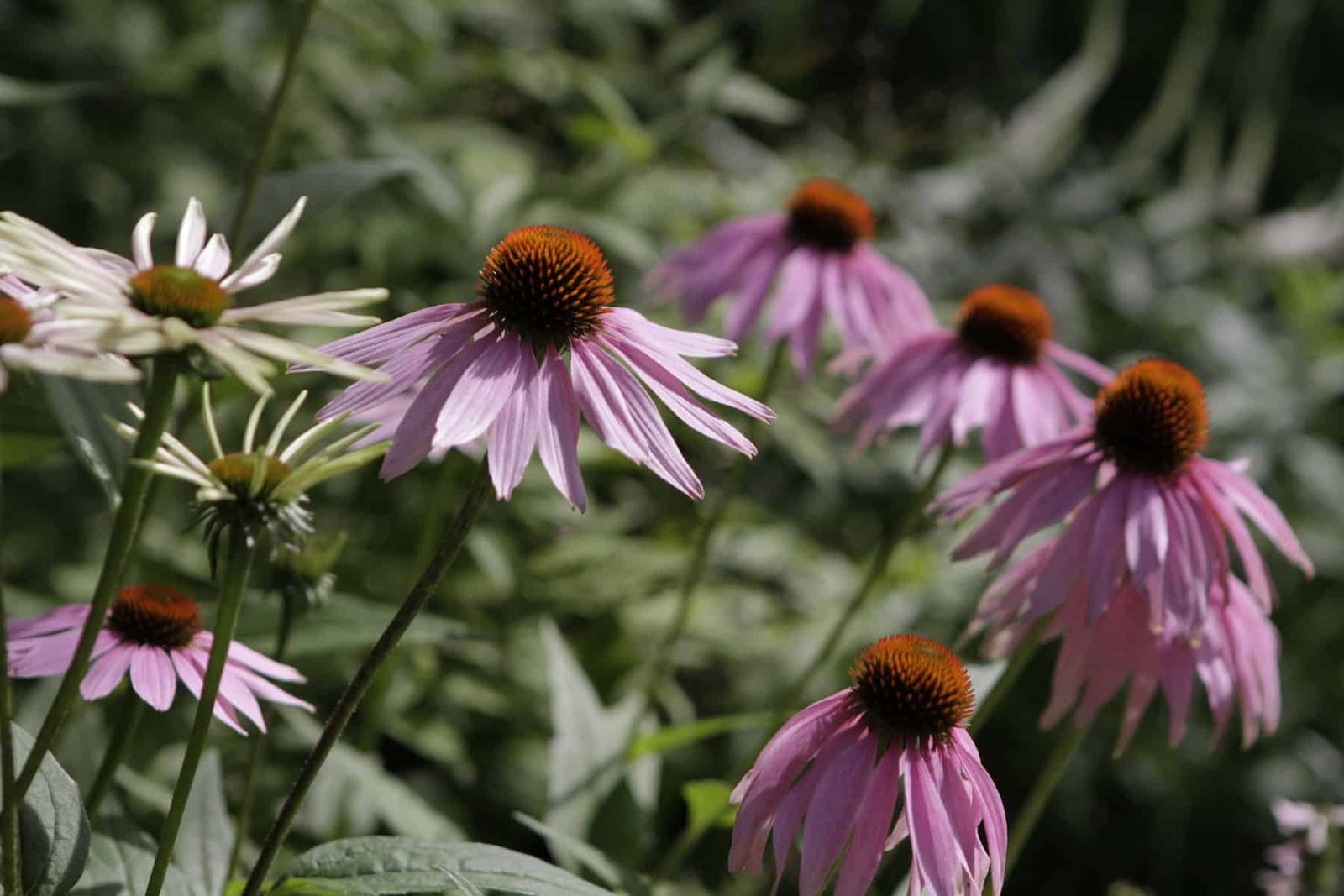
Rūdninkų Square Rose Garden
Location: Rūdninkų Square, Rūdninkų St.
“Plants and green spaces create a connection between us and our homes. It’s a more ecological approach to city living,” says landscape designer Renata Mikailionytė, who created this flowerbed.
At its heart, the project aimed to establish a sense of place, since this area was once part of the Vilnius Ghetto. Over time, the roses here have come to represent many meanings – aristocracy, sacredness, love, death, and femininity.
Each plant tells its own story, while the combination of ancient rose blooms, perennial meadow plants, and herbs creates a unique blend of modernity and nostalgia.
Bloom calendar: From spring to autumn, with a pause in midsummer.
↩︎ Back to list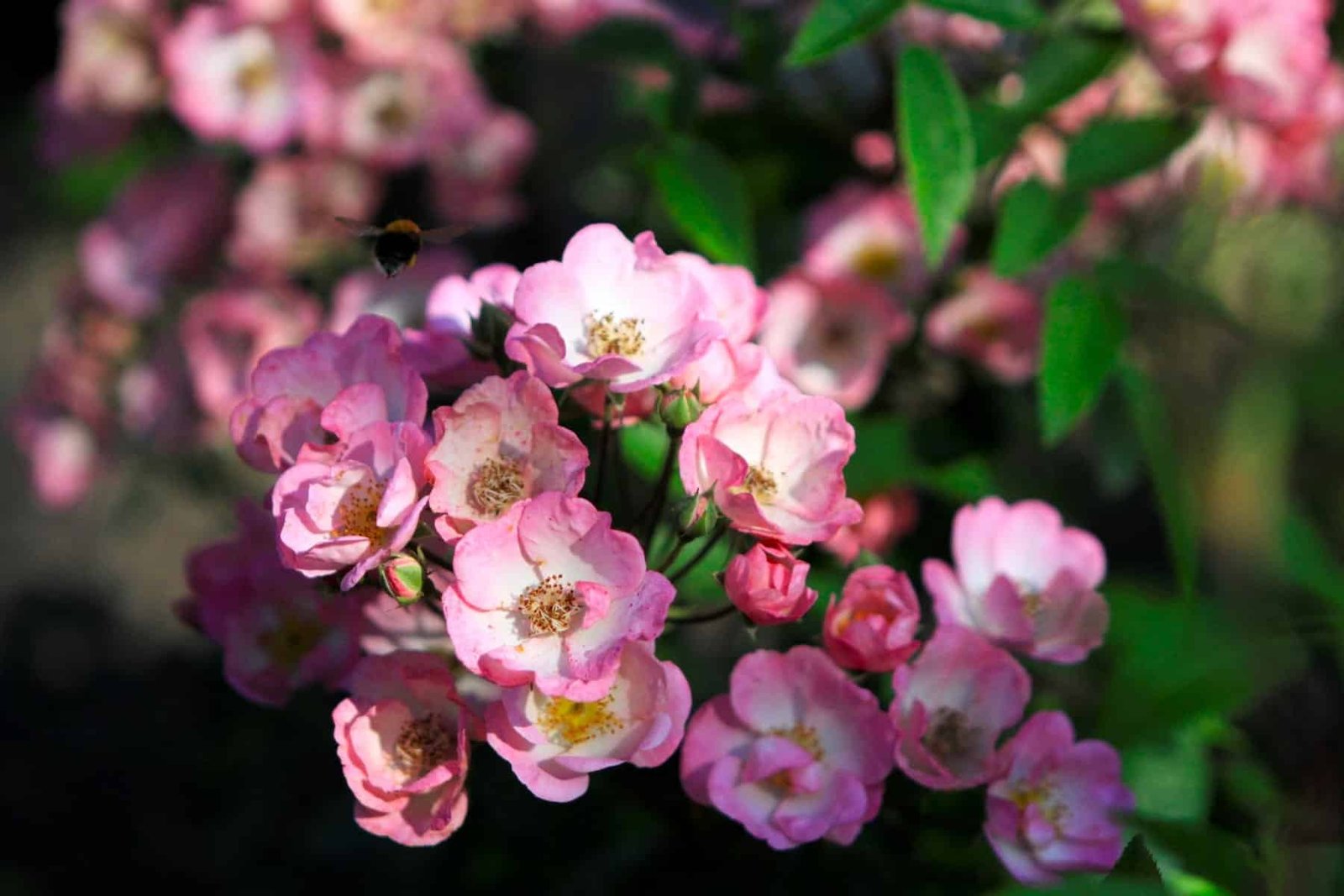
Vingriai Square Flowerbed
Location: Vingriai Square
Vingriai Square draws attention with its giant water lily blooms – artist Severija Inčirauskaitė-Kriaunevičienė embroidered them on an industrial water tank. Moreover, this square connects directly to Vilnius’s water history, since the old city water supply drew from natural springs here for over 400 years.
When designing the flowerbed, plant choices were based on several factors – water, history, and a sense of naturalness. In addition, the designers selected grasses to match those in the MO Museum courtyard, and they included other native meadow plants to further highlight Lithuanian character.
Bloom calendar: From spring to August; in late summer, grasses take over.
↩︎ Back to list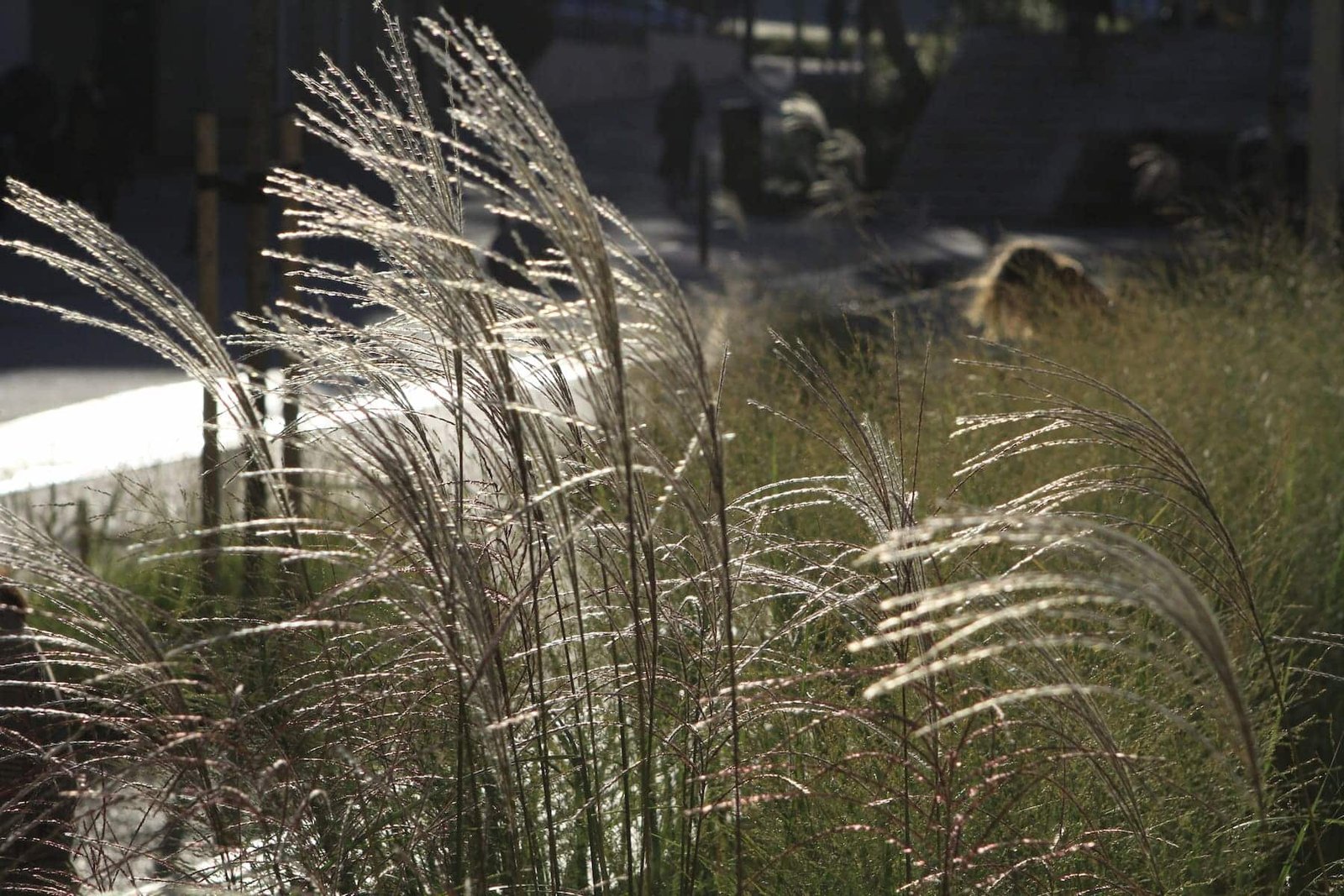
Tauro Hill Flowerbed
Location: Tauro Hill
By 2027, the lights of the National Concert Hall will illuminate Tauro Hill. Furthermore, the architects plan for the rising modern building to blend seamlessly into the hill’s green spaces, giving both Vilnius residents and visitors the chance to enjoy panoramic views of the city. The new flowerbed – planted in 2025 – is ornate, vibrant, and shimmers as the perfect backdrop to the cityscape. The plants here are extremely dynamic and constantly changing, which brings a sense of life and movement to this otherwise monumental hill. After visiting all the city’s other flowerbeds, it’s definitely worth testing your plant-spotting skills here.
Bloom calendar: Blooms all season.
↩︎ Back to list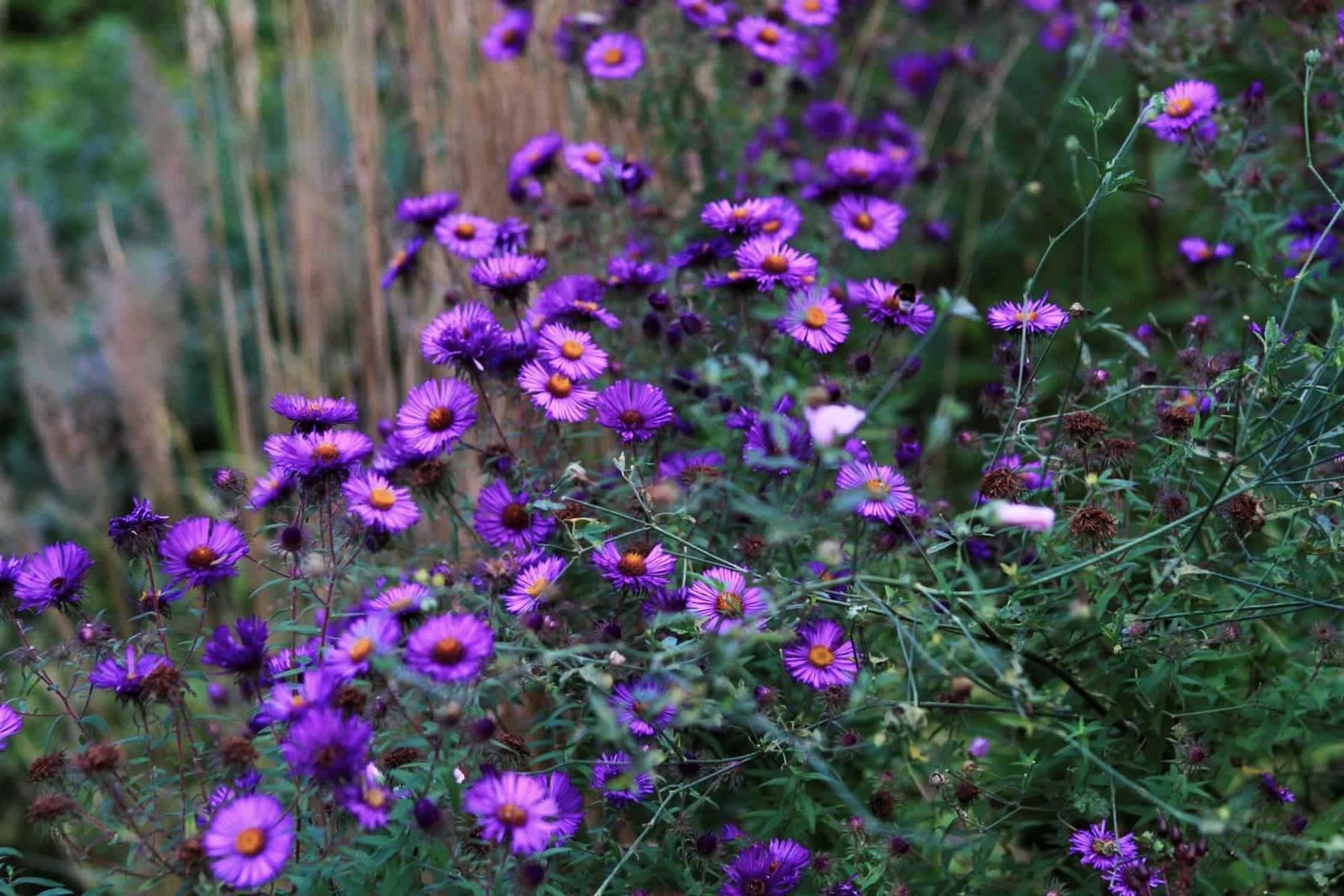
Sofija Kymantaitė-Čiurlionienė Square Flowerbed
Location: Intersection of M. K. Čiurlionis St. and V. Kudirka St.
Vilnius is the city where artist Mikalojus Konstantinas Čiurlionis and Sofija Kymantaitė met, and where their feelings for each other first blossomed. Written sources even record their famous meeting atop Gediminas Hill: “The last evening – we decided to wait for dawn on Gediminas Hill. Vilnius on a summer night, Vilnius at dawn as seen from Gediminas Hill! It was as if the city was created for it. No wonder so many of MKČ’s paintings feature fantastic cities. And Vilnius at night looked like the most beautiful fairytale.” (“Letters to Sofija. Mikalojus Konstantinas Čiurlionis,” ed. Vytautas Landsbergis). The artist passionately supported the idea of building the House of the Nation on Tauro Hill. It is symbolic that right here, next to M. K. Čiurlionis Street, you will find a square dedicated to the composer’s wife, Sofija Kymantaitė-Čiurlionienė.
The plants in the square’s flowerbed were chosen to honor Sofija. Indeed, she was strong, intellectual, and determined – a true promoter of the Lithuanian language and literature – so she deserved a flowerbed filled with resilient, long-lived plants that were once grown in Lithuanian courtyards, perhaps even by Sofija herself. Naturally, the designers adapted the plant selection to the actual conditions, since the square offers plenty of shade, mature trees, and no irrigation system. Nevertheless, despite all these challenges, you can visit and enjoy the square’s green heritage!
Bloom calendar: Blooms all season.
↩︎ Back to list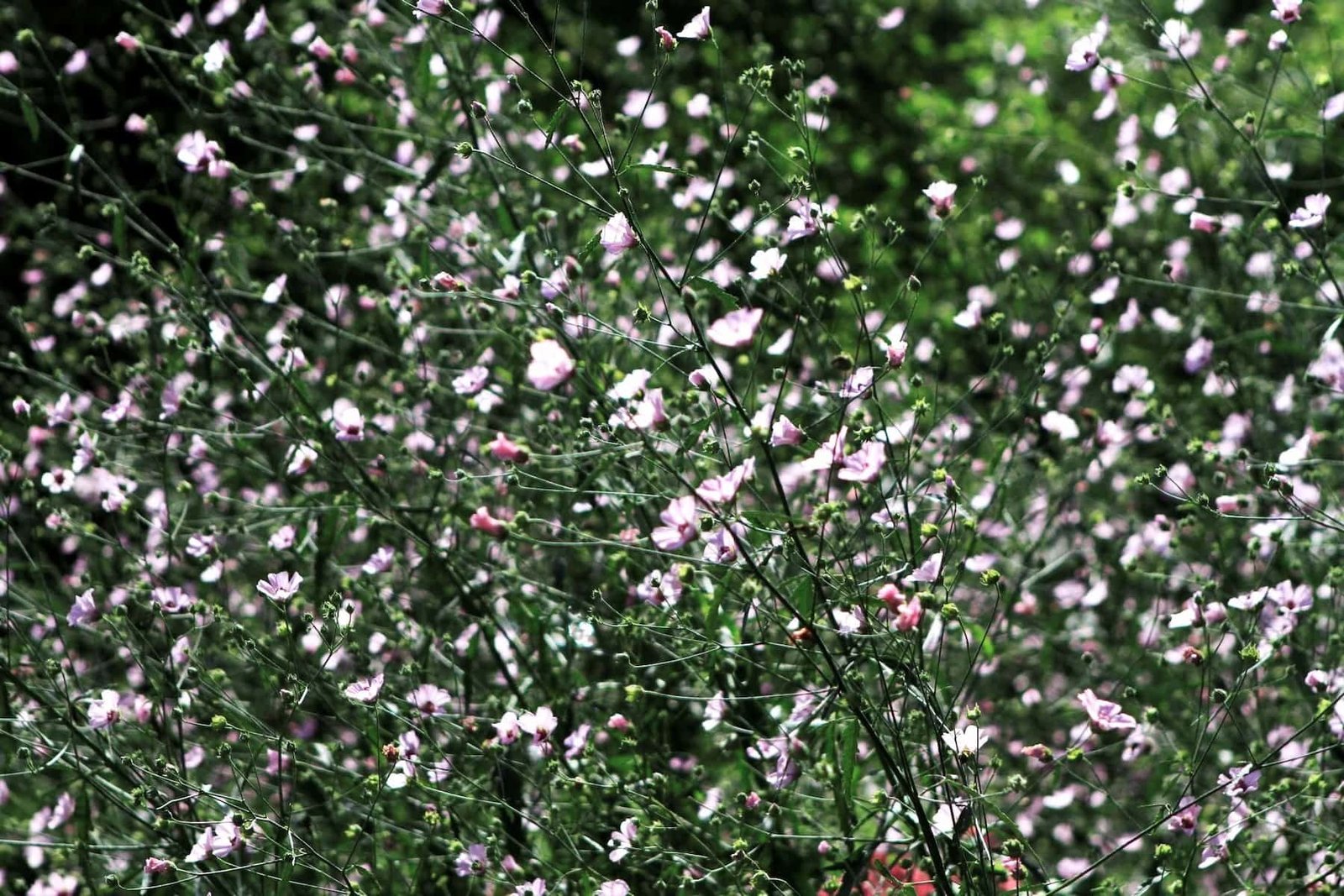
Steponas Kairys Square Flowerbed
Location: Steponas Kairys Square, Birutės St.
On the most famous document in Lithuanian history – the Act of Independence signed on February 16, 1918 – you will find twenty signatures. One of them belongs to Steponas Kairys. There is a square dedicated to him in Žvėrynas, on Birutės Street near the Vingis Park bridge. Steponas Kairys was a Lithuanian political and public figure, an engineer, a lecturer at Vytautas Magnus University, and a Righteous Among the Nations; during World War II, together with his second wife Ona Kairienė, he sheltered a Jewish girl from the Vilnius Ghetto.
The flowerbed in Steponas Kairys Square was inspired by several elements, namely the Žvėrynas neighborhood, the nearby river, and Steponas Kairys’s personality. To reflect these influences, the designers scattered roses like pearls throughout a flowing mass of grasses. Moreover, you’ll notice this design approach echoed in other flowerbeds across Žvėrynas. Overall, the aim was to harmoniously blend the area’s natural riverside landscape with the gardening traditions and design trends that have long been popular in Žvėrynas.
Plant variety: Autumn moor grass (Sesleria autumnalis), tufted hairgrass (Deschampsia cps. GoldTau), Frikart’s aster (Aster x frikarti ‘Monch’), white wood aster (Aster divaricatus), woodland phlox (Phlox divaricata ‘Blue Moon’), rose (‘Knockout Rainbow’), black chokeberry (Aronia melanocarpa), and winged euonymus (Euonymus alata).
Bloom calendar: Gentle, lasting all season.
↩︎ Back to list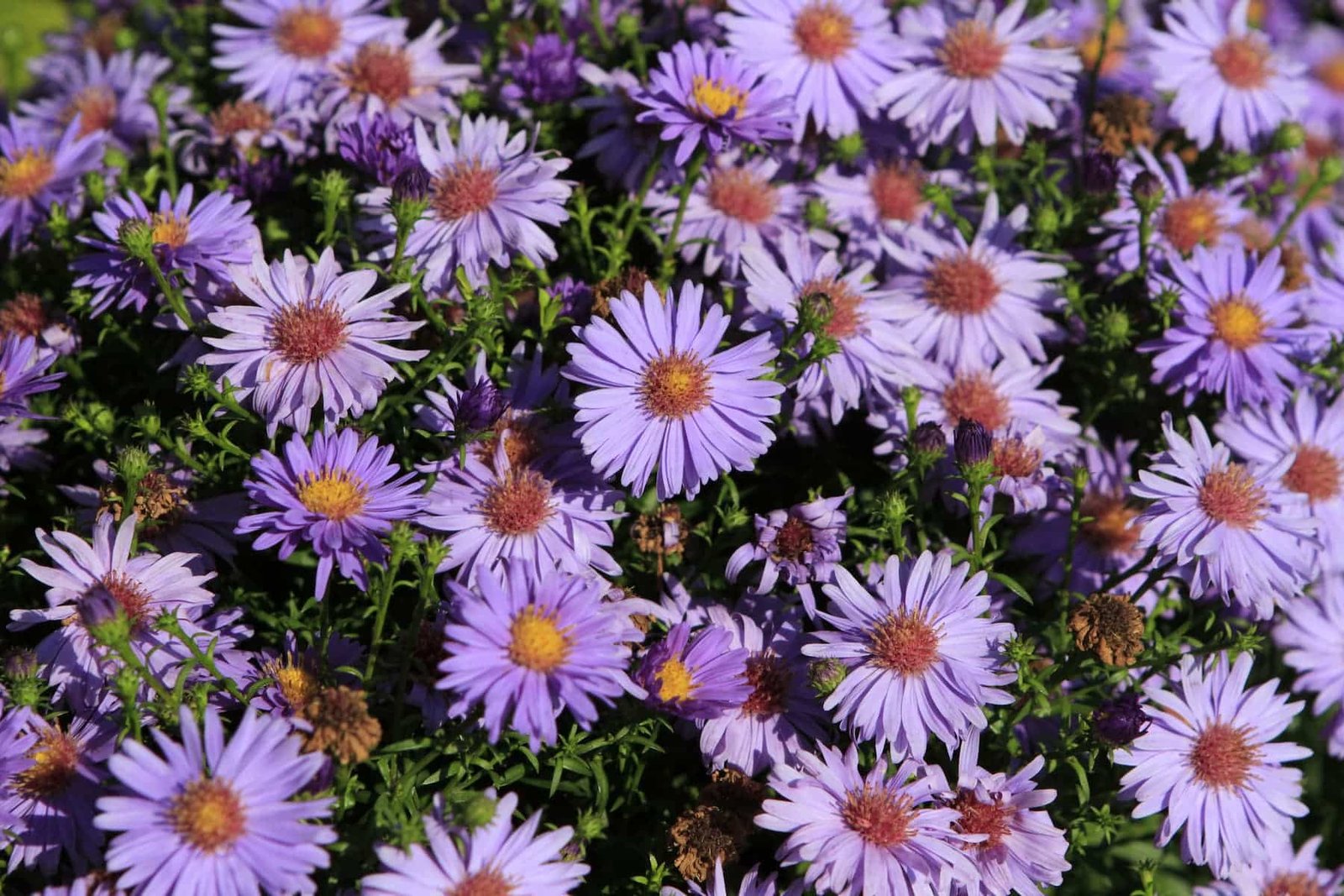
Džochar Dudayev Square Flowerbed
Location: Džochar Dudayev Square, Latvių St. / Saltoniškių St.
Vilnius has maintained its crown of friendliness, openness, tolerance, and multiculturalism since its very founding. In fact, throughout the capital, you can spot not only decorative street name signs in original foreign scripts, but also stumble upon small “islands” of other countries – squares dedicated to the friendship between cities or nations.
The flowerbed in Džochar Dudayev Square, of course, was inspired by the nature of Chechnya. In spring, the flowerbed bursts with color, as bulb flowers take turns blooming and play with colors just like in an oriental carpet. Later, when autumn arrives and nature turns straw-colored and sparse, the flowerbed seems to ripple with its changing relief.
Bloom calendar: Most colorful in spring, but something always blooms until autumn.
↩︎ Back to list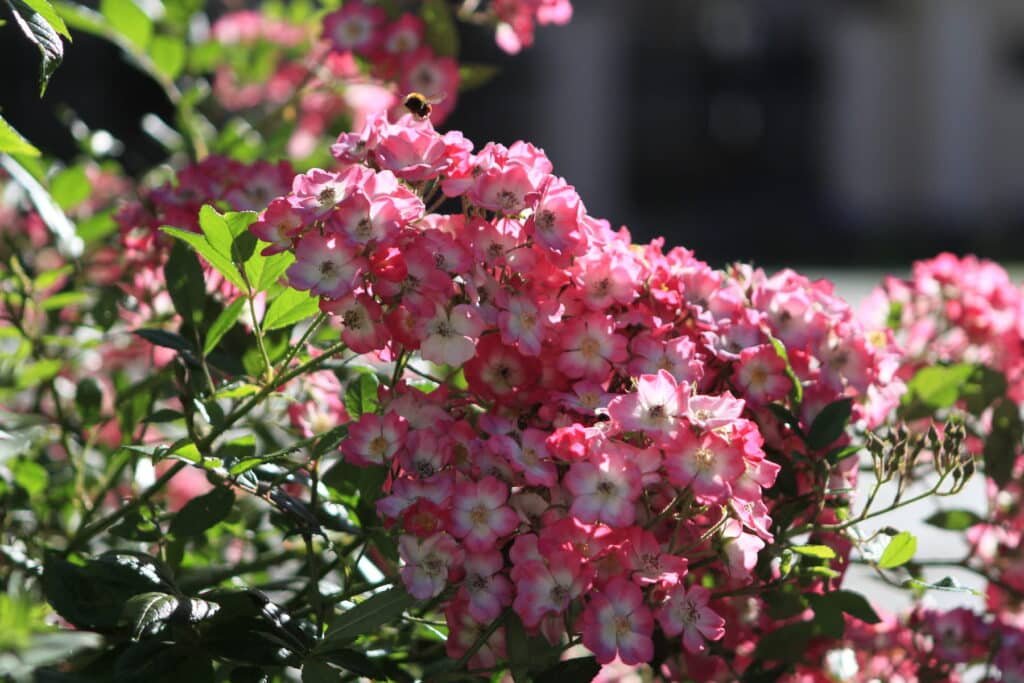
Geležinio Vilko Roundabout Flowerbed
Location: Geležinio Vilko Roundabout
What plant roots do mice dislike? That was the challenge for those designing the Geležinio Vilko roundabout flowerbed, because mice thrive here. As part of the route through Vilnius most beautiful flower beds, this location reveals how thoughtful planting solutions can transform even unexpected urban spaces.
Vilnius recently planted five new traffic circles, including this roundabout. Each is different, but some plants repeat in all. The style here reflects the university, commercial buildings, and the dynamic, modern city. The composition is not just dynamic, but also persistent and vigorous. An irrigation system allows for taller, lusher, and more visible plants.
Bloom calendar: Starts early in spring, peaks in July–August.
↩︎ Back to list