As children grow, travel changes too. Trampolines or carousels are no longer enough. Trips begin to include historical places, interesting museums, and old towns. For parents, this is a real joy. Finally, they can explore history, architecture, and culture together with their children. One of the true highlights of this country is The most impressive castles in Poland: places that will amaze you and leave a lasting impression. This list is a wonderful discovery for family travel. It is especially useful if you are planning a trip to Poland with older children who enjoy not only entertainment but also real history.
The most impressive castles in Poland stand out for their beauty and their real stories. From the moment you enter the castle grounds, the views can take your breath away. Visitors can see royal apartments, historical halls, treasuries, observation towers, carriage collections, and even secret tunnels. The most impressive castles in Poland: places that will amaze you and leave a lasting impression will impress not only parents but also children. This is especially true for those who are just starting to explore the world of knowledge. Such a trip will be both interesting and meaningful.
Some of the castles on this list belong to the famous Eagle’s Nests Trail. This historic route includes about 25 fortresses located between Kraków and Częstochowa. Many of them stand on impressive hills or rocky cliffs.
The most impressive castles in Poland: places that will surprise and leave no one indifferent
Malbork Castle (Zamek w Malborku)
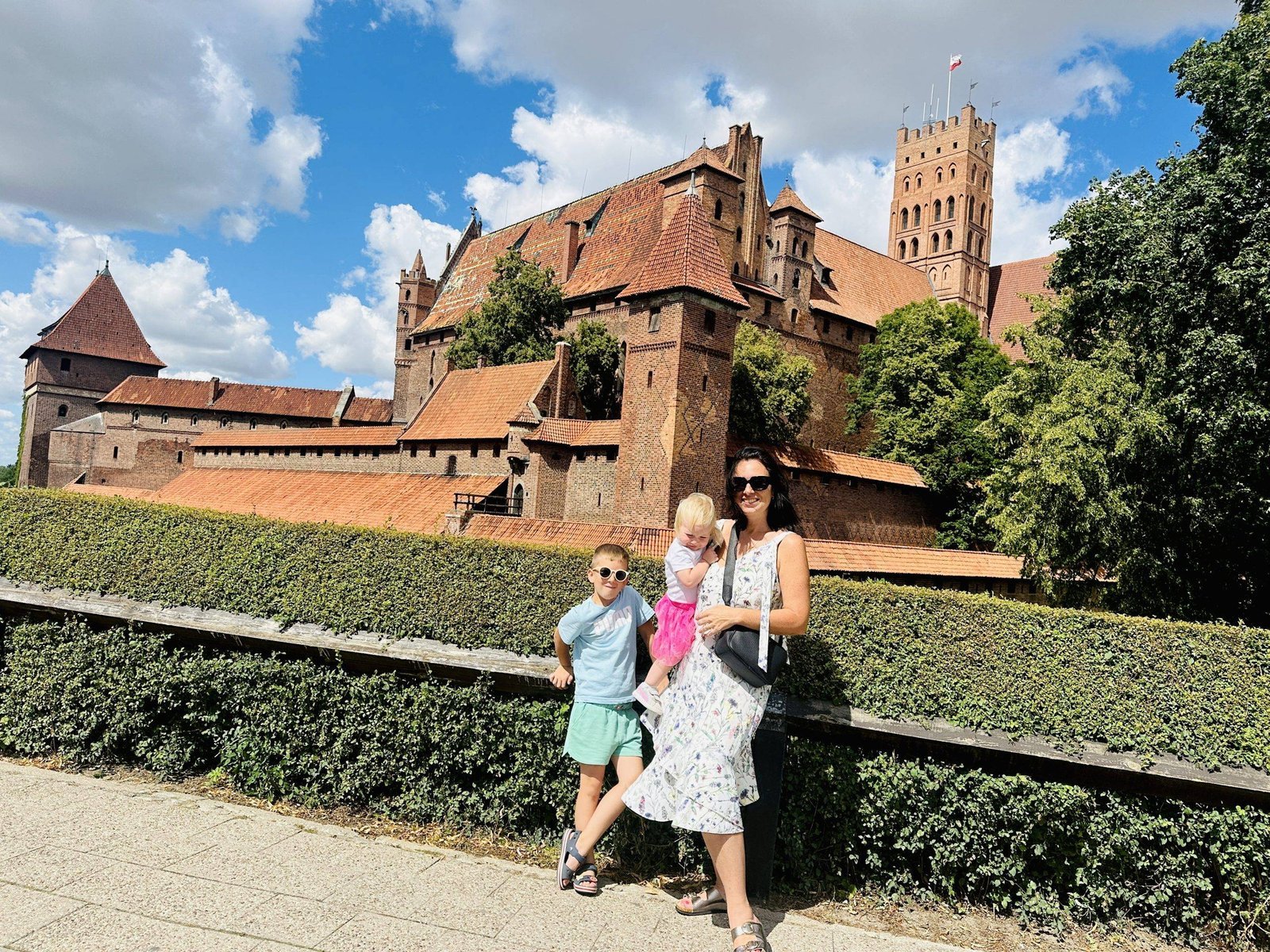
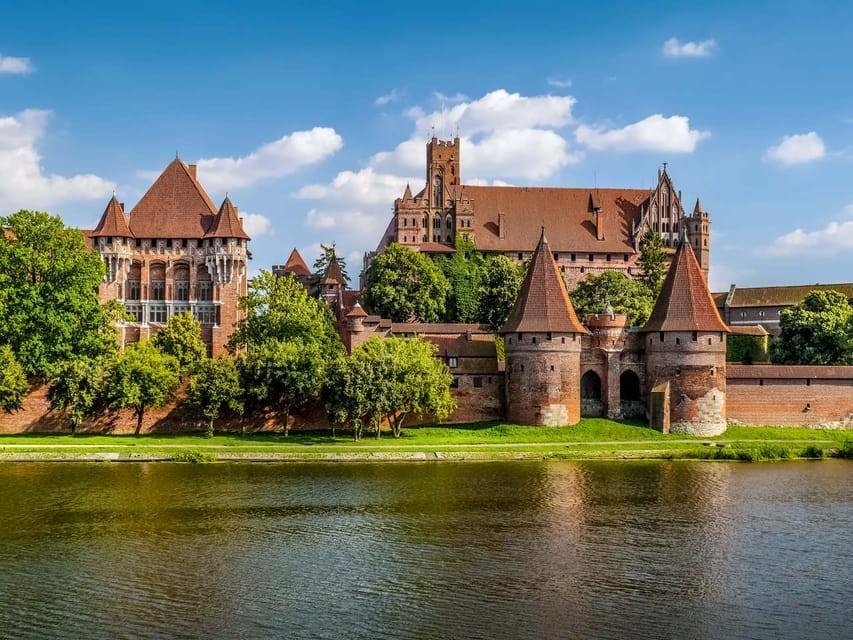
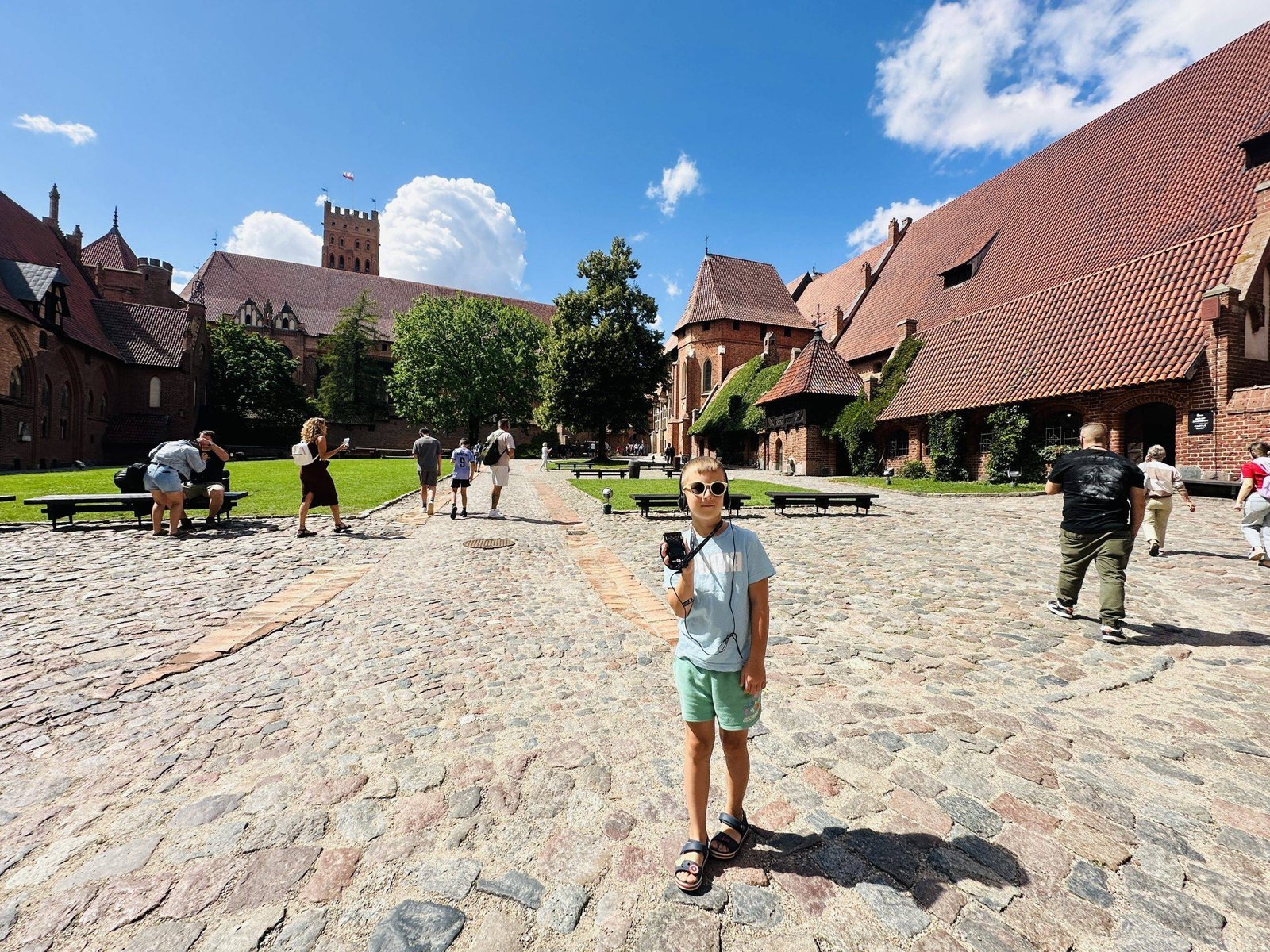
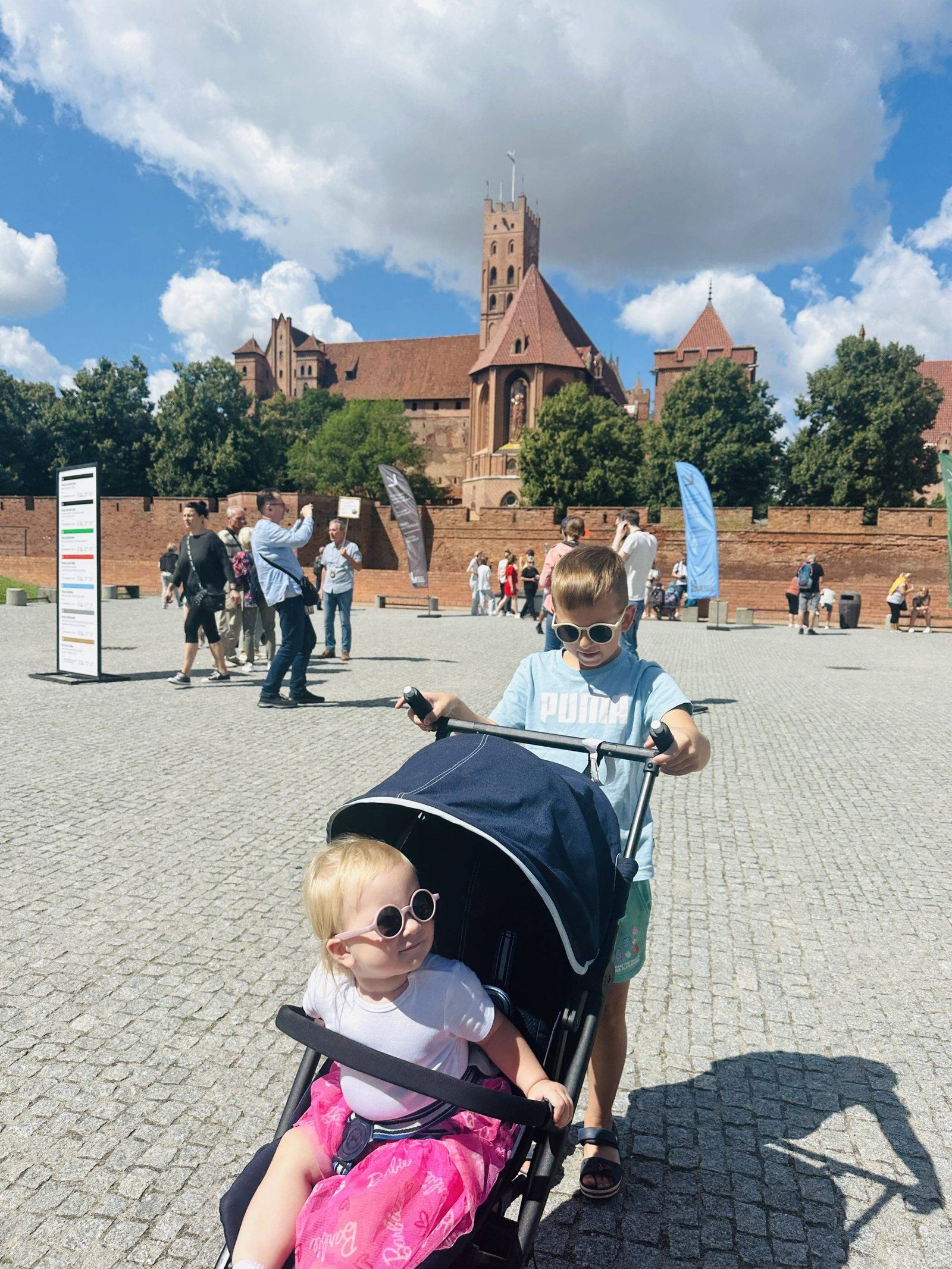
This castle is one of the most impressive not only in Poland but also in Europe. It is the largest brick castle in the world. The location is close to Lithuania, so it is easy to visit when traveling to Gdańsk or planning a separate trip. When visiting with children, an audio guide is highly recommended. The stories are engaging and are even available in Lithuanian.
Visitors can see medieval royal rooms, exhibitions of weapons and armor, religious treasures, frescoes, and a large amber collection.
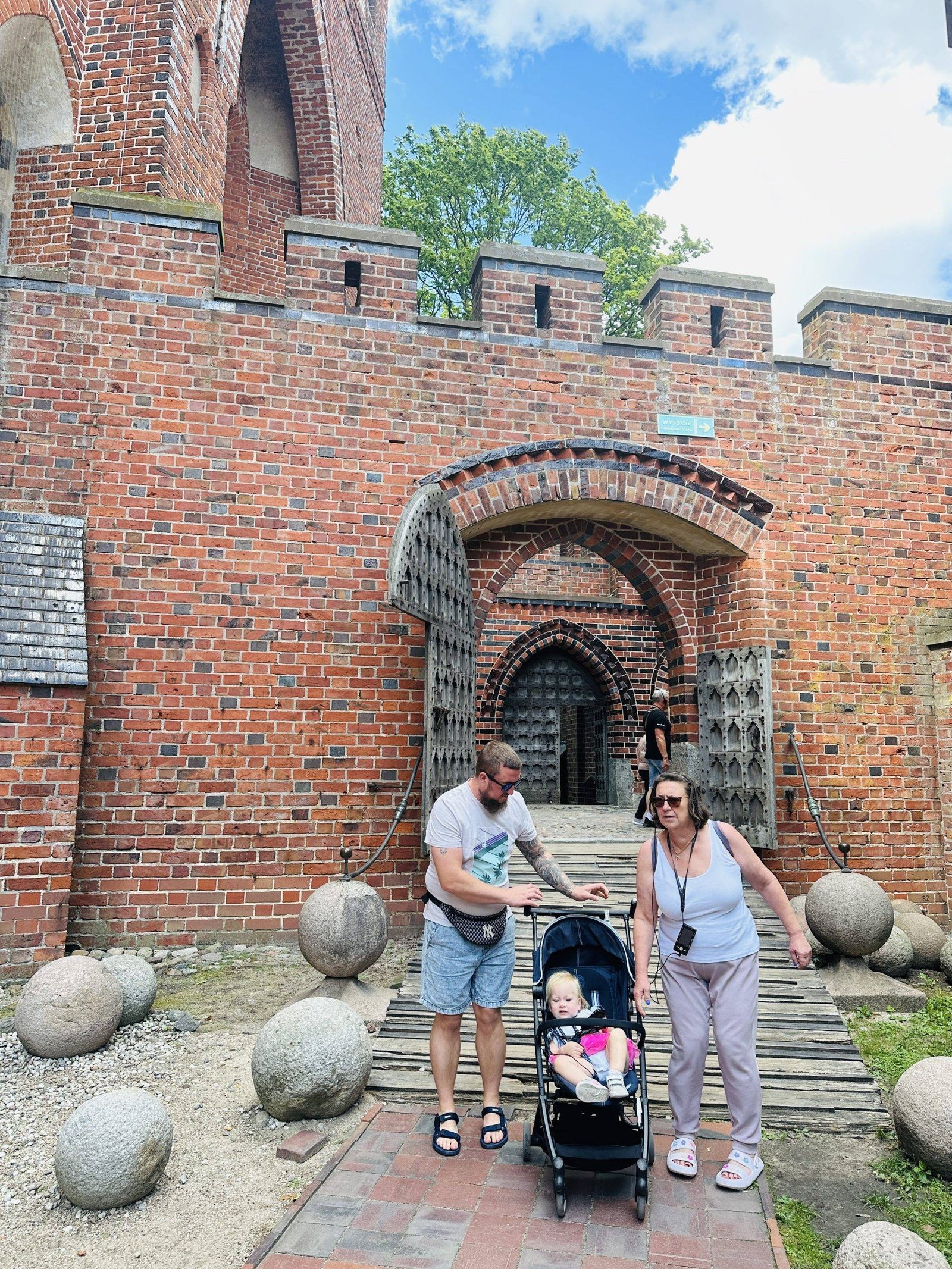
The castle complex is very large. Therefore, it is best to plan at least half a day for the visit. Arriving by car is the easiest option. Parking areas stand nearby, and a pedestrian bridge crosses the river to the entrance. Inside the complex there are many steps and stone surfaces, so moving with a stroller may be difficult in some places.
Our recommendations and impressions are shared in the article – The largest castle in the world.
Wawel Royal Castle (Zamek Królewski w Warszawie)
If you travel to Kraków with children, this castle is definitely worth visiting. It stands in the city center on a hill near the Vistula River. For centuries, Polish kings lived here. Inside there are many exhibitions. However, children usually remember the Dragon’s Den the most. Near the castle stands a dragon statue that even breathes fire.
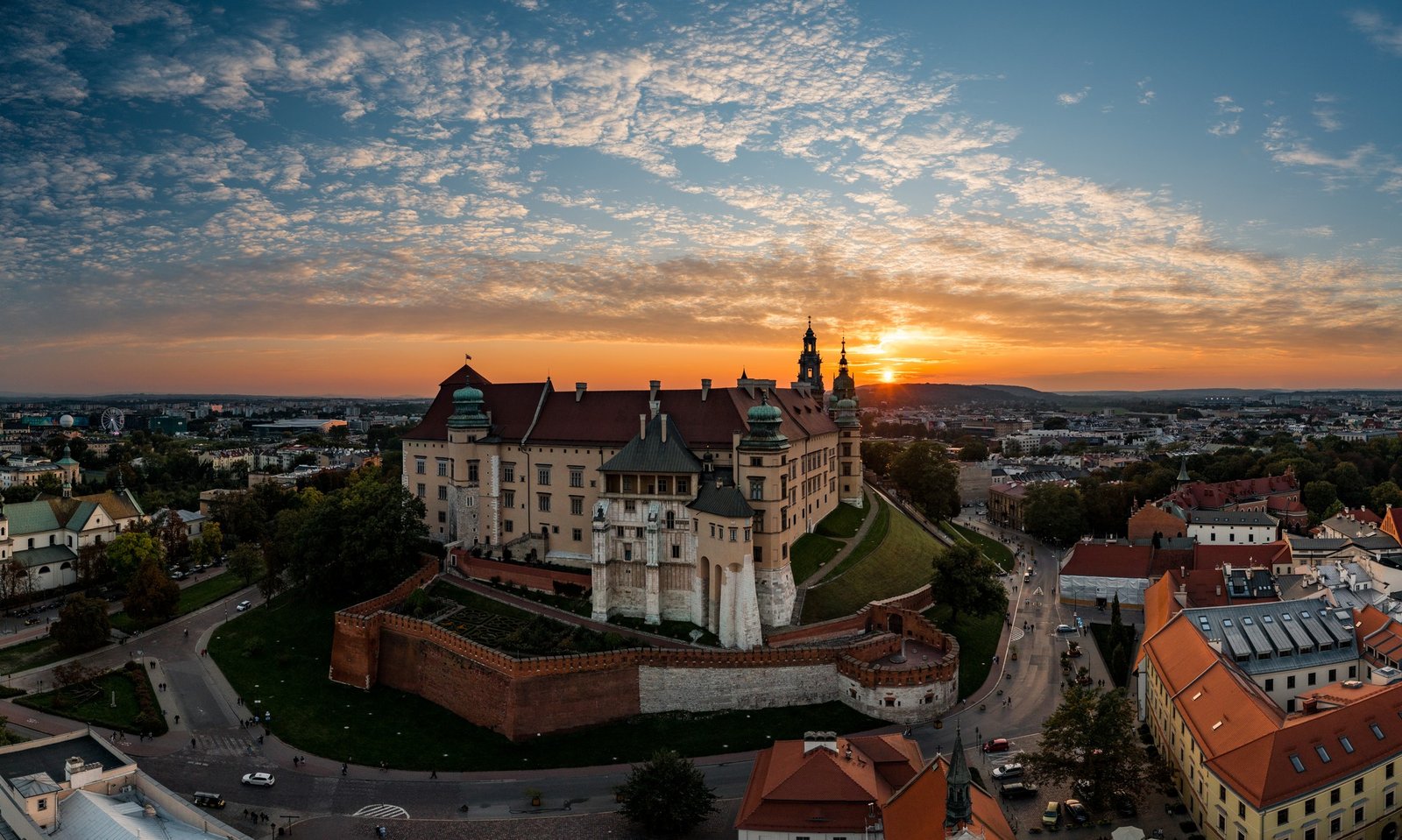
The area around the castle is large, so visitors can simply walk around and enjoy the atmosphere. Entrance to the courtyard is free. Tickets are needed to visit the royal apartments, treasuries, or underground areas.
Strollers can be used in most areas, although some steps may require lifting them briefly. To explore the castle comfortably, plan at least a few hours.
If you are traveling to Kraków, our guide “Kraków with children” will also be helpful.

Książ Castle (Zamek Książ)
This castle is one of the most impressive in Poland. It is perfect for visitors who want both beautiful surroundings and an interesting history. The castle stands high on a hill and is surrounded by forests. The location itself already creates a strong impression. Inside there are more than 400 rooms. Decorative halls such as Maximilian’s Hall attract both adults and children.
The tour lasts about 1 hour and 15 minutes. At the same time, it is not too long even for younger visitors. The underground part of the castle also leaves a strong impression. These tunnels reflect the history of wartime construction. If children are not afraid, a night tour can also be considered. However, it is better suited for older children.
Nearby there is also the Palm House, a small botanical garden. It is a nice place for a quiet walk or a short break between visits. Visitors can enter with a stroller, although some areas require assistance. It is best to plan at least half a day for the castle and its surroundings.
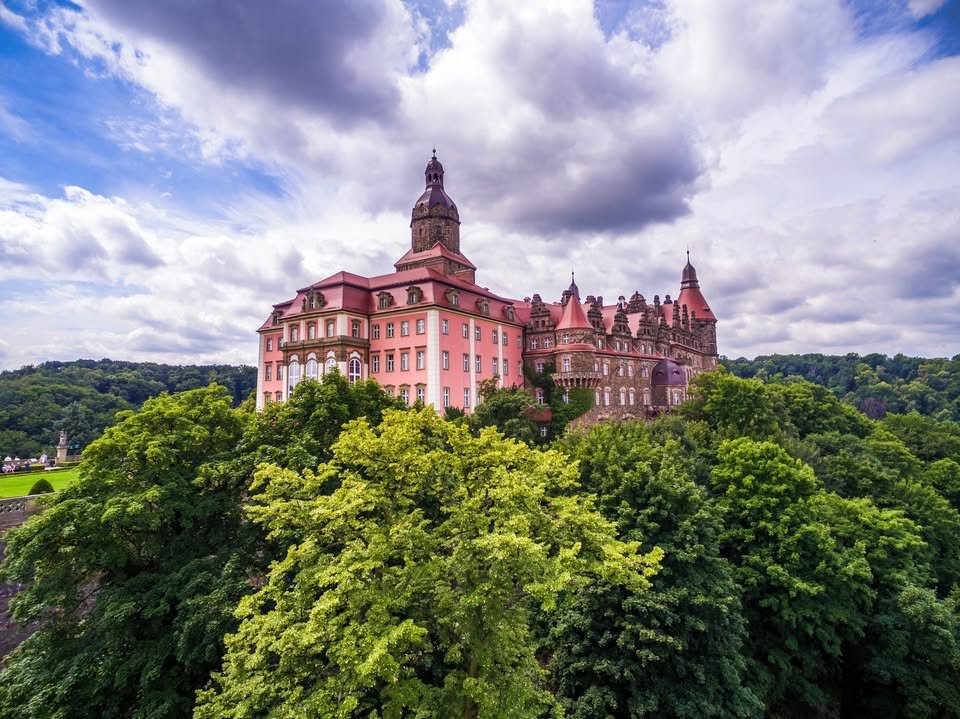
Moszna Castle (Zamek Moszna)
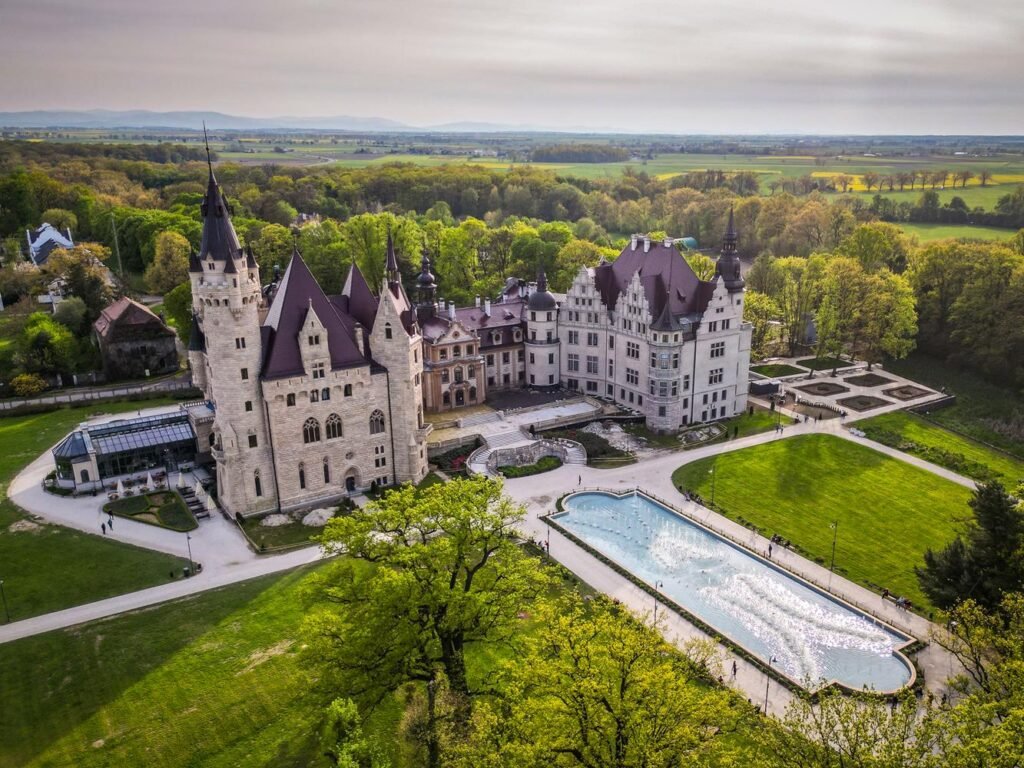
This castle is one of the most impressive places for family travel. It is especially attractive if children enjoy fairy-tale castles. Moszna Castle has 99 towers and 365 rooms. From a distance it already looks like a place from a movie. Inside visitors can see decorated halls such as the ballroom, the mirror room, and the library. Around the castle stretches a large park with old trees. During warm seasons a fountain show with lights and music takes place there.
Families with small children will appreciate the nearby playground and playroom. Older children often enjoy exploring the underground passages. Visitors can explore the castle using an audio guide. Ticket prices are adapted for families. Entry is free for children under three years old, while older children receive discounts.
Plan at least half a day for the visit. There is plenty to see both inside the castle and in the park. The area is comfortable for strollers. There are also benches, cafés, and even the possibility to stay overnight in the castle.
↩︎ Back to list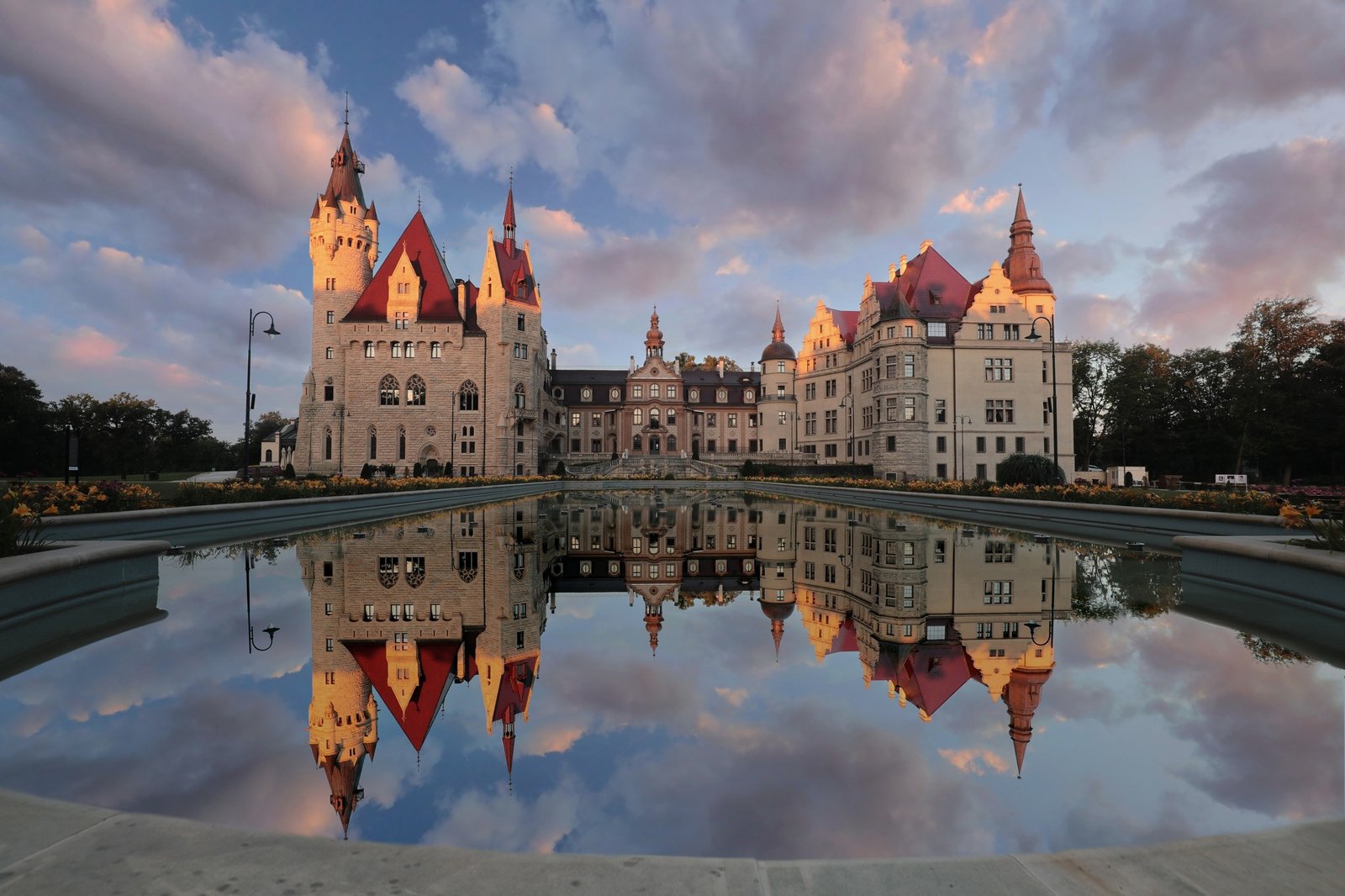
Łańcut Castle (Zamek w Łańcucie)
Łańcut Castle is one of the most elegant residential castles in Poland. It is well preserved and very suitable for family visits.
Inside visitors can explore richly decorated rooms such as the Rose Library, the Zodiac Room, and the Grand Hall with frescoes. Children often enjoy the large spaces and clear exhibitions.
Just a few minutes from the castle stands the Carriage Museum. It displays more than 50 historic carriages along with objects related to aristocratic travel.
Around the castle stretches a large English-style park with ponds and pavilions. Visitors can walk, relax, or stop at a café. Entrance to the park is free.
Tickets for the castle interior and museums are best purchased online in advance, especially during the busy season.
Plan at least half a day to explore the castle, the park, and the carriage museum. Strollers can move easily in the park, although there are stairs inside the castle.
↩︎ Back to list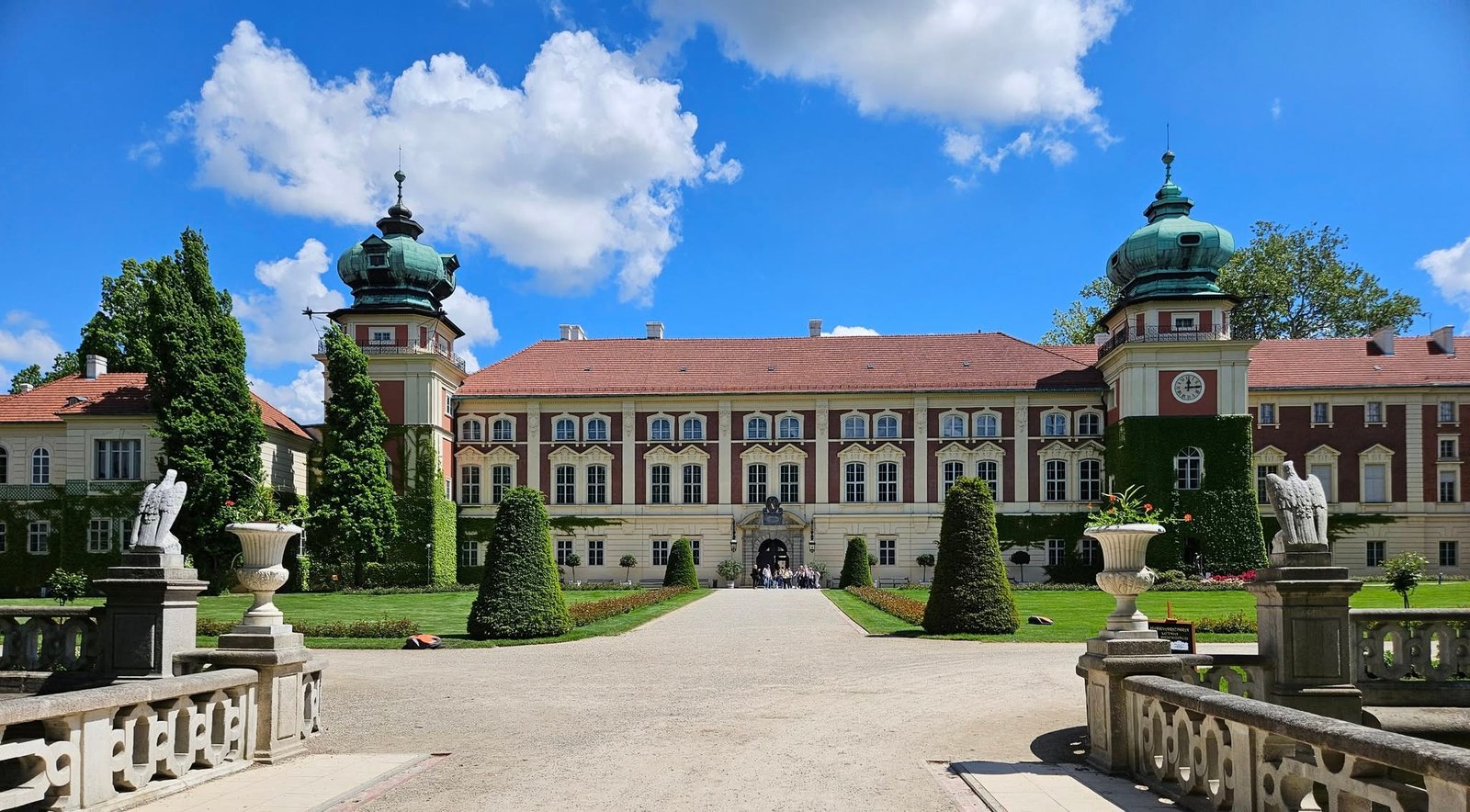
Royal Castle in Warsaw (Zamek Królewski w Warszawie)
This castle stands in the Old Town of Warsaw. Because of this, it is easy to visit even during a shorter trip. In the past it served as the residence of Polish kings. After being destroyed during the war, it was carefully reconstructed. Inside visitors can explore the King’s Apartments, the Marble Room, and halls decorated with frescoes, mirrors, and gilded details.
There is also an art gallery displaying works by famous artists, including Rembrandt. Audio guides are available in several languages. Family tickets and children’s discounts are also offered.
After the visit, many people enjoy walking in the castle gardens. Entrance to the gardens is free, and the surroundings are calm and well maintained. Strollers can access the area easily, although some places include stairs. Plan about 1–2 hours to explore the castle and its surroundings.
Warsaw with children – a detailed guide for families traveling to Warsaw and looking for places to visit.
↩︎ Back to list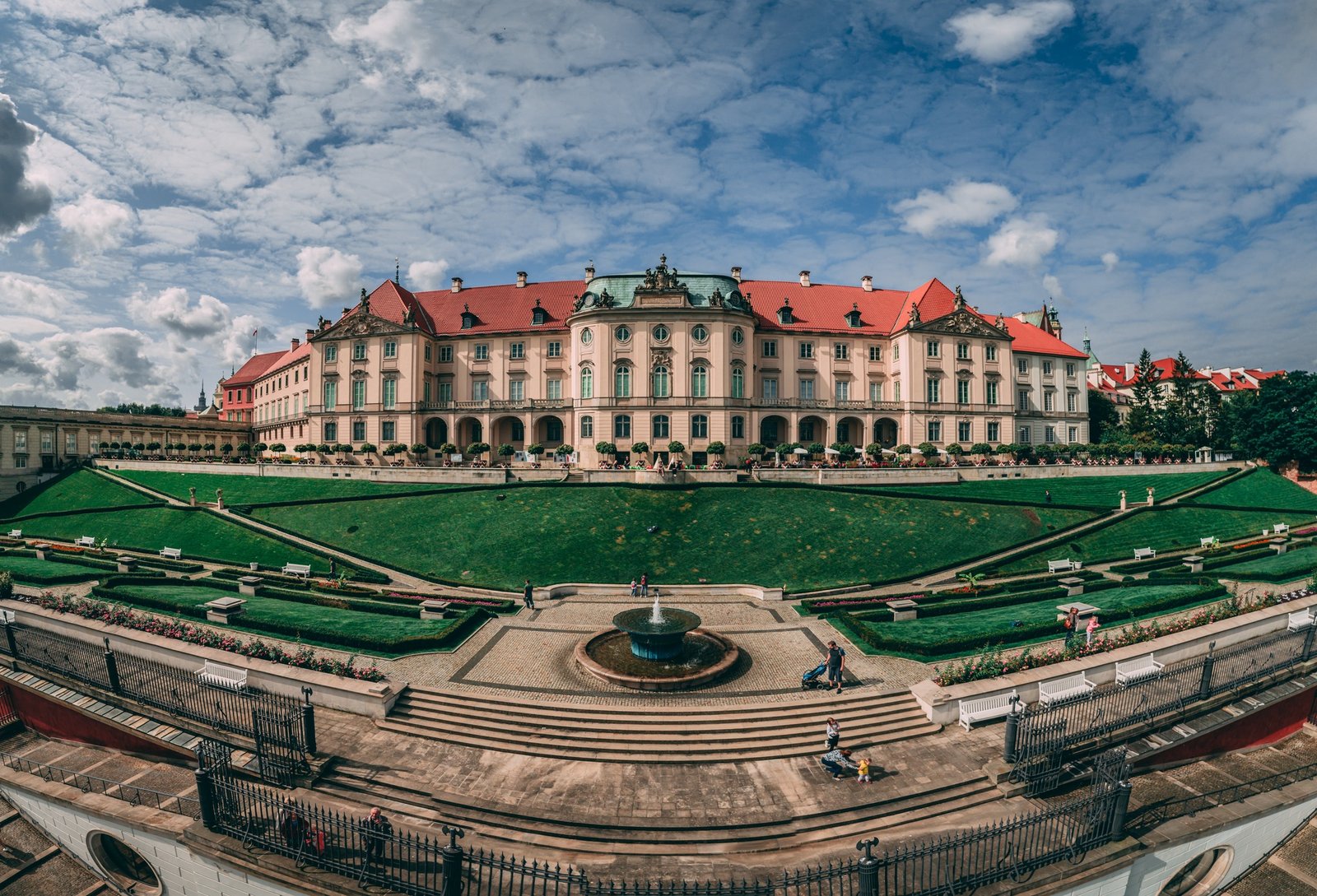
Ogrodzieniec Castle (Zamek Ogrodzieniec)
This is one of the most impressive castle ruins in Poland. It stands on a hill more than 500 meters above sea level. The castle belongs to the famous Eagle’s Nests Trail, which connects several castles built on rocky hills. Although only part of the castle remains today, it still looks very impressive. Visitors notice its towers, gates, and wide views of the surrounding landscape.
While visiting, you can climb the towers, walk through the courtyards, and see the remains of former rooms, kitchens, and halls. The castle also preserves fragments of medieval defensive architecture and later baroque elements.
It is important to know that the area has many stairs and uneven surfaces. Because of this, visiting with a stroller may be difficult. Therefore, the castle is easier to explore with older children who can walk on their own. Plan about 1–2 hours for the visit. It is also a good idea to buy tickets in advance, especially during the warm season and on weekends, because the place is very popular.
There is a parking area near the castle. From there, visitors walk a short distance uphill to the entrance. Arriving by car is the easiest option, although public transport is also possible with a short walk.
↩︎ Back to list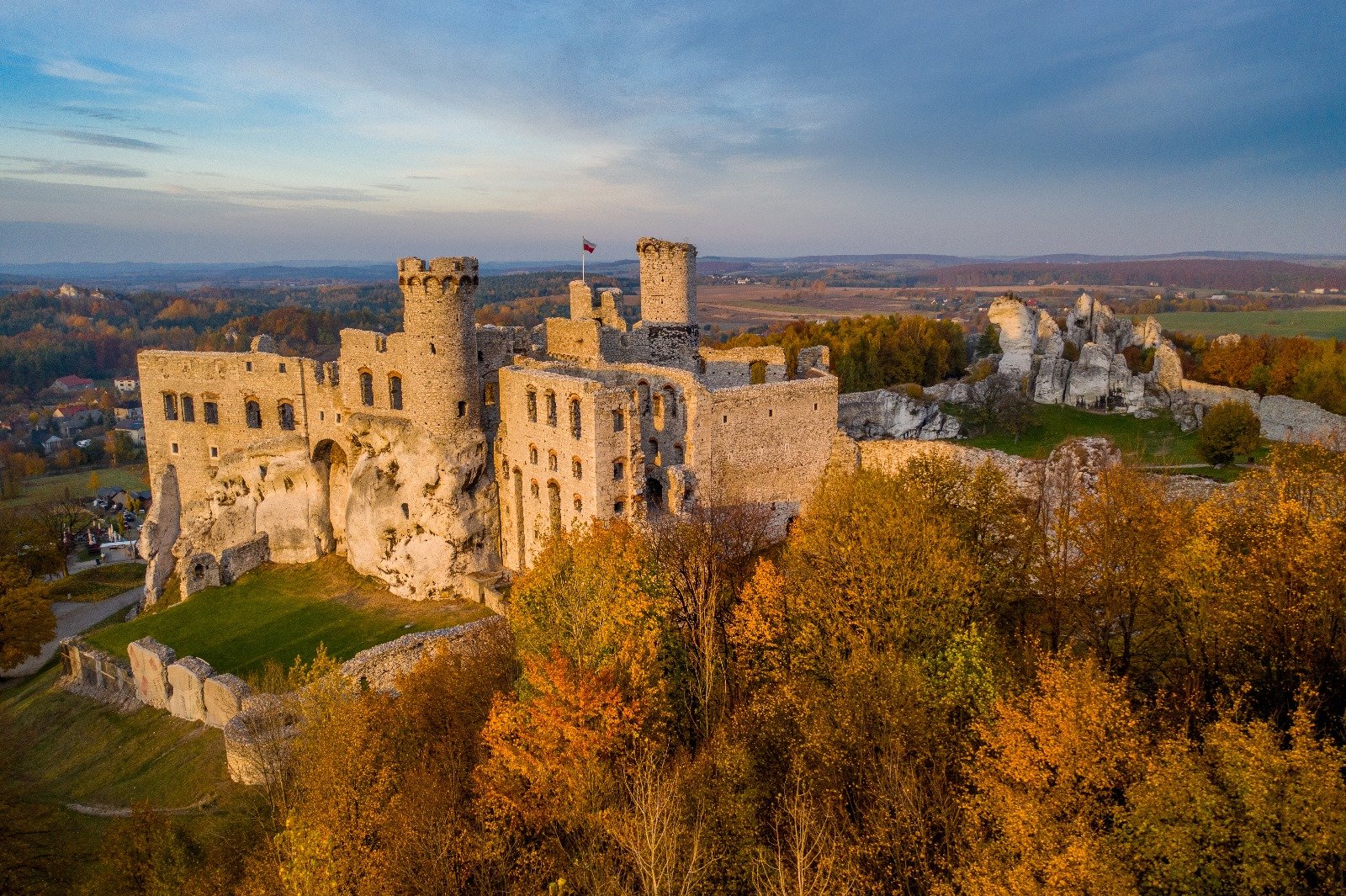
Czocha Castle (Zamek Czocha)
Czocha Castle is a mysterious medieval castle in southern Poland. It stands on the shore of a lake. The castle was built in the 13th century as a defensive fortress. Today it welcomes visitors and is famous for its legends and secret passages. Inside the castle everything looks authentic. Visitors walk through thick walls, historic rooms, narrow corridors, and underground spaces. These areas can only be explored with a guide.
Tours take place every day. Day tours last about 70 minutes. Night tours, which include lanterns or special effects, can last up to three hours. Guides tell stories about the White Lady, the Well of the Unfaithful Wife, and other local legends. Sometimes they even show hidden doors and secret stairs. These tours are usually more suitable for older children and teenagers.
Visitors can enter the castle courtyard with a stroller. However, inside the building there are many stairs. Tickets should be purchased in advance, especially for night tours. Parking costs about 10 złoty. Plan at least 1.5–2 hours for the visit. Those who wish can also stay overnight in the castle, because there is a hotel and a restaurant inside.
↩︎ Back to list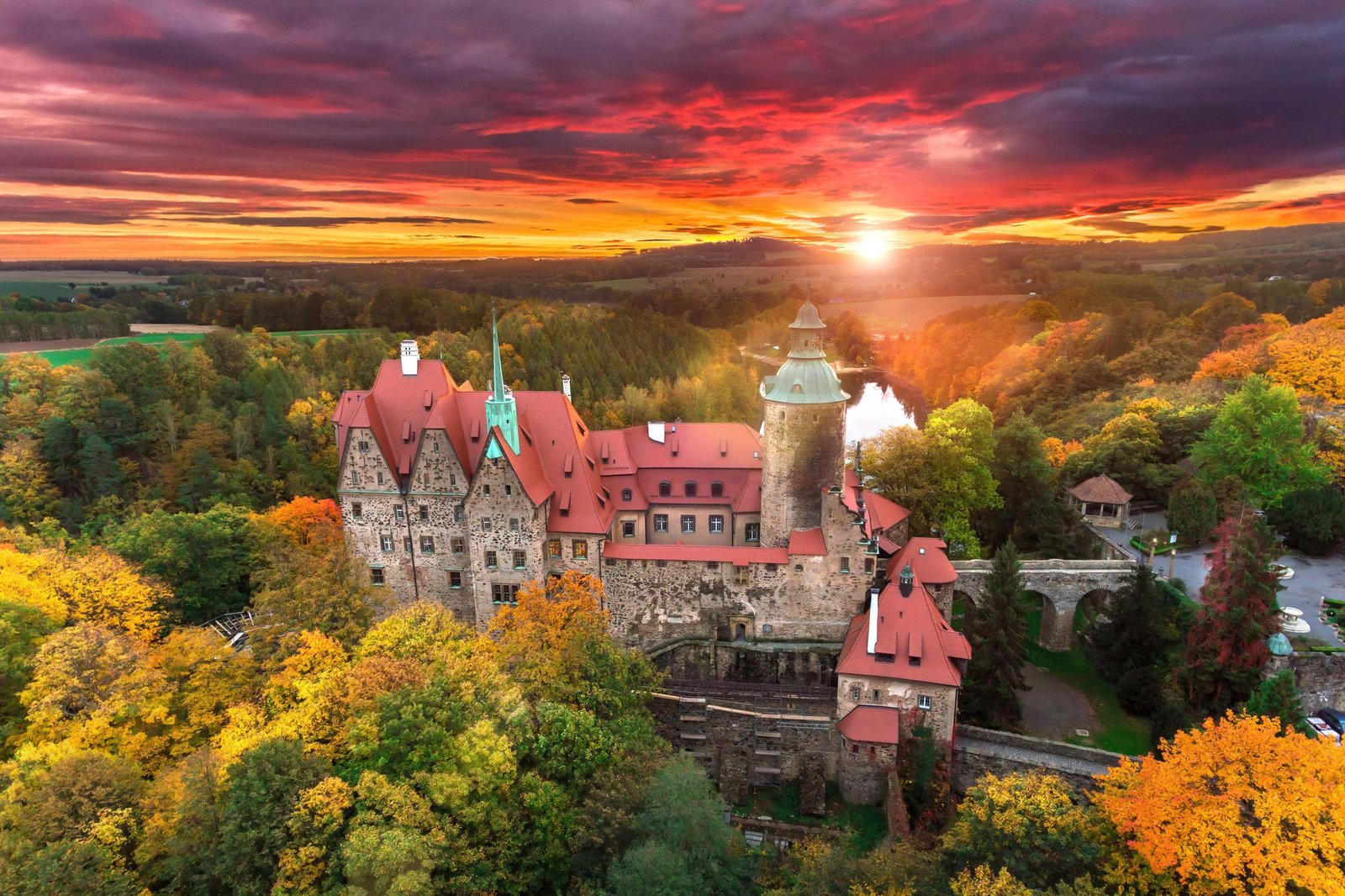
Pieskowa Skała Castle (Pieskowa Skała)
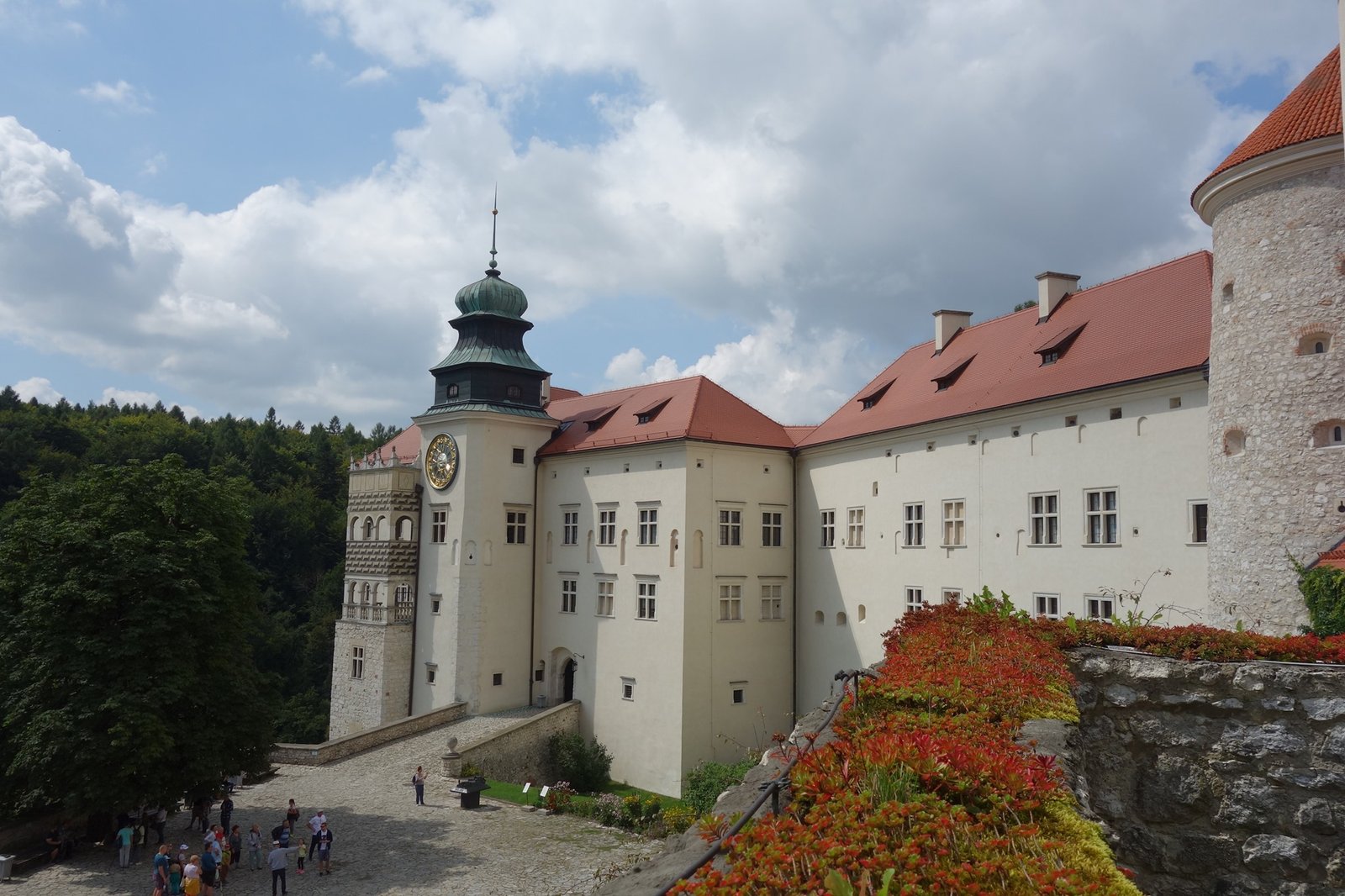
Pieskowa Skała is one of the most beautiful Renaissance castles in southern Poland. It stands on a hill in a scenic valley near Kraków. Like Czocha Castle, it is also part of the historic Eagle’s Nests Trail. The castle stands out because of its elegant courtyard with arcades and its Renaissance galleries.
Inside visitors can see several exhibitions. One exhibition presents European art and focuses on painting and sculpture. Another exhibition tells the history of the castle itself. A park with ponds surrounds the castle. Nearby stands the famous rock formation called Hercules’ Club.
Plan at least half a day for the visit. This gives enough time to explore the castle and walk around the surrounding area. Strollers can enter the courtyard, but inside the castle there are narrow passages and stairs. The castle is easiest to reach by car from Kraków. The drive takes about 30 minutes. During the tourist season it is best to buy tickets in advance.
Niedzica Castle (Zamek Dunajec)
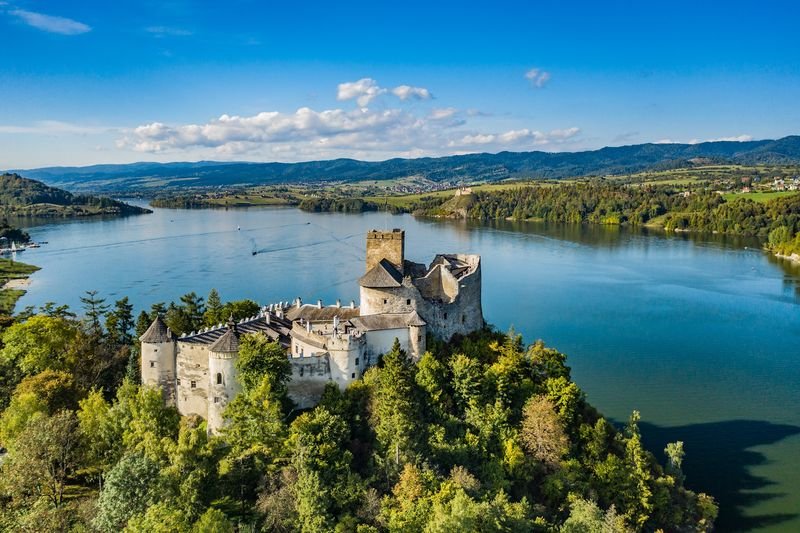
Niedzica Castle is one of the most scenic castles in Poland. It stands on a high limestone cliff above Lake Czorsztyn. From here visitors see beautiful views of the Pieniny Mountains. The castle was built in the 14th century, around 1320–1326. It protected an important trade route between Poland and Hungary. Today the castle is both a historical site and a popular stop when traveling through southern Poland.
Inside there is a museum. Visitors can explore the castle rooms, defensive towers, courtyards, and a basement with preserved historical elements. A visit usually lasts about 1.5–2 hours. You can explore the castle independently or join a guided tour. The castle was restored in the 20th century, so many authentic details remain. The interiors were also carefully reconstructed.
Near the castle there are hotels, restaurants, and cafés. Because of this, visitors often plan a longer stop here. Parking areas are close to the entrance. Many visitors also combine the castle visit with another activity. Nearby there are rafting trips on the Dunajec River, and the lake area is perfect for a peaceful walk.
The castle is easiest to reach by car, but it is also a popular stop on organized tours in the Pieniny region.
↩︎ Back to list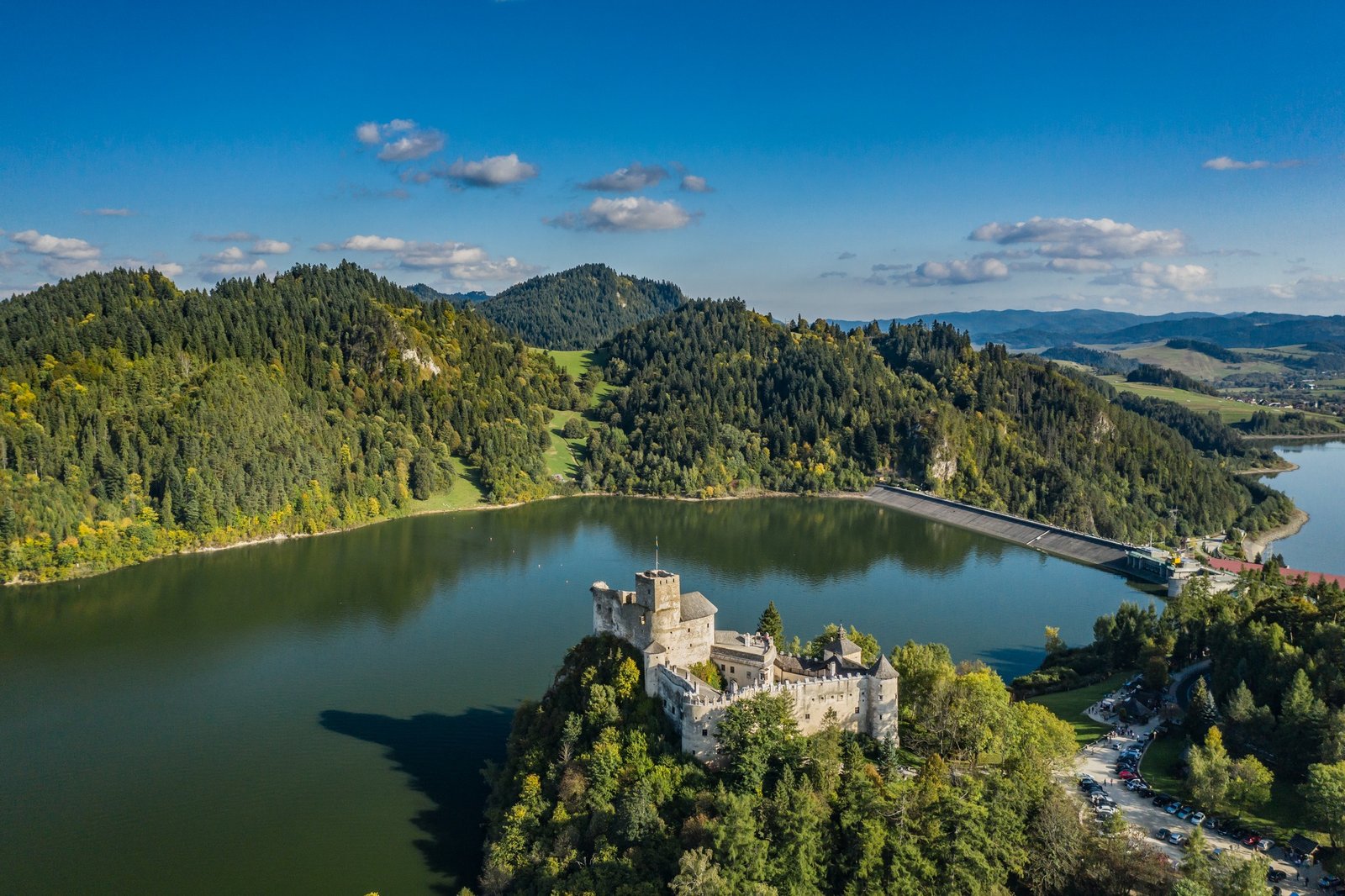
Krasiczyn Castle (Zamek w Krasiczynie)
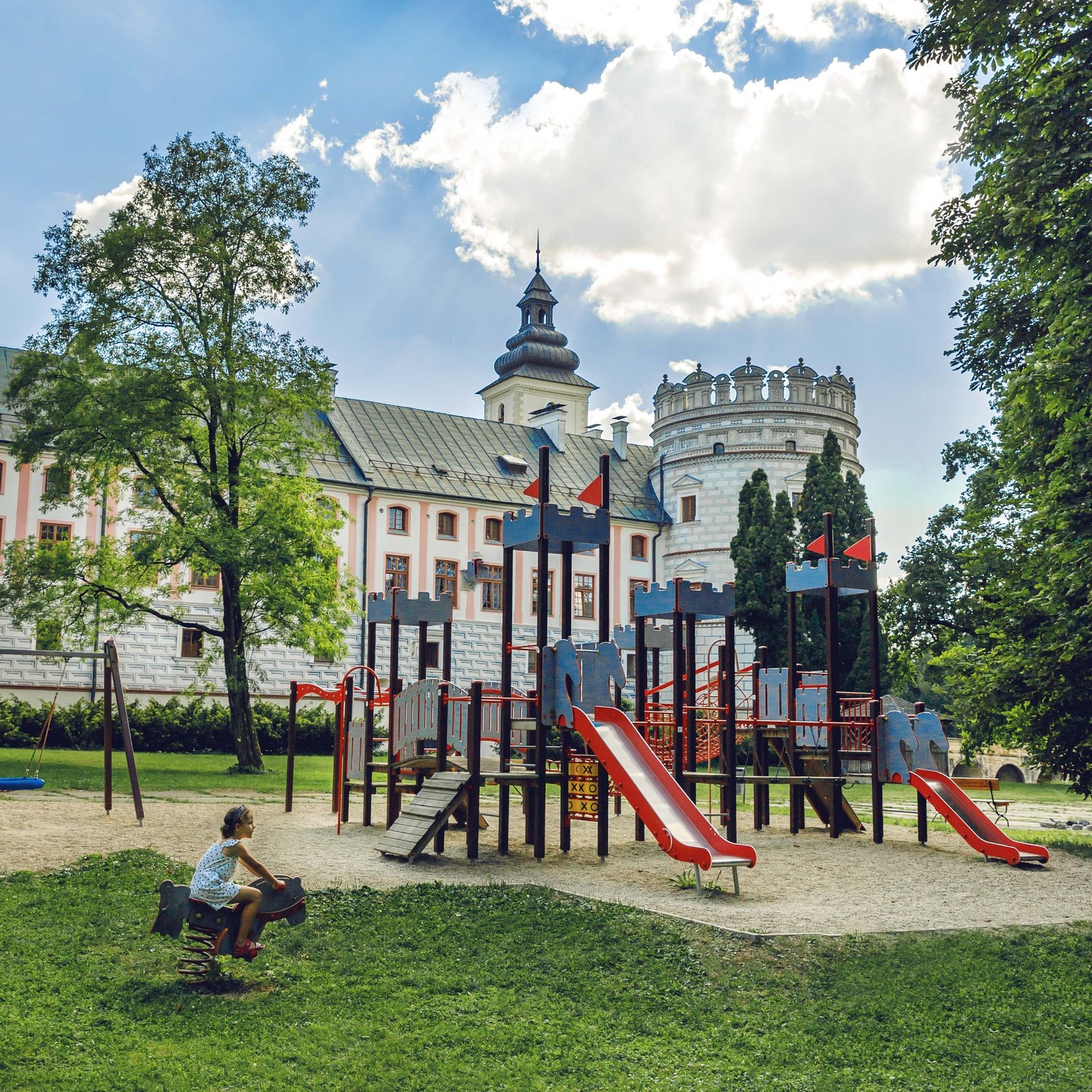
Krasiczyn Castle stands near Przemyśl and is one of the most beautiful Renaissance residences in Poland. The castle is known for its unique architecture and calm surroundings. It was built in the 16th–17th centuries and later transformed into an elegant aristocratic residence. The complex includes four distinctive towers that symbolize spiritual, royal, and noble authority.
Inside the castle visitors can see decorated halls and a chapel with golden details. The walls feature more than 7000 m² of sgraffito decorations. These artworks depict emperors, kings, saints, and historical scenes.
A large park surrounds the castle. More than 200 different tree species grow there. Walking paths run through the park, and visitors can also see two pavilions and a hidden passage connecting important parts of the complex.
Tours usually take place with a guide, most often in Polish. However, tours in other languages can be arranged in advance. It is best to plan at least half a day for the visit. About one hour is enough for the castle interior, and another hour for the park.
Walking outside is comfortable with a stroller. Inside the castle there are many stairs, so a baby carrier can be useful. Parking is available close to the castle.
Visitors can also stay overnight here, because the castle now includes a hotel and a restaurant.
↩︎ Back to list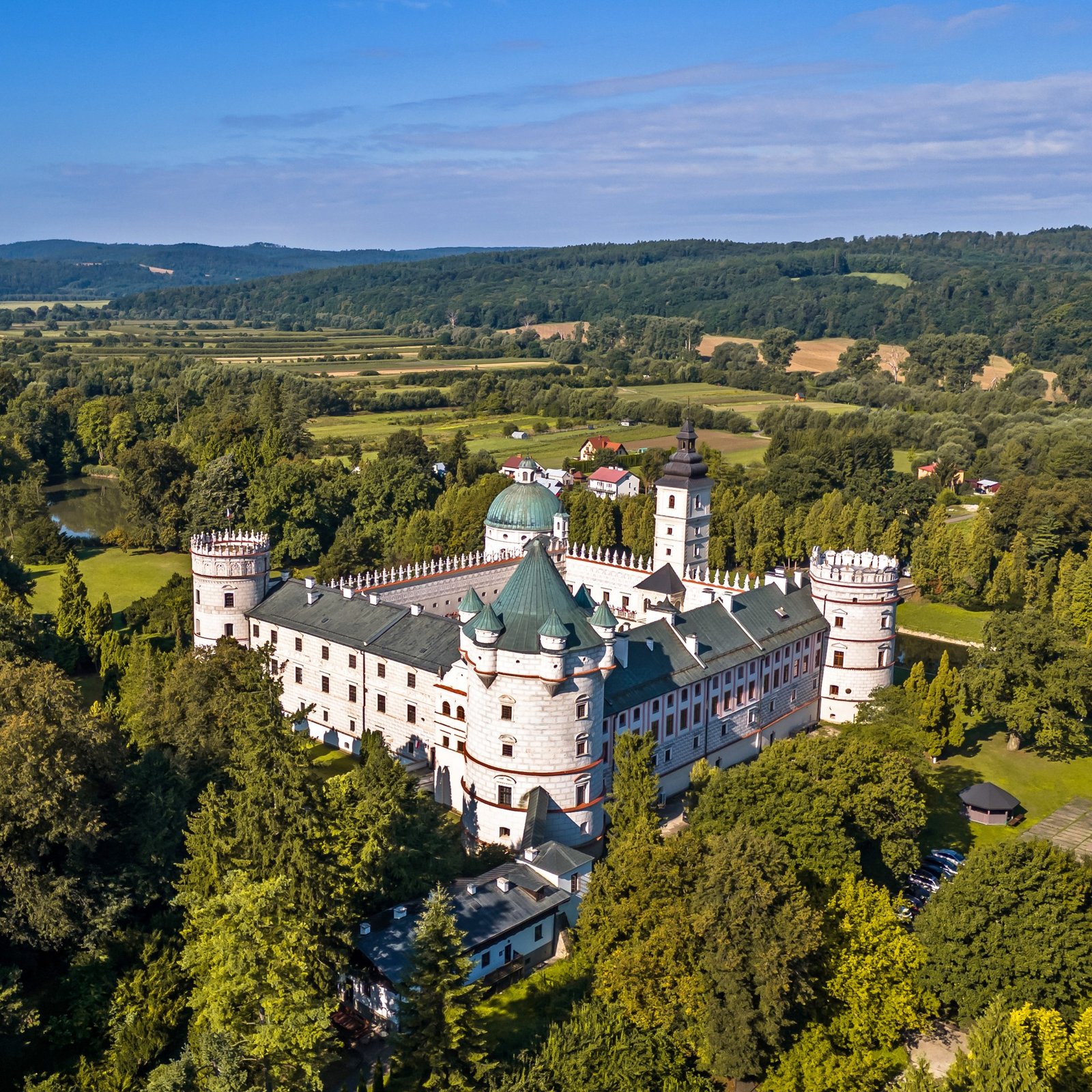
Kwidzyn Castle (Zamek w Kwidzynie)
Kwidzyn Castle stands near Gdańsk on the banks of the Vistula River. The castle was once the residence of the bishops of Pomesania. Later it also served as a Teutonic fortress. The castle complex connects directly with a Gothic cathedral and still preserves its impressive appearance. One of the most distinctive structures is the latrine tower, also known as the dansker. It connects to the main building through long arched corridors above a stream. This type of structure is very rare in Europe.
Today the castle houses a museum. Visitors can explore the architecture and several exhibitions. These displays include archaeological finds and natural history collections. Visitors can also climb the towers and walk through the courtyards, basements, and galleries. Moving around the courtyard is easy, but some areas are difficult to access with a stroller. Families traveling with small children may find a baby carrier more practical.
Kwidzyn is easy to reach from Gdańsk by car or train. Parking spaces are available near the castle, and several cafés and snack places stand nearby.
↩︎ Back to list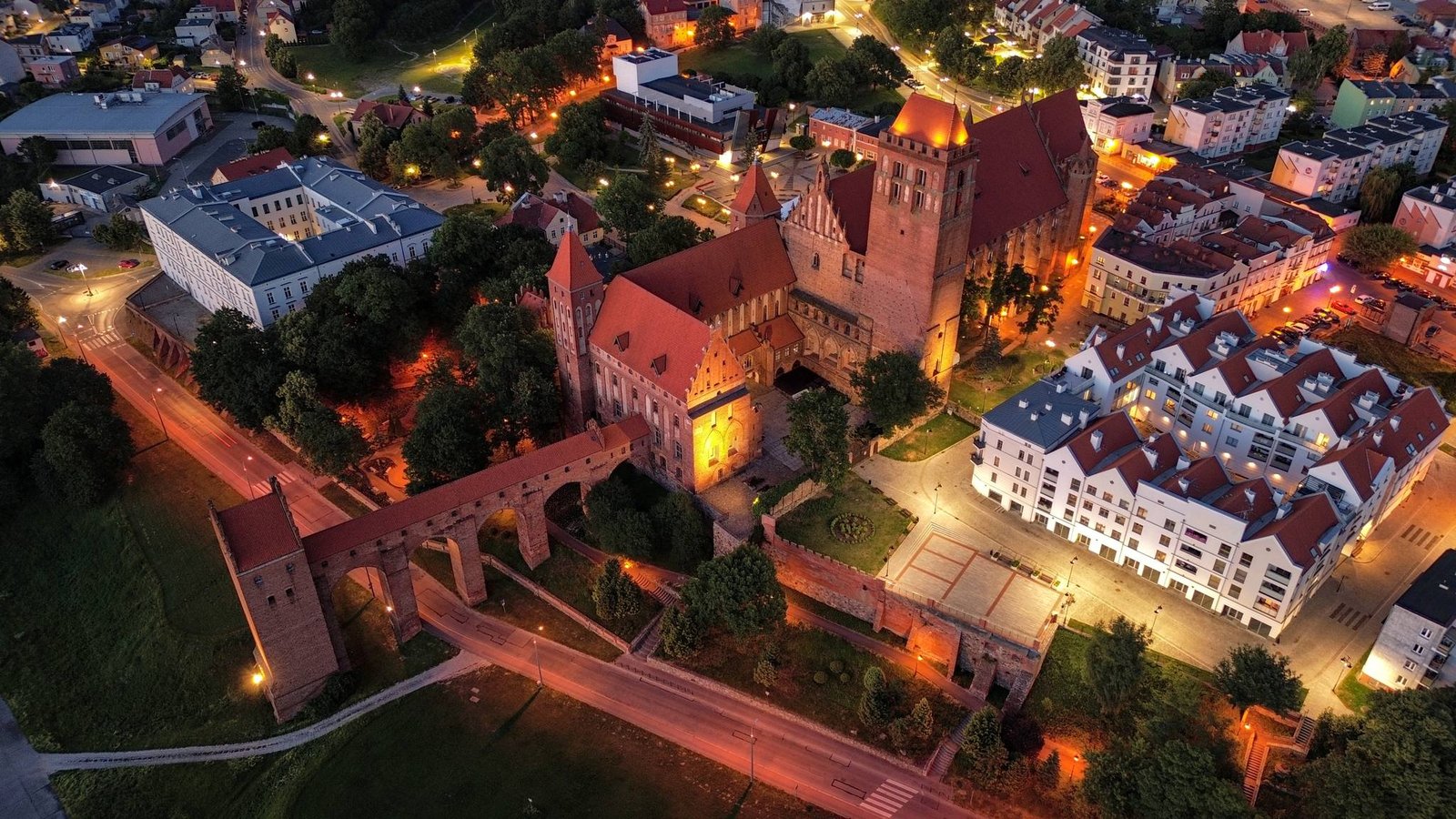
Baranów Sandomierski Castle (Zamek w Baranowie Sandomierskim)
Baranów Sandomierski Castle is often called the “little Wawel” because its architecture resembles Wawel Castle in Kraków. The symmetrical façade, arcaded courtyard, and four corner towers reflect Italian Mannerist design. The castle was built in the late 16th century. Today the complex includes a museum, hotel, restaurant, and even a geology exhibition.
Visitors can join a guided tour inside the castle. During the tour they will see impressive halls, a chapel, and ceilings decorated with frescoes and stucco. The courtyard is open to everyone, so visitors can walk around and take photos. The castle also includes a restaurant and souvenir shop. Guests can even stay overnight in the castle hotel.
A park surrounds the castle and offers a calm place for walking and relaxing. Families with small children may prefer a baby carrier inside the castle because of the stairs and uneven floors. Outside areas are easier to explore with a stroller.
Parking is available near the castle and requires a small fee. A visit usually takes 1–2 hours, although visitors may stay longer if they plan to walk in the park or have a meal.
↩︎ Back to list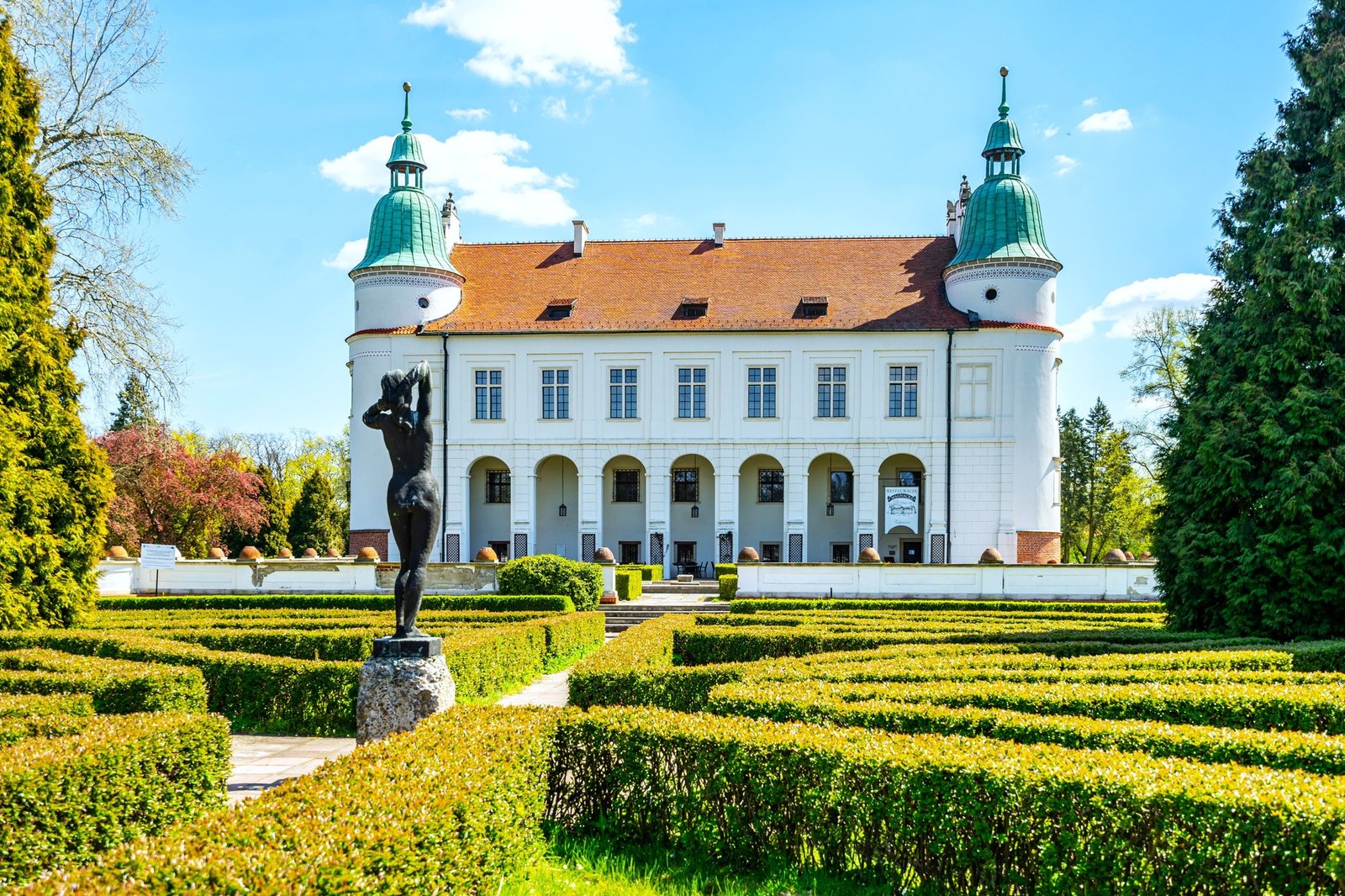
Gołuchów Castle (Zamek w Gołuchowie)
Gołuchów Castle stands about one hour from Poznań. The castle resembles a small Loire Valley château from France. It was first built in the 16th century as a defensive fortress. Later it became an elegant aristocratic residence. Today it operates as a museum and is part of the National Museum in Poznań.
Inside visitors can see Renaissance rooms with antique furniture, tapestries, paintings, archaeological collections, and even ancient Greek vases. One of the castle’s side buildings houses the Forest Museum, which presents exhibits related to nature and forestry.
The castle stands within a large 158-hectare landscape park. The park includes ponds, old trees, and even a small enclosure with European bison. This area is perfect for slow walks or a quiet picnic. Visitors can also explore the park with a stroller, although entering the castle itself may be more difficult because of stairs.
Tickets are affordable. Adults pay about 20 złoty, while children under seven enter free of charge. A paid parking lot is located near the castle.
↩︎ Back to list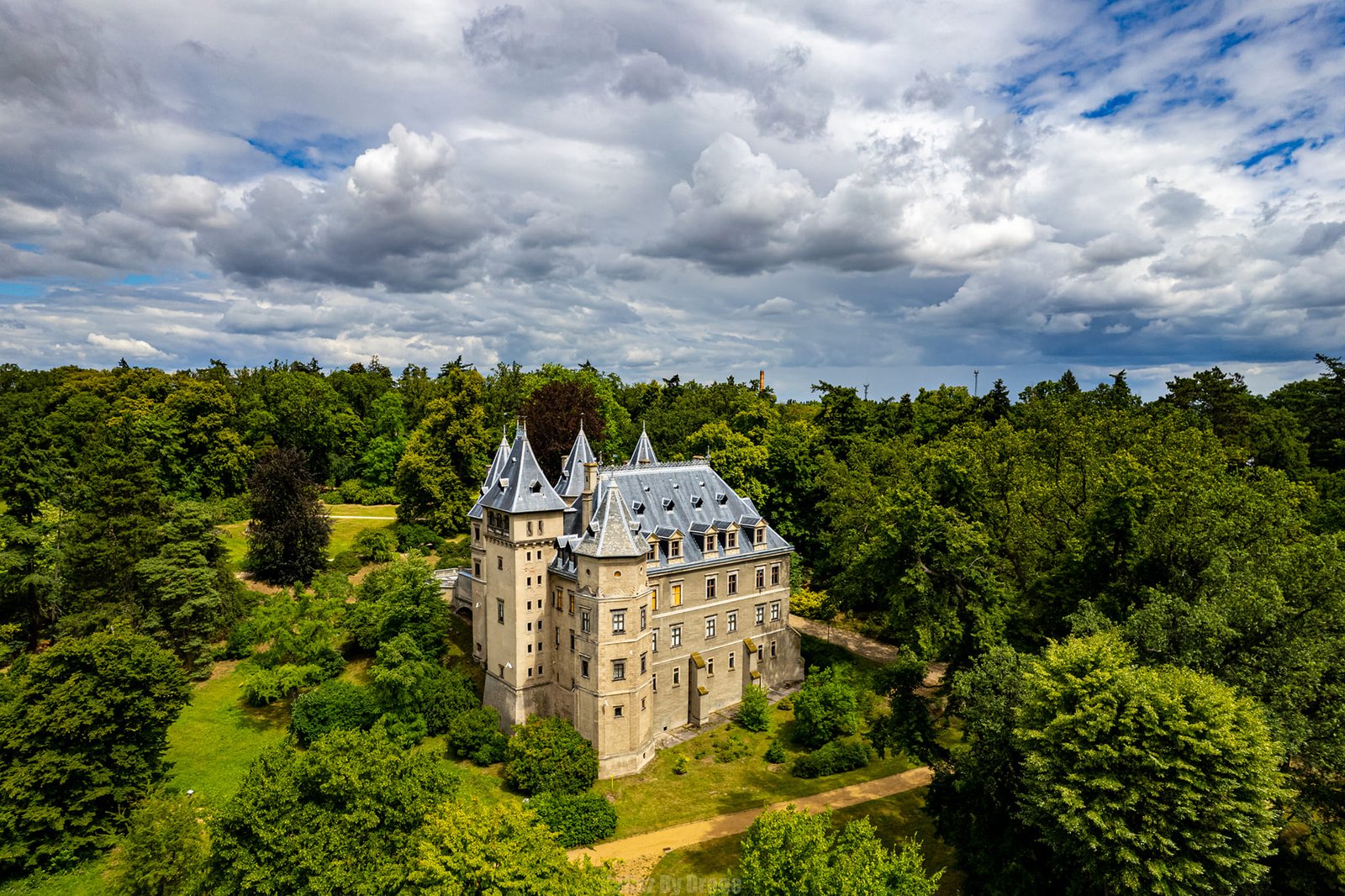
Wiśnicz Castle (Zamek Wiśnicz)
Wiśnicz Castle stands on a hill surrounded by forest. From the moment visitors arrive, the place feels like stepping into another historical era. The castle was originally built in the 14th century and belonged to the Kmit family. Later it became the property of the Lubomirski family. The exterior features four corner towers and a defensive bastion system. The courtyard resembles a small fortress.
Inside visitors can explore the main hall with baroque ceilings, smaller rooms, a chapel, and even an underground crypt. There is also an exhibition about medieval torture instruments. The visit usually lasts about one hour, and visitors can choose either a guided tour or an audio guide.
A small regional museum also operates here. It displays historical furniture, photographs, and various artifacts. Walking around the courtyard and surrounding area is easy with a stroller. Inside the castle there are many stairs, so a baby carrier may be more practical.
The castle stands about one hour from Kraków by car, and a paid parking area is located nearby.
↩︎ Back to list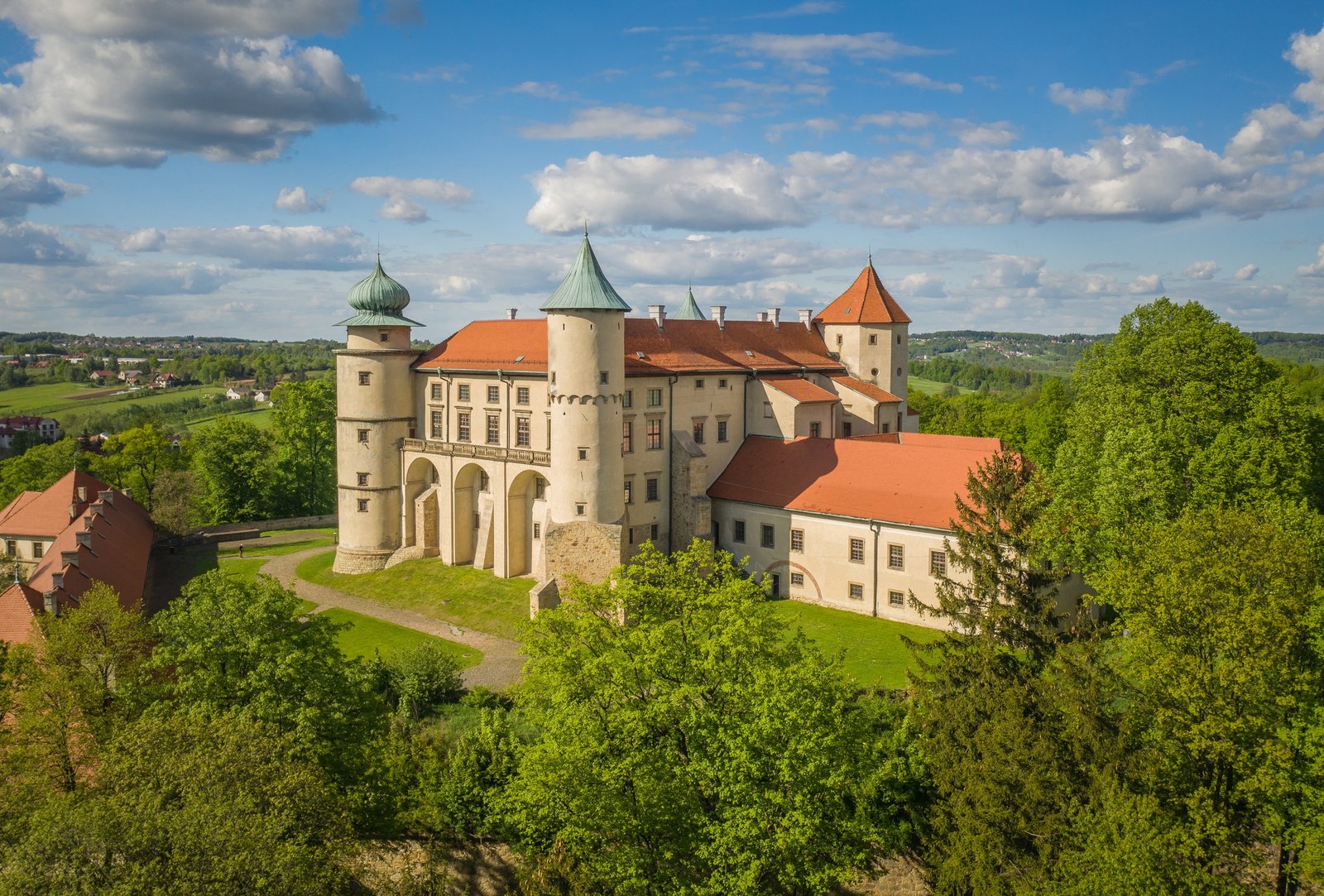
Tykocin Castle (Zamek w Tykocinie)
Tykocin Castle stands in northeastern Poland near Białystok. A wooden fortress originally stood here, but it was later rebuilt in brick. In the 16th century King Sigismund Augustus visited this castle. He established an arsenal, library, and treasury here. The castle was destroyed and remained abandoned for many years. In the early 21st century it was reconstructed using historical plans.
Visitors can explore the castle during a guided tour that lasts about 35 minutes. It is possible to climb the tower, see former prison areas, and visit the basement. Families with small children may prefer to spend more time in the courtyard, where there is more space to move. The interior areas are narrower. A small parking lot and café stand next to the castle. For travelers coming from Warsaw or exploring the region, the castle can be a short but interesting stop.
↩︎ Back to list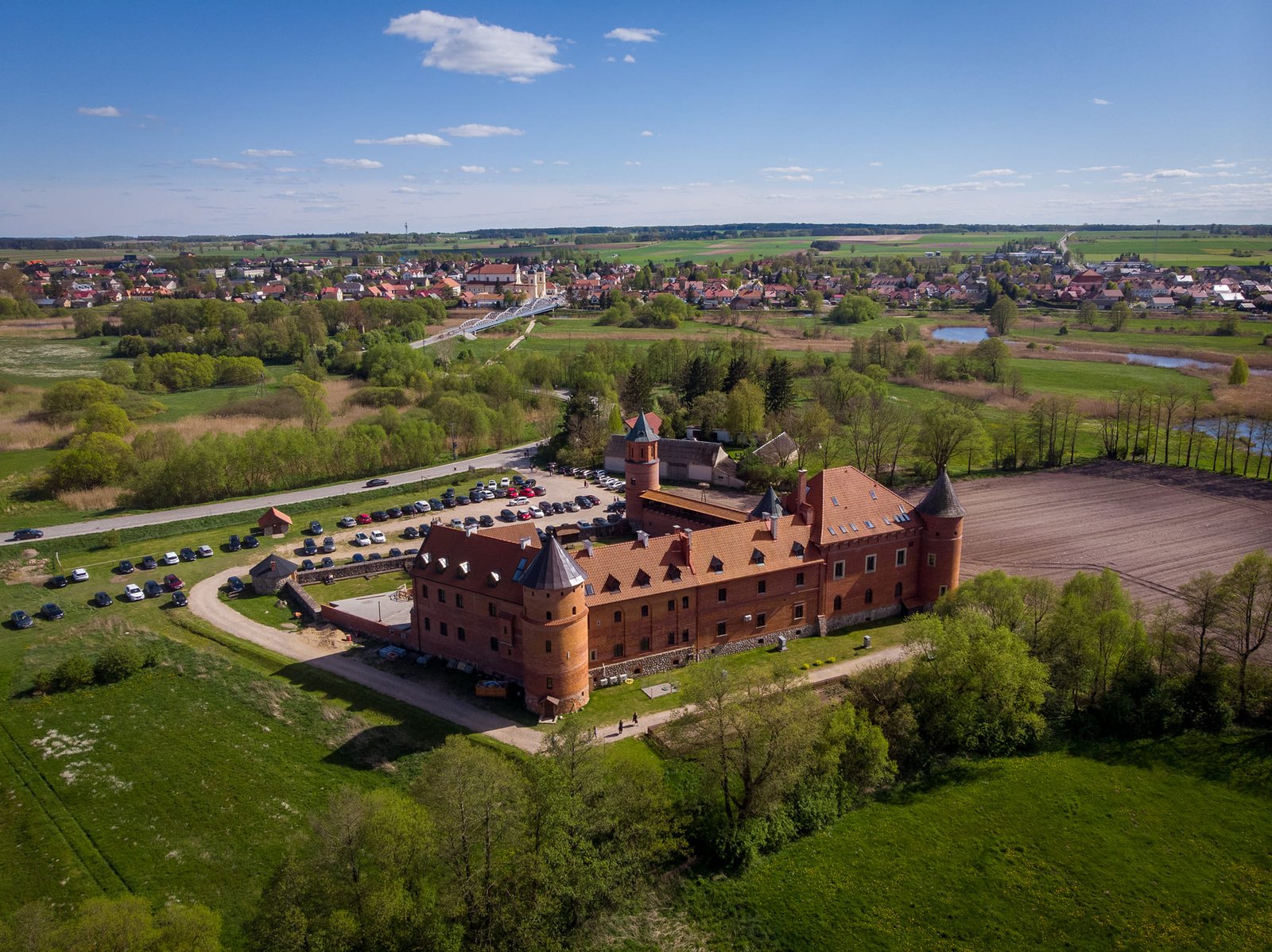
Bobolice Castle (Zamek Bobolice)
Bobolice Castle is one of the most carefully restored medieval castles in Poland. It stands on a white limestone hill and often reminds visitors of films about knights. The castle was originally built in the 14th century during the reign of King Casimir the Great. Today it is open to visitors and includes guided tours and a small museum.
Inside visitors can see restored halls, a weapons collection, and a chapel. Tours usually last about one hour, although visitors may also explore parts of the castle independently. Some parts of the route include stairs, so moving with a stroller may be difficult. Outside the castle there are pleasant walking paths and shaded areas for rest. A small café stands nearby.
Bobolice Castle stands very close to Mirow Castle. A scenic walking path about 1.5 km long connects the two castles. The walk usually takes about 20–30 minutes.
↩︎ Back to list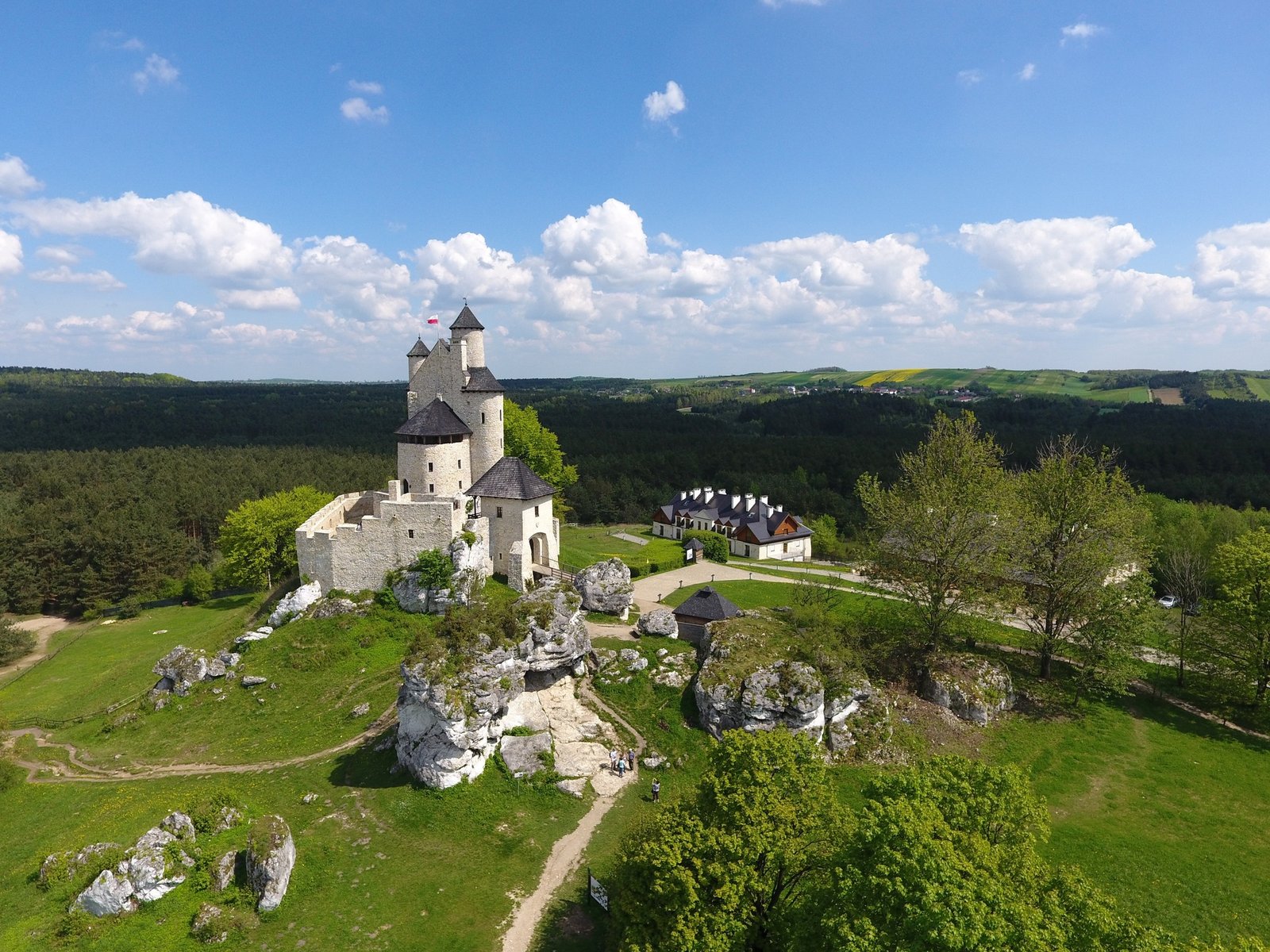
Mirow Castle (Zamek w Mirowie)
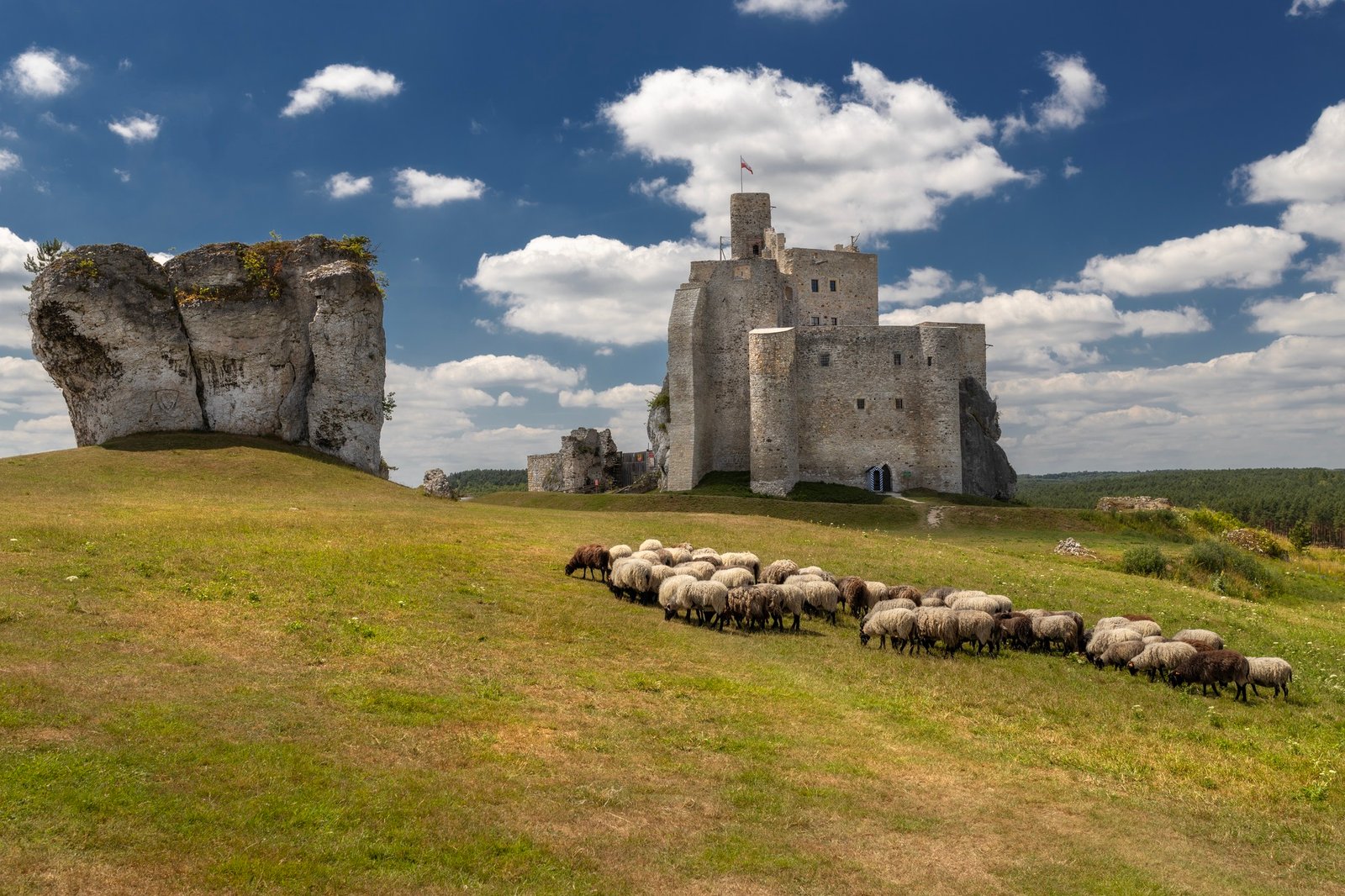
Mirow Castle stands only about 1.5 km from Bobolice Castle. Because of this, visitors often explore both castles on the same day. A walking trail connects the two locations and offers beautiful views along the way.
Mirow Castle is a medieval ruin that stands on a hill in the region known as the Polish Jura. Visitors cannot enter the interior of the castle, but they can walk around the ruins and observe the old defensive walls and towers.
The entire area can be explored in about 30 minutes. Parking is available nearby. Mirow Castle is also one of the many castles on the Eagle’s Nests Trail.
Pilcza Castle (Zamek Pilcza)
Pilcza Castle is another stop along the Eagle’s Nests Trail. Although it is smaller than some other castles on the route, its location is impressive. The castle stands on a forested hill, and the climb to the top becomes an enjoyable experience, especially for energetic children.
The castle dates back to the 14th century and was rebuilt several times. Today visitors can see the remaining stone walls and a tower with an observation platform. Stairs lead to the top, so comfortable shoes are recommended. Information boards around the site explain the history of the castle. Because of this, the visit also becomes a short history lesson.
If you are visiting Ogrodzieniec Castle, it is worth stopping here as well. The area is quieter and less crowded.
↩︎ Back to list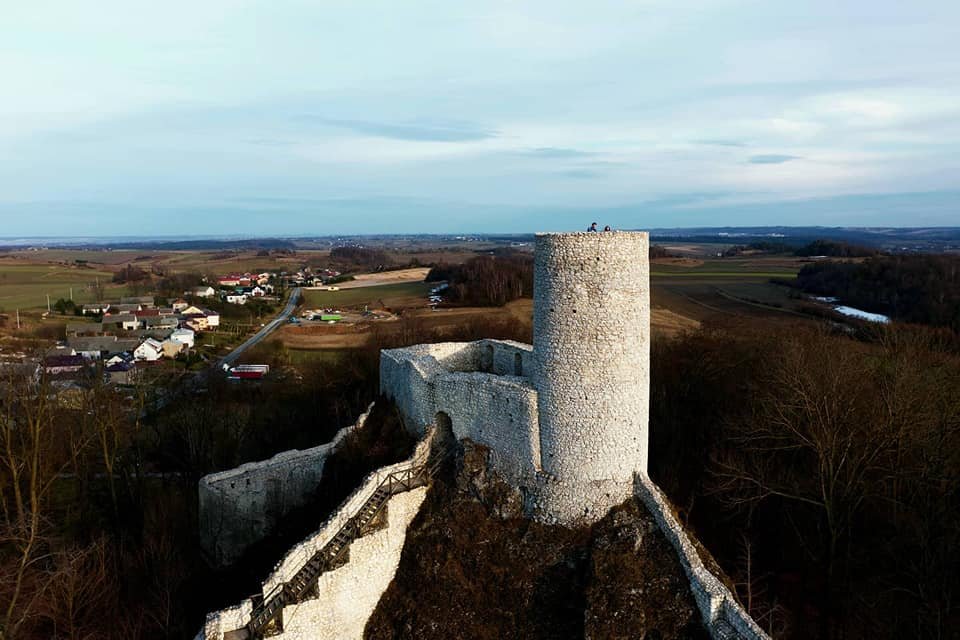
Rabsztyn Castle (Zamek w Rabsztynie)
Rabsztyn Castle stands near Olkusz in a scenic upland landscape. The castle sits on a rocky hill and offers wide views of the surrounding area. Like Bobolice and Ogrodzieniec, it is also part of the Eagle’s Nests Trail.
The castle was originally Gothic and later expanded during the Renaissance. For many years the castle stood abandoned, but restorers later rebuilt part of the structure. Visitors can climb the observation tower, walk through the courtyard, and explore the reconstructed gate area. A visit usually takes about one hour, which makes it a good stop during a longer trip.
A parking lot is located near the castle and requires a small fee. There is also a small café nearby. Sometimes medieval festivals or knight tournaments take place here. If you plan to visit, it is worth checking the event calendar in advance.
If you are looking for a castle with fewer crowds but still impressive views, Rabsztyn Castle is a great option.
↩︎ Back to list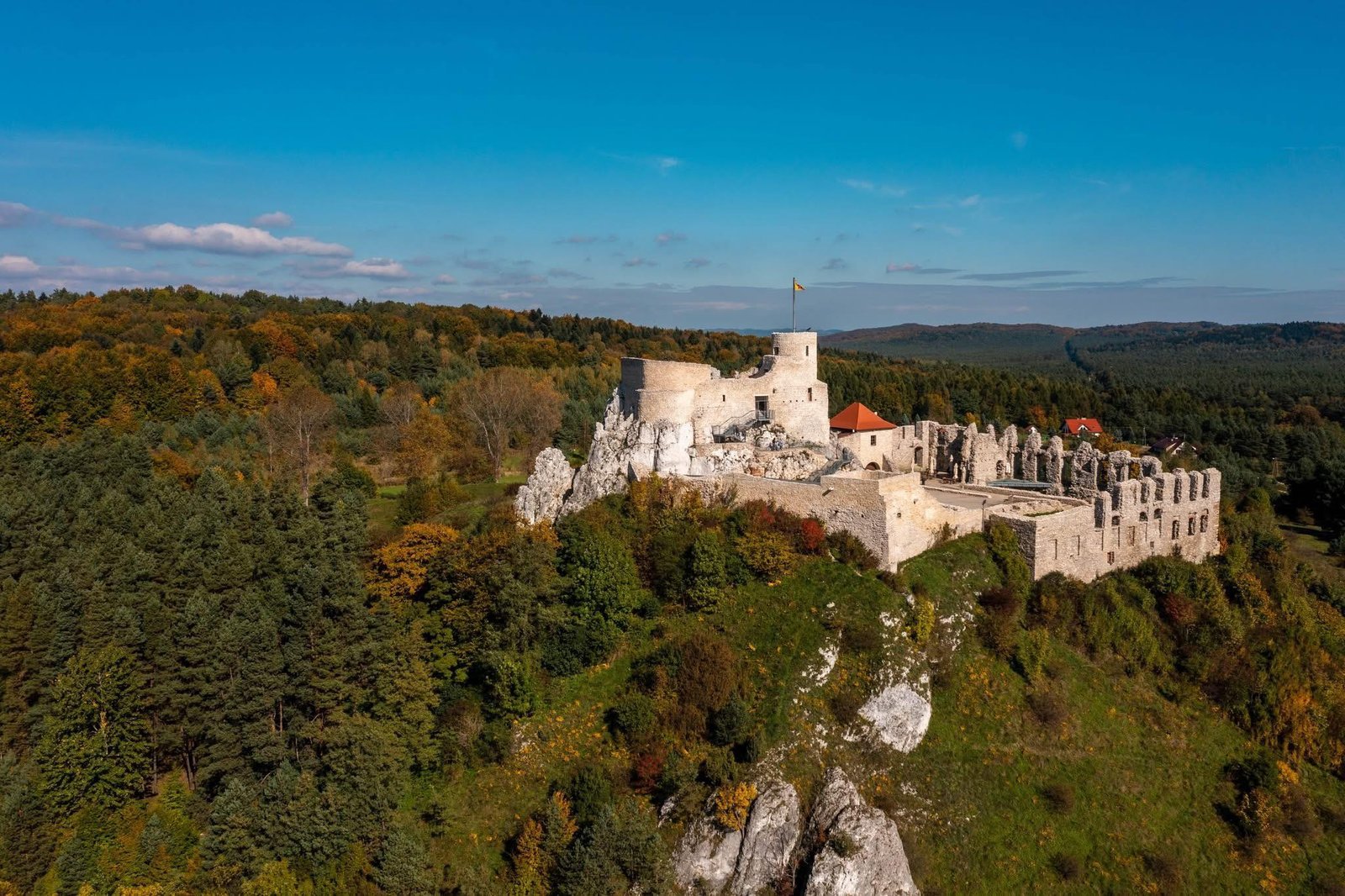
We hope that our article The most impressive castles in Poland inspires you to travel and discover the beauty of Poland.