Traveling with children is always special. It brings curiosity, joy, and a desire to experience as much as possible. However, what could be better than places where children, and adults too, can both play and experience real science with their own hands? This is exactly what science centers in Poland offer. Their doors open new horizons of discovery. Here, even complex topics turn into fun experiences you will want to repeat again and again.
If you are looking for inspiring and interactive places, this is a great choice. Your family trip will become more meaningful and full of experiences. Science centers in Poland make learning easy to understand. At the same time, they make it truly enjoyable. You will find lightning shows, mysterious experiments, planetariums, and optical illusion worlds. In this article, we selected the most interesting science centers. They will turn your trip into an unforgettable adventure. So get ready, because a journey full of discoveries awaits you!
In addition, besides science centers in Poland, you will also find other interesting places. Read more in the article “Best museums in Poland”.
Science centers in Poland
Łódź science center
The Łódź science center is located inside the EC1 complex. It focuses on science popularization and technology exploration. It occupies part of the EC1 territory and works as a museum. Here, visitors explore physics, chemistry, biology, history, and energy through interactive exhibits.
It is one of the most unique places we have visited as a family in Europe. Not only the science center impresses, but also the buildings and the whole complex. The center stands very close to the city center. You can reach it on foot in about 15 minutes from the main street. It is located in a former commercial power plant built in the early 20th century. The plant operated until the year 2000. Today, the area looks modern and urban.
Read more in our review – Łódź science center.
↩︎ Back to list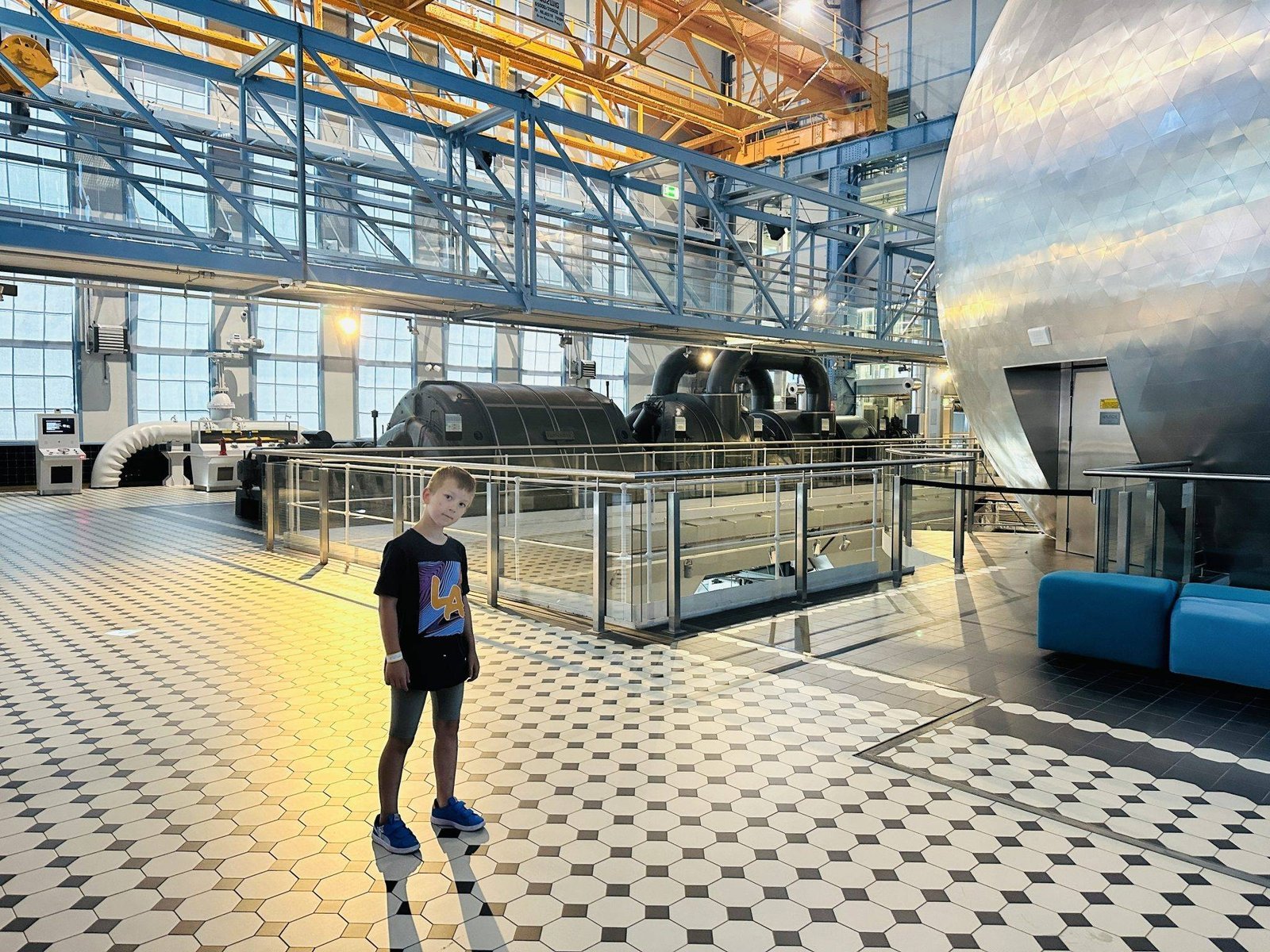

“Element street” exhibition
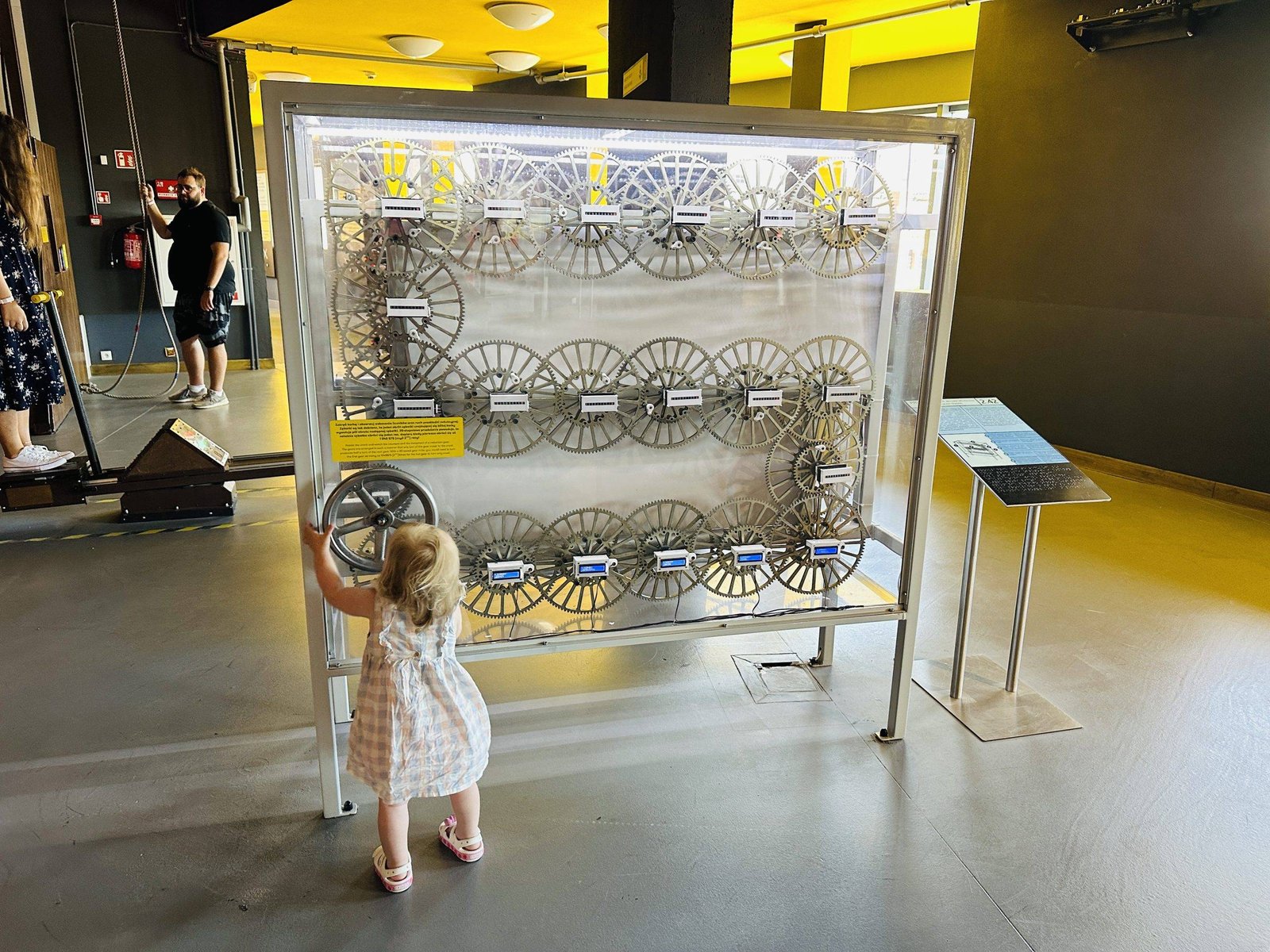
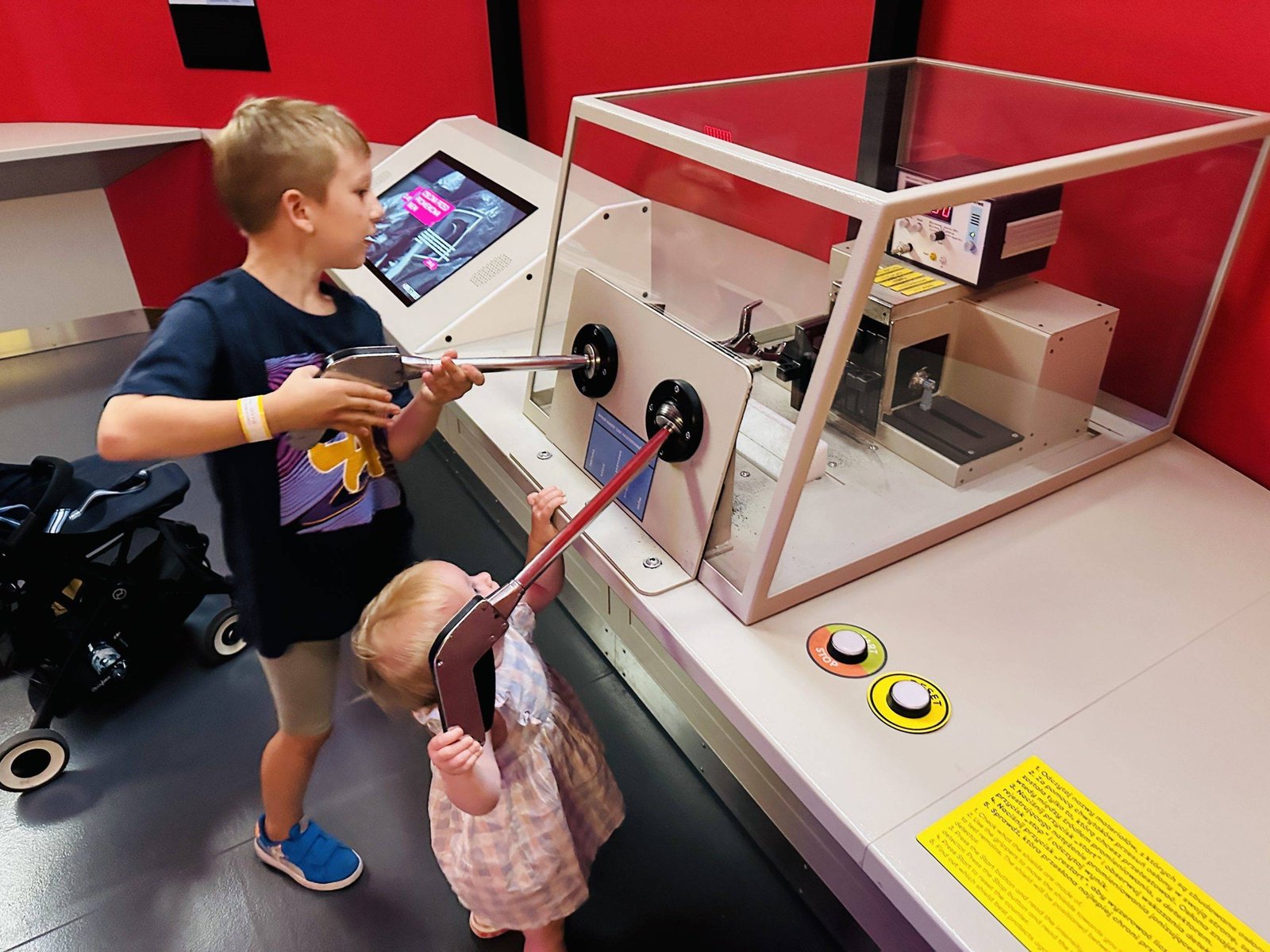
The EC1 exhibition for children called “Element street” is a special part of the Łódź science center. It was created specifically for children to explore science. We have not seen such a specialized and engaging exhibition anywhere else.
The exhibition offers a unique space for science and experiments. It is designed for children from about 3 or 4 years old. However, it also impressed us as adults. Even our 1.5-year-old Paula enjoyed it.
Read our full review – EC1 exhibition “Element street” in Łódź.
↩︎ Back to list


Copernicus science center
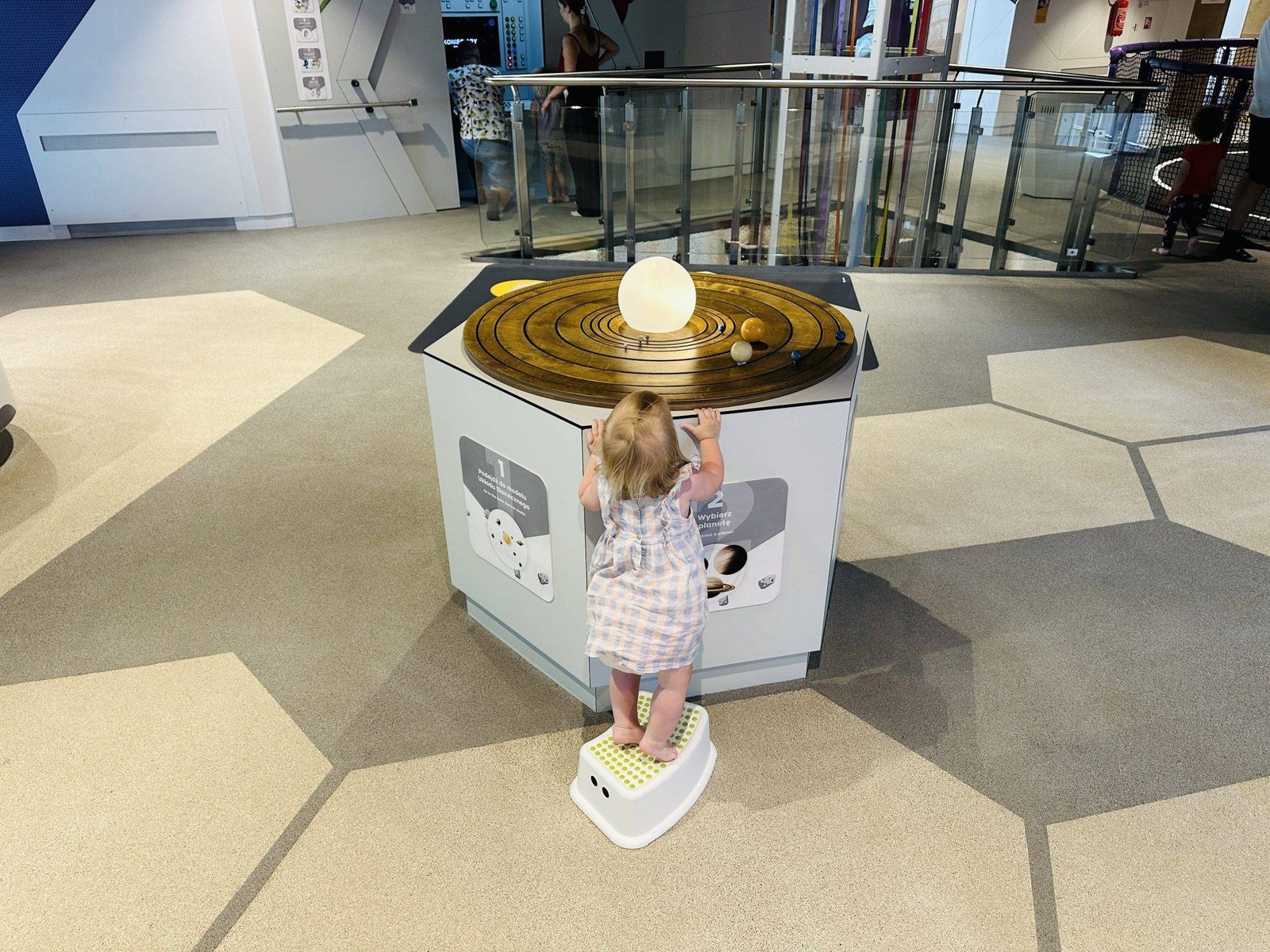
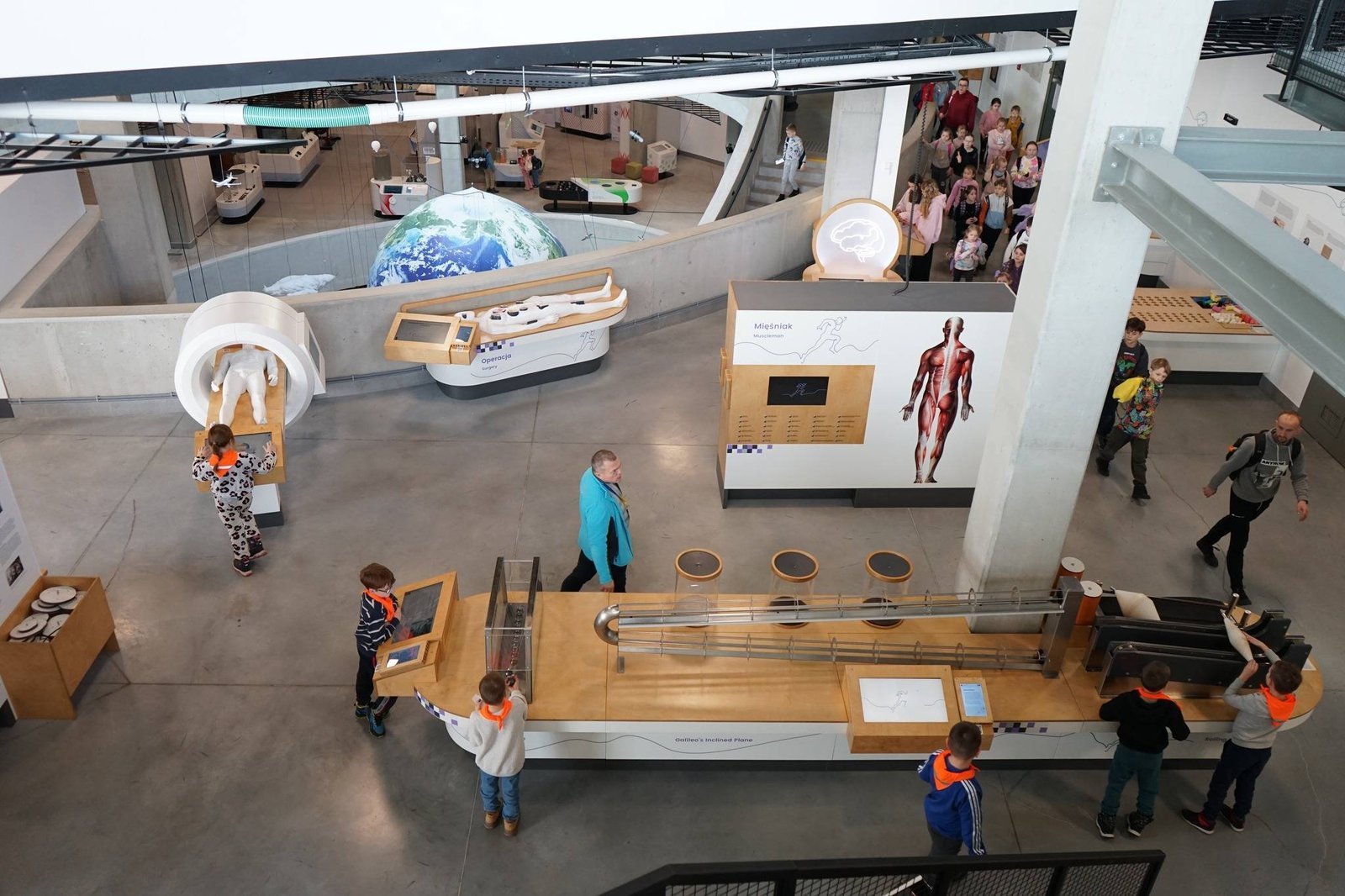
The Copernicus science center is a huge and impressive place. It gathers inventions, experiments, and scientific laws under one roof. Visitors can explore exhibitions where most exhibits are interactive. You can touch them and try everything yourself.
In addition, you can visit the Robot Theater and the High Voltage Theater. You can also take part in scientific experiments. The center offers mini workshops in laboratories. Moreover, one of the most modern planetariums in Poland is located here.
Plan at least half a day for your visit. However, spending a full day is even better. The center is very popular, so we strongly recommend buying tickets in advance online. Otherwise, you may not get them on site.
↩︎ Back to listSOWA discovery zone
The SOWA initiative is a network of mini science centers across Poland. It is based on the experience of the Copernicus science center in Warsaw. These centers are located in different cities and towns. Therefore, everyone can experience the joy of science, no matter where they live.
The SOWA space includes three main areas. First, there is an interactive exhibition. Visitors explore physics, biology, and other sciences through simple experiments. These stations allow independent discovery and observation.
Next, there is a creative construction zone. Here, both children and adults build, model, and solve tasks. Finally, the workshop room offers space for creative activities and hands-on practice.
Epi science center
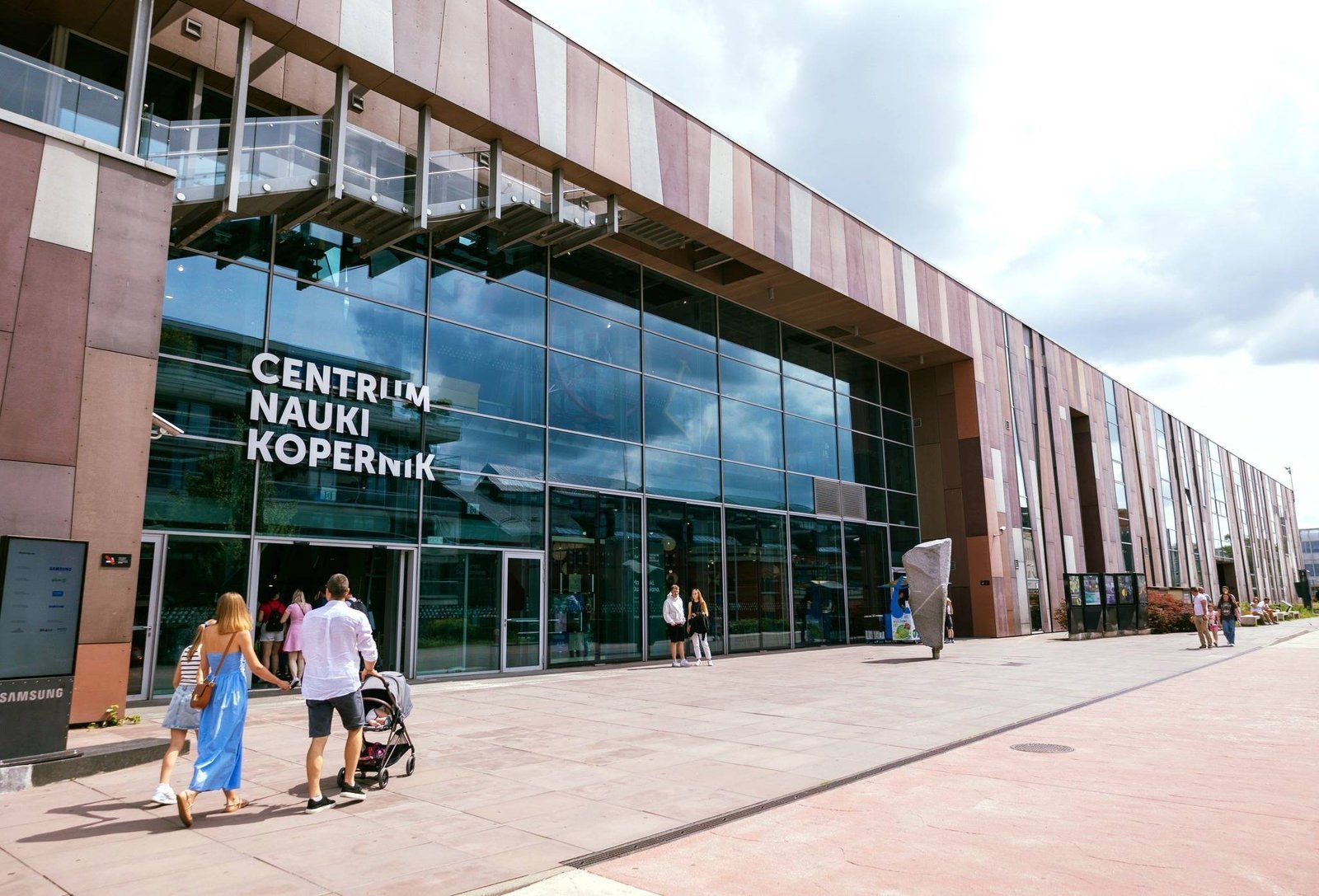
The Epi science center is a modern and interactive place in Białystok. It encourages interest in science, technology, and innovation. Visitors learn through active participation, not just observation.
The center features advanced interactive exhibitions. Visitors can experiment, touch exhibits, and explore natural science phenomena. The exhibitions are divided into themes such as transport, optics, robotics, ecology, the human body, biology, and renewable energy.
There is also a special zone for young explorers aged 3 to 10. Children can safely play, build, and learn basic physics and programming. In addition, the center offers laboratory activities, creative workshops, lectures, and science shows. Therefore, learning becomes practical and fun.
The center suits visitors of all ages, including families and school groups.
↩︎ Back to list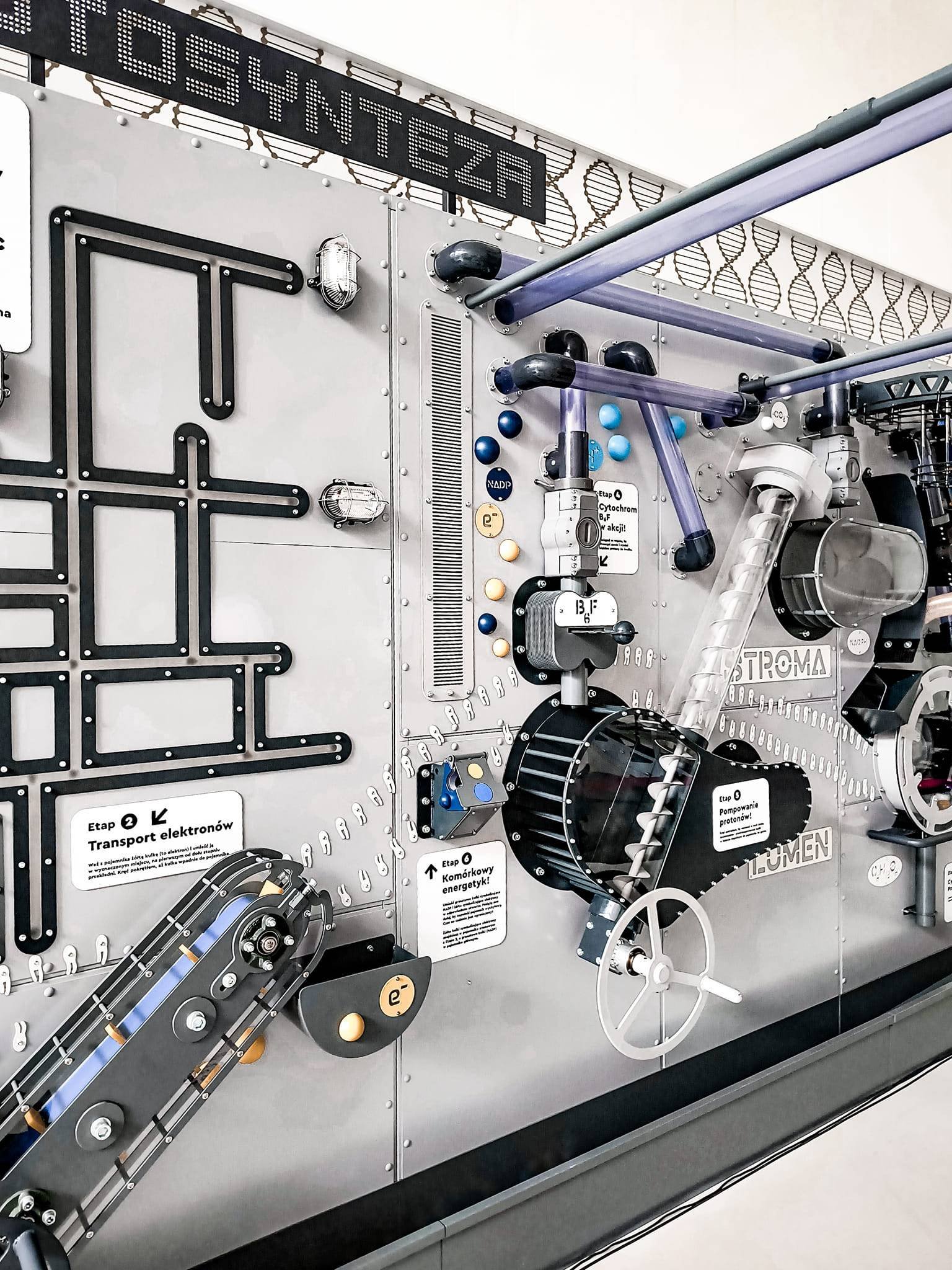
Hevelianum science center
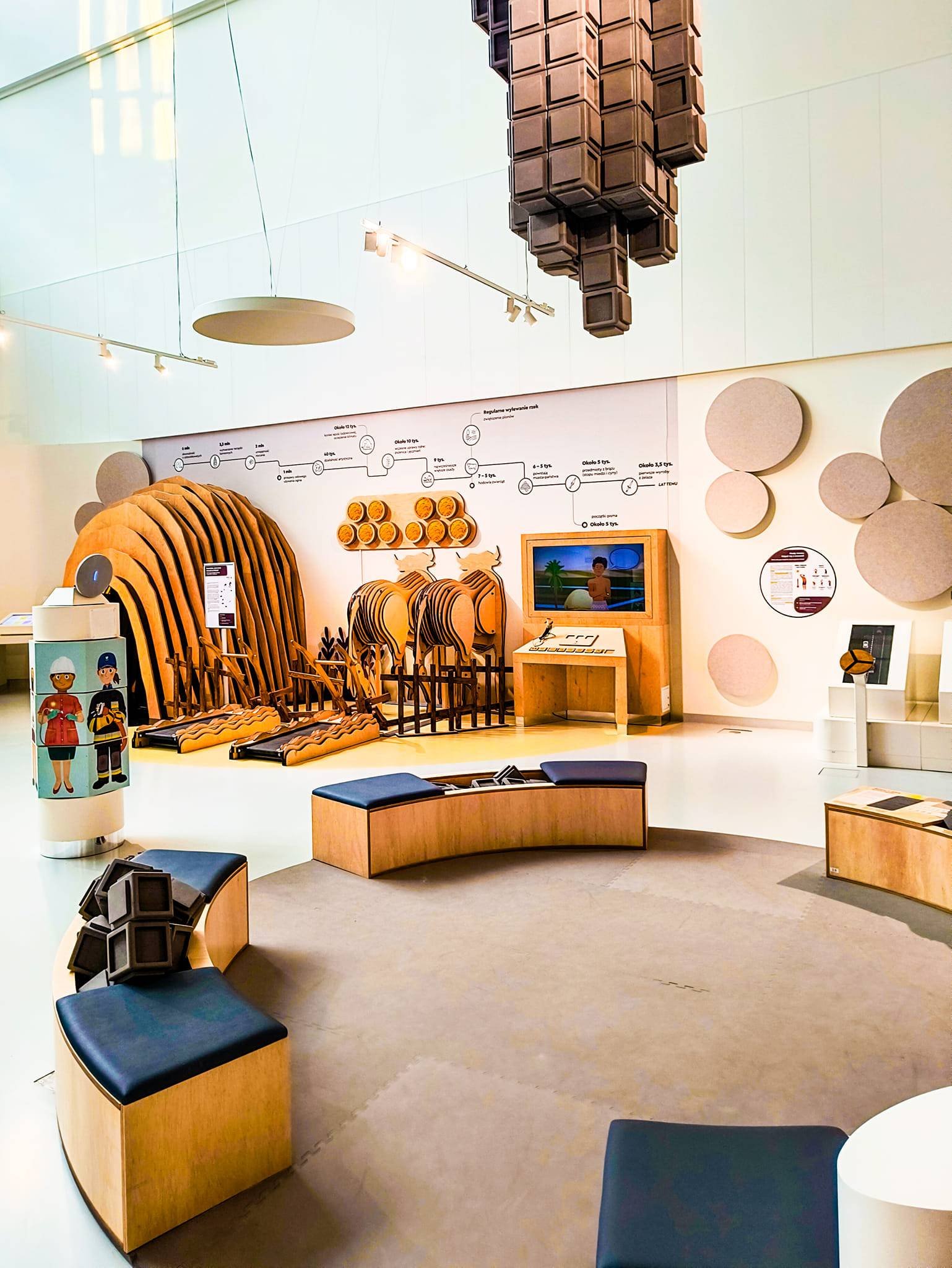
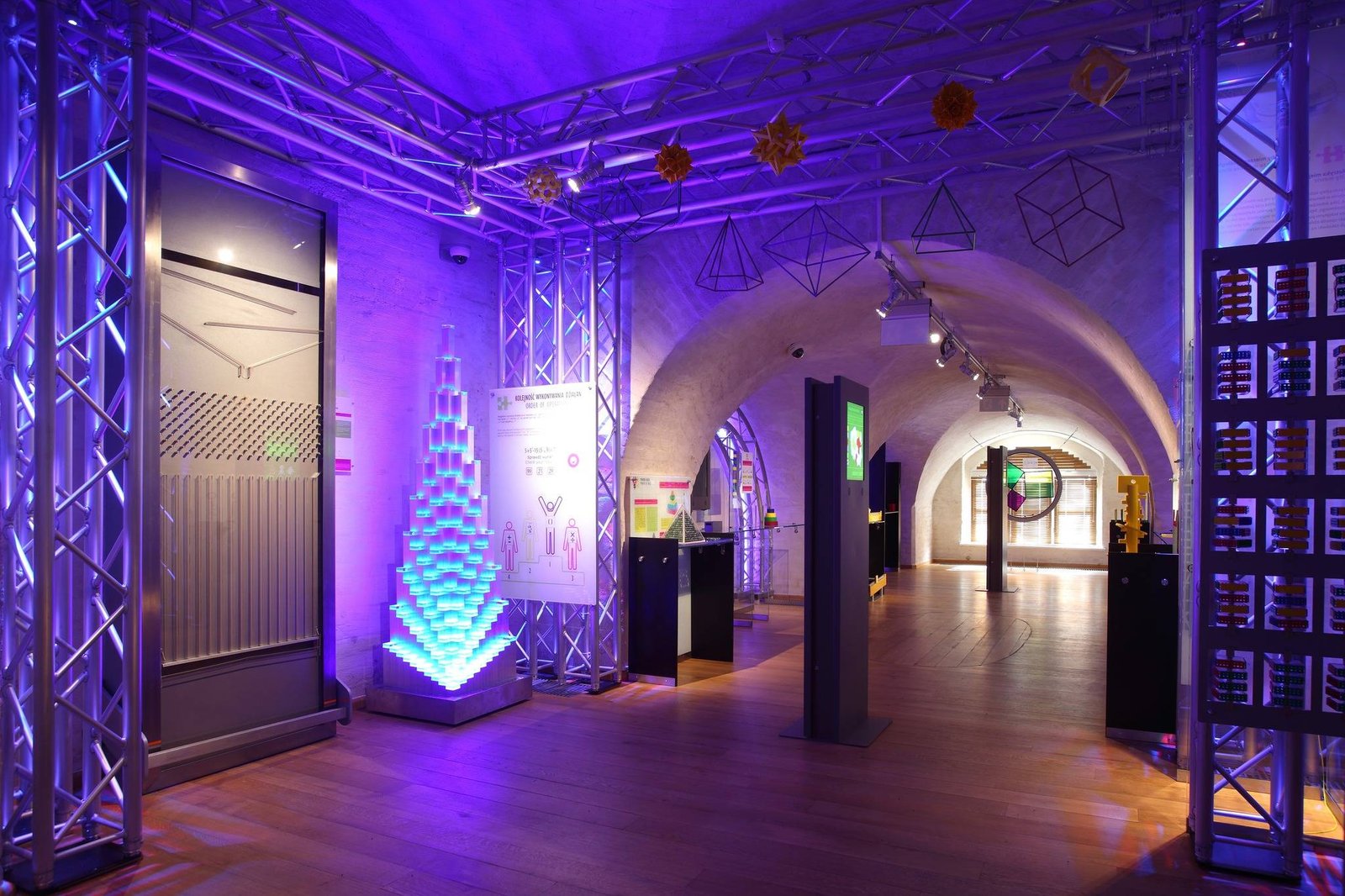
The Hevelianum center is located on Gradowa Hill in Gdańsk. It combines science, education, and culture. The exhibitions are placed inside 19th century fortification buildings. Therefore, it blends history with modern science.
Visitors explore exhibitions in areas such as astronomy, physics, ecology, geography, history, and energy. Older children and adults can visit the two-floor exhibition “Around the world”. It takes visitors from space to natural phenomena and animals.
In addition, the center offers two more exhibitions. “Puzzle” focuses on logic tasks. “With energy!” explains energy sources, electricity, and environmental topics.
There is also a creative playground for younger children. Moreover, the center organizes workshops, lectures, and science shows. In warm seasons, activities also take place outdoors.
Note that strollers are limited inside exhibition spaces.
↩︎ Back to list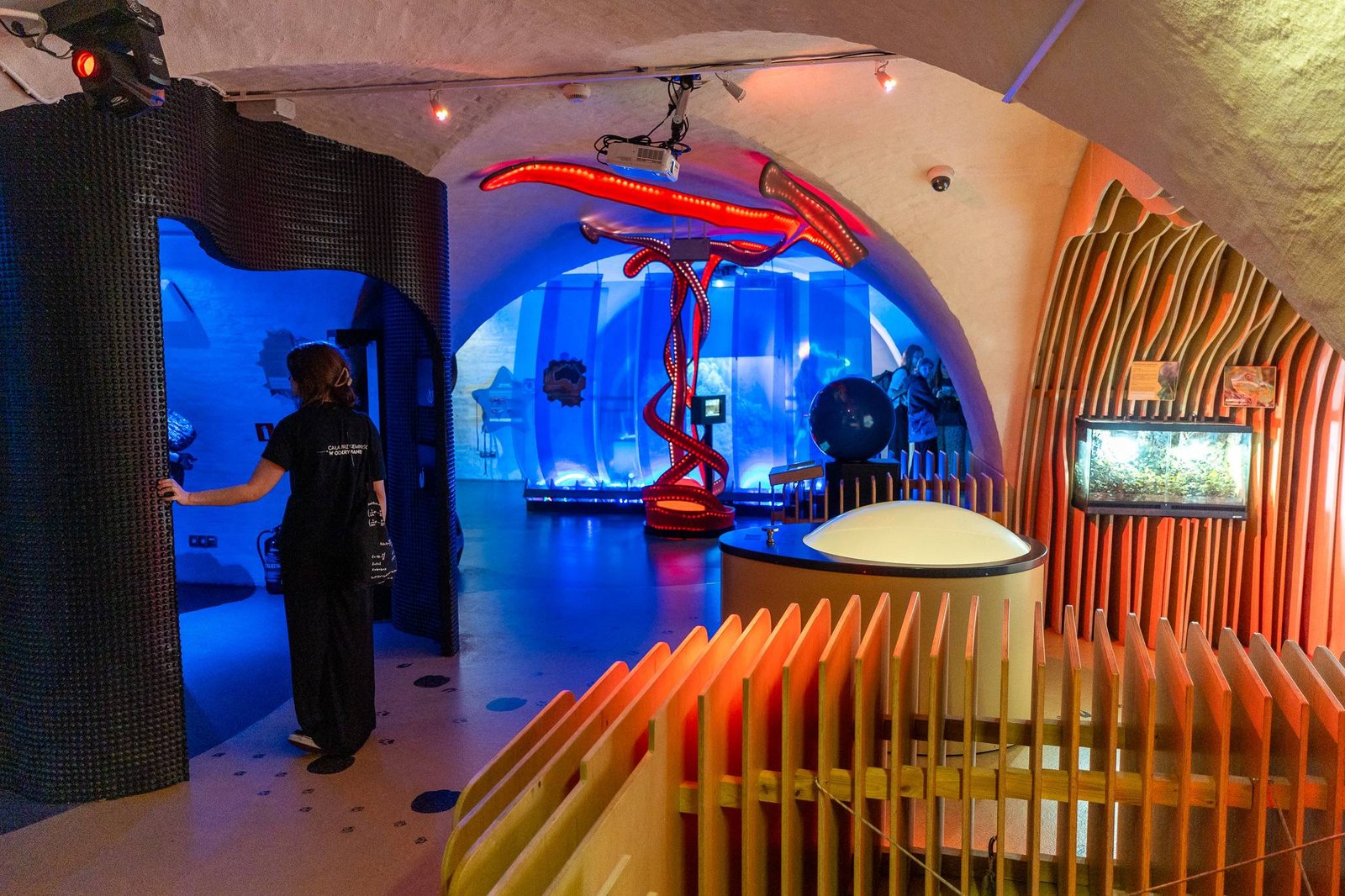
Maritime science center
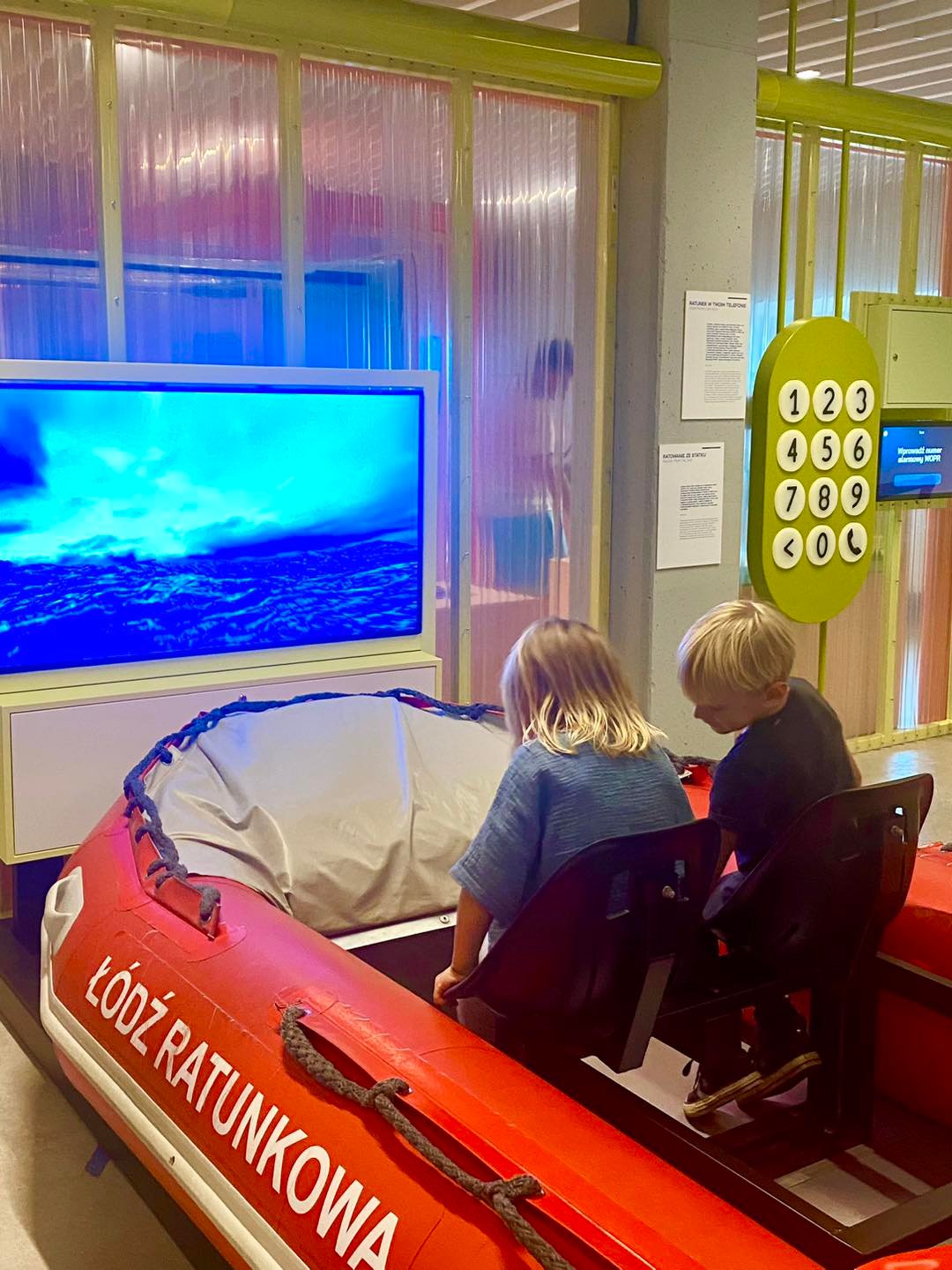
The Maritime science center is a modern educational space. It is suitable for both children and adults. The main theme is the sea. Through this theme, visitors learn physics, mathematics, astronomy, ecology, and history.
The center is unique not only in Europe but also worldwide. It uses maritime topics to explain fishing, navigation, wind, and natural phenomena. In addition, it promotes science, technology, and environmental awareness.
↩︎ Back to list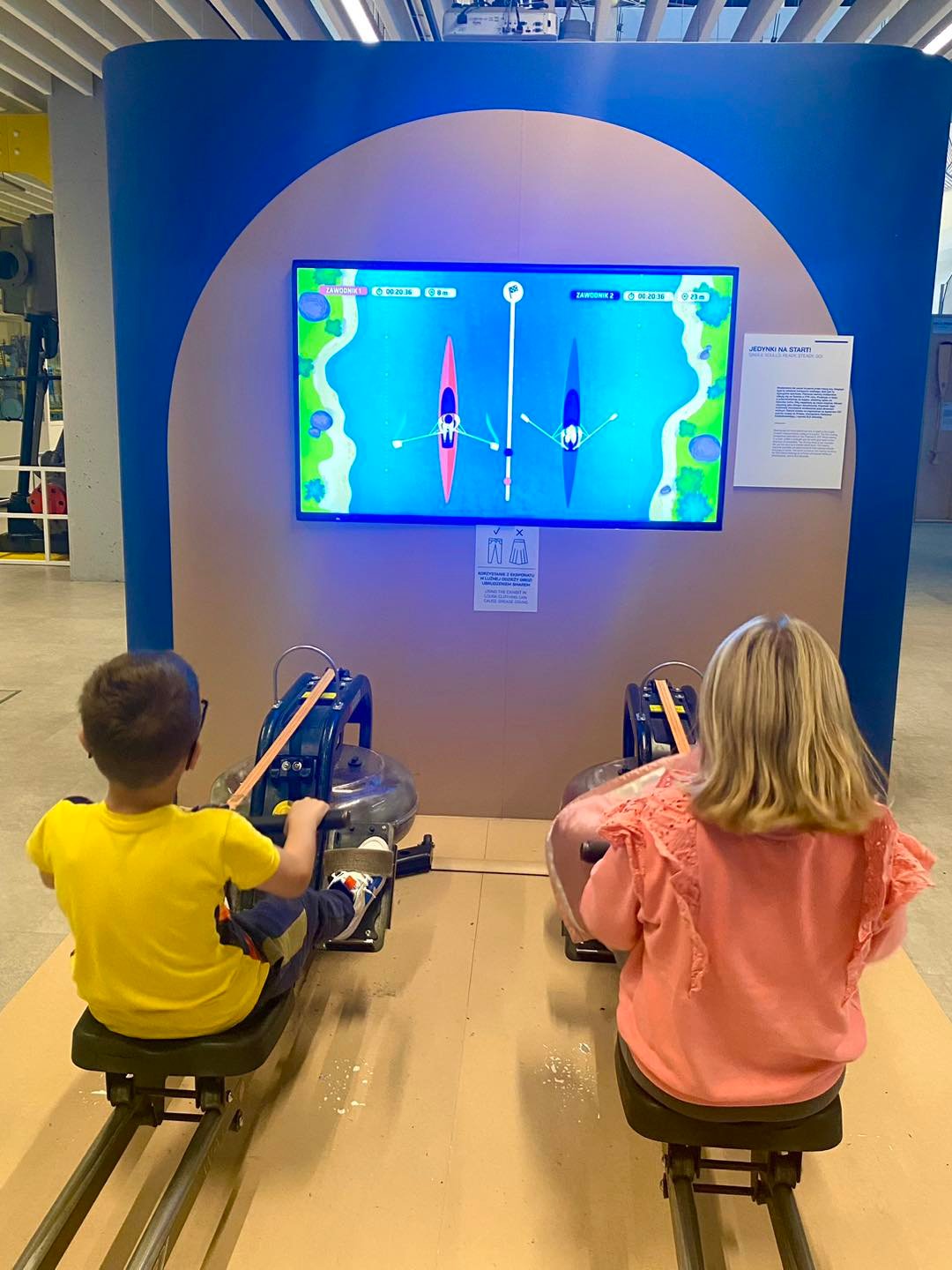
Hydropolis museum
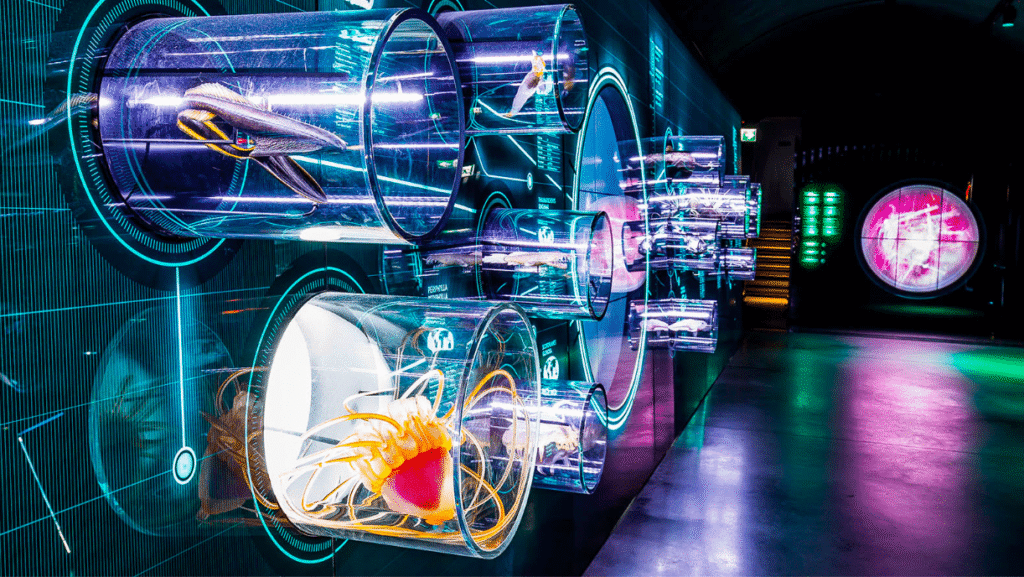
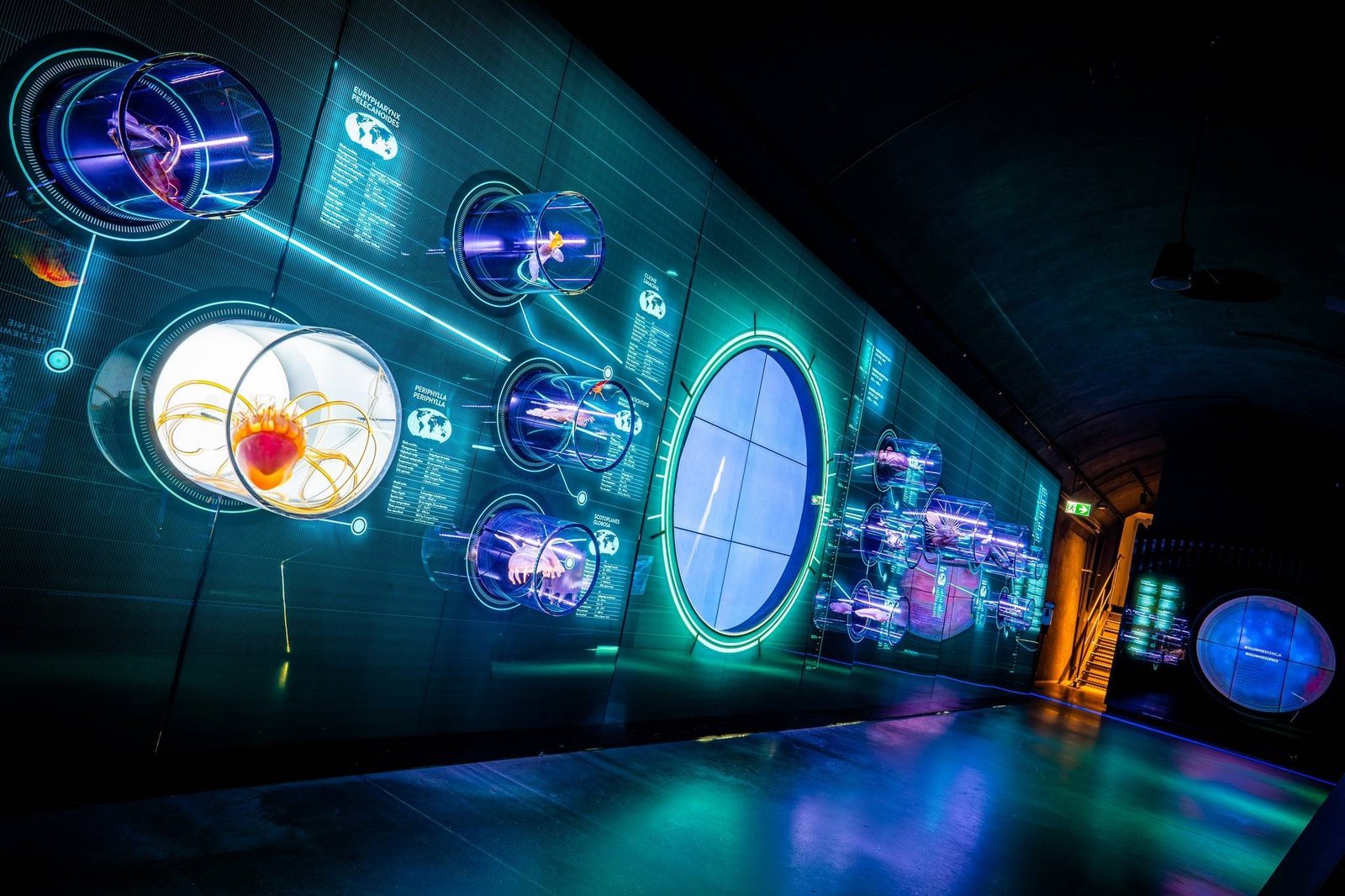
Hydropolis in Wrocław is a water museum located in a historic underground reservoir. The space covers 4000 square meters. The exhibition “Earth – the water planet” explains the origin and importance of water.
Multimedia, models, and interactive installations present the diversity of water. The atmosphere inside is special and slightly dark. Visitors can lie down and watch projections, such as a rising moon on a fantasy planet.
Children especially enjoy this place. Everything is interactive, with many lights and buttons to explore.
Funzeum – interactive educational entertainment museum
Funzeum is an interactive educational museum located in Gliwice, Poland. Its name combines the words “fun” and “museum”. Therefore, the main idea focuses on learning through play.
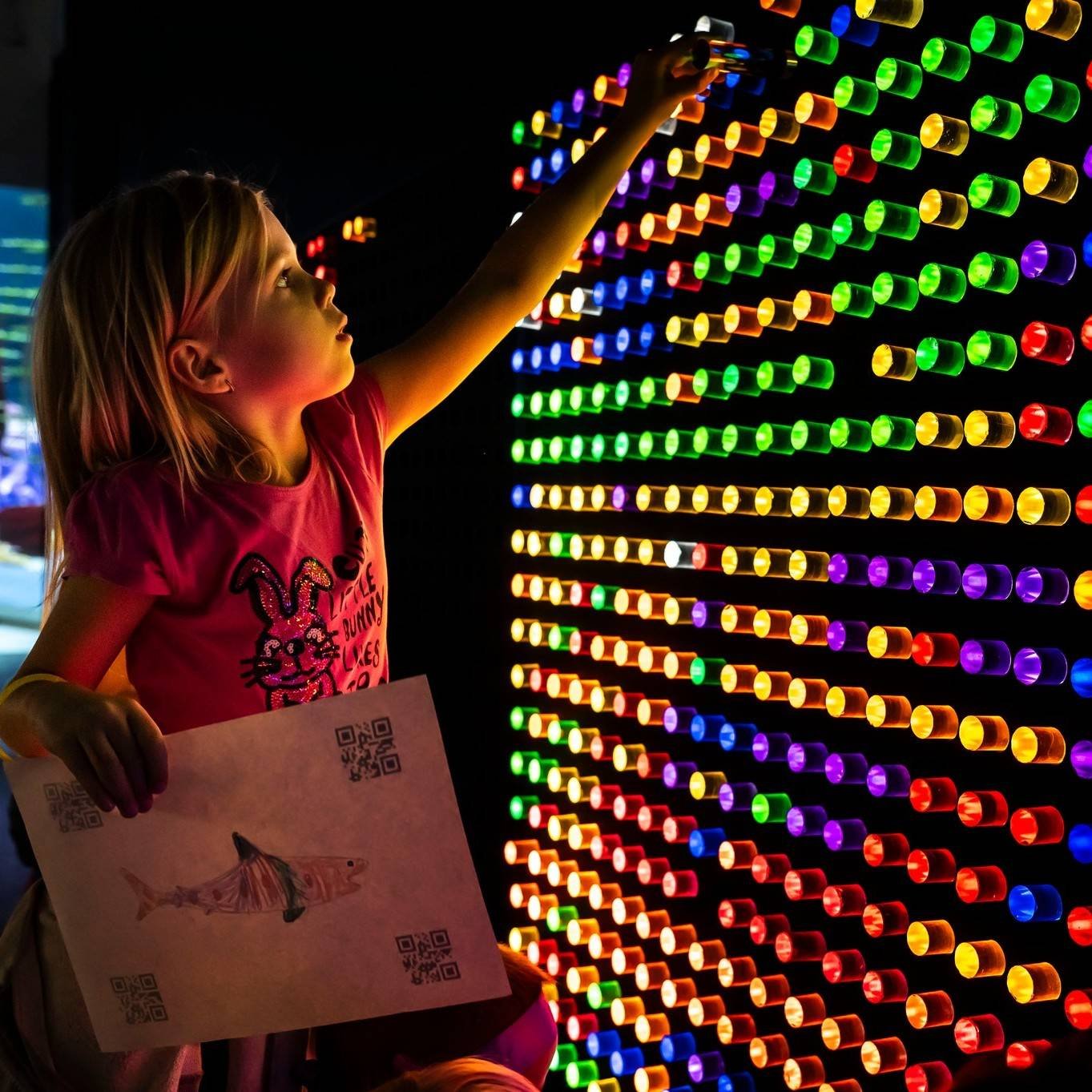
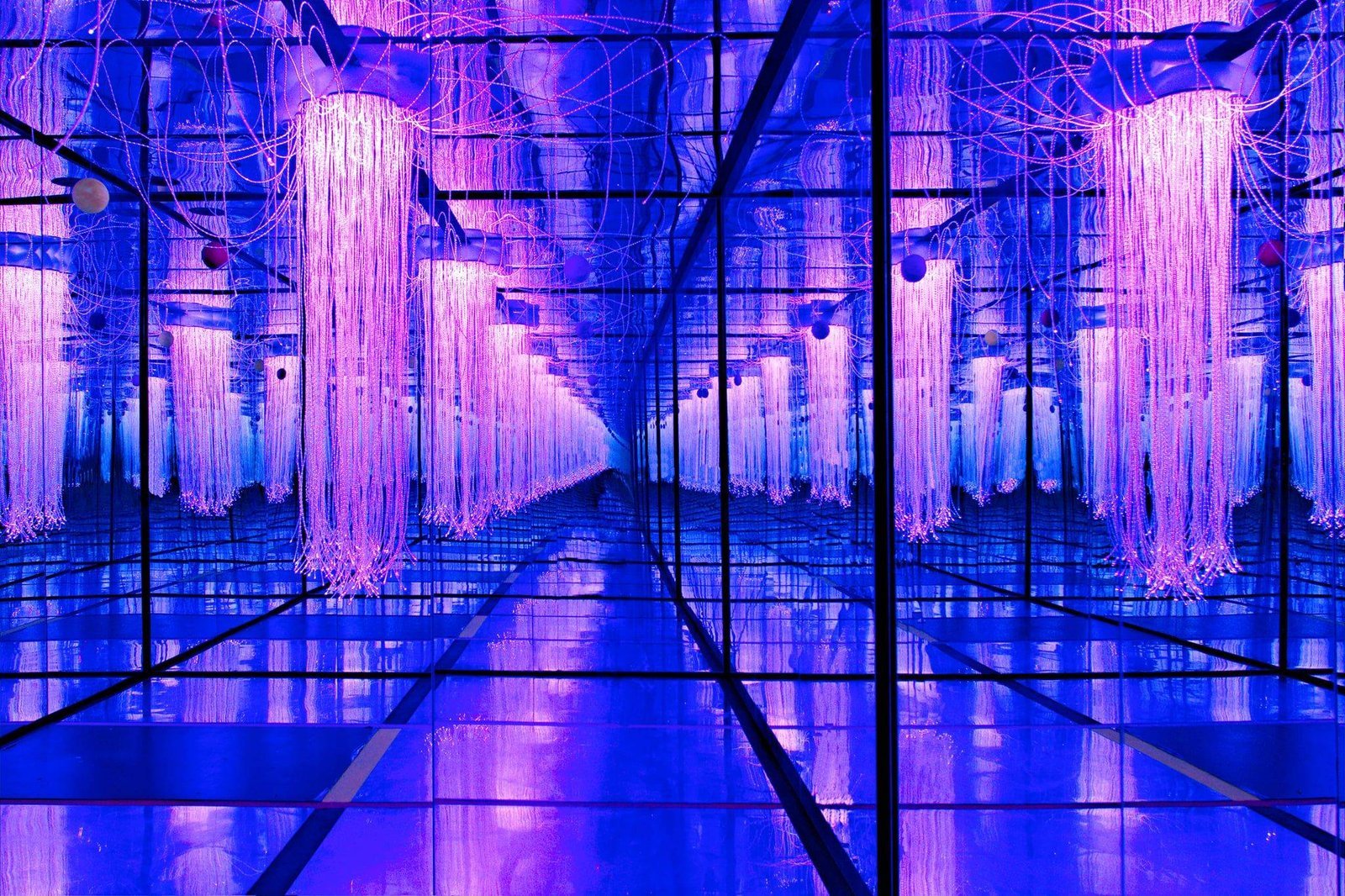
The space covers 4000 m². Here, visitors will find more than 90 multisensory installations. These are divided into two main zones: Color and Light. Visitors can explore optical illusions, color experiments, and sensory rooms. In addition, the FunZone includes a unique hanging maze, a giant piano, and a ball pool. There are also interactive areas where children’s drawings come to life on screens.
In the FunLab zone, young visitors can perform safe experiments in chemistry, physics, and biology. As a result, the museum offers both learning and memorable experiences.
↩︎ Back to list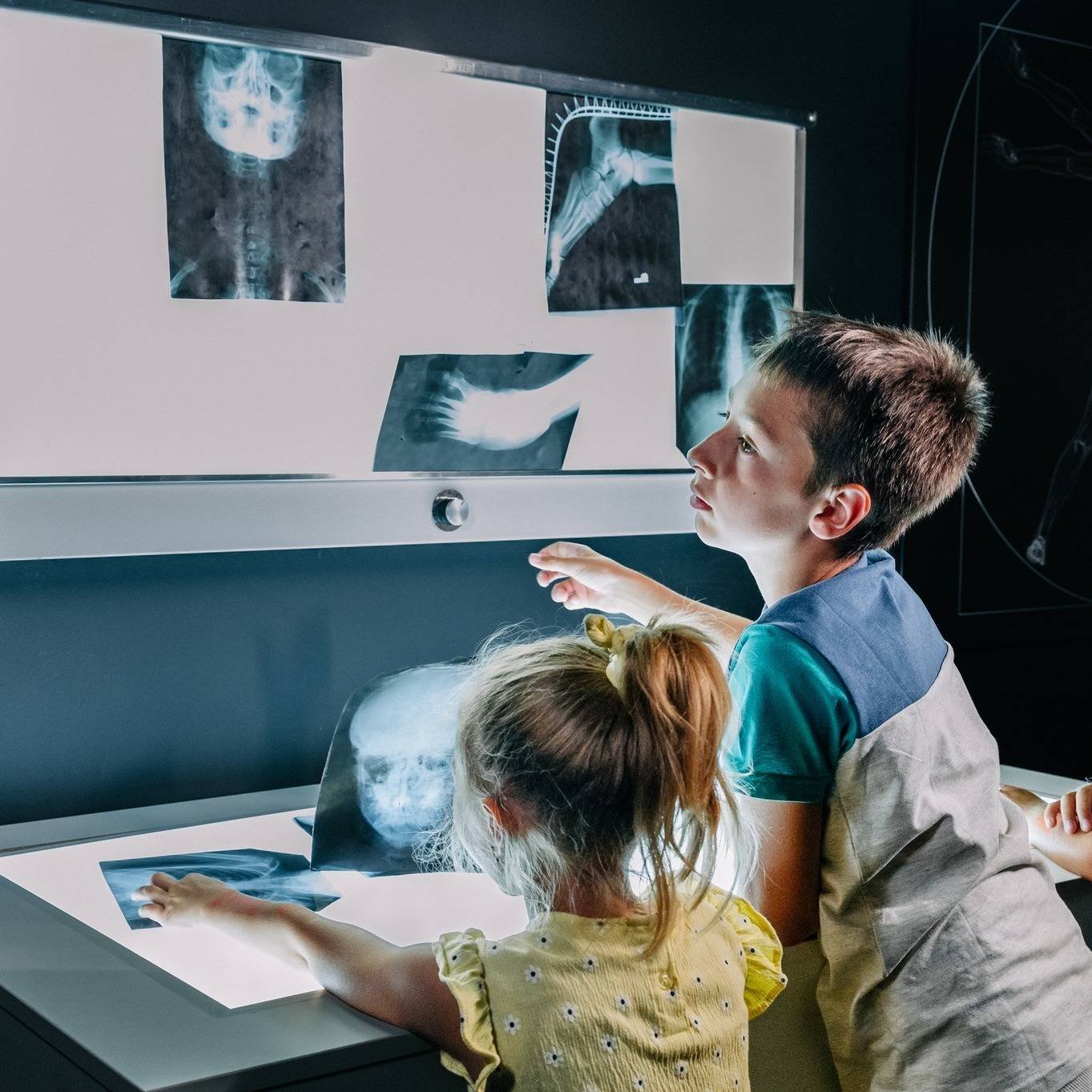
Illuzeum interactive exhibition
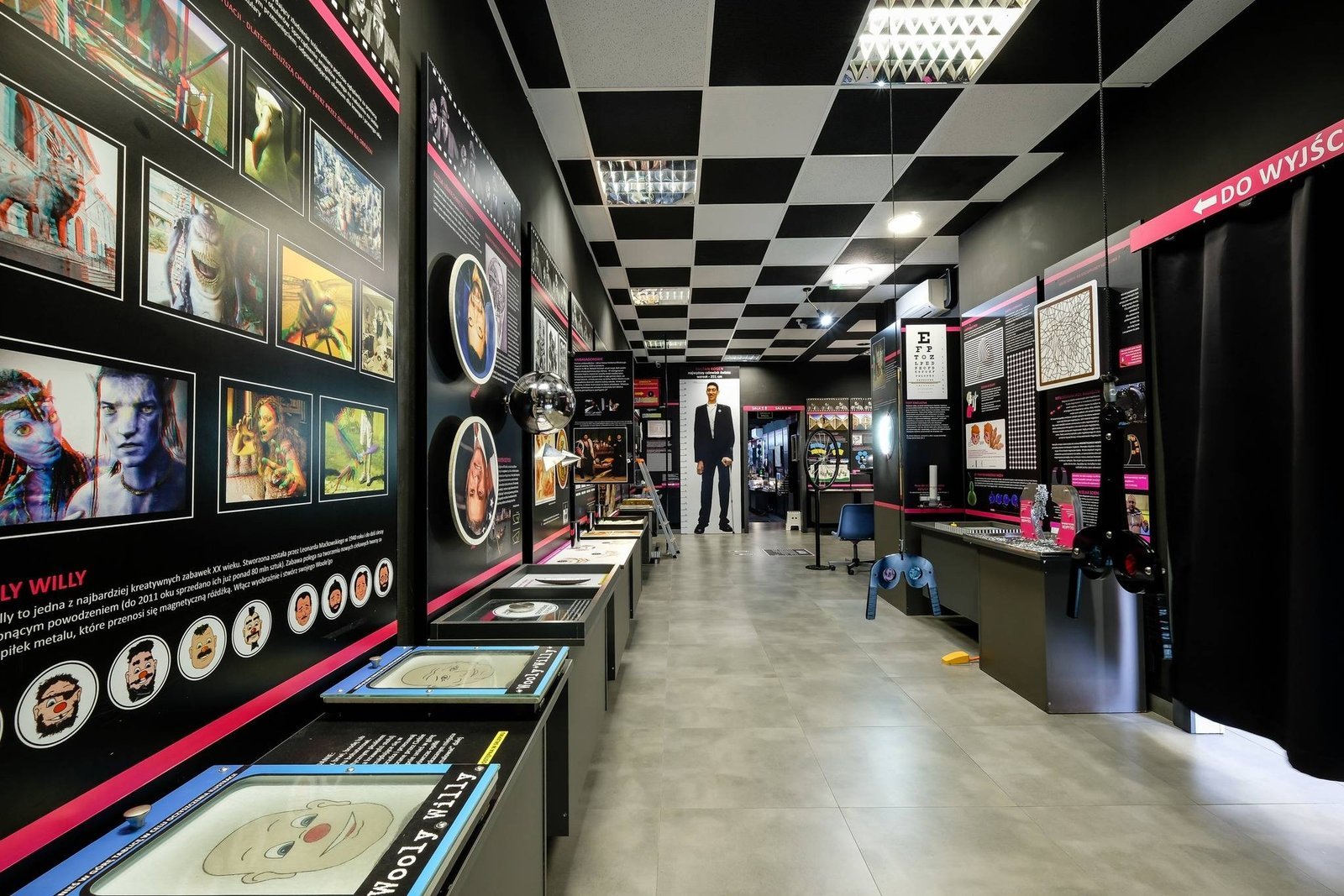
Illuzeum in Łeba is a seasonal interactive exhibition. It is located in a popular seaside resort in northern Poland. This exhibition invites visitors not only to observe but also to try everything themselves.
The main idea combines learning and entertainment. Visitors explore optical illusions, physical phenomena, and interactive experiments. Moreover, the exhibition encourages active participation and discovery.
It is suitable for both children and adults. Therefore, families especially enjoy visiting it.
Illuzeum operates mainly during the summer season. It usually opens from May to September. However, we recommend checking the official opening hours before visiting.
Podkarpackie science center
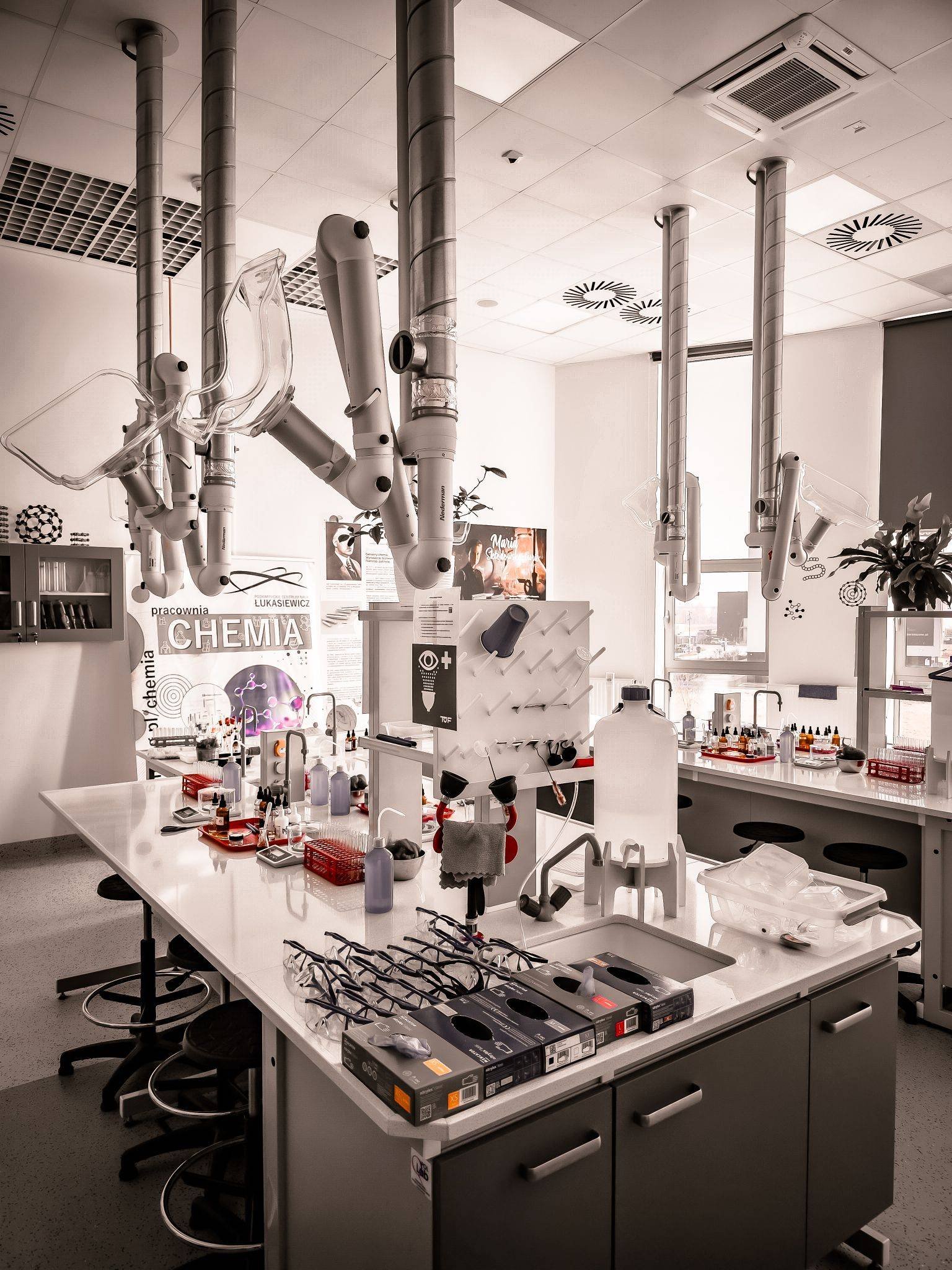
The Podkarpackie science center “Łukasiewicz” opened in March 2023. It is located in Jasionka, Poland. The center is named after inventor Ignacy Łukasiewicz. It focuses on science, technology, and regional specializations such as aviation and IT.
Visitors explore interactive exhibitions and five modern laboratories. These include biology, chemistry, physics, robotics, and a FabLab. Here, visitors can experiment independently and learn through practice.
In addition, the center offers educational programs, lectures, and science shows. It is suitable for visitors of different ages.
WOMAI science and senses center
WOMAI is a unique science and sensory center in Kraków. It offers two main interactive exhibitions. These allow visitors to experience the world through different senses.
“Towards the light” introduces physics and chemistry through experiments. It is suitable for all ages, including children under 6.
“Towards the dark” offers a completely different experience. Visitors spend time in total darkness. They perform daily tasks without sight. A guide leads each group and shares personal experiences. This exhibition is recommended for children from around 9 years old and adults.
These exhibitions are created by passionate specialists. Therefore, visitors gain both knowledge and unique experiences.
Kepler science center
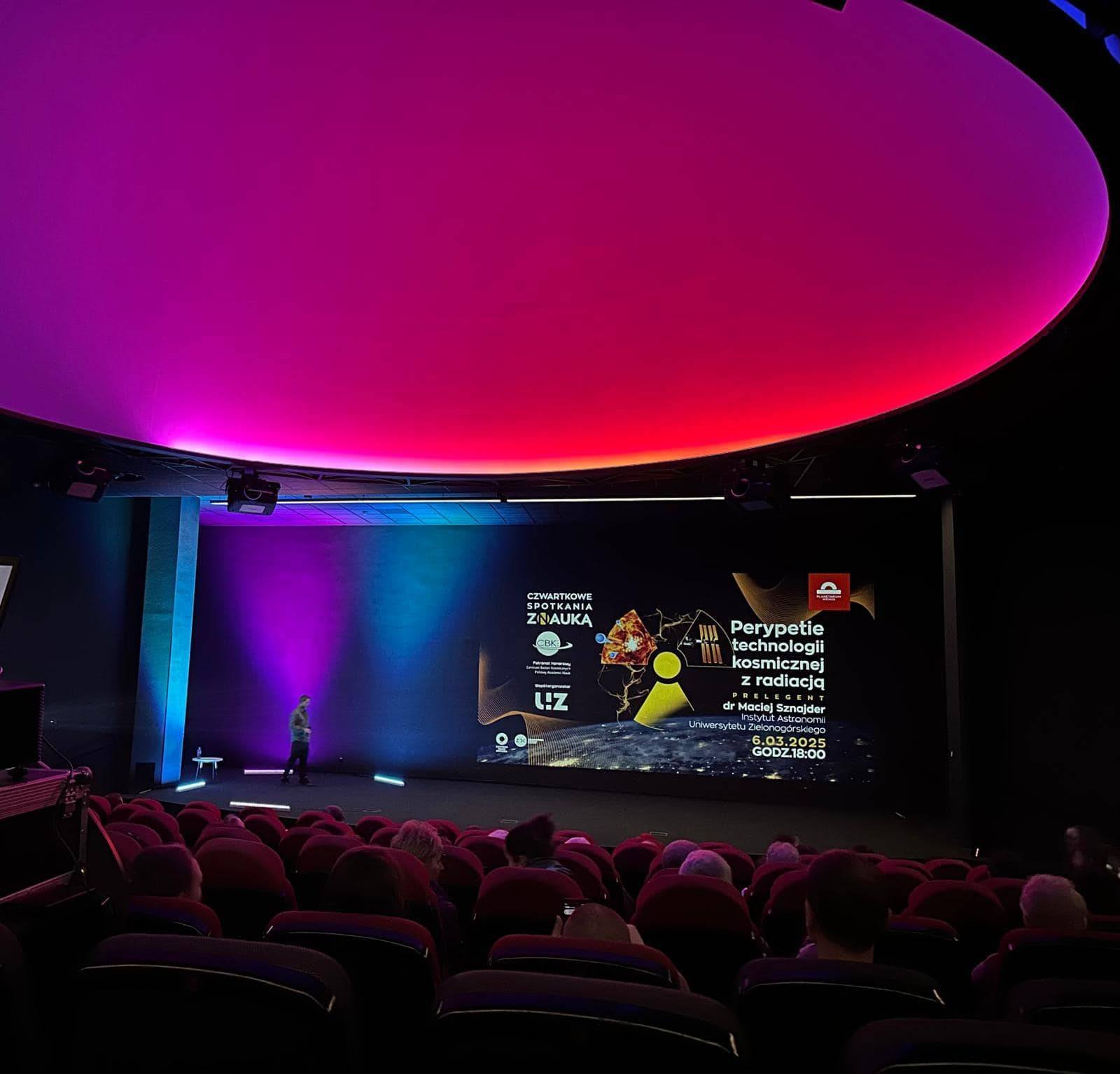
The Kepler science center is located in Zielona Góra. It is named after astronomer Johannes Kepler. The center encourages interest in science and technology through interactive learning.
The complex consists of two main parts: the “Wenus” planetarium and the nature center (Centrum Przyrodnicze).
The planetarium allows visitors to explore space. Modern projections show stars, planets, and cosmic phenomena. Regular shows introduce astronomy and the structure of the universe.
The nature center offers interactive exhibitions about biology and geology. Visitors can experiment and better understand the natural world. In addition, the center organizes workshops and educational programs.
Discovery passage
Discovery passage is a modern science and technology center in Tarnów. It is located in the town square. Visitors explore science through interactive exhibitions and educational activities.
The exhibitions present important discoveries and inventions. They also highlight scientists connected to Tarnów. Each part encourages visitors to explore through discussion and personal experience.
The center includes modern laboratories. Here, visitors take part in practical activities. They also develop critical thinking and teamwork skills.
↩︎ Back to list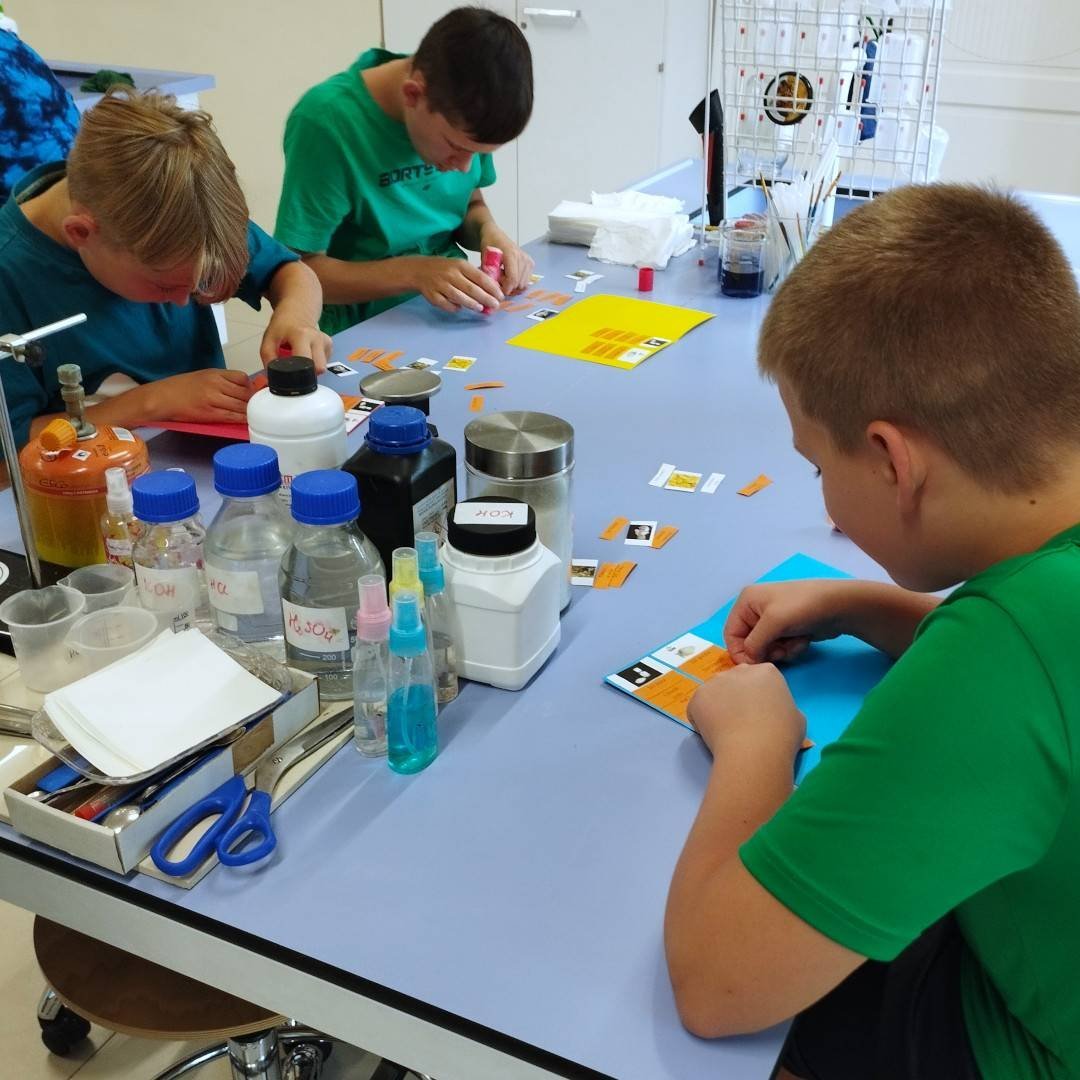
Geoeducation center
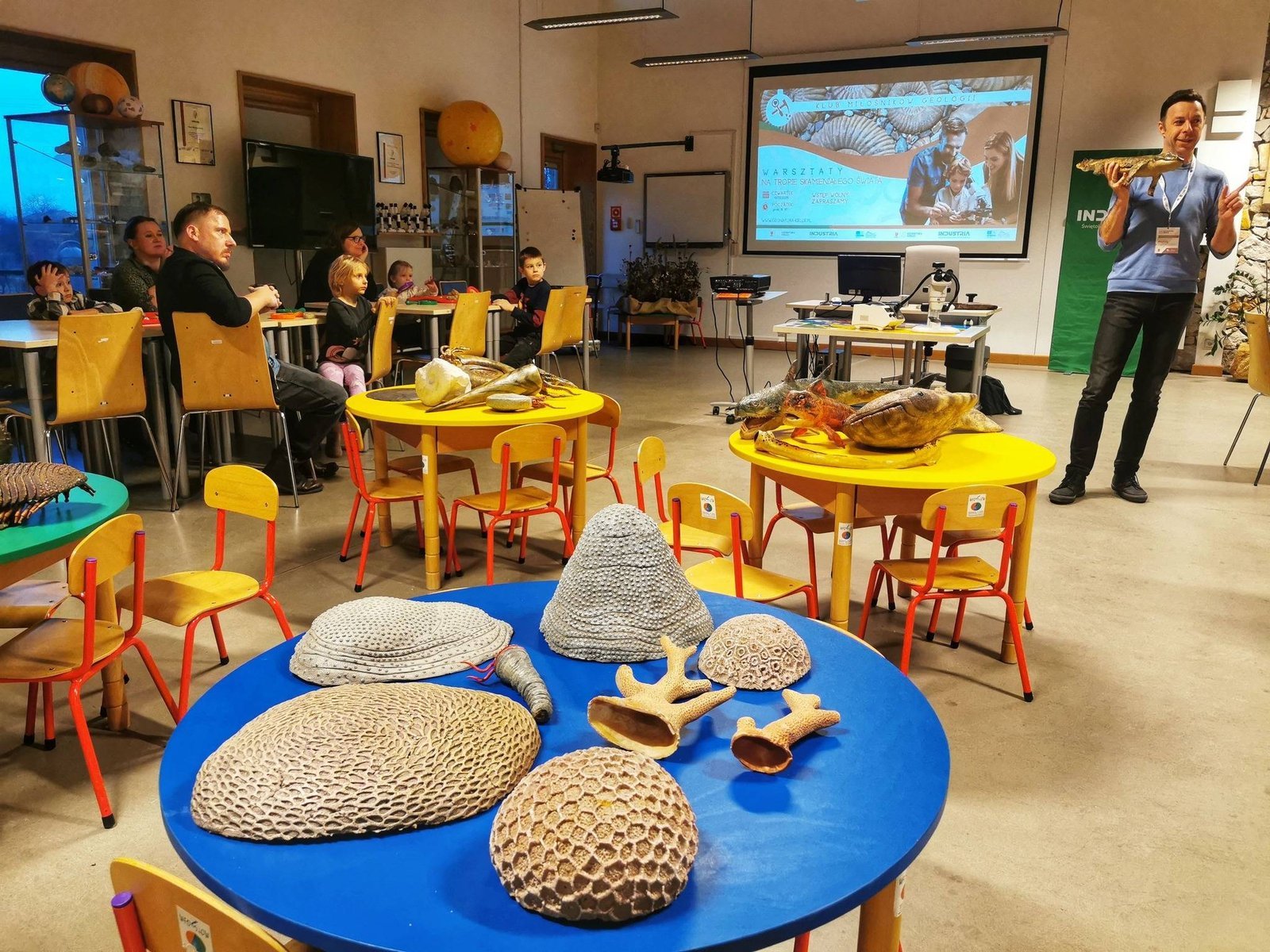
The Geoeducation center in Kielce is located in a natural environment. Visitors travel back in time and learn about geological history.
Entry to the center is free. However, prior registration is required.
At the beginning, a guide introduces the exhibition. Then, visitors explore an ancient underwater world. In the “Chronos” station, they experience life under the sea. Realistic exhibits and screens help explain geological processes.
The geo-laboratory includes interactive stations about volcanoes and earthquakes. In addition, a special cinema shows a film with effects. It presents a journey through billions of years.
Visitors can also explore a cave and a grotto. Outside, there is a playground and a geological garden.
Leonardo da Vinci science center
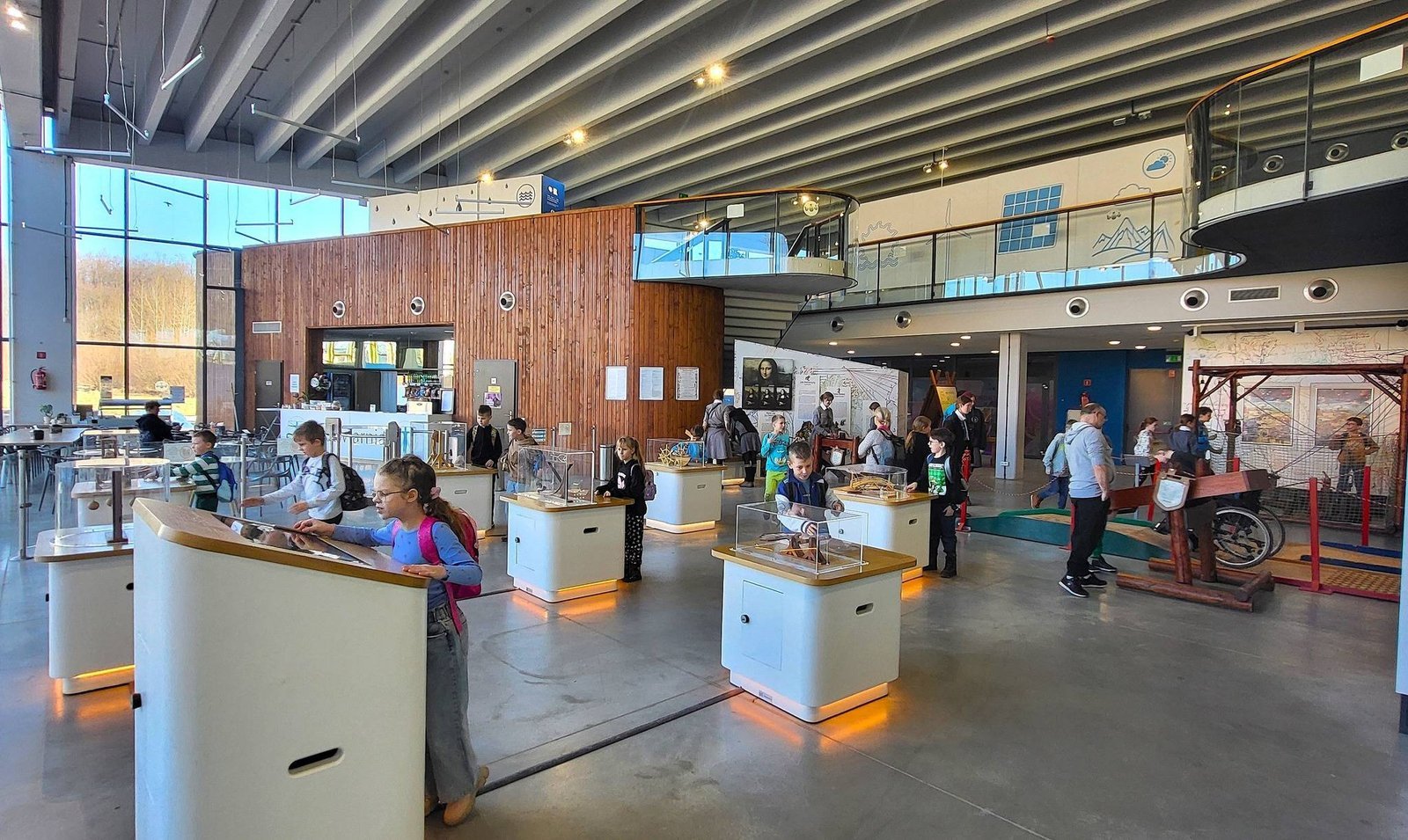
The Leonardo da Vinci science center is an interactive educational space in Kielce, Poland. It introduces visitors to the human body, health, and the inventions of Leonardo da Vinci.
Interactive exhibitions are set across two floors. Visitors learn how the lungs, heart, and brain work. They also explore the human skeleton and health care basics.
Older visitors can try simulations. For example, they can ride a virtual bike while experiencing alcohol impairment. They can also move in a wheelchair to understand different perspectives.
The central space focuses on Leonardo da Vinci’s inventions. Visitors can explore models and even build some themselves. Outside, there is an experiment park. Here, visitors test physics laws, mechanisms, and optical illusions.
For younger children, there is a safe play area with toys and soft elements. In addition, a rooftop garden offers a place to relax. A visit usually takes about two hours. It leaves a strong impression on both children and adults.
Kortosfera science and innovation center
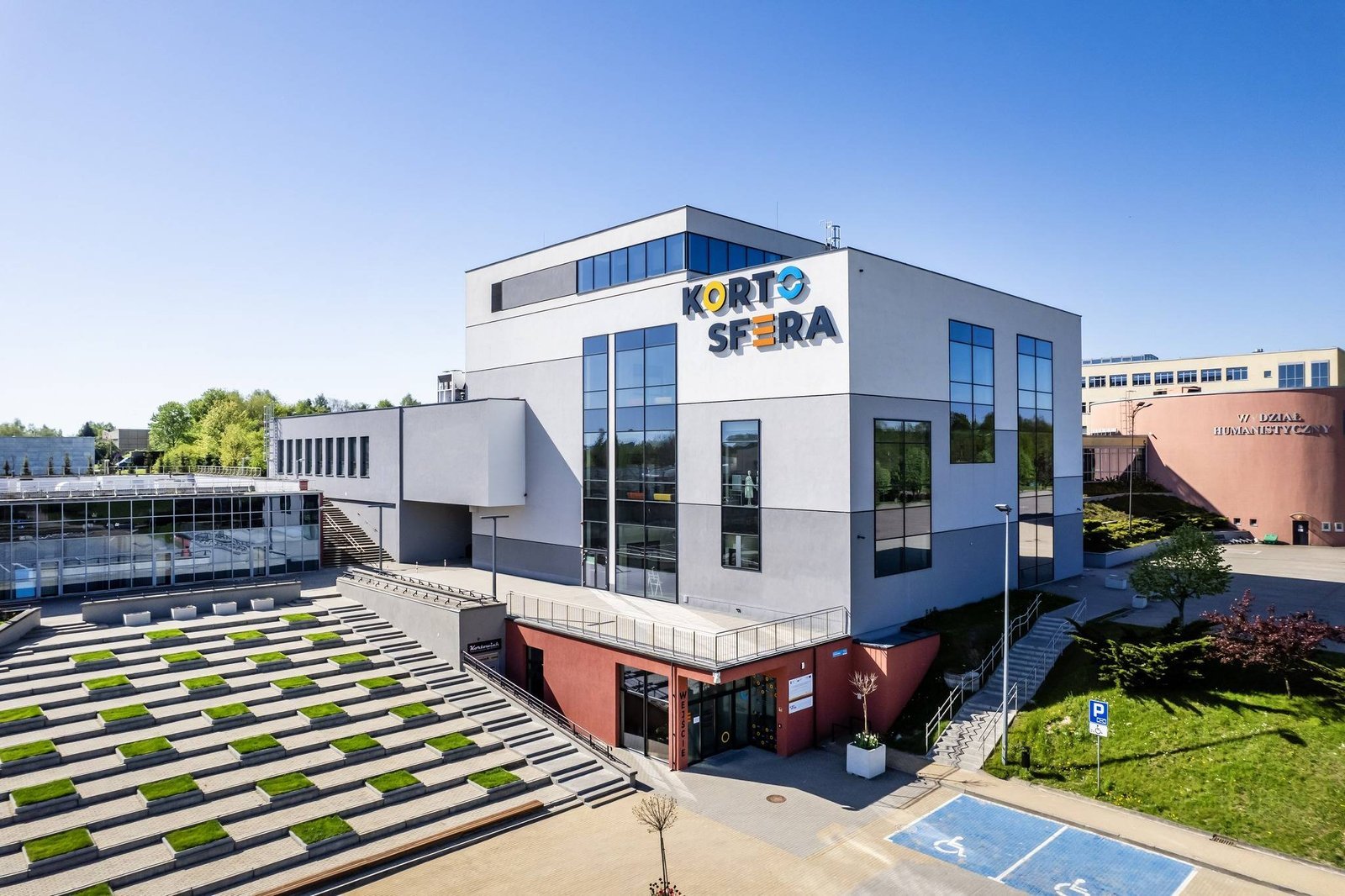
Kortosfera is a modern science and innovation center in Olsztyn. It features 140 interactive exhibits across five themed halls. These spaces invite visitors to explore the world through play and experiments.
One of the key highlights is the laboratory area. Visitors can become researchers and perform experiments with guidance. As a result, even complex processes become easy to understand.
In addition, the high-energy laboratory offers impressive electromagnetism shows. Visitors can observe the Tesla coil and see the Van de Graaff generator in action.
Physics park
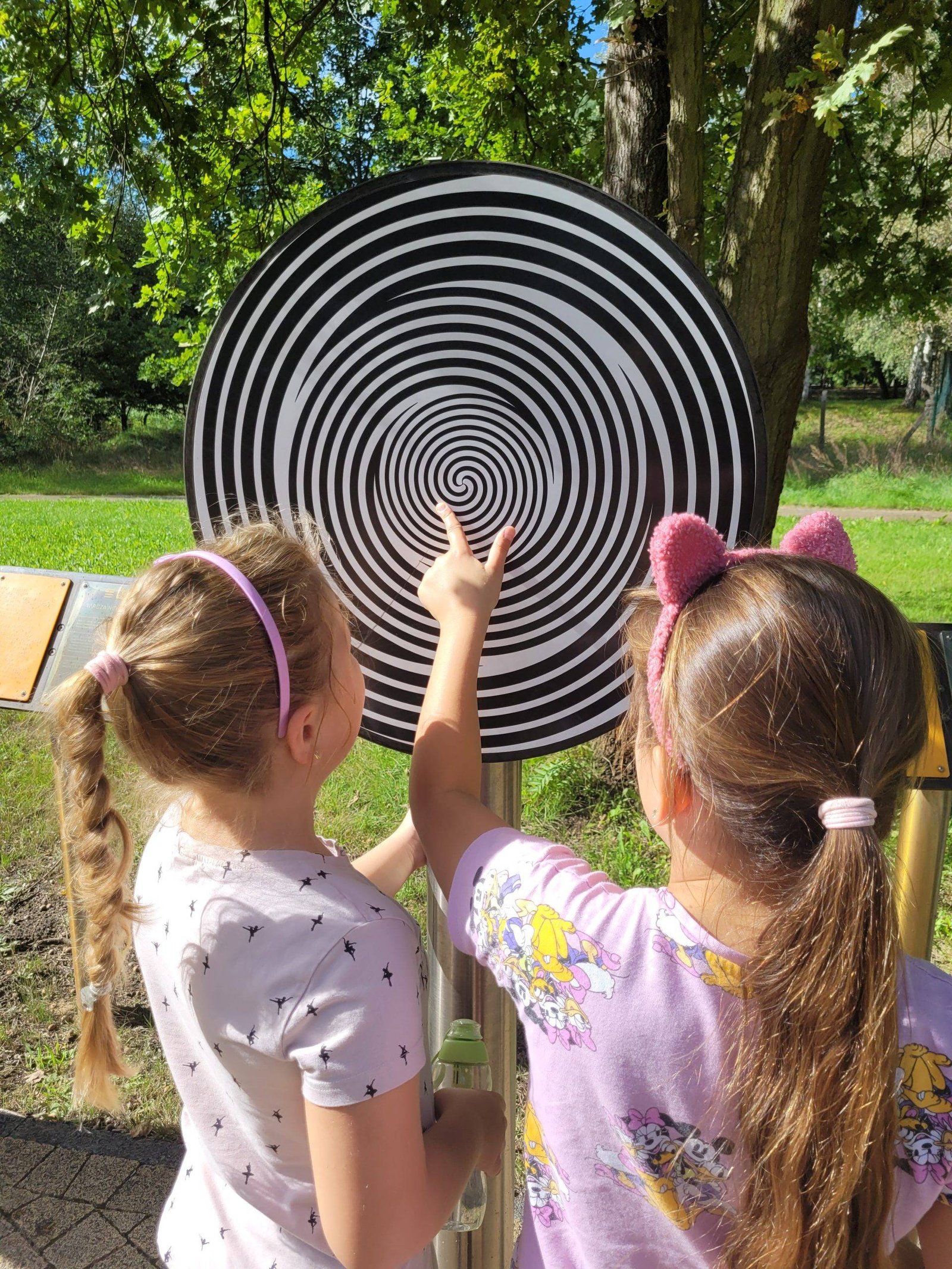
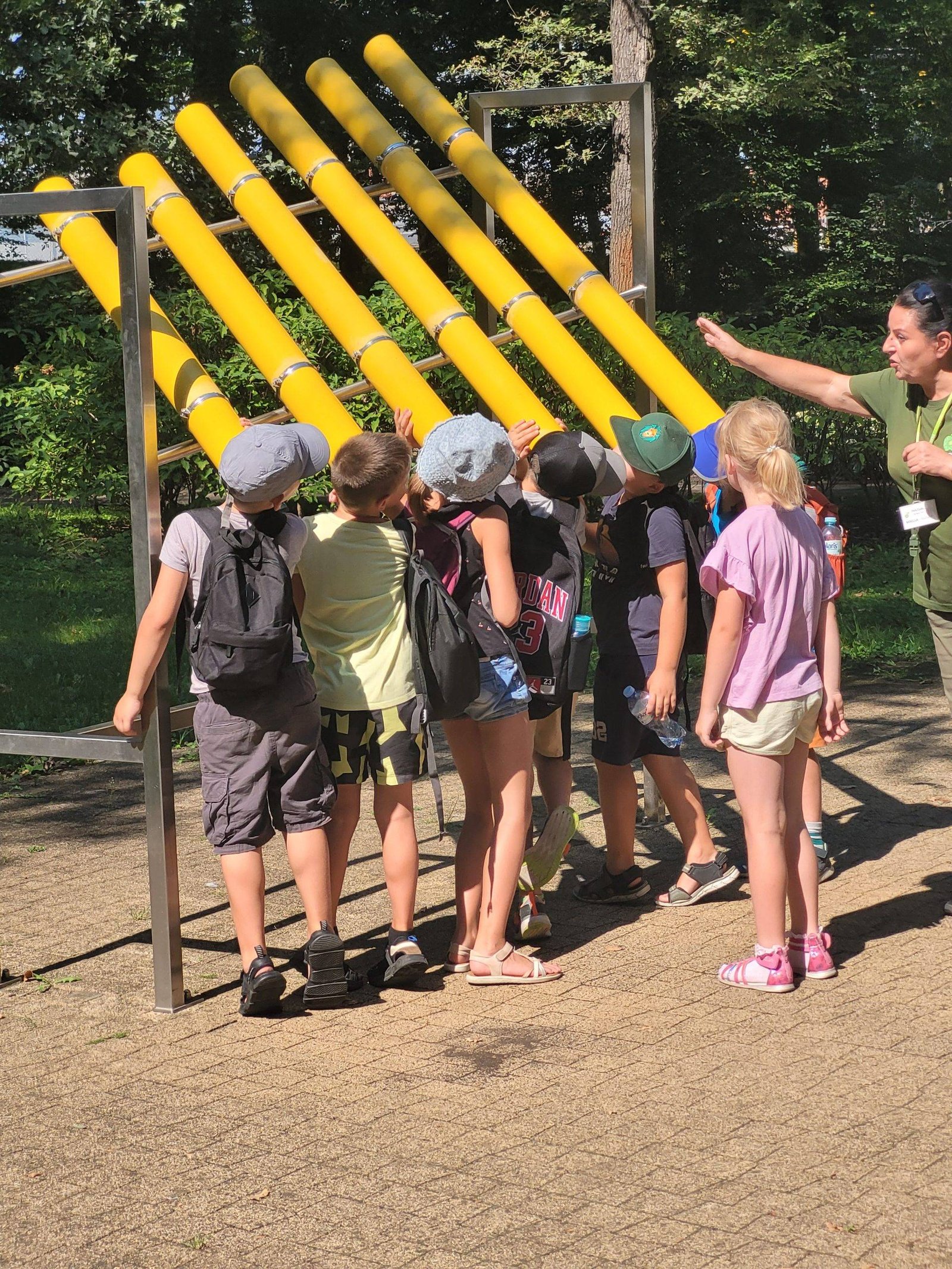
Physics park is an outdoor educational space. Here, physics becomes understandable through movement and play. The park covers 4 hectares and includes nearly 50 interactive installations.
These installations are divided into six themes. They include mechanics, acoustics, haptics, hydrostatics, smell, and optics. Therefore, children learn naturally through exploration.
The park also offers additional activities. For example, LEGO robotics workshops are available on weekends. Visitors can learn programming basics and build robots.
Younger children can join fun activities with animators. One example is the “Crazy professor” program.
The park operates seasonally from April to October.
↩︎ Back to list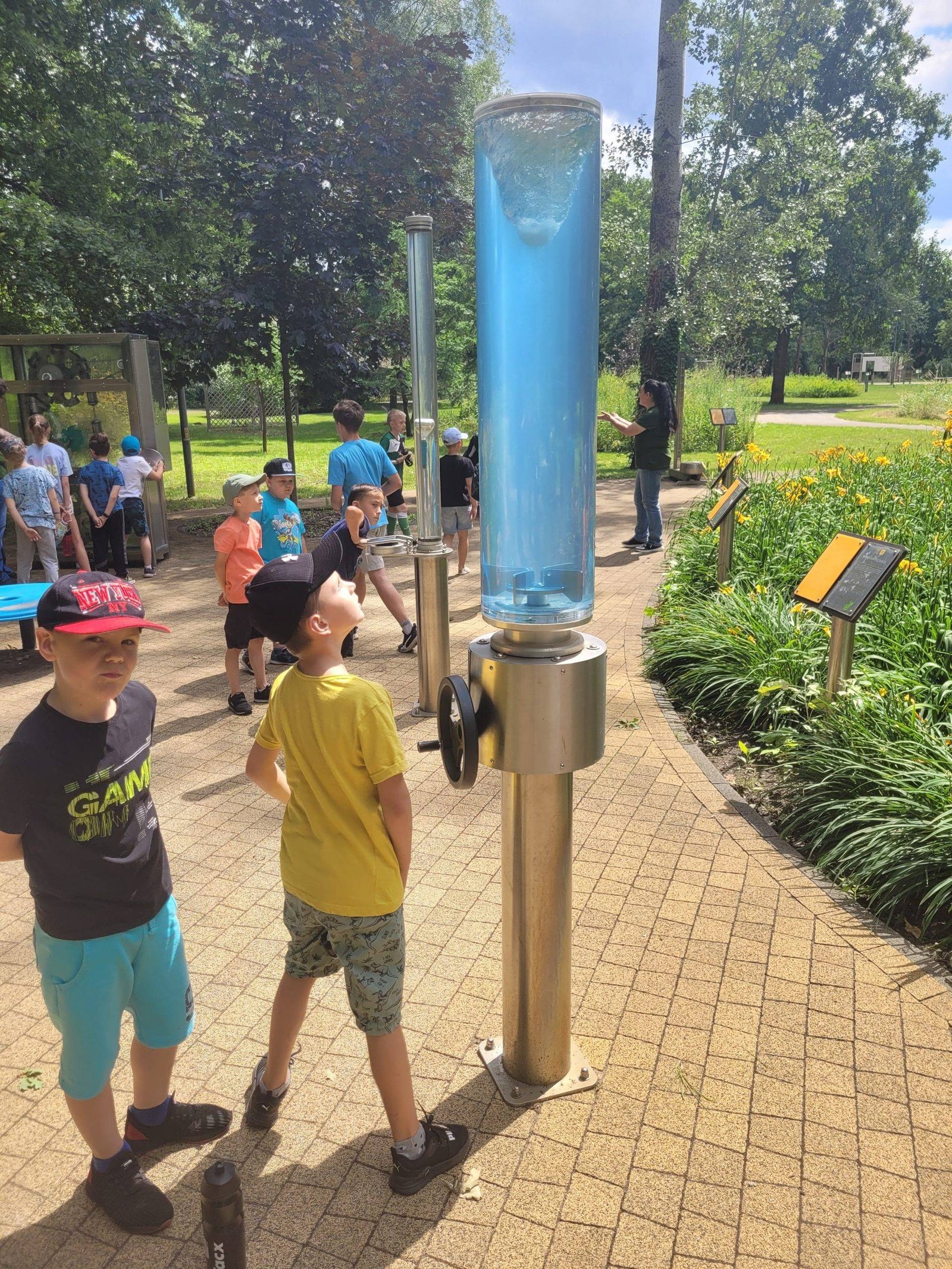
Imagination science center
The Imagination science center is located in Poznań. It is part of the Poznań science and technology park. The center focuses on learning through imagination and experience.
Visitors of all ages can take part in activities. These include experiments, science shows, and interactive exhibitions. They help explain physics, biology, chemistry, and technology.
The center encourages active participation. Visitors are invited to touch, try, and explore everything themselves.
↩︎ Back to list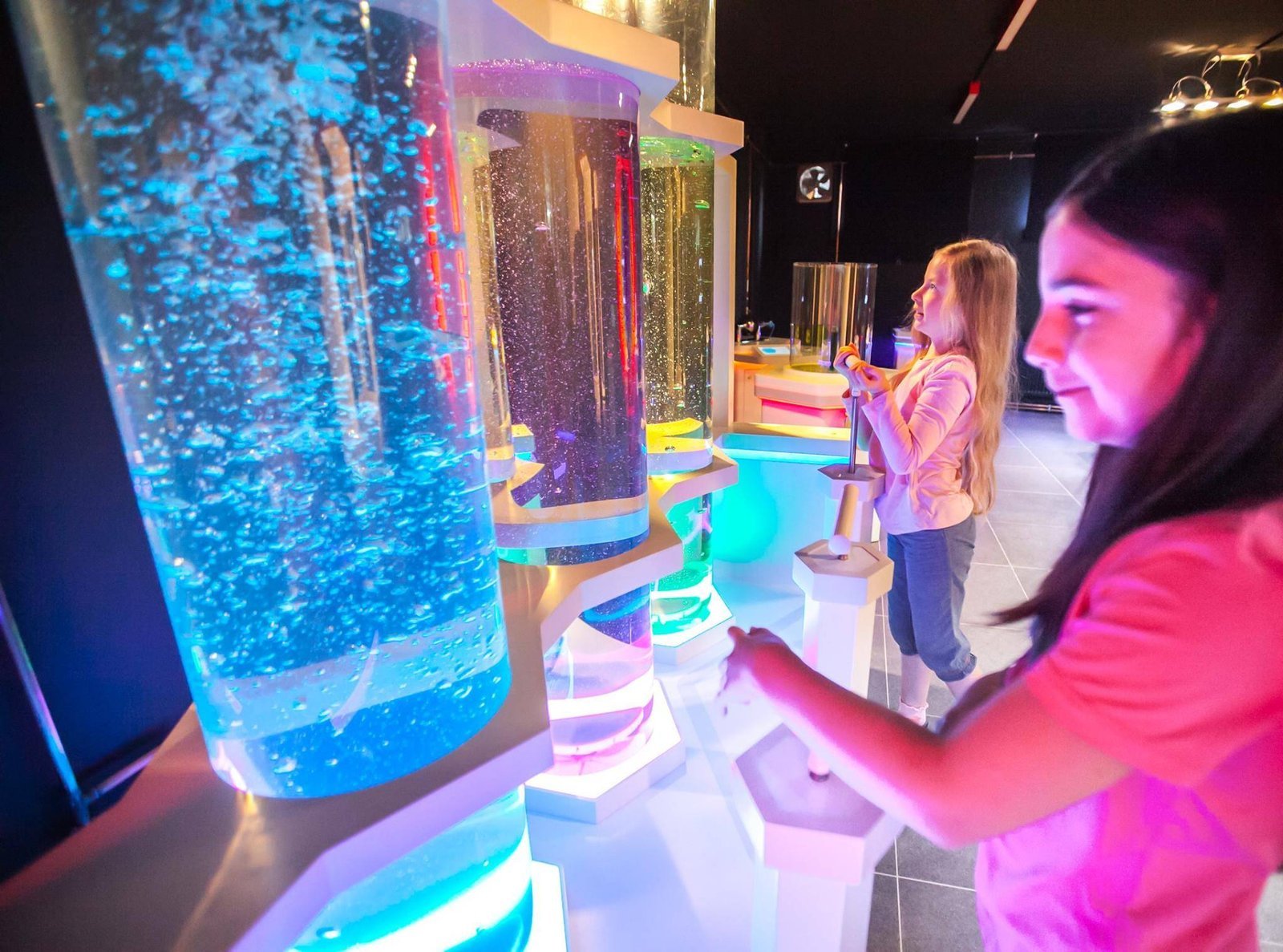
Old mine science and art center
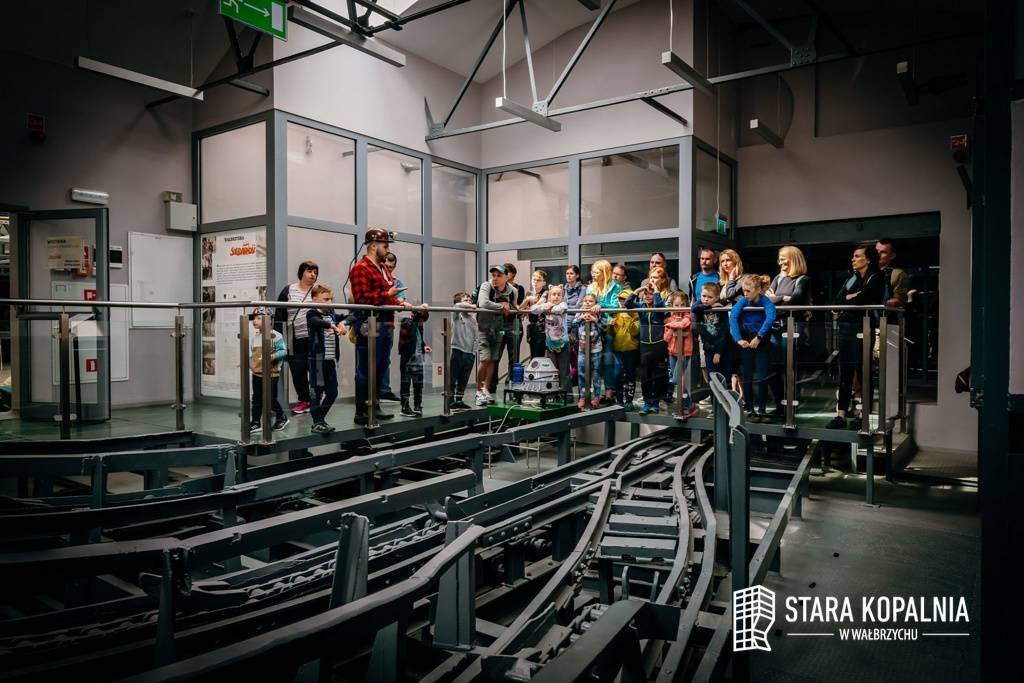
The Old mine science and art center in Wałbrzych is located in a former coal mine. Notably, it is one of the most impressive post-industrial tourism sites in Poland.
After reconstruction, the complex became a space that combines history, science, and art. Here, visitors explore authentic mining equipment and buildings.
In addition, former miners lead guided tours. They also share real stories about life and work underground. As a result, visitors gain a deeper understanding of mining.
In addition, the center offers educational activities and art exhibitions. Therefore, it attracts both history and culture lovers.
Museum of light
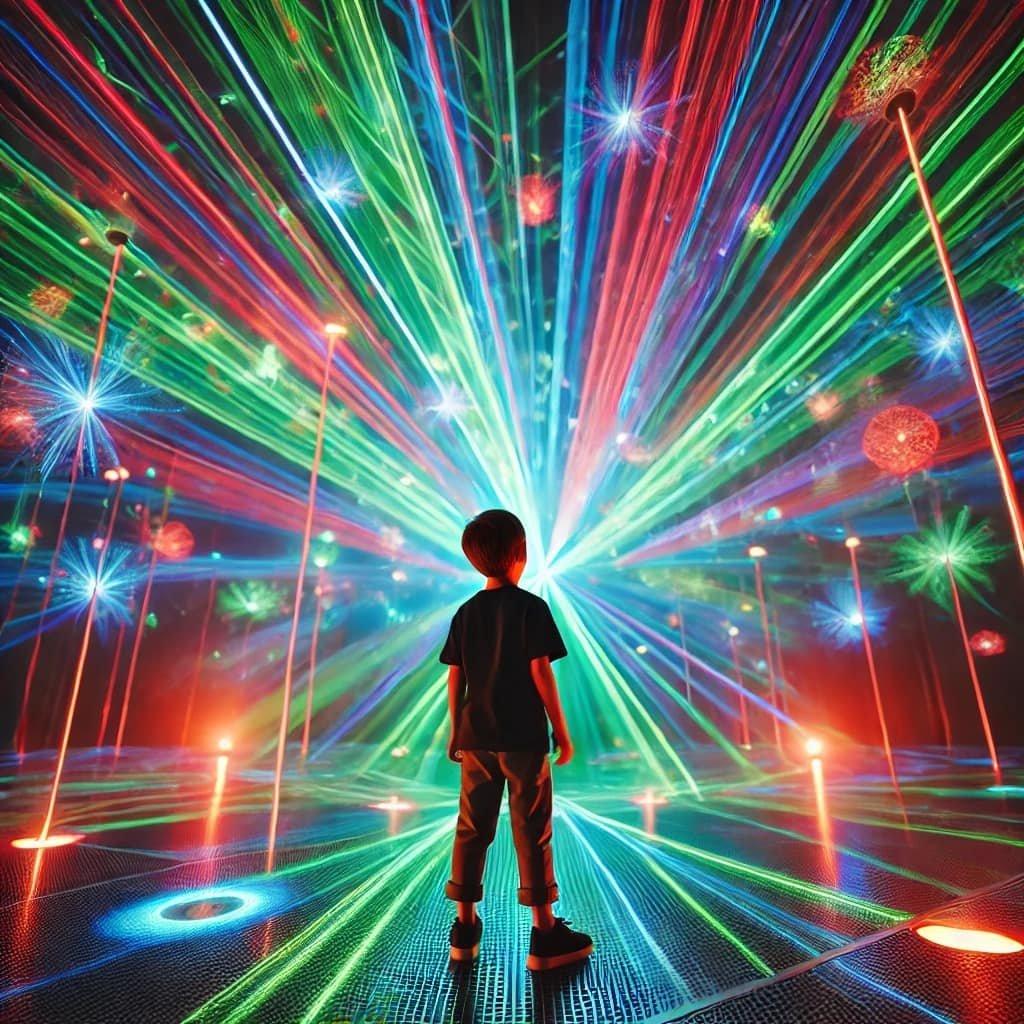
The Museum of light in Łódź is the first interactive museum of its kind in Poland. It is located on Piotrkowska street.
Visitors can experiment with light, lasers, and visual effects. They explore how light works through interactive installations.
In addition, the museum allows visitors to create unique visual images and photos. These experiences are enjoyable for both children and adults.
Interactive energy museum (PGE Giganty Mocy)
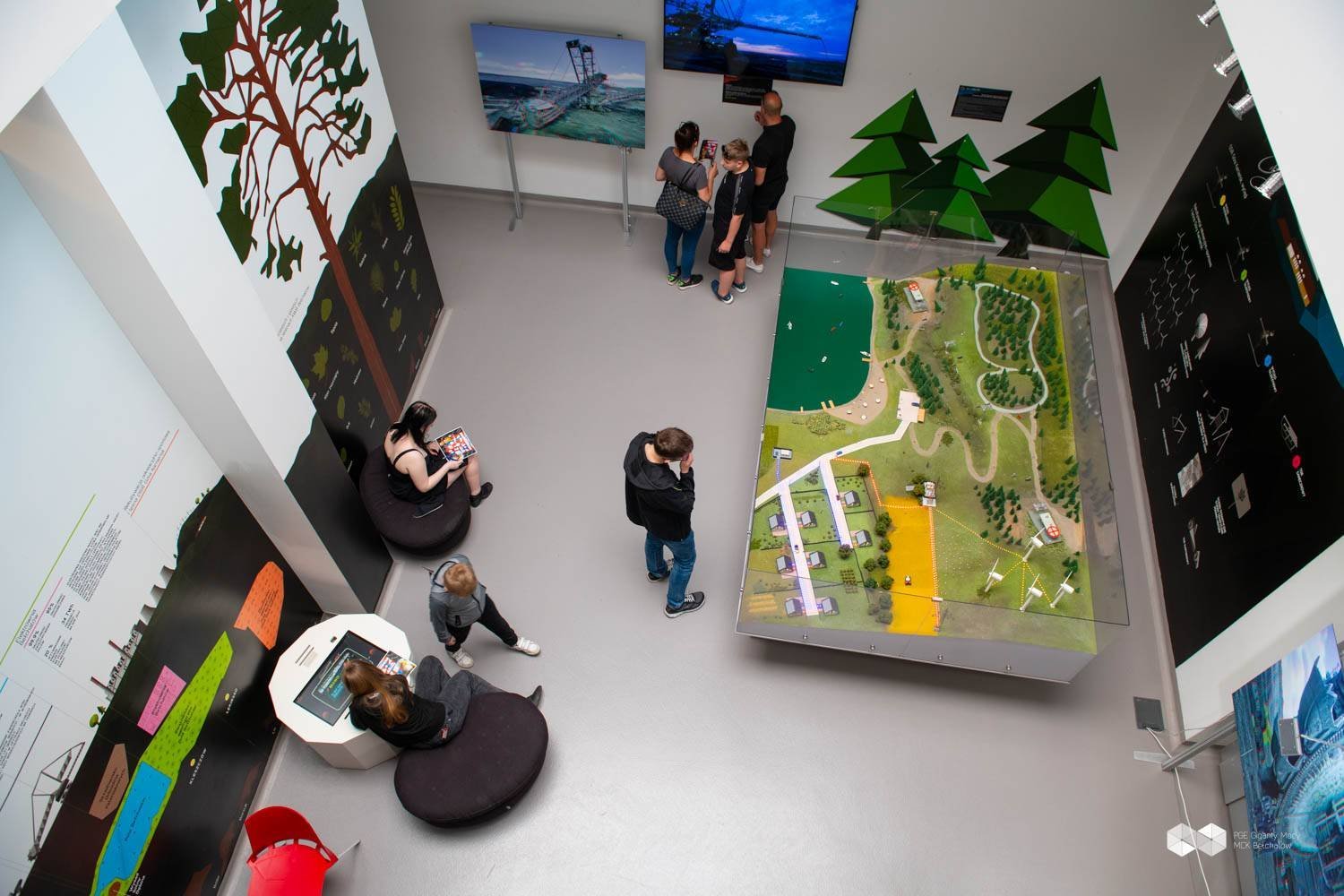
PGE Giganty Mocy is a modern thematic museum in Bełchatów. It focuses on energy, from coal extraction to electricity production.
The exhibition explains how coal is mined and processed. It also shows geological processes and environmental impact. Visitors explore interactive stands, play educational games, and use multimedia tools.
There is a special learning path for children. Even younger visitors from about 4 years old can understand the concepts through play.
The museum is not only for children. Adults will also discover many interesting facts and technologies. In addition, families can use the Woltus club. It includes a play area, baby care facilities, and other useful amenities.
Science and human evolution park
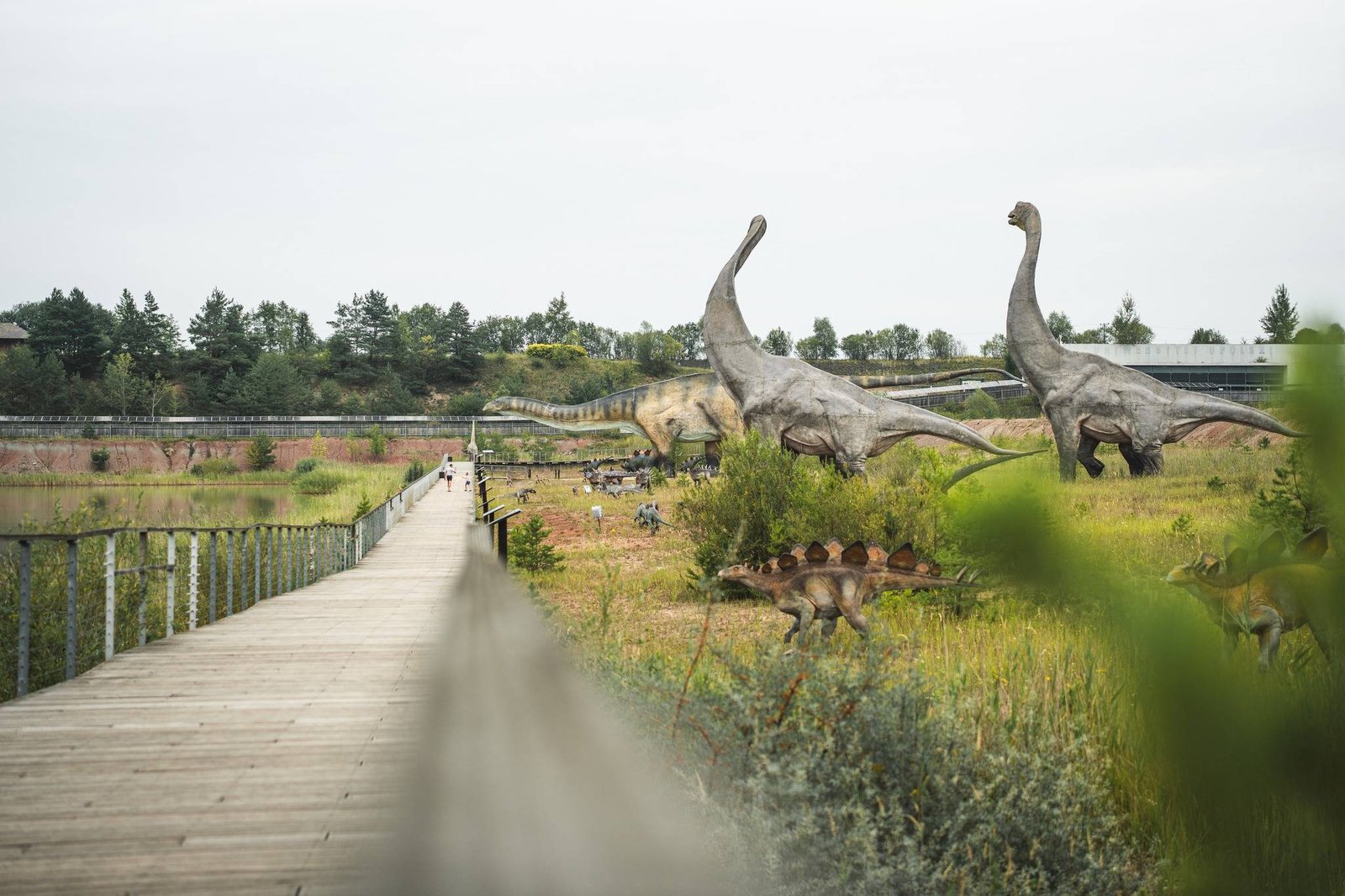
The Science and human evolution park in Krasiejów is located near JuraPark. Here, visitors can experience a journey through human evolution.
First of all, visitors explore the development of humans from early ancestors to modern times. At the same time, the center creates a futuristic atmosphere.
Then, visitors travel through time in a “spacecraft.” During this experience, the journey goes back 66 million years. In addition, multimedia tools and projections make the experience more engaging.
One of the highlights is the exhibition “Windows of prehistory”. It presents key stages of human development. Visitors also learn about important archaeological discoveries, including the mummy Ötzi.
↩︎ Back to list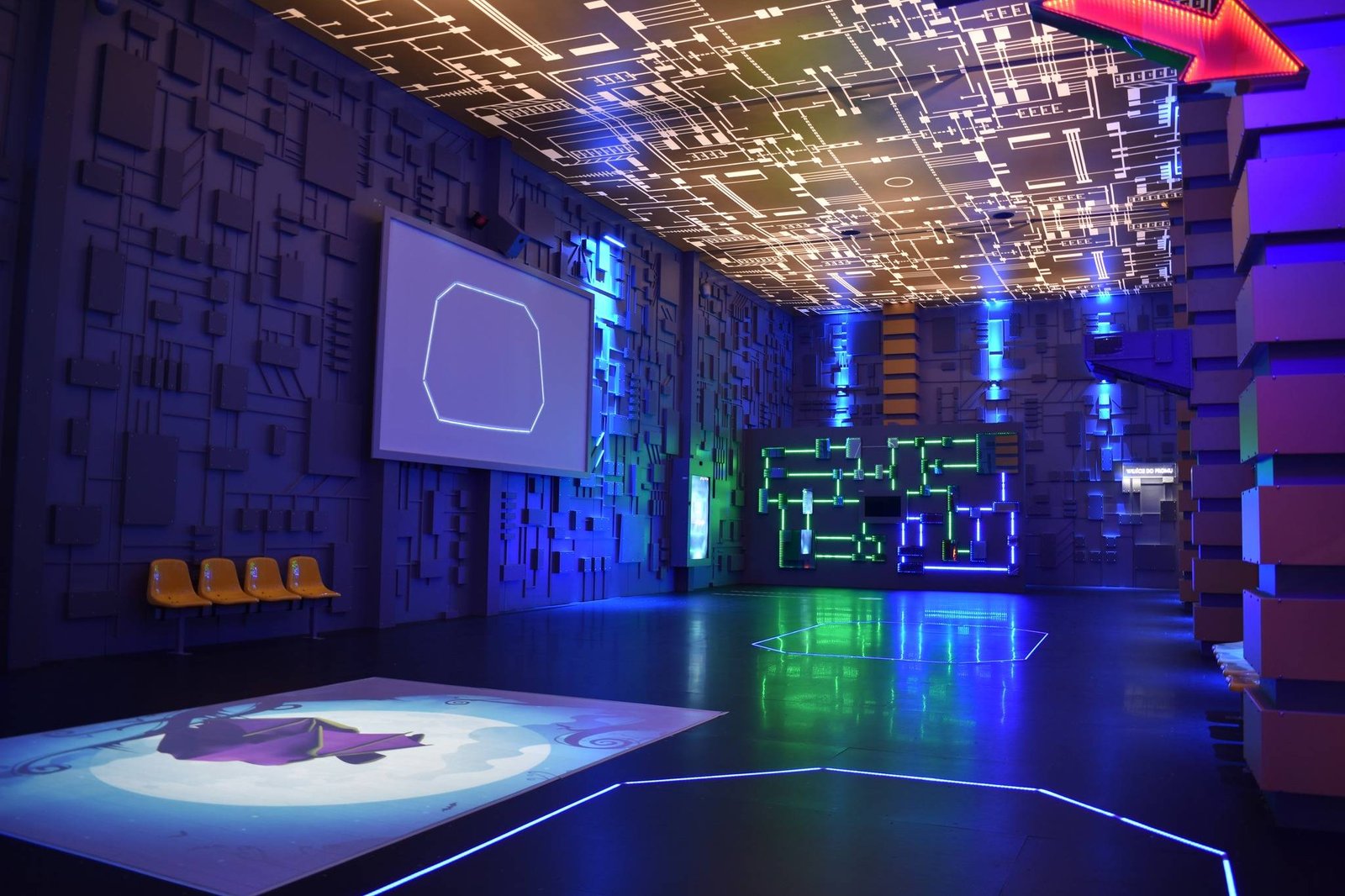
Science center “Mill of Knowledge Modernity Centre”
The Mill of knowledge science center is located in Toruń. It is set in a historic 19th century mill building.
The center includes six floors and covers 5000 m². It offers both permanent and temporary exhibitions. These focus on science, technology, the human body, and the environment.
One of the main highlights is a 33-meter Foucault pendulum. It demonstrates the rotation of the Earth. Other exhibitions explore movement and rivers, including the Vistula.
In addition, the center organizes workshops, laboratory activities, and events for all ages.
↩︎ Back to list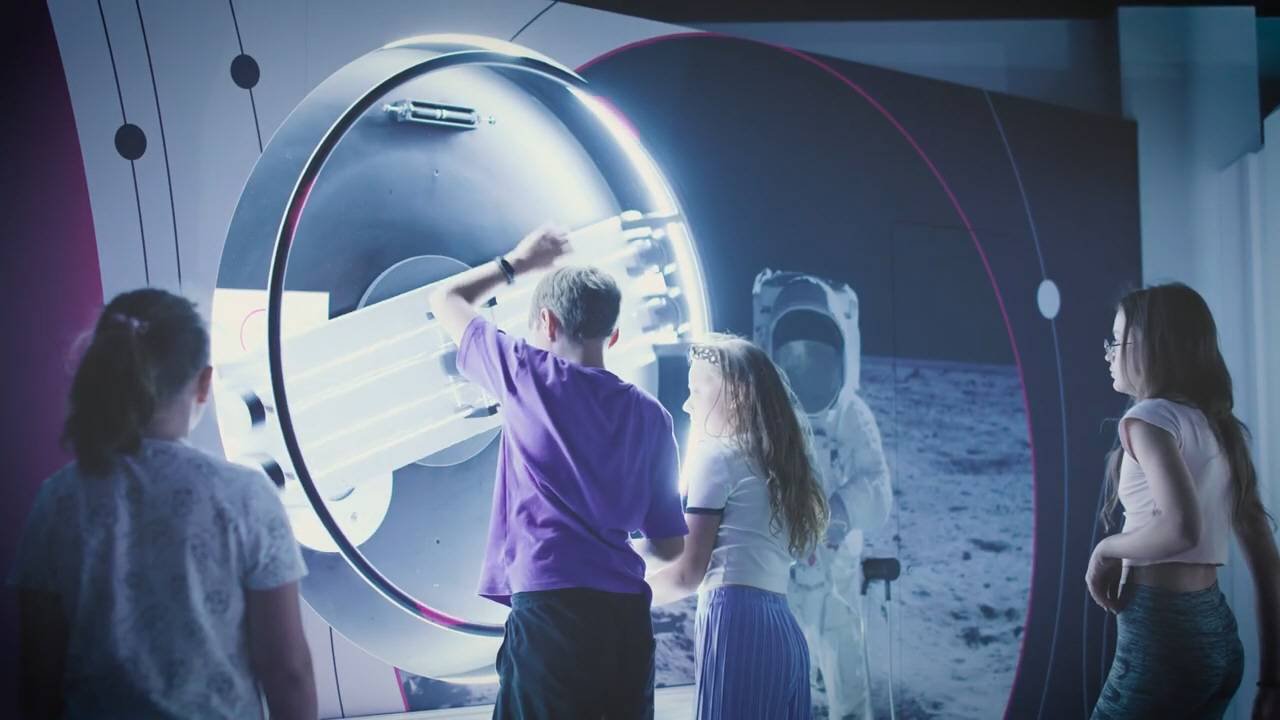
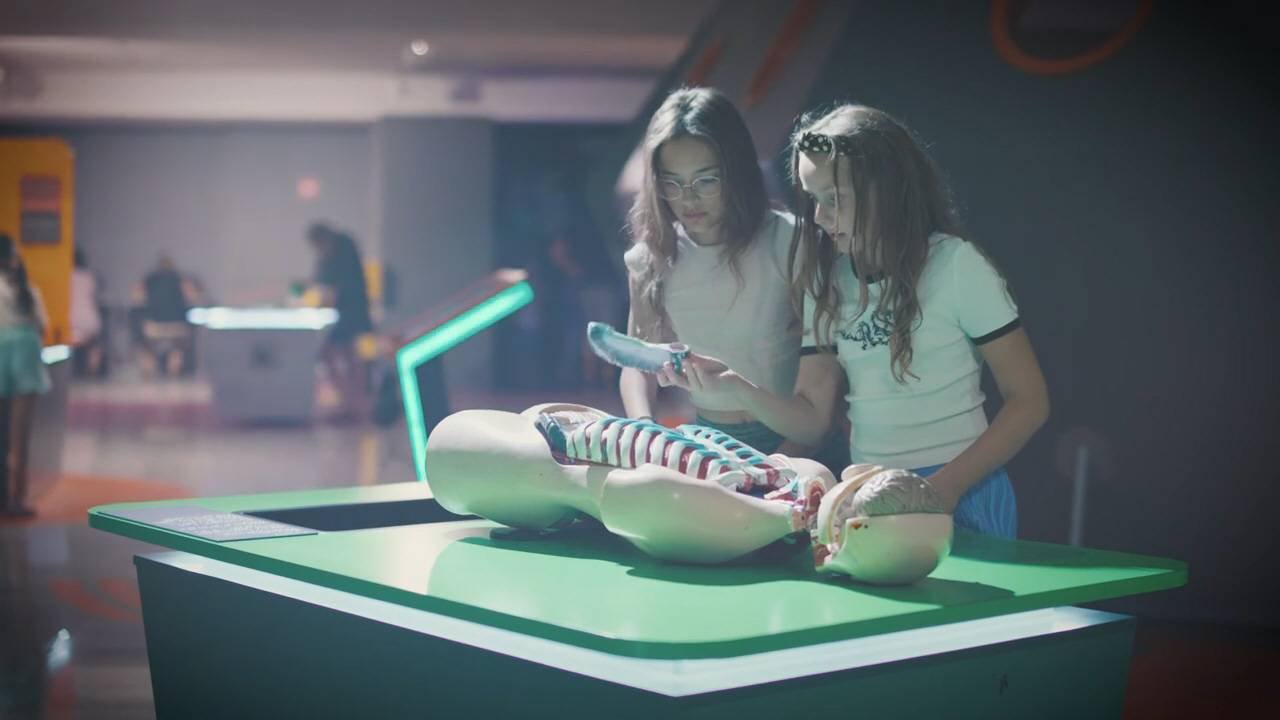
Experyment science center
The Experyment science center in Gdynia invites visitors to explore science through experience and play. Visitors can learn about physics, biology, and health.
Thematic zones focus on the human body, nature, forces, and movement. Visitors can take part in experiments, including water experiments and optical illusions.
One of the most impressive exhibits is a suspended Mini Cooper. Visitors can try to lift it themselves.
The center also offers educational activities and temporary exhibitions. As a result, science becomes engaging and easy to understand for everyone.