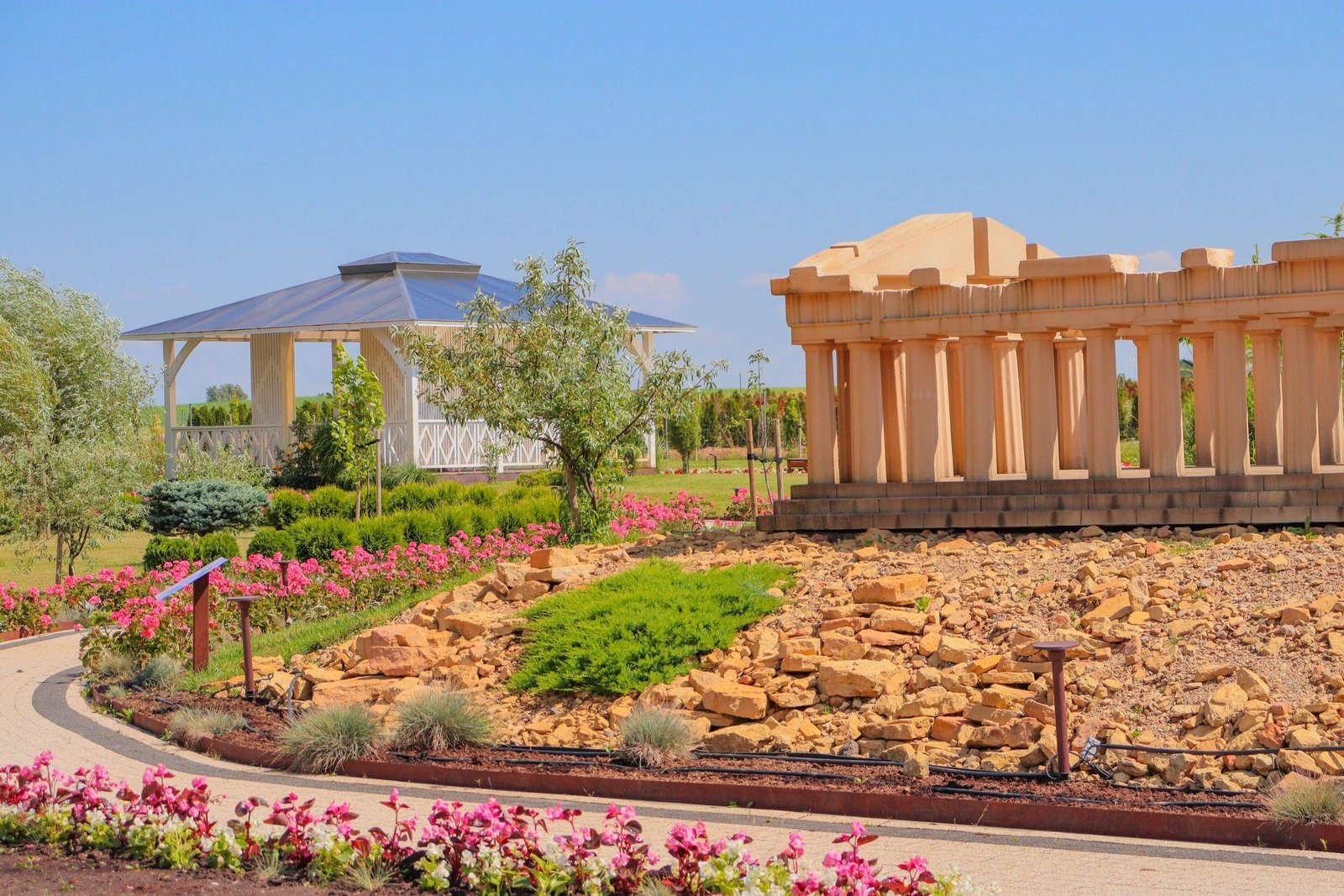
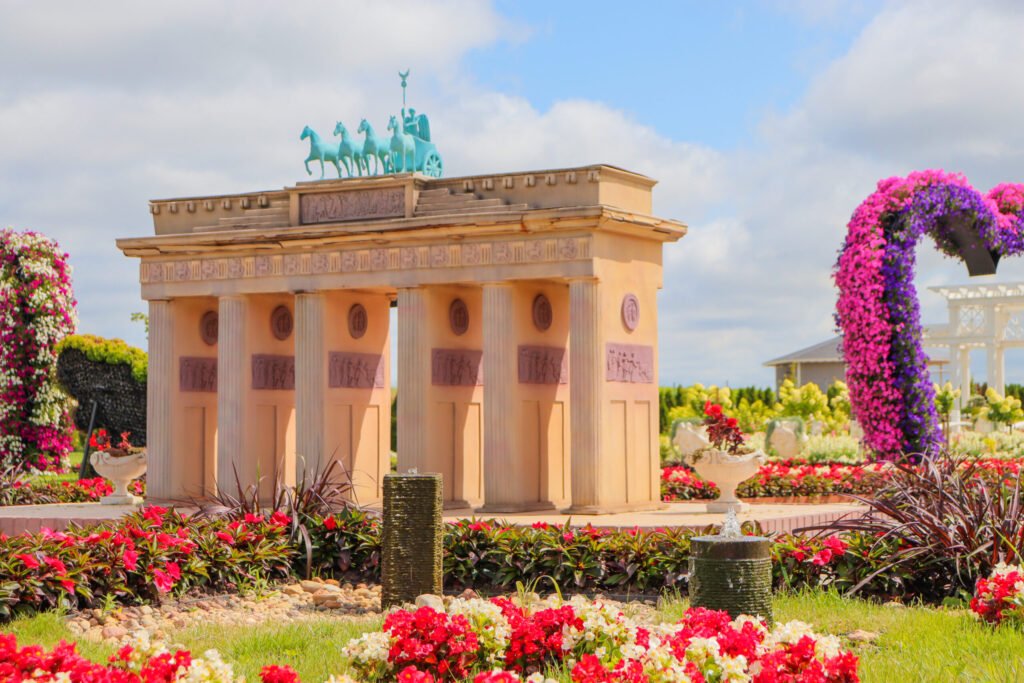
Between carefully shaped flower carpets, miniatures of the world’s most famous architectural symbols, and flowing fountains, a different world hides here. It is inspired by curiosity and the freedom to create. The Babylon Gardens offer not only beauty, but also learning.
If you are looking for an educational activity for students where children explore world cultures, historical structures, and plants, and also enjoy learning through creativity, teamwork, and discovery, this is the place. Here you travel around the world without leaving Lithuania. And from ancient structures to herbs, the educational programs for children in the Babylon Gardens open the door to knowledge and an inspiring time in nature.
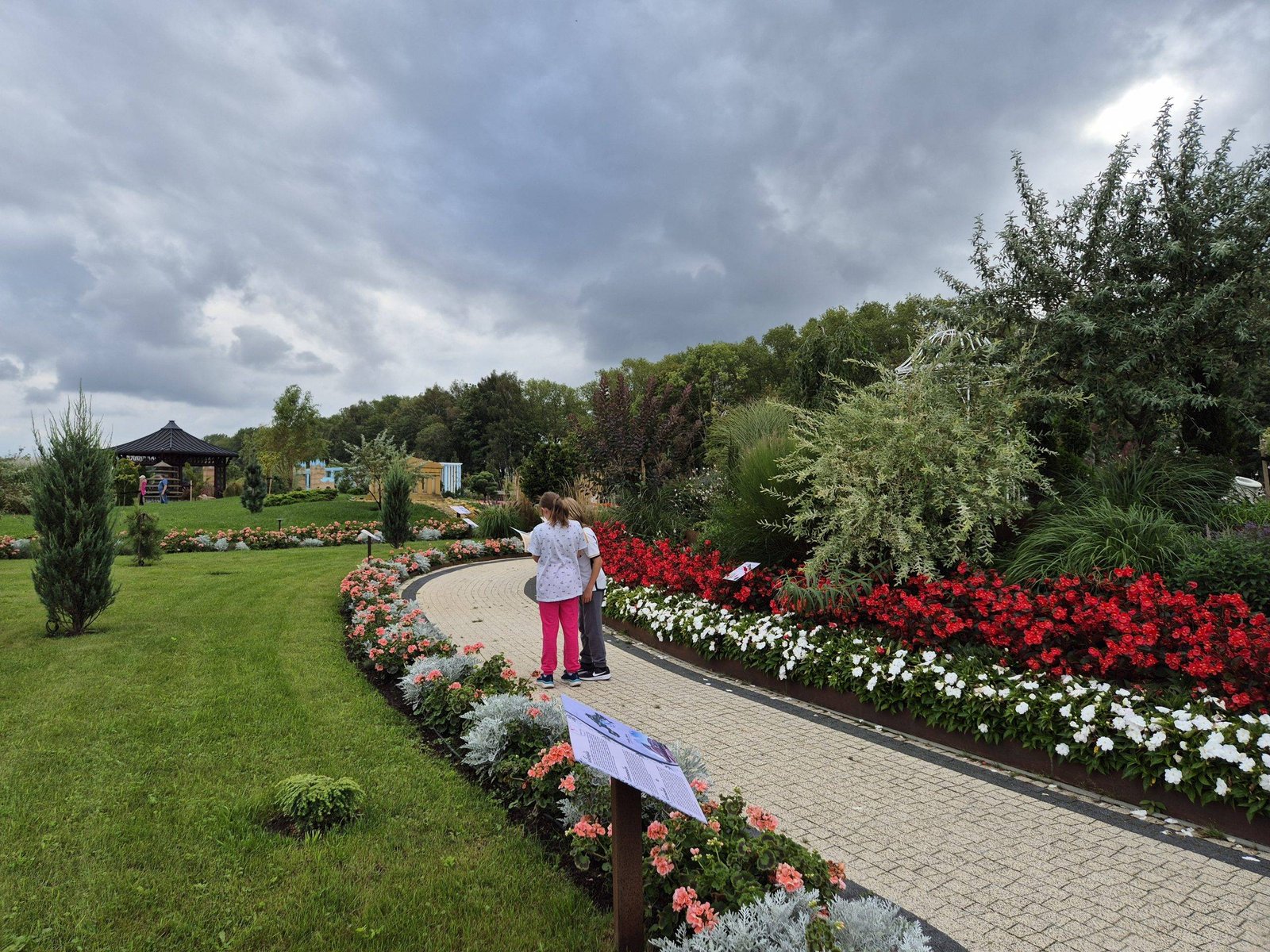
From ancient structures to herbs – educational programs for children in the Babylon Gardens
21 wonders of the world
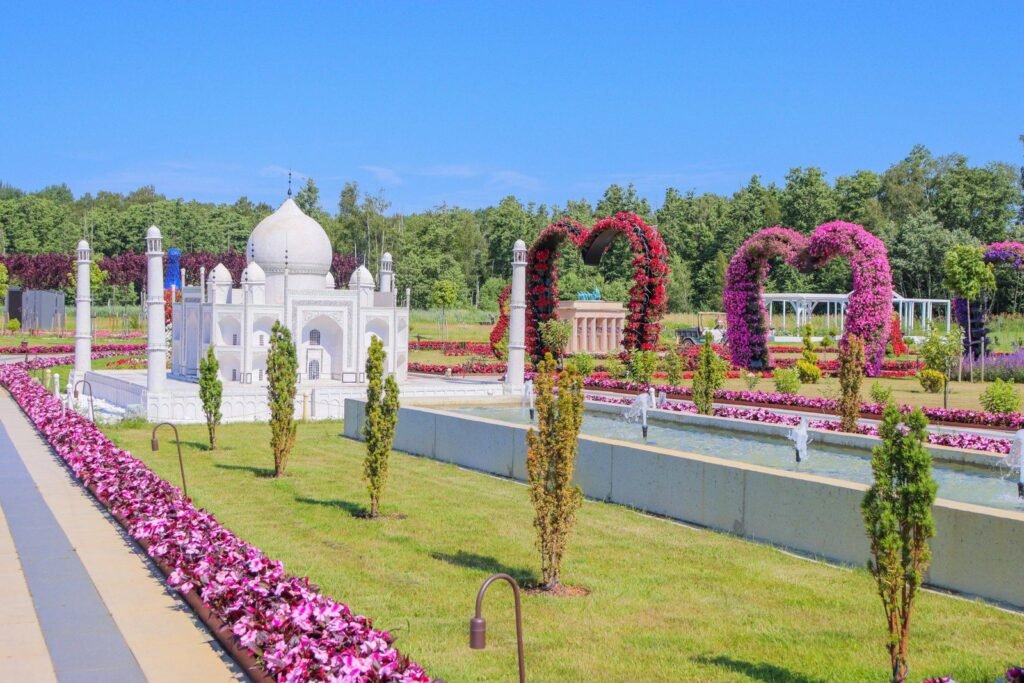
What do the Great Wall of China, the Colosseum, and the Sydney Opera House have in common? They are all architectural wonders of the world. Students will see them in one place – in the miniature park “Babylon Gardens”. Here they will enjoy a visual journey across continents. Also, they will learn about the cultural, historical, and artistic heritage behind these structures.
During the activity, children hear interesting facts about each structure, its history, architectural features, and cultural meaning. They also learn which objects are on UNESCO or world wonder lists. In addition, they learn to recognize architectural styles and explore religious, mythological, and performing arts symbols.
The second part offers active exploration. Students solve tasks, recognize structures from photos, and match them with real miniatures on the map.
This activity is for students in grades 6–9. Duration: 1 hour. Group size: 10–45 students.
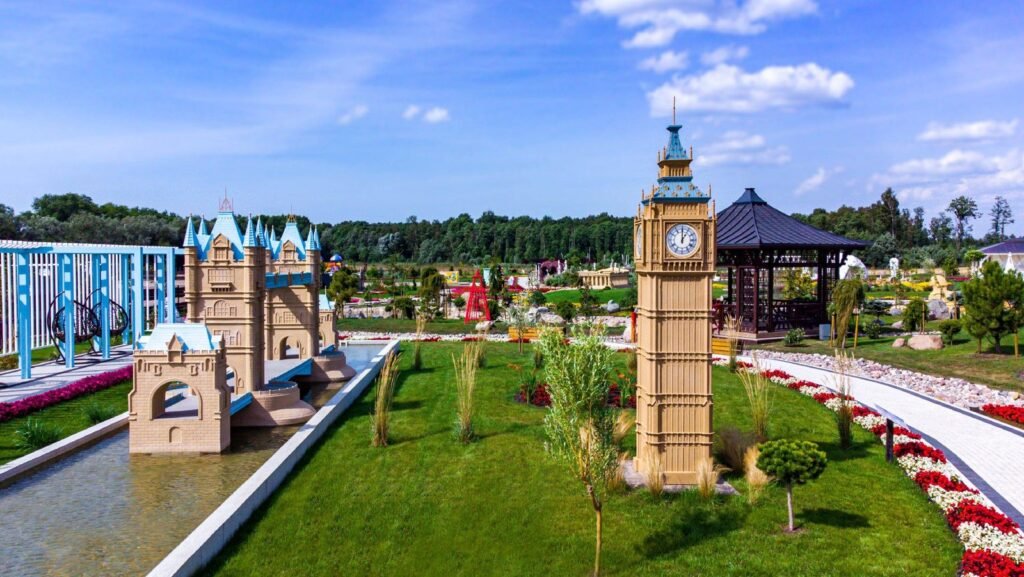
Around the world in 90 minutes
This educational program is a journey around the world through ethnography, history, geography, and biology. Students explore different cultures and learn to understand how lifestyles differ across continents. Also, they learn to discover the world creatively.
At the beginning, children get to know the “Babylon Gardens” miniature park. Then, they hear interesting facts about world wonders, travelers, and their routes. Afterwards, a quiz helps spark curiosity and makes it easier to dive into the topic.
In the practical part, students solve puzzles, create their own travel routes, and join debates about cultural, geographical, and historical objects. Moreover, teamwork, discussion, and creative tasks help develop cooperation and thinking skills. Additionally, these activities encourage students to stay engaged and think independently.
This activity is for students in grades 8–12. Duration: 90 minutes. Group size: 10–45 students.
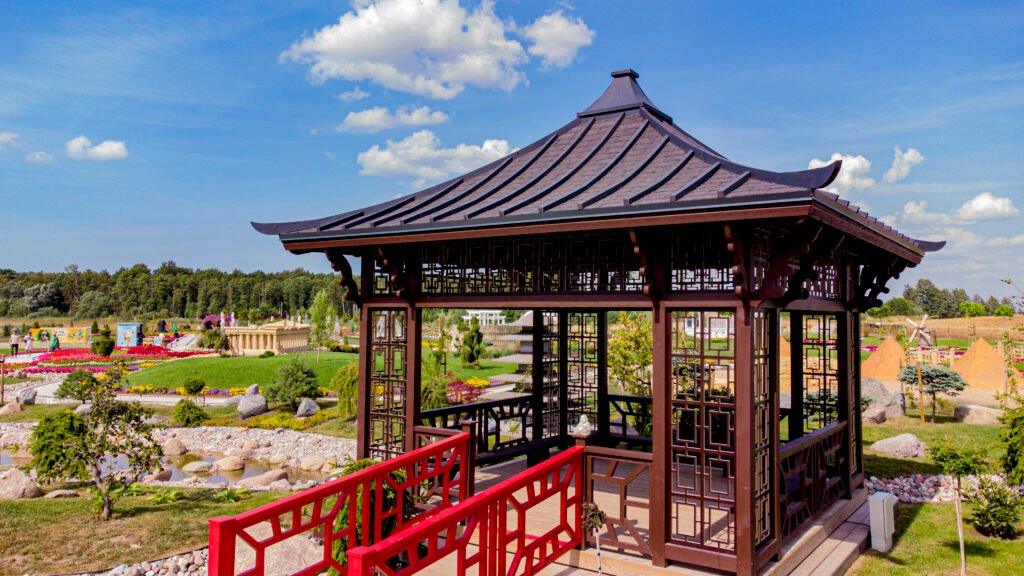
Exploring the world in the Babylon Gardens
Is it possible to explore world-famous structures and plant secrets at the same time? In this activity, it becomes real. Students examine architectural miniatures and also explore the world of botany. They smell, compare, and learn about plant origins and their everyday uses.
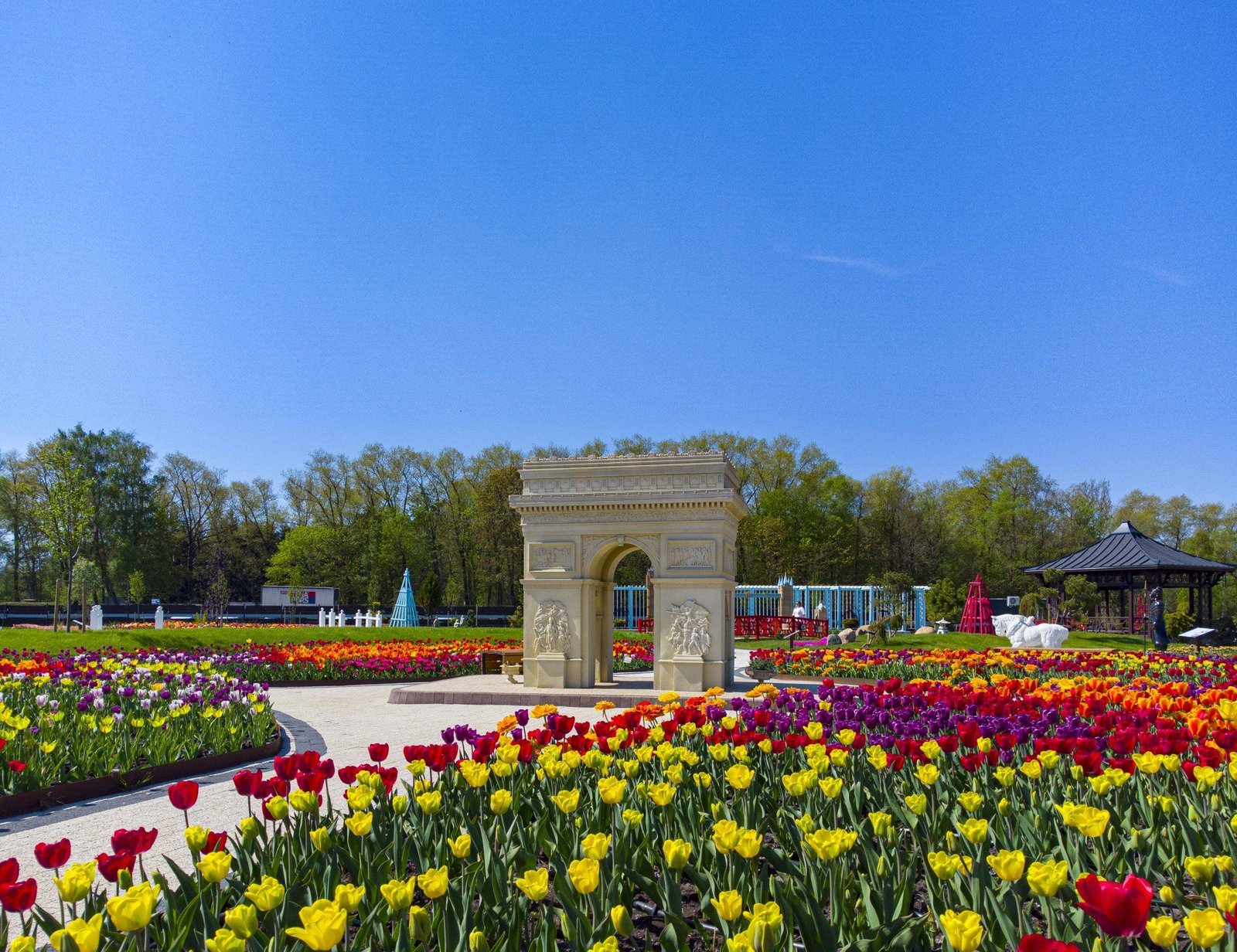
In one part, students get to know famous structures – from the Sydney Opera House to the Arc de Triomphe, from London Bridge to the Hanging Gardens of Babylon. Then, they learn which countries these objects belong to, why they matter to history and culture, and how they represent different architectural styles. Additionally, they connect these structures to broader cultural contexts and understand their significance more clearly.
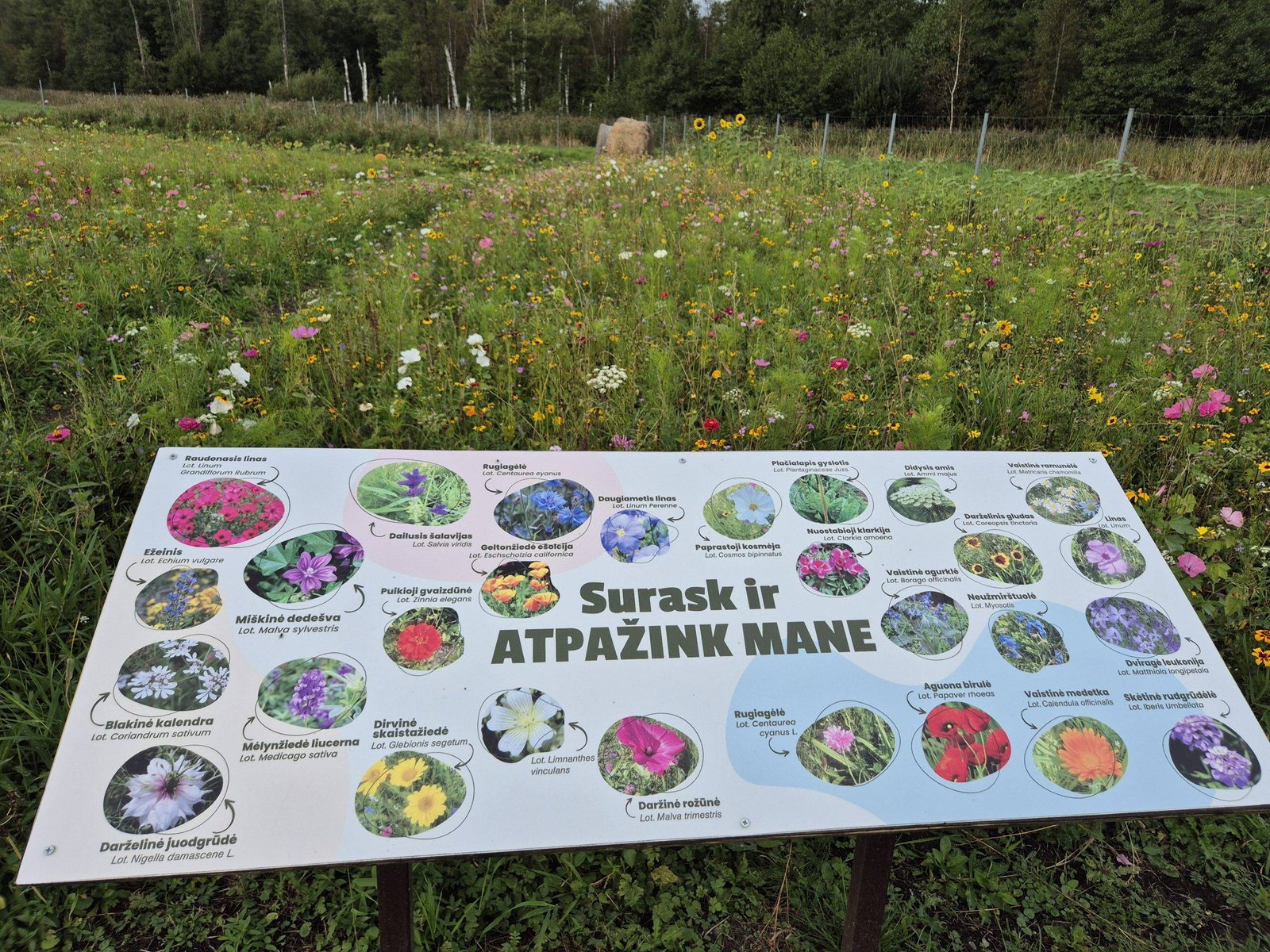
In the other part, students explore carefully maintained Babylon Gardens plants. They observe herbs, vegetable corners, topiaries, and decorative trees. Also, they discover plant origins and how these plants can be used.
During the tasks, students solve puzzles, join discussions, and share facts they find. In this way, they strengthen their knowledge and also develop critical thinking, creativity, and confidence.
This activity is for students in grades 6–12. Duration: 1 hour. Group size: 10–45 students.
Create your own Babylon Gardens picture
Students take a journey through world cultures and architecture. Later, they transfer their new knowledge into a creative task. One group explores miniature replicas of historical objects – from the Sydney Opera House to the Hanging Gardens of Babylon, from the Trevi Fountain to the Pyramid of Cheops. Meanwhile, the other group explores herbs, flowers, topiaries, and decorative plants in the gardens. Then, they learn about plant origins and everyday uses. Additionally, these observations help them understand how plants connect to different cultures and daily life.
In the second part, everyone creates a unique artwork using seeds, herbs, grains, and other natural materials. These works represent their chosen architectural objects. This creative task helps children strengthen their knowledge and also develop artistic thinking, precision, and imagination.
At the end, children share their impressions, present their artwork, and discuss the key facts about the objects and plants they explored.
This activity is for students in grades 7–10. Duration: 90 minutes. Group size: 10–45 students.
Apothecary treasures of the Babylon Gardens
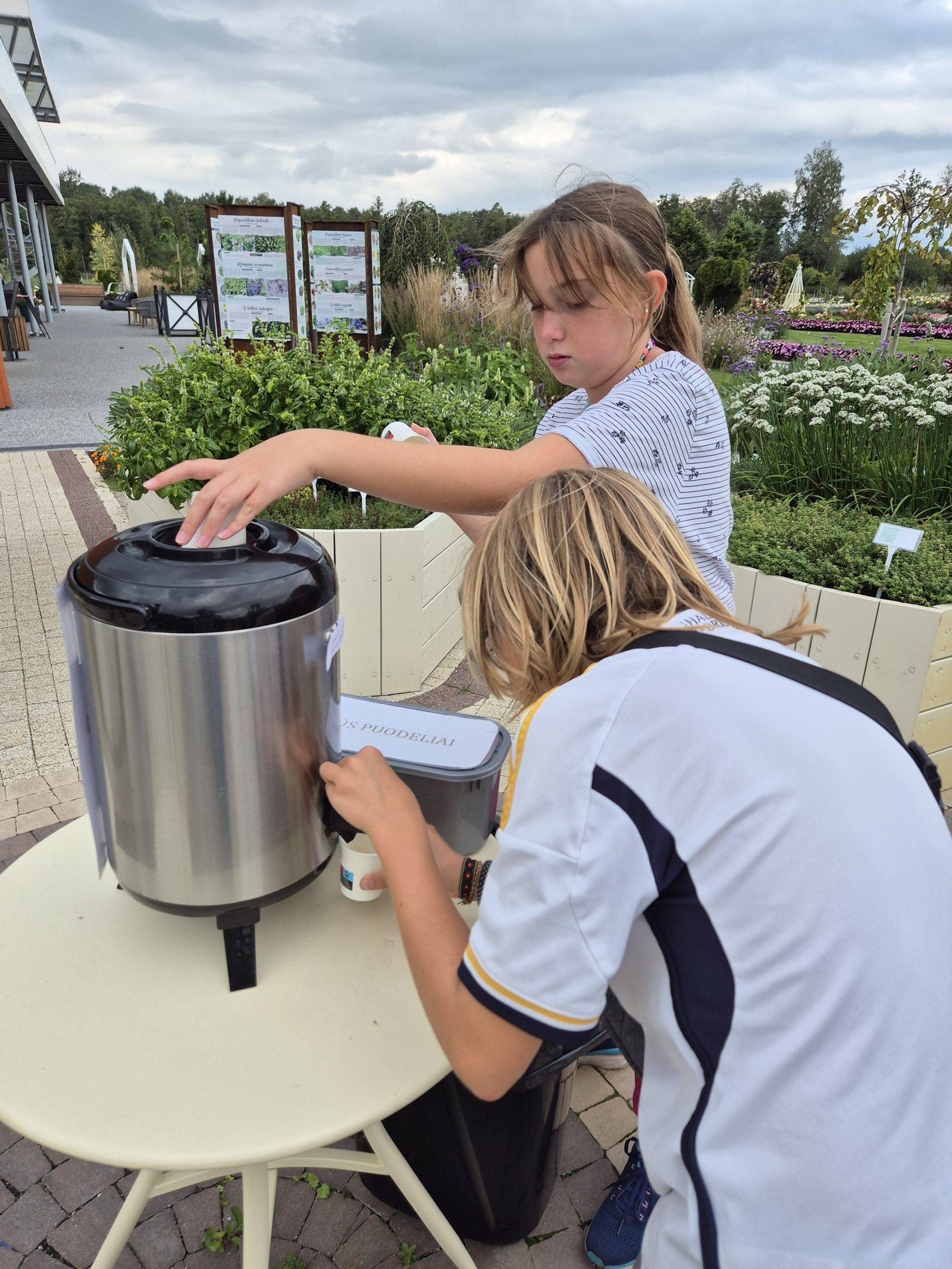
Have you ever tasted tea that smells not only like herbs, but also like distant countries, their traditions, and stories? This educational program is a journey through world tea cultures. It encourages children to taste, smell, explore, and learn.
Surrounded by miniatures of the world’s famous architectural structures, students hear how Chinese, Japanese, Indian, Egyptian, and even Dutch teas differ. They learn which rituals accompany these teas and what matters most in each culture. Meanwhile, they also explore Lithuanian herbs – thyme, mint, and calendula flowers growing in the Babylon Gardens.
In the second part, children become little herbalists. They collect herbs, create their own tea blends, and give them names. Through scents, flavors, and creativity, they learn about plants and also about themselves.
This activity is for students in grades 6–9. Duration: 60 minutes. Group size: 10–45 students.
In the footsteps of archaeologists
This activity invites students to become young archaeologists. Here, they explore, discover, and learn about the oldest traces of humanity – from ancient hillforts to legendary civilizations.
Children get to know famous archaeological sites in Europe and around the world. Also, they learn why these places matter, which findings appear there, and how archaeological research works. Through this, storytelling and replica artifacts help students feel how different archaeological objects can be in form, material, and appearance.
In the practical part, everyone tries the work of an archaeologist. Then, they dig through “layers of soil” and discover traces of ancient warriors, jewelry, or household items. Afterwards, they better understand how archaeological work reveals history step by step. The bravest also try to spark a fire with flint, just like people once did.
During the activity, children also hear why archaeological heritage matters, how to protect it, and why it must not be damaged – even if they want to “find something”. They learn who “black archaeologists” are and why their actions harm history.
This activity is for students in grades 3–5. Duration: 80 minutes. Group size: 10–45 students.