Last year, nature trails, observation towers, and viewpoints in protected areas attracted exceptionally high visitor numbers. As a result, Dutchman’s Hat cliff became the most visited natural site in Lithuania. Visitor counters installed at the most popular locations recorded several million visits. Although specialists are still collecting the exact figures, the overall picture is already clear. Nature tourism in Lithuania continues to thrive.
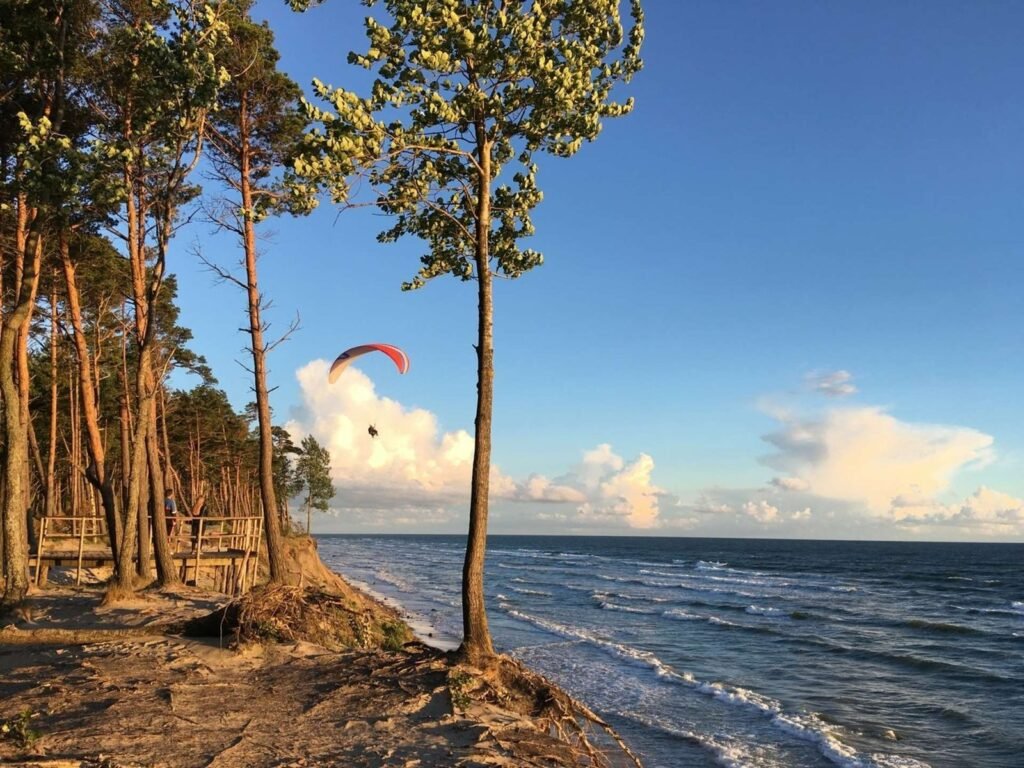
Dutchman’s Hat cliff ranked as the most visited site in Lithuania. This unique natural landmark in Seaside Regional Park welcomed a record 362 thousand visitors last year. Consequently, it became the absolute leader among all protected areas. Data from the State Service for Protected Areas reveals where Lithuanians and international visitors like to travel and which natural sites they value the most.
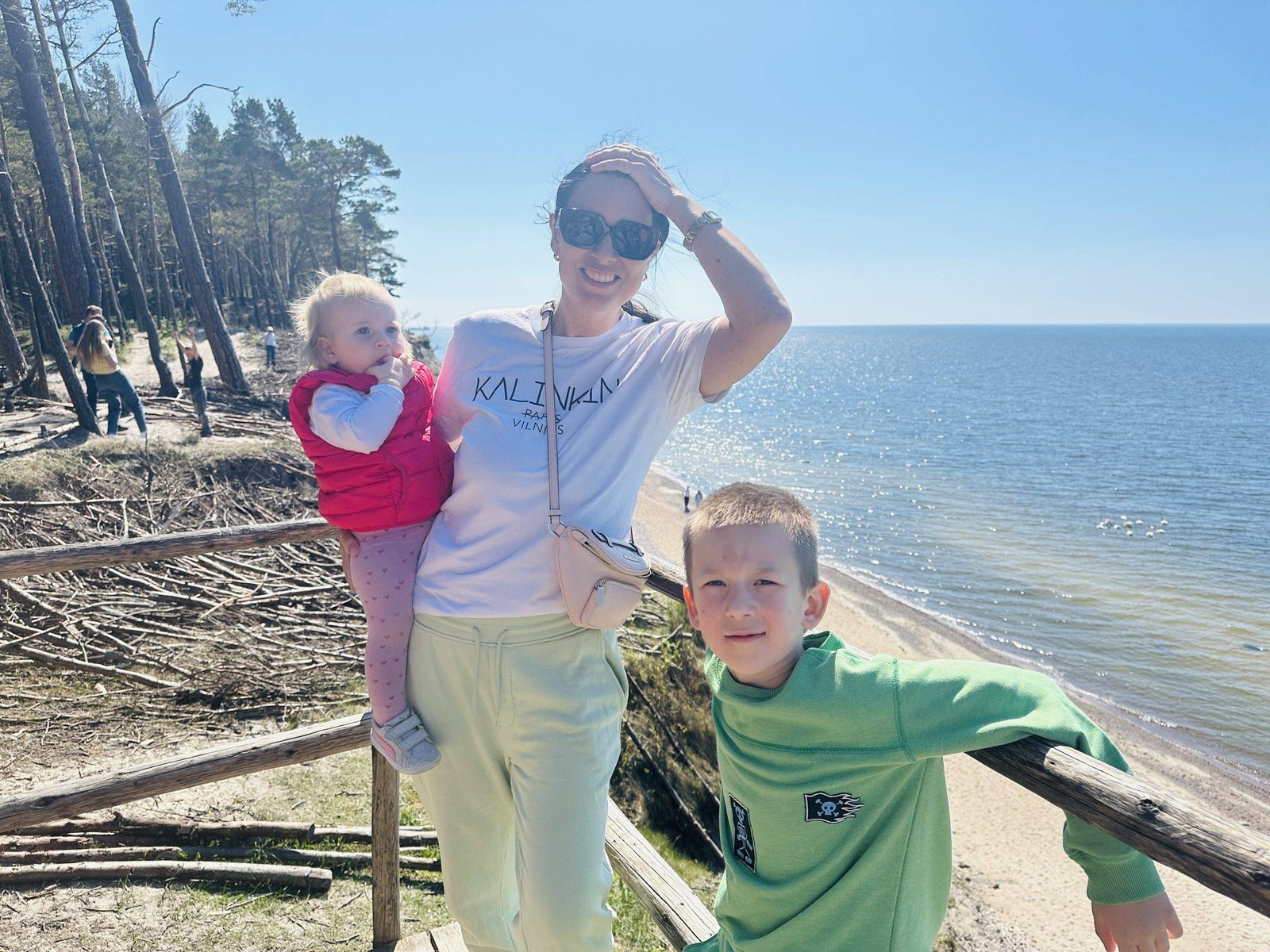
Dutchman’s Hat cliff the most visited in Lithuania: where else did visitors go?
Top 5 most visited sites in national and regional parks
- Dutchman’s Hat cliff in Seaside Regional Park (362,946 visitors);
- Parnidis Dune in Curonian Spit National Park (169,057 visitors);
- Balbieriškis Outcrop in Nemunas Loops Regional Park (146,560 visitors);
- Žuvintas Biosphere Reserve nature trail near the visitor center (122,557 visitors);
- Tree Canopy Walkway in Anykščiai Regional Park (109,280 visitors).
Dr. Agnė Jasinavičiūtė-Trakimienė, Director of the State Service for Protected Areas, expressed her satisfaction with these results. She noted that Lithuania’s protected areas offer many beautiful and valuable natural sites adapted for visitors. Therefore, people can explore the country’s natural and cultural heritage more closely. At the same time, visitors are encouraged to contribute to the preservation of protected areas by purchasing a voluntary visitor ticket and behaving responsibly in nature.
How do visitor counters work?
Visitor counters in protected areas not only help monitor visitor flows but also support infrastructure planning. In addition, they help specialists protect nature from excessive pressure. The system itself works quite simply. The counters record passing visitors and transmit the data to park administrations, which then analyze visitor trends.
Interestingly, some countries, including Canada and the United States, use real-time counters. In those cases, the data appears online, so visitors can choose less crowded routes.
Active travel across Lithuania’s national and regional parks
Protected areas of Aukštaitija
The Aukštaitija Protected Areas Directorate reported that Arlaviškiai Nature Trail in Kaunas Lagoon Regional Park attracted more than 80 thousand visitors last year. Moreover, visitors also showed strong interest in Žiegždriai Nature Trail. More than 47 thousand people explored its distinctive geological formations, particularly the conglomerates visible along the route.
Meanwhile, nearly 40 thousand visitors climbed the observation tower in Krekenava Regional Park. From there, they admired the remarkable landscape of the Nevėžis river oxbows.
Additionally, almost 55 thousand visitors explored the Mindūnai Observation Tower in Labanoras Regional Park. About 23 thousand visitors chose Ladakalnis Hill in Aukštaitija National Park.
Protected areas of Dzūkija
In Dzūkija’s protected areas, Balbieriškis Outcrop in Nemunas Loops Regional Park continued to break records. More than 146 thousand visitors explored this site. Its popularity may stem from its convenient location near a busy road.
Similarly, the Žuvintas Biosphere Reserve nature trail near the visitor center remained highly popular. It attracted more than 122 thousand visitors. Furthermore, both the Birštonas Observation Tower and Birštonas Hillfort welcomed around 70 thousand visitors each.
At the same time, approximately 40 thousand hikers walked the Dūkštos Nature Trail in Neris Regional Park. More than 30 thousand nature enthusiasts visited the Meteliai Regional Park visitor center.
The most visited site in Dzūkija National Park was the Merkinė Observation Tower. Visitors climbed this pine-crown-shaped structure to enjoy views of the Nemunas valley. More than 55 thousand tourists reached the top last year. In addition, around 34 thousand visitors explored Merkinė Hillfort.
Protected areas of Minor Lithuania
In Minor Lithuania’s protected areas, Dutchman’s Hat cliff once again attracted record numbers. Visitor counters registered more than 360 thousand visits. However, the cliff stretches for nearly one kilometer. Consequently, some visitors may bypass the observation platform where the counter stands.
Therefore, the actual number of visitors to Dutchman’s Hat may be significantly higher.
Meanwhile, Parnidis Dune in Curonian Spit National Park attracted the largest visitor flow in the region. Nearly 170 thousand visitors explored this iconic dune. Moreover, more than 70 thousand visitors walked the educational trail in Nagliai Nature Reserve. Around 40 thousand visitors explored the colony of grey herons and great cormorants.
Protected areas of Žemaitija
In Žemaitija’s protected areas, Mūšos Tyrelis Nature Trail in Žagarė Regional Park became the most visited site. More than 54 thousand visitors explored this trail. Additionally, Žagarė Esker Nature Trail welcomed approximately 40 thousand visitors.
Jurakalnis Observation Tower in Ventos Regional Park attracted 39 thousand visitors. Meanwhile, Šatrija Hillfort in Varnių Regional Park continued to maintain its popularity, welcoming more than 35 thousand visitors.
According to visitor counter data, nearly 24 thousand visitors explored the Akmenų Rūža Nature Trail in Tytuvėnai Regional Park in 2025.
In Žemaitija National Park, the largest visitor flow in 2025 was recorded at Šeirė Nature Trail. Around 44 thousand visitors chose this route. Notably, the trail partially overlaps with a 24-kilometer cycling path around Lake Plateliai. Consequently, many cyclists also pass through this area.
Additionally, approximately 26 thousand visitors climbed the Siberija Observation Tower near Plateliai.
Responsible tourism and visitor contribution
Last year, visitors actively explored Lithuania’s protected areas, which represent the country’s most valuable natural sites.
“Sustainable tourism remains essential for preserving our shared natural heritage. Visitor flow monitoring allows us to better understand travel patterns across Lithuania’s most unique locations. At the same time, it ensures that growing visitor numbers do not harm nature. Careful infrastructure planning, responsible behavior, and public engagement remain key factors in protecting these values for future generations,” stated Environment Minister Kastytis Žuromskas.
Encouragingly, more visitors now choose to purchase a voluntary visitor ticket. In doing so, they directly support the maintenance of protected areas. By purchasing a ticket, visitors contribute to the development and upkeep of nature trails, the renewal of informational stands, and the organization of educational programs.
Planning trips across Lithuania’s natural landscapes? Explore our articles: