We have visited many museums and attractions across Lithuania. However, some places continue to surprise us every time. We visit them every year, sometimes several times a year. One of them is the Lithuanian Sea Museum and Dolphinarium. It is a fascinating destination for both children and adults. Moreover, time flies so quickly that you hardly notice how many hours you have spent there.
Although the Lithuanian Sea Museum and Dolphinarium are among the most popular things to do in Klaipėda with children, many visitors may not realise just how much there is to see and do. There are impressive aquariums, an underwater tunnel, penguins, seals, and dolphin shows. Additionally, visitors can explore fascinating exhibitions and take part in educational activities. The Baltic Sea Animal Rehabilitation Centre is another highlight. Getting to the museum is already a little adventure. After all, how often do you take a ferry across the Curonian Lagoon to visit a museum?
Once you arrive in Smiltynė, you’ll discover much more than marine life. The surrounding Nerija Fort, beautiful coastal nature and peaceful atmosphere make it an ideal family destination. As a result, the whole family can enjoy a memorable and educational day together. If you’re planning a trip to Klaipėda with kids, we highly recommend adding the Lithuanian Sea Museum and Dolphinarium to your itinerary. In this guide, we’ll share what to see, which educational activities are available, and what you should know before visiting.
Lithuanian Sea Museum and Dolphinarium – impressive aquariums and a mysterious underwater world
The Lithuanian Sea Museum and Dolphinarium occupy a unique location inside a historic fort in Smiltynė. It is one of Lithuania’s best-known and most visited museums. Here, visitors can discover marine life, maritime history and modern interactive exhibitions.
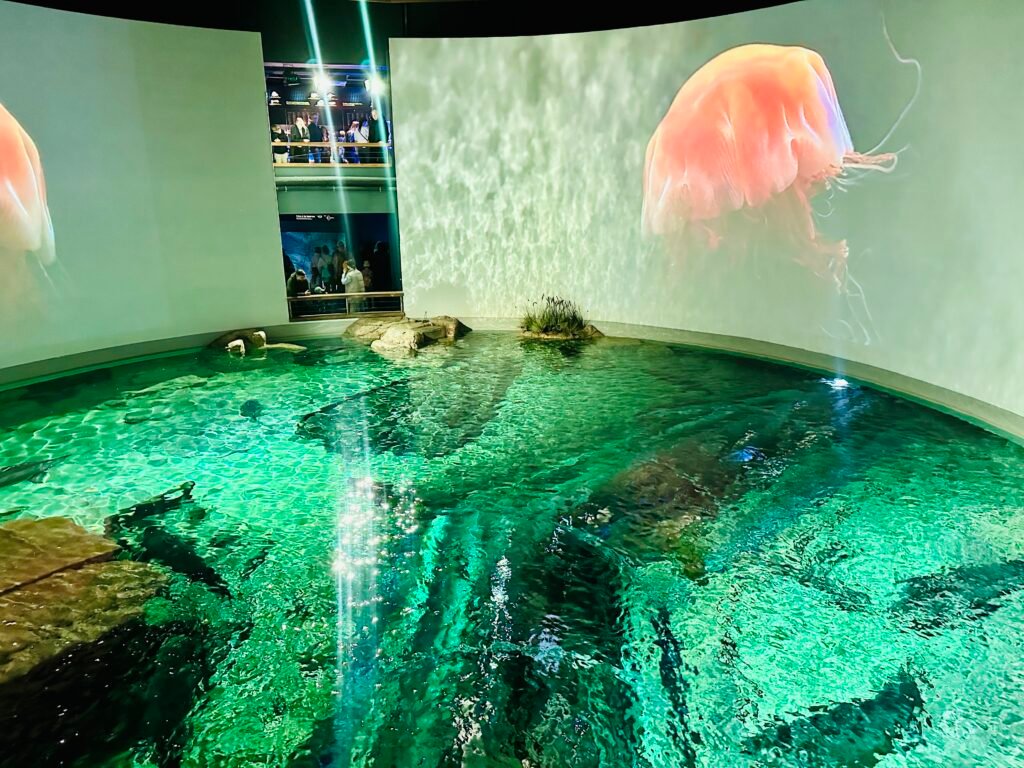
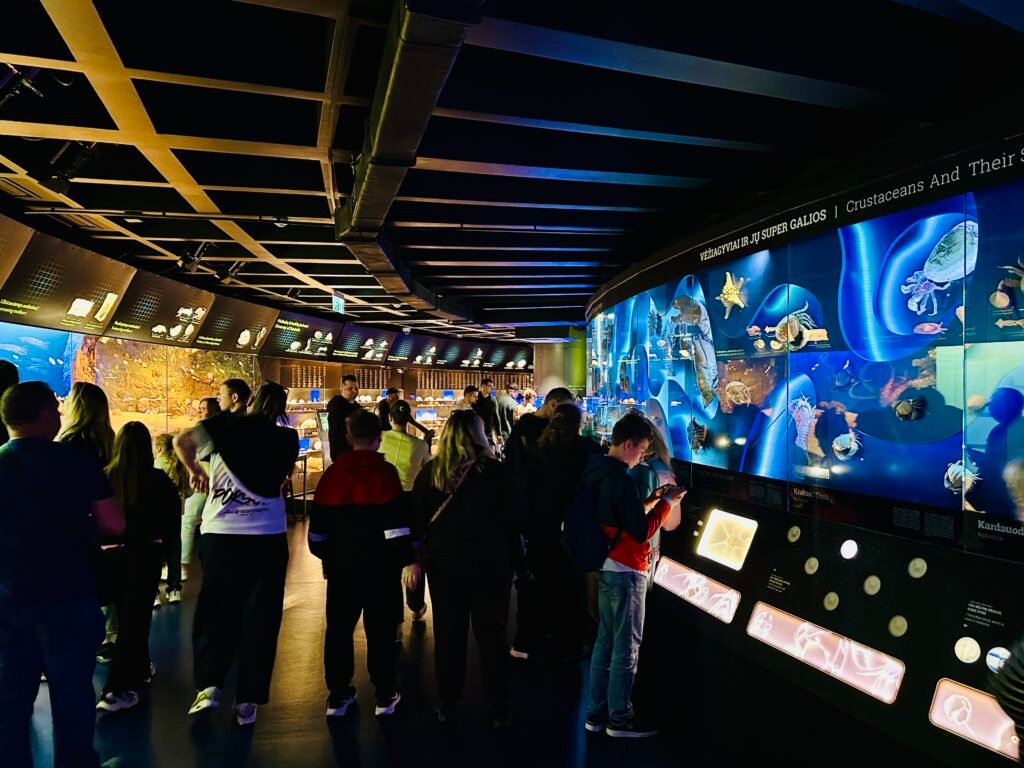
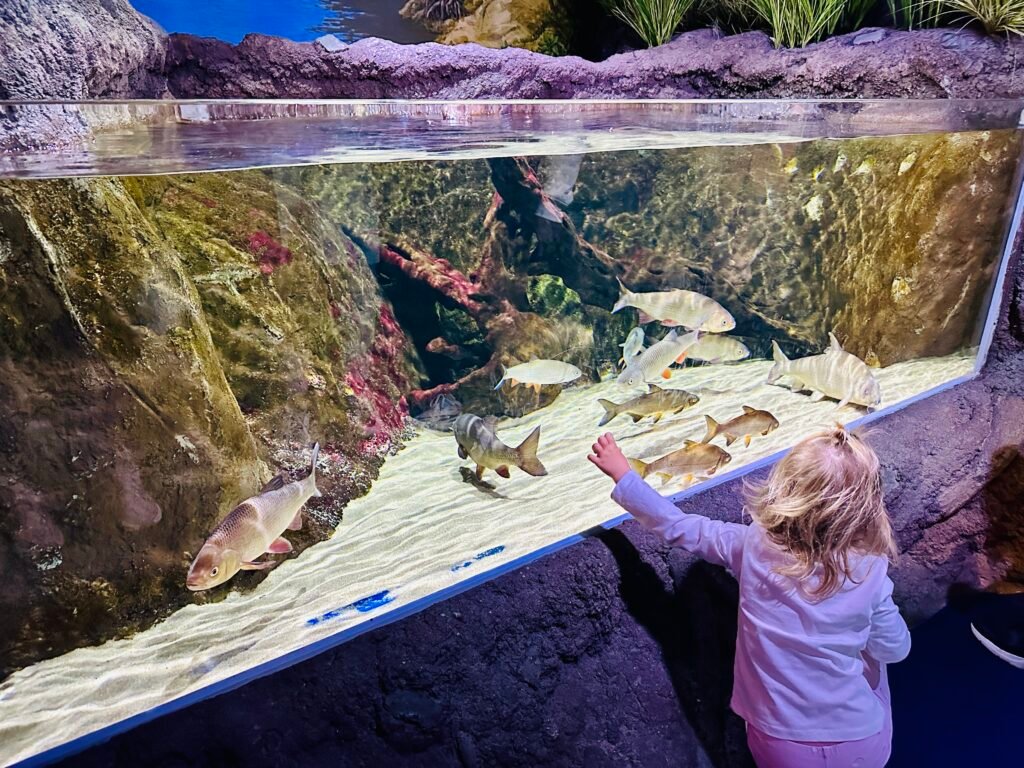
One of the museum’s most impressive attractions is its aquarium. The museum features 25 aquariums showcasing approximately 180 different species of fish and invertebrates. Both fish found in our region’s waters and colourful coral reef inhabitants live here.
The tropical fish aquariums attract particular attention. Here, you can admire colourful clownfish, lionfish, various coral reef species and other exotic underwater creatures.
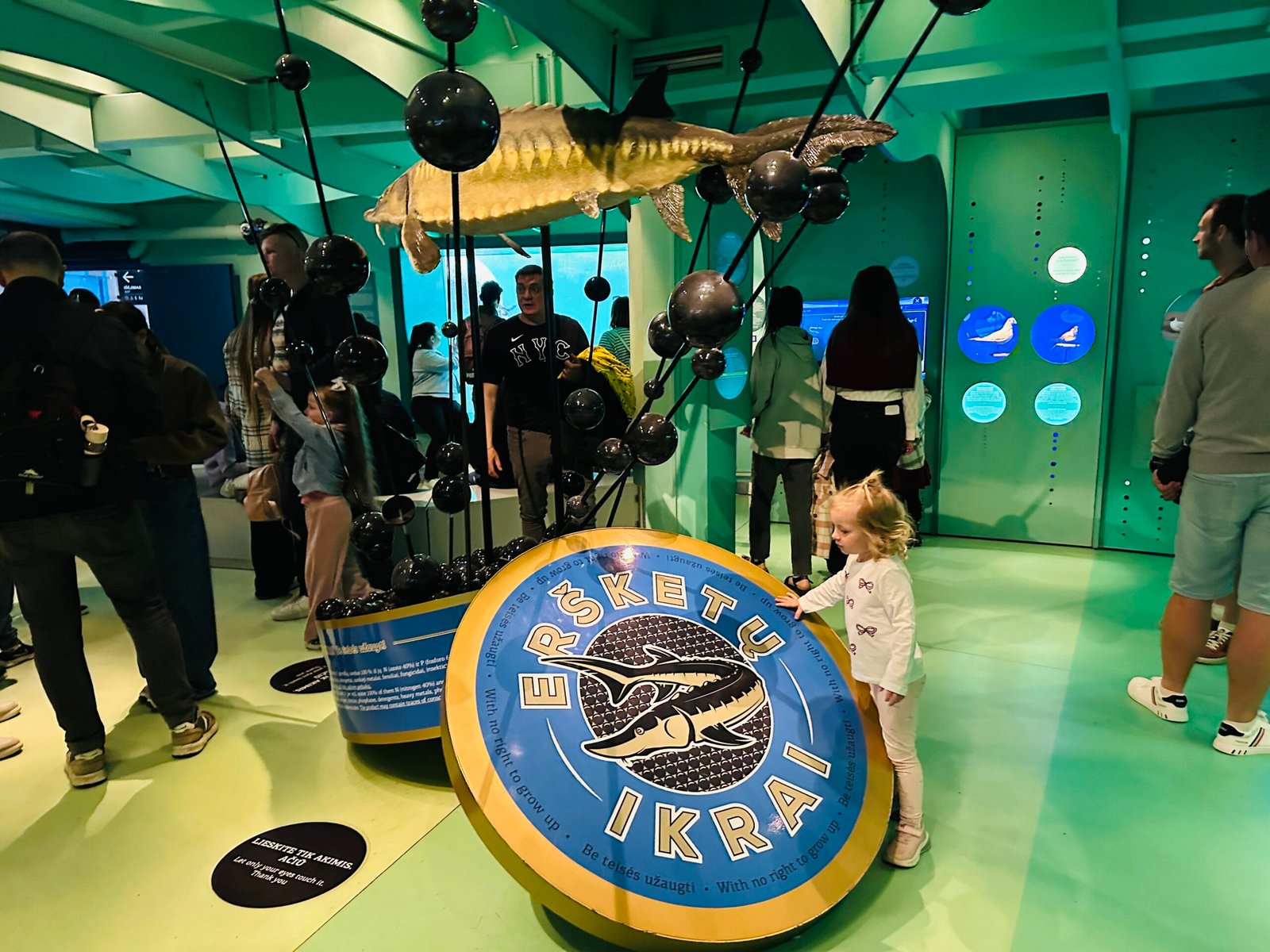
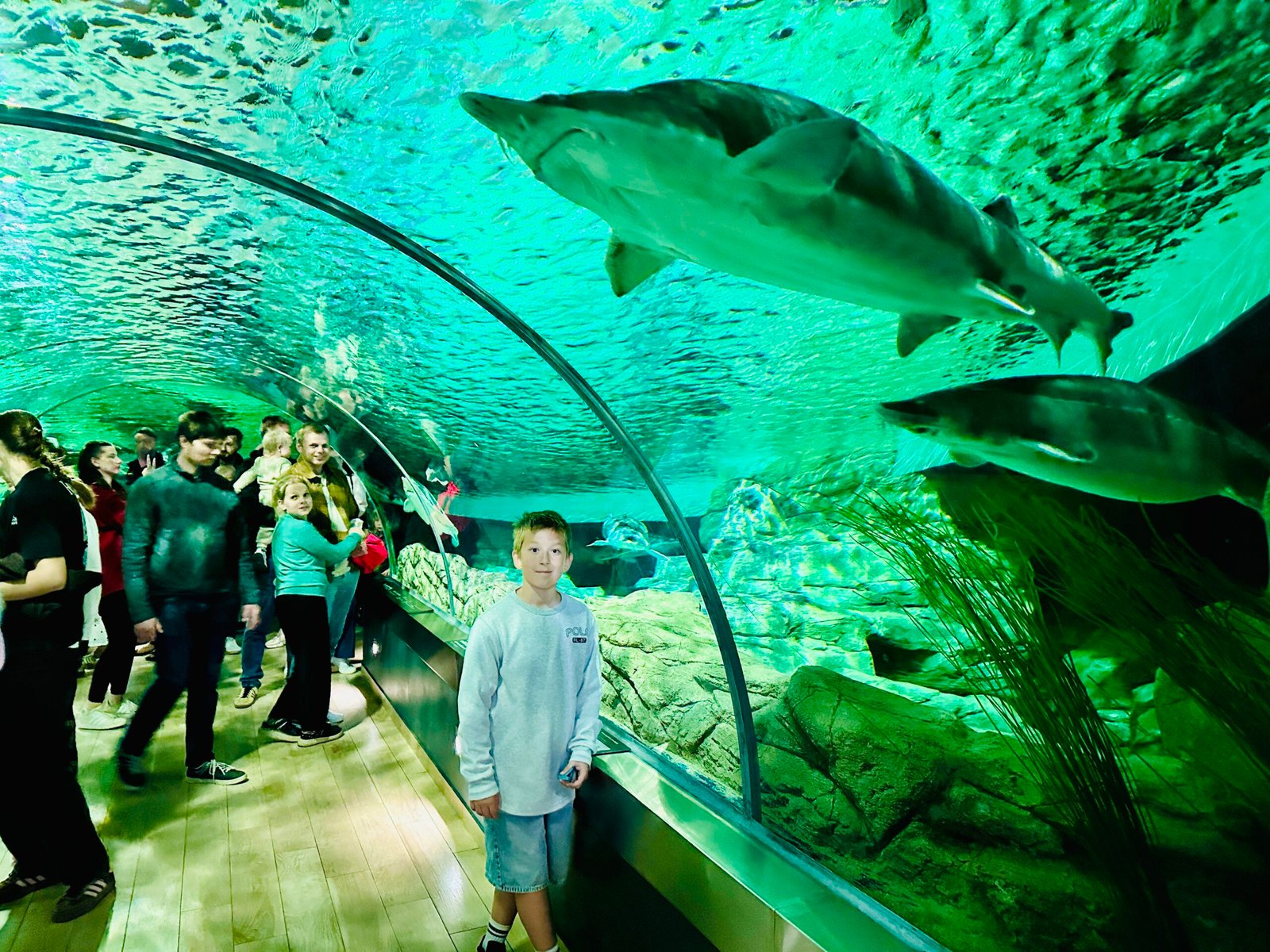
However, one of the museum’s biggest highlights is its 18-metre-long transparent underwater tunnel. As you walk through it, you can watch enormous sturgeons swimming above and around you. Some of these impressive fish grow to more than two metres in length!
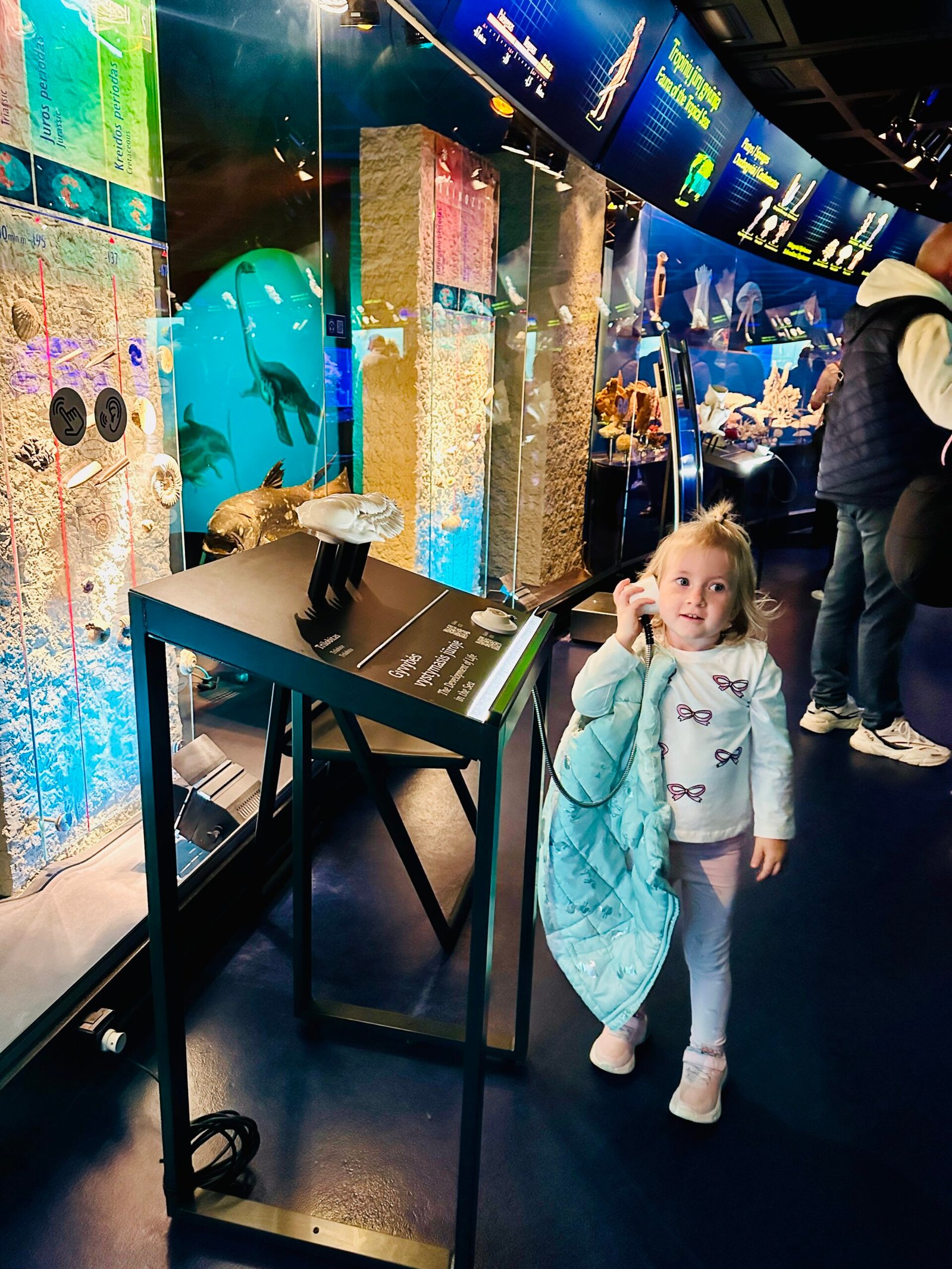
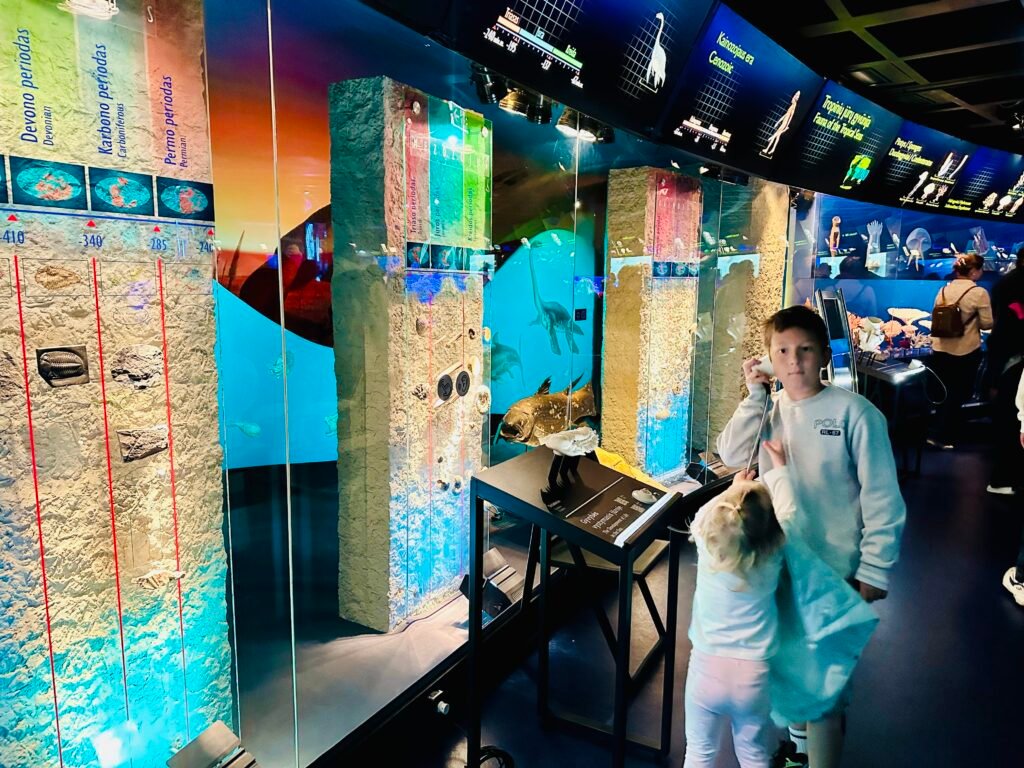
The museum also explores the natural environment, wildlife, ecology and history of the Baltic Sea. Here, you can learn which fish inhabit our sea and discover what makes the Baltic ecosystem unique. Furthermore, you’ll find out about the challenges facing its marine life.
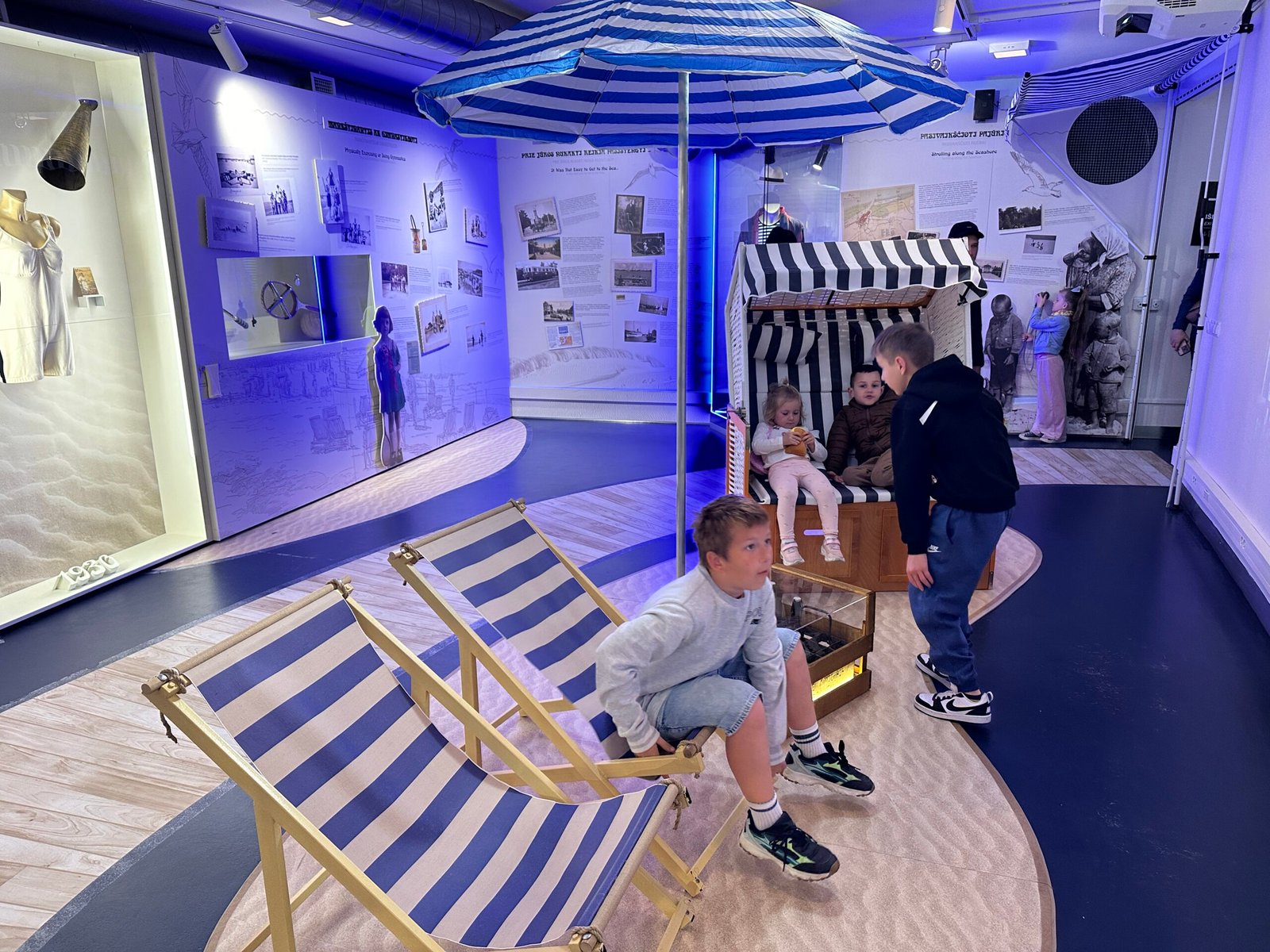
Separate exhibitions focus on marine mammals, birds and Lithuania’s maritime history. Visitors can explore historical artefacts and ship models. They can also discover what life was like for sailors and learn fascinating facts about the sea.
During the warmer months, it’s also worth visiting the traditional coastal fisherman’s homestead and the historic fishing boat exhibition area. These attractions offer a glimpse into traditional coastal life, historic fishing practices, and old fishing vessels.
Lithuanian Sea Museum Dolphinarium – dolphin and sea lion shows
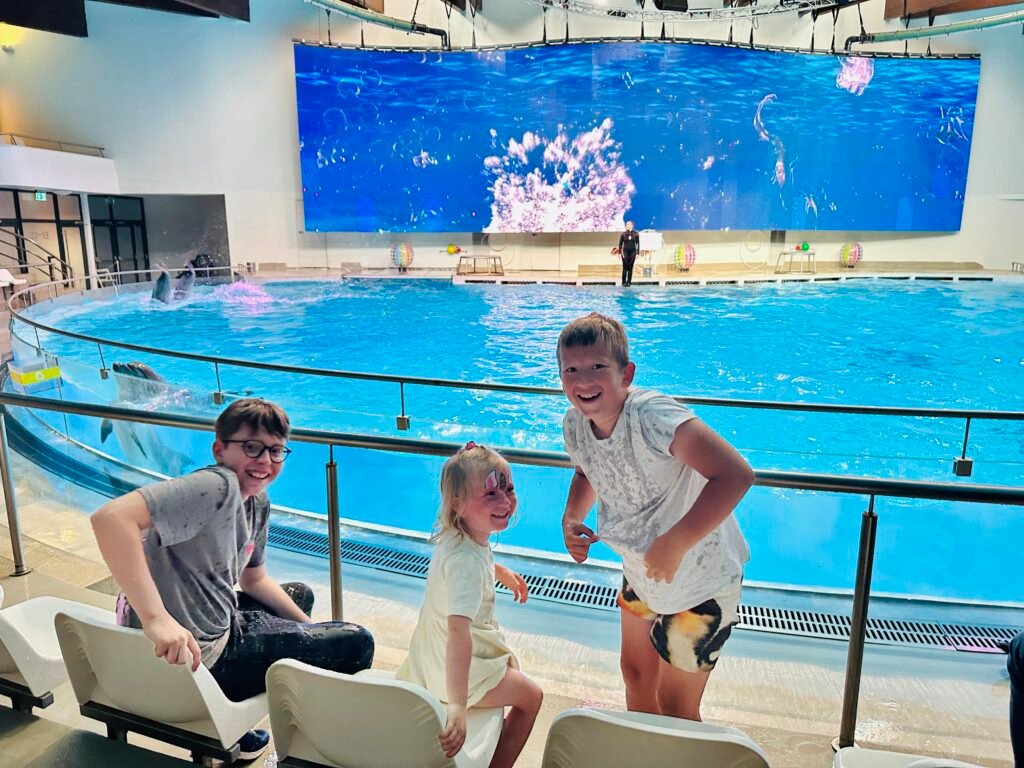
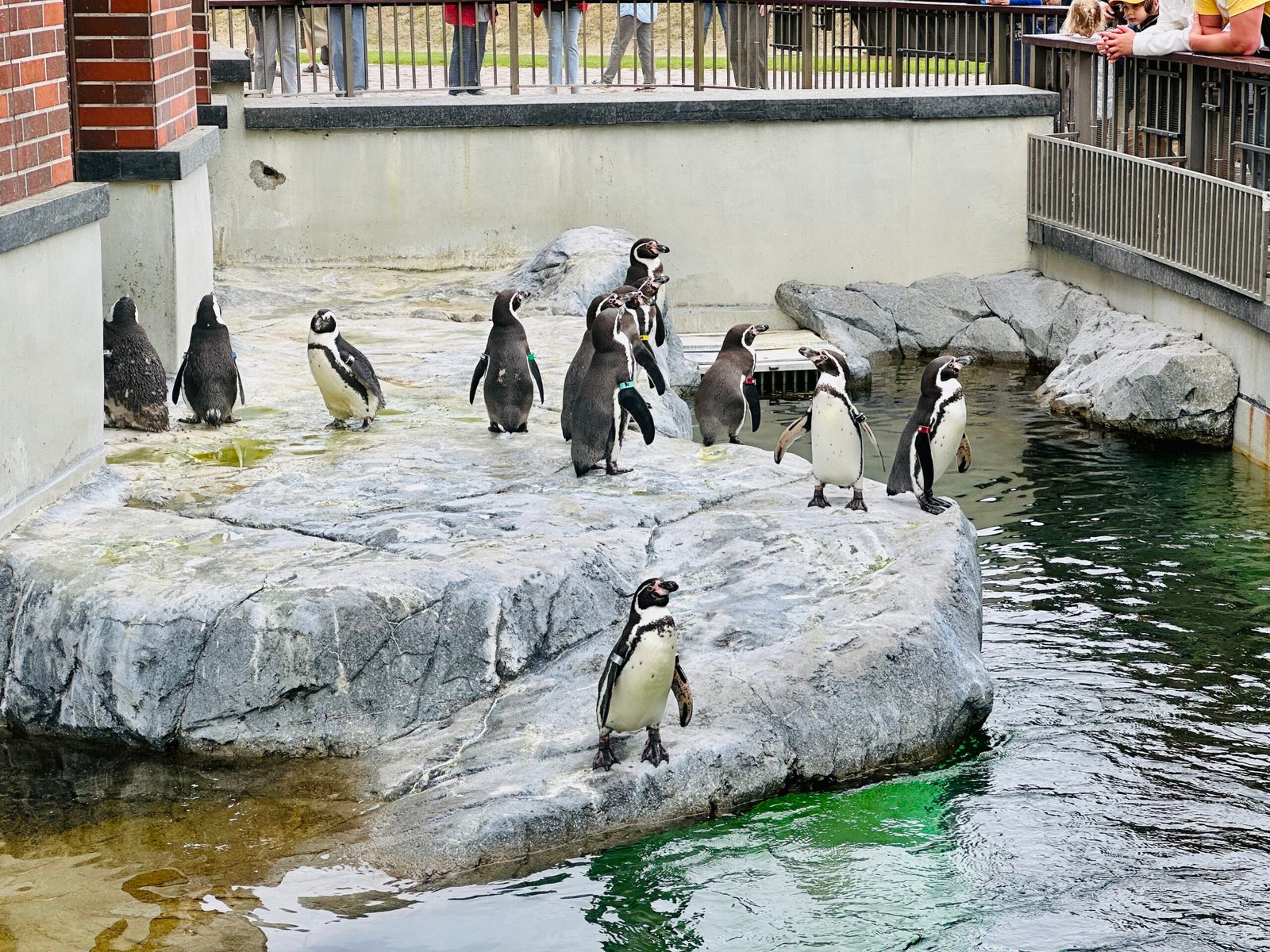
Another special part of the Lithuanian Sea Museum complex is its Dolphinarium. It is one of Lithuania’s most popular attractions. Here, visitors can get to know dolphins and California sea lions up close.
The Dolphinarium first opened in 1994. Following its renovation, it became a modern centre for marine mammal care, education and discovery.
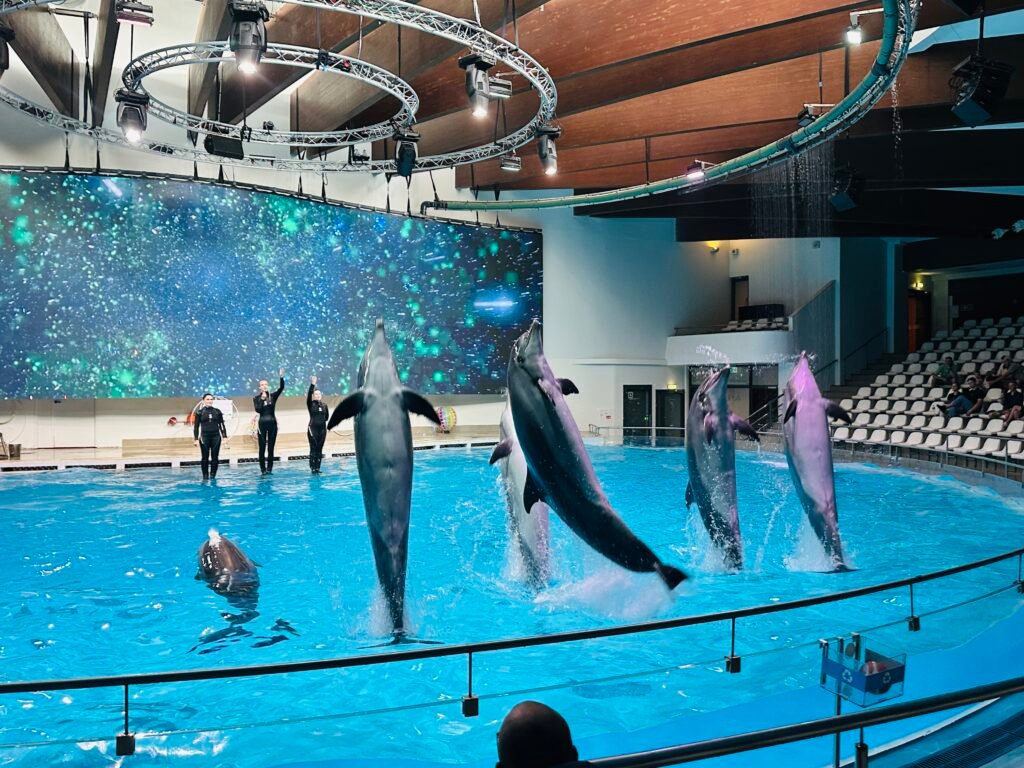
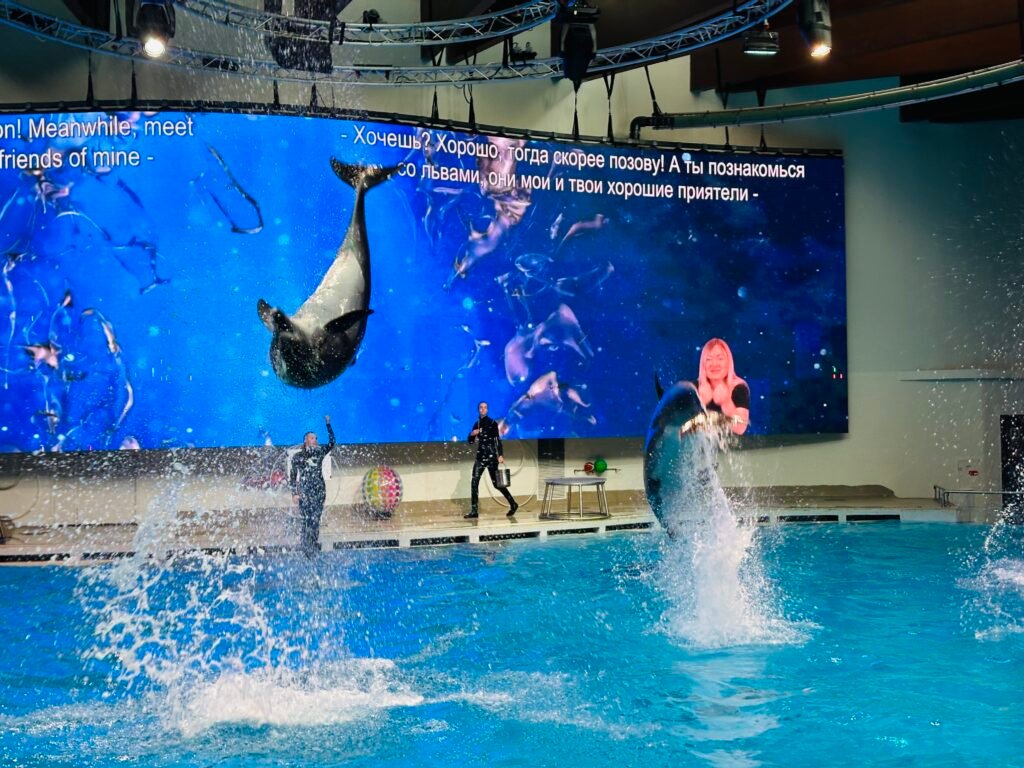
Educational shows featuring dolphins and California sea lions take place here. During these performances, visitors can observe the animals’ behaviour, movements and communication. They can also see how the animals interact and cooperate with their trainers.
Dolphins impress visitors with their speed, agility and ability to leap out of the water. They also perform a variety of tasks. Meanwhile, California sea lions are equally entertaining. Their playful personalities and expressive behaviour often capture just as much attention.
However, these shows offer more than entertainment. Visitors also learn about the animals’ biology, abilities, and care. Additionally, the performances highlight the importance of wildlife conservation.
The dolphin and sea lion show lasts approximately 35 minutes. Therefore, it is also suitable for families with younger children. If you want to give your children an unforgettable experience, choose seats in the front rows. They might get wet, but they’ll be very happy!
The Dolphinarium is also home to a Dolphin-Assisted Therapy Centre. It offers specialised sessions for children and adults with disabilities or health conditions.
Educational activities for kids at the Lithuanian Sea Museum
The Lithuanian Sea Museum and Dolphinarium offer much more than impressive exhibits and marine animal encounters. The museum also organises a variety of educational programmes.
Lithuanian Sea Museum fosters the idea of maritime Lithuania and develops educational programmes featuring national maritime heritage, traditional shipping and living by the coastline.
Participants of the sessions are invited to discover epic stories of mankind’s relationship with the sea and the attempts to take up its challenges. Evoking critical thinking, sparking curiosity and inspiration, the programmes call for personal commitment to each other and the Baltic Sea.
Additionally, the museum offers educational animal feeding presentations, themed guided tours and even educational birthday celebrations.
Important: most specialised educational programmes require advance booking. Their duration, price, recommended age and group size depend on the selected programme.
Baltic Sea Animal Rehabilitation Centre
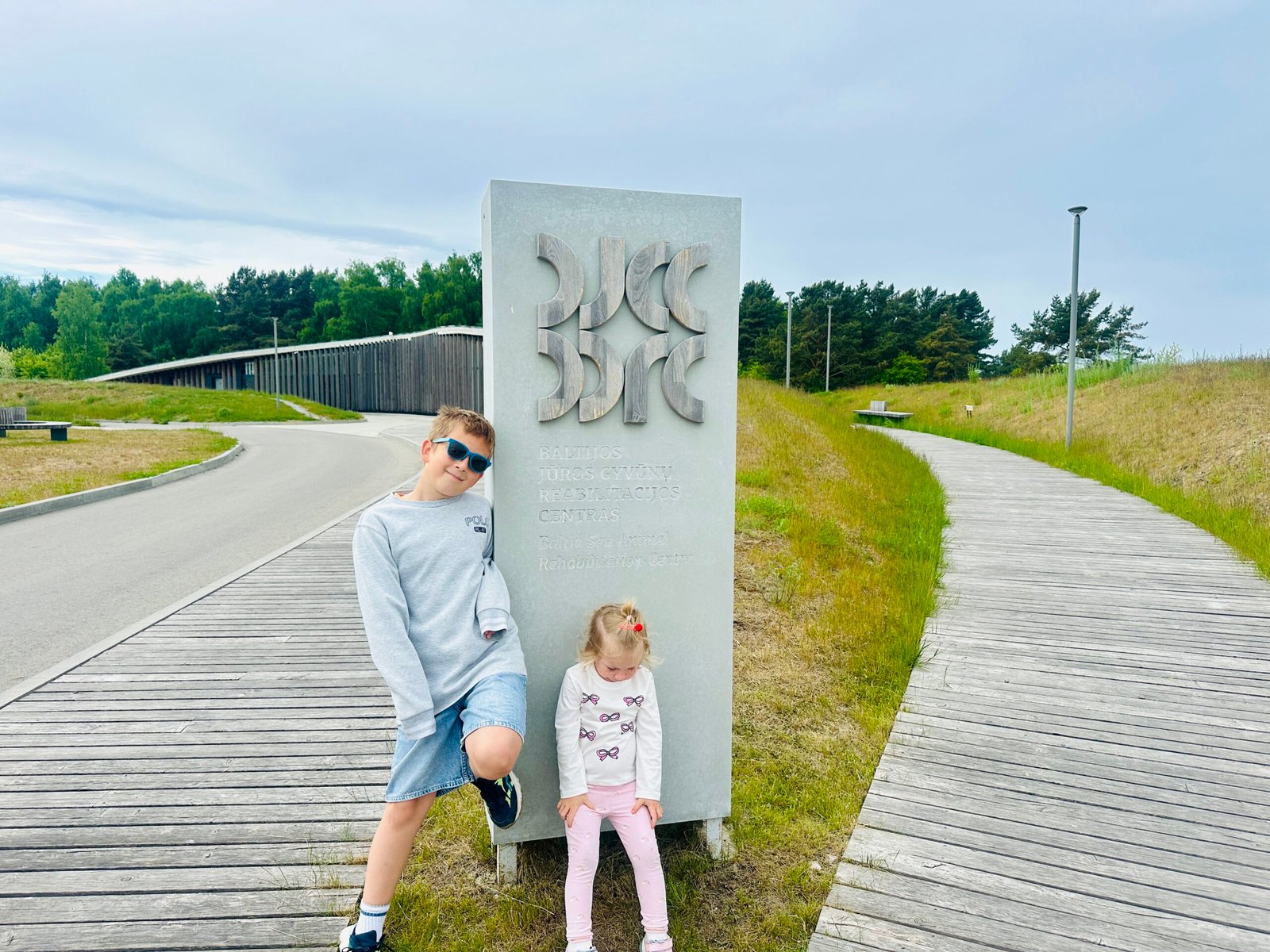
Another remarkable part of the Lithuanian Sea Museum complex is the Baltic Sea Animal Rehabilitation Centre. However, not all visitors know about this special place.
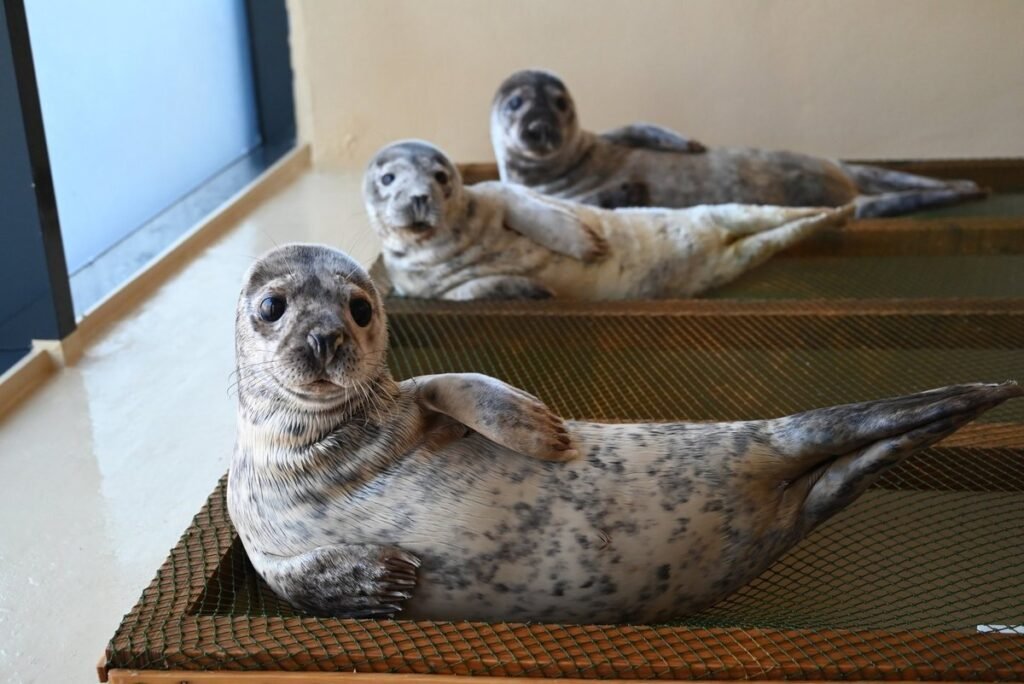
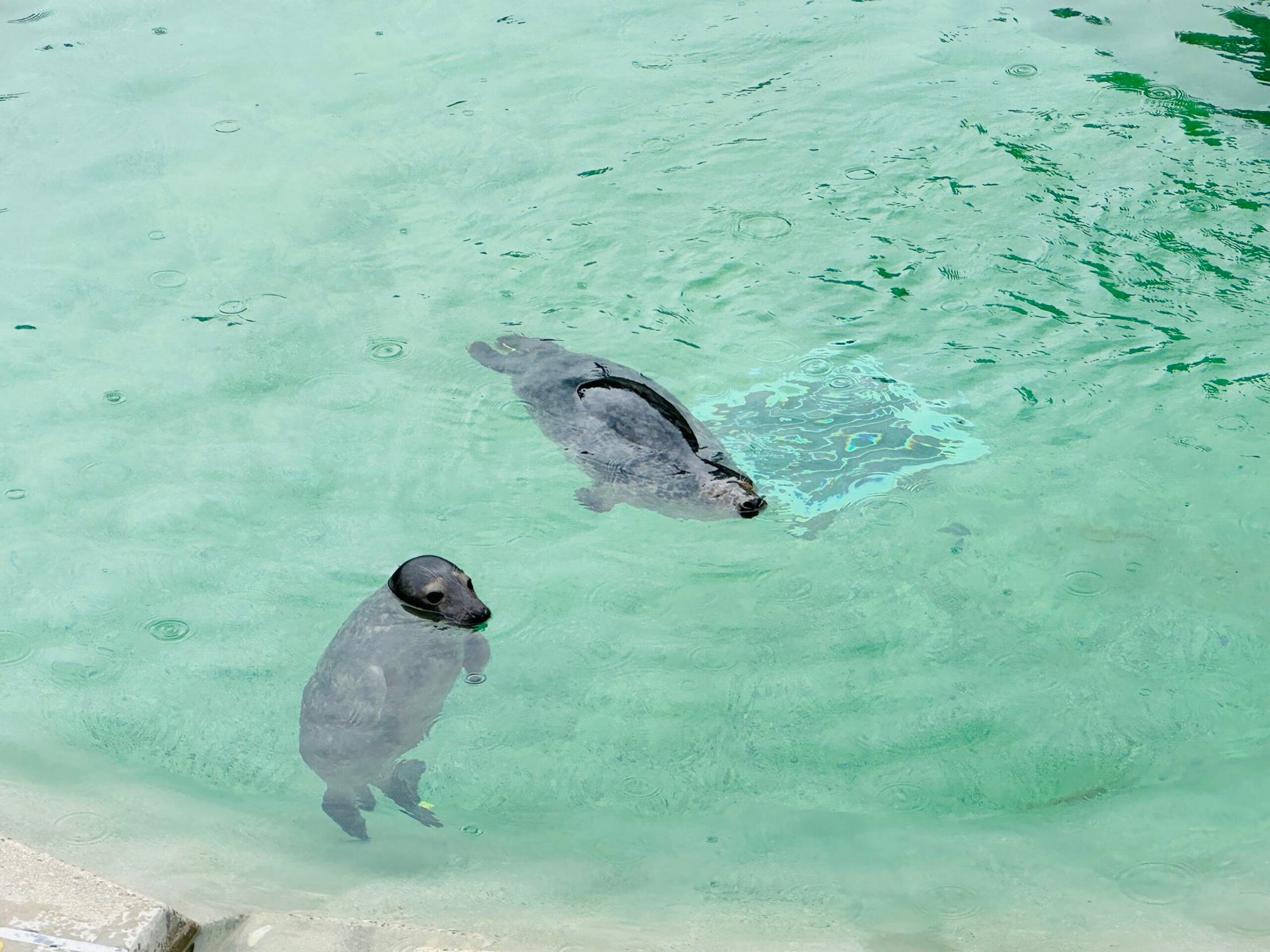
The modern centre opened in 2022. It provides treatment and care for weakened, injured or sick seals and seabirds found along the Baltic Sea coast.
Particular attention is given to young seals found along the Lithuanian coast during spring. Some are so weak that they would not survive without professional help.
At the centre, animals receive medical treatment and food. They also regain their strength and prepare for independent life. The main goal is to help them recover. Whenever possible, the animals are then returned to their natural habitat.
Visitors can also learn about the centre’s work and its rescue efforts. For example, they can discover how young seals are rescued, what they eat, and how their rehabilitation works. They can also learn what care the animals need before returning to the Baltic Sea.
The centre also features an interactive educational exhibition called I Change, the Sea Changes. It explores the ecological challenges facing the Baltic Sea, wildlife protection and human responsibility for preserving nature.
From April to September, visitors can explore the centre individually by joining scheduled guided tours. However, from October to March, the centre accepts only organised groups with advance reservations.
It is important to remember that this is primarily an animal treatment and rehabilitation facility. Therefore, the opportunity to see recovering seals depends on which animals are staying there and their health.
We’ve prepared a separate, detailed article about this special place, its activities, guided tours, and visiting arrangements: Baltic Sea Animal Rehabilitation Centre: a unique place in Lithuania where seal pups are rescued.
Practical information for visitors
The Lithuanian Sea Museum is located in Smiltynė, Kopgalis. To reach the museum, you first need to take a ferry across the Curonian Lagoon.
How to get to the Lithuanian Sea Museum?
There are two main ways to reach the museum:
- Via the Old Ferry Terminal: This is the most convenient option for visitors travelling without a car. After crossing to Smiltynė, you’ll have approximately 1.6 kilometres left to reach the museum. You can walk or cycle there. Alternatively, during the season, you can use the paid tourist train.
- Via the New Ferry Terminal: This is a convenient option for visitors travelling by car. After crossing by ferry, you’ll need to drive approximately 7 kilometres to the museum. There is a car park near the Dolphinarium. However, parking may be paid during the warmer months.
- By private boat: Private boats also operate from Klaipėda directly to the museum.
If you plan to visit both the Lithuanian Sea Museum and the Dolphinarium, we recommend taking your time.
Here is how much time you should allow:
- Museum and aquarium exhibitions: approximately 1.5–2 hours.
- Dolphin and sea lion show: approximately 35 minutes.
- Outdoor exhibitions: allow another 45 minutes.
- Additional time: plan for the ferry crossing, a walk around Smiltynė or educational activities.
To explore everything without rushing, we recommend setting aside at least half a day.
Please note that the museum exhibitions and Dolphinarium shows require separate tickets. Therefore, we recommend checking the show schedule and purchasing your tickets in advance.
You can also visit the Sea Museum free of charge on the last Sunday of each month. However, these Sundays tend to attract large crowds. Dolphinarium shows still require paid tickets.If you want to enjoy free museum admission and watch a dolphin show on the same Sunday, book your show tickets well in advance. In fact, tickets for dolphin shows are almost always sold out during free museum Sundays.
The museum’s opening hours depend on the season.
During summer, the museum welcomes visitors on more days each week. Meanwhile, in autumn and winter, it generally opens on Fridays, Saturdays and Sundays. Dolphin and sea lion shows follow a separate schedule. Therefore, we recommend checking the programme for your chosen date before travelling.