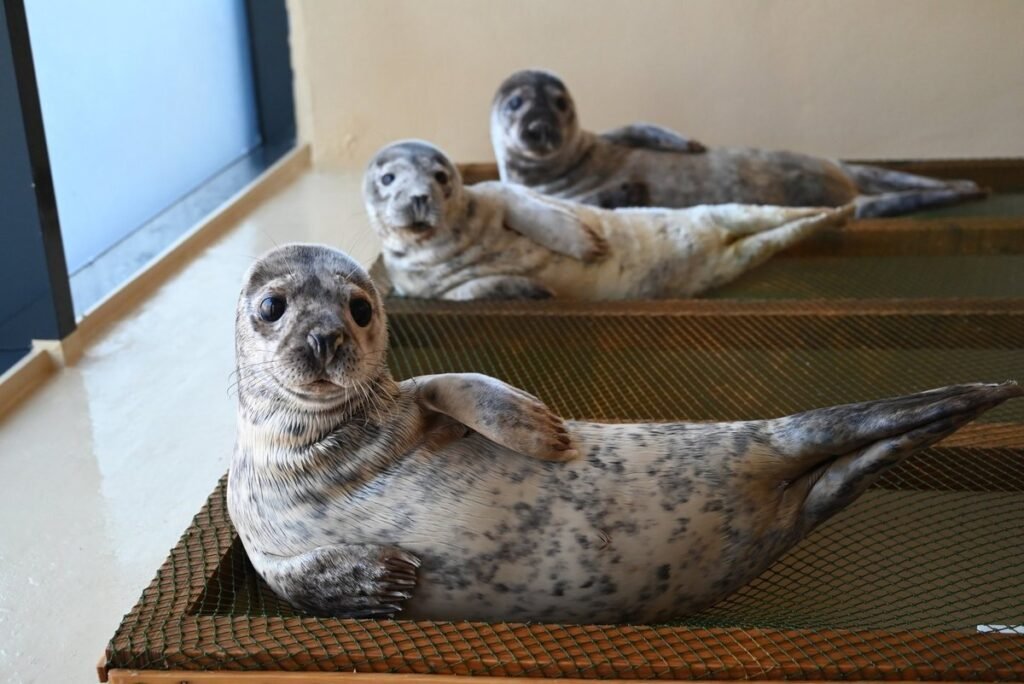
Did you know that Lithuania has a place where specialists rescue, treat, and care for Baltic Sea seal pups? Best of all, families can visit this special place. The Baltic Sea Animal Rehabilitation Centre is a unique part of the Lithuanian Sea Museum in Smiltynė. Here, specialists carry out real animal rescue work. They help injured and weakened seals and seabirds recover. Once the animals regain their strength and health, specialists return them to their natural environment.
The Baltic Sea Animal Rehabilitation Centre is not just a place where specialists treat and rehabilitate animals. It also offers an interesting educational experience for families with children. Visitors can learn how specialists rescue Baltic Sea animals, what they feed baby seals, and how young animals learn to survive independently. They can also discover why seals sometimes need human help. In addition, the centre features a unique interactive exhibition. It helps visitors better understand the ecological challenges facing the Baltic Sea and how each of us affects the environment. We can assure you that this is one of the most interesting places to visit in Klaipėda with kids.
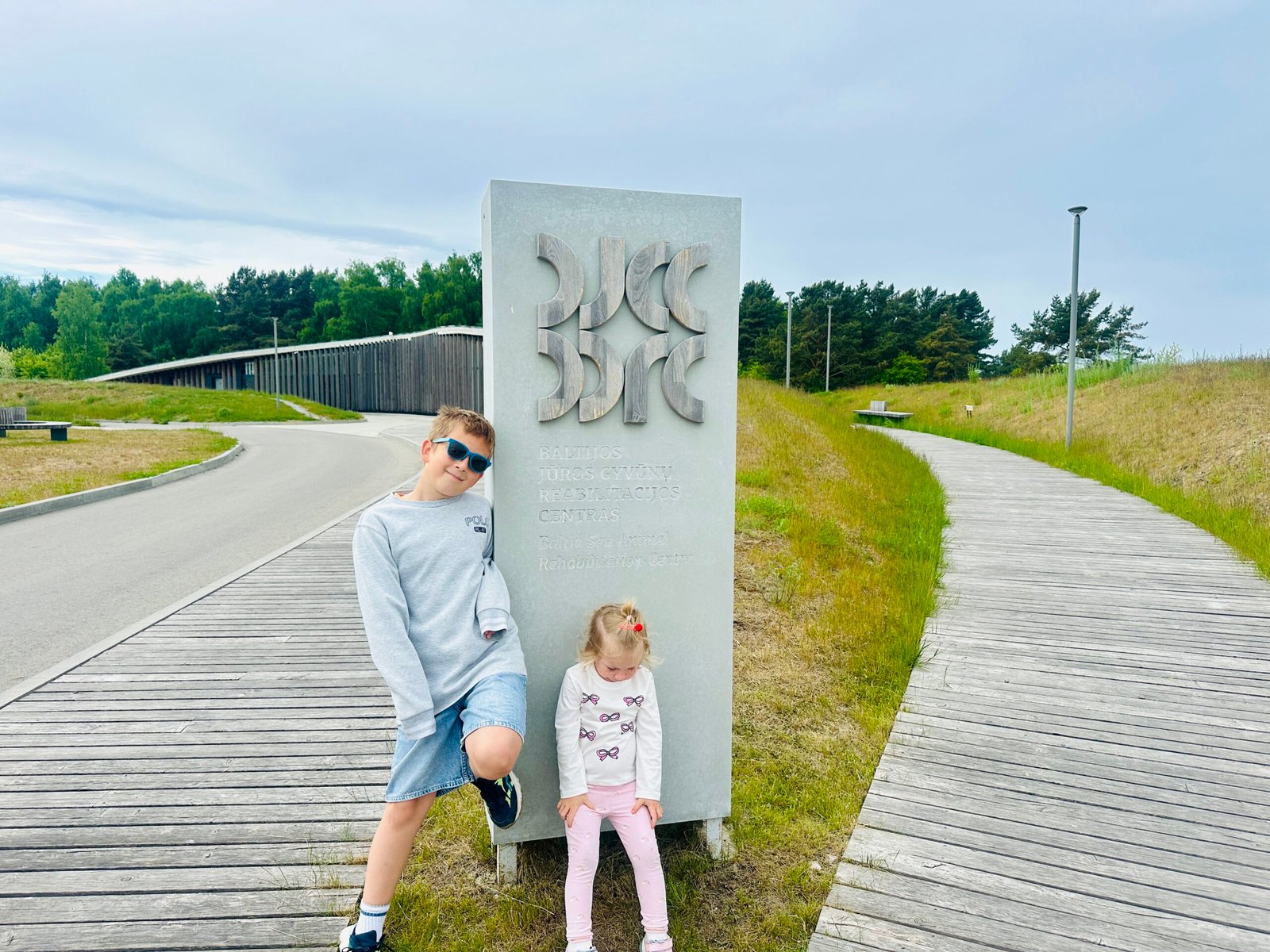
Baltic Sea Animal Rehabilitation Centre – a place where people save lives
The Baltic Sea Animal Rehabilitation Centre forms part of the Lithuanian Sea Museum complex. Although fewer people know about it than the Sea Museum and dolphinarium, it is just as interesting. The centre opened in 2022. Today, its specialists rescue, treat and rehabilitate Baltic Sea animals. They also conduct scientific research and educate the public.
Every year, people find weakened, injured or sick seals along Lithuania’s coast. They also discover seal pups that need expert care. These animals can suffer for various reasons, including fishing gear, marine pollution, diseases, unfavourable environmental conditions and other factors.
Spring is a particularly sensitive time. During this season, people find grey seal pups along the Lithuanian coast more frequently. Some arrive extremely weak and exhausted. They cannot feed themselves and would not survive without specialist help.
The Baltic Sea Animal Rehabilitation Centre provides care for precisely these animals. Specialists give them veterinary treatment, specially adapted food and ongoing attention. They continue caring for the seals until they grow stronger and can return to the sea.
Baltic Sea Animal Rehabilitation Centre – how specialists rescue and care for seal pups
One of the most interesting things visitors discover during a tour is the journey a seal pup takes. It begins when someone finds the animal on the coast and ends when specialists return it to the Baltic Sea.
When animals arrive at the centre, specialists examine them first. They assess each animal’s health and weight and determine what kind of help it needs. Some seal pups arrive so weak that they cannot feed themselves at first.
Specialists then create an individual treatment and feeding plan for each animal. As the seals grow stronger, they move on to the next stage. They get used to the water, learn to feed independently and develop the skills they need to survive in their natural environment.
The rehabilitation centre has specially equipped rooms, pools, an animal examination room and an operating theatre. The centre designed all these facilities to help specialists care for animals in different health conditions.
The centre has six indoor pools and four smaller outdoor pools. The main pool holds an impressive 280 cubic metres of water. In addition, the centre has a special pool for birds.
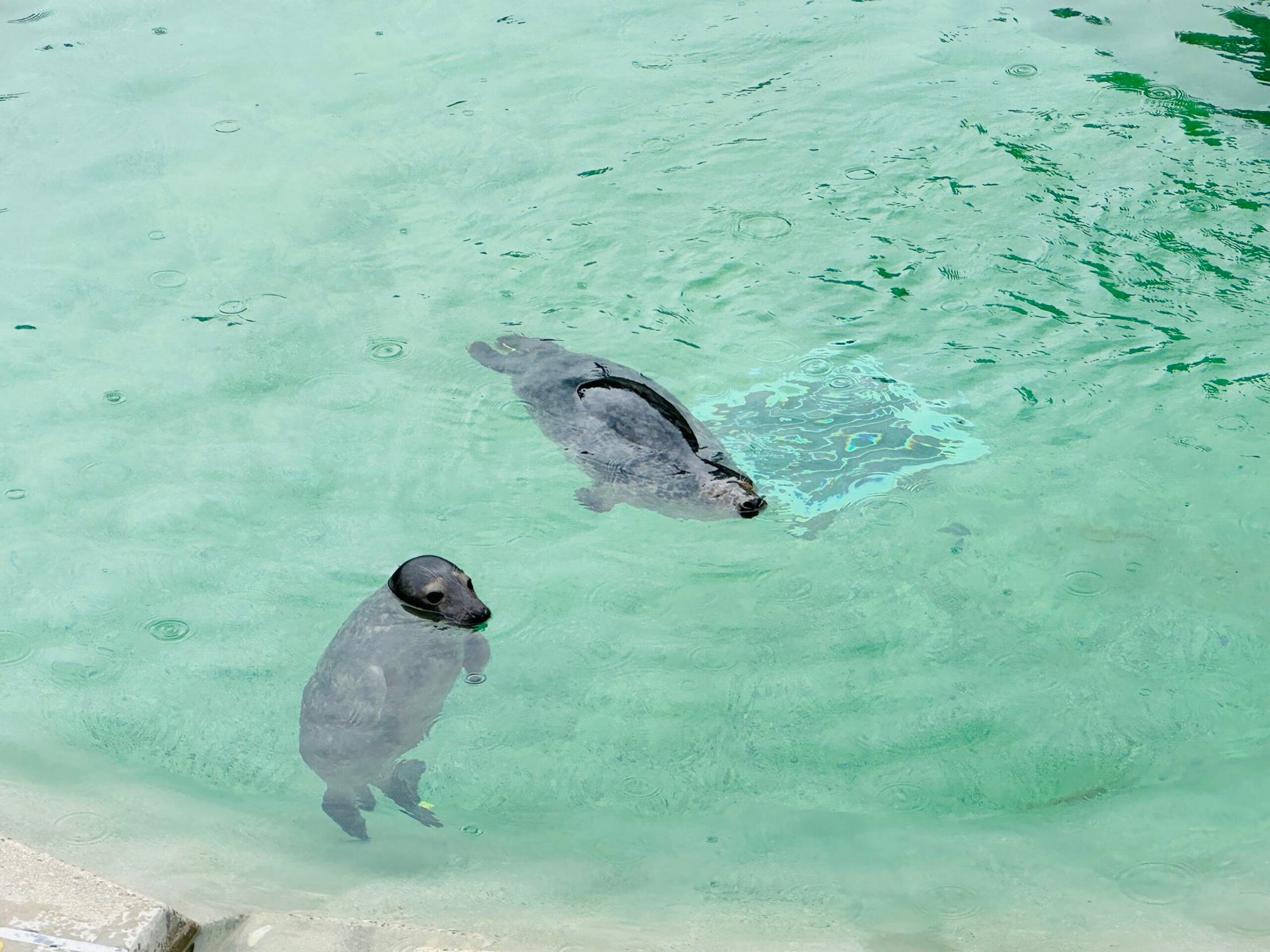
What can you see at the Baltic Sea Animal Rehabilitation Centre?
A visit to this centre offers a different experience from a typical museum visit. Here, visitors can discover Baltic Sea animals and learn how specialists rescue and rehabilitate them.
During the tour, visitors learn:
- Why seals and other marine animals need the rehabilitation centre.
- How specialists rescue weakened seal pups found along the coast.
- How specialists treat, feed and care for the animals.
- How seal pups learn to feed independently.
- Which rehabilitation stages the animals must complete before specialists release them into the sea.
- How the centre’s modern equipment and pool water system work.
- How everyone can help protect Baltic Sea animals.
At certain times, visitors may also see seal pups recovering at the centre. However, please remember that the centre primarily treats animals. Therefore, the opportunity to observe the seals depends on which animals stay there, their health and the conditions specialists set.
The interactive exhibition “I Change – The Sea Changes”
The Baltic Sea Animal Rehabilitation Centre also features a special self-guided educational exhibition called “I Change – The Sea Changes”.
The exhibition does more than introduce visitors to Baltic Sea animals. It also shows how our everyday choices affect the sea, its ecosystem and the species that live there.
Visitors can explore various environmental issues, including plastic and other waste pollution, the impact of fishing on marine animals, climate change, shipping, noise and other threats to the marine ecosystem.
Interestingly, the centre designed the exhibition according to sustainability principles. It used recycled materials for the furniture and equipment. These include plastic waste, used packaging, and items given a second life.
This is a great opportunity for children to understand why sorting waste, reducing plastic consumption and protecting nature matter. Moreover, the exhibition encourages visitors not only to learn but also to think about what they can change in their everyday lives.
When and how can you visit?
If you would like to visit the Baltic Sea Animal Rehabilitation Centre, remember that visiting arrangements depend on the season.
From April to September, individual visitors and families with children can visit the centre. The centre organises tours for individual visitors at scheduled times. Therefore, you do not need to organise a separate group.
From October to March, visitors can only explore the centre as part of an organised group tour. You must arrange the date and time in advance.
During the “I Change – The Sea Changes” tour, visitors learn about the centre’s work, animal rescue stories, the rehabilitation process and environmental initiatives.
The centre offers organised group tours lasting up to one hour. The price is €70 for groups of up to 25 people. However, you must register in advance for this tour.
Before your visit, we recommend checking the latest tour times, availability, and ticket conditions on the official Lithuanian Sea Museum website.
The Baltic Sea Animal Rehabilitation Centre stands in Smiltynė, within the Lithuanian Sea Museum complex, behind the dolphinarium.
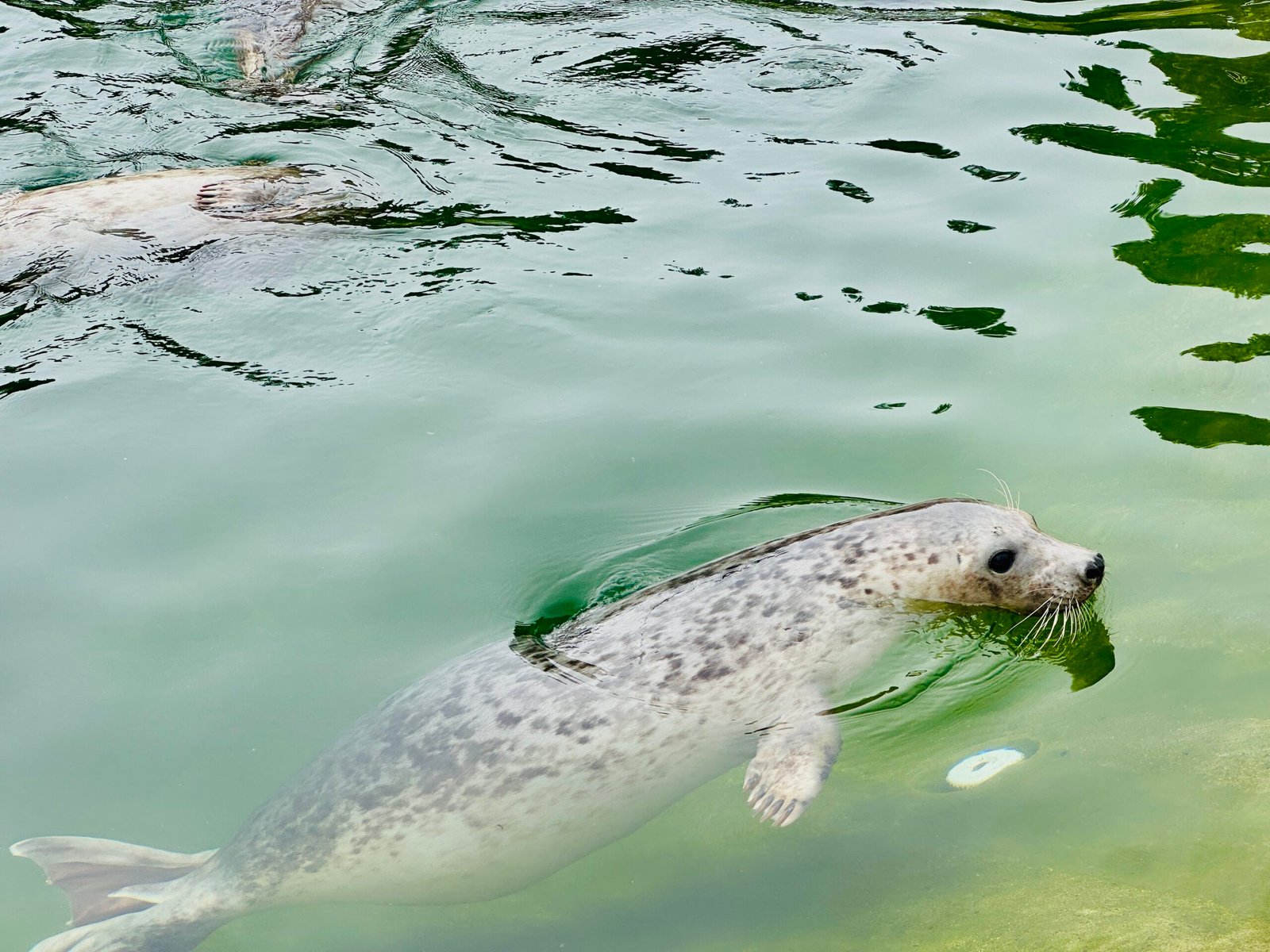
Why should you visit the Baltic Sea Animal Rehabilitation Centre with children?
The Baltic Sea Animal Rehabilitation Centre is one of those special places in Lithuania where children can enjoy an interesting visit and learn many important things about nature.
Here, children can better understand how fragile the world of marine animals is. They can also discover why some animals need human help and how much effort specialists put into helping a weakened seal pup regain its strength. Eventually, the young seal can live independently in the Baltic Sea again.
If you are looking for an interesting and meaningful educational activity in Klaipėda with children, the Baltic Sea Animal Rehabilitation Centre is definitely worth visiting. It offers a unique opportunity to discover Baltic Sea animals, hear their rescue stories and learn how each of us can help protect the sea.