Very close by, just a few hours away, you can find little known gems of our neighboring country: the most beautiful and undiscovered castles in Latvia: travel routes near Lithuania. And believe it, there are truly no fewer of them here than in Poland. If you enjoyed our article about castles in Poland, then we promise that after reading this one, a trip to Latvia will feel a thousand times more interesting.
When entertainment in Lithuania starts to feel repetitive, many of you probably realize how great it is that Lithuania is surrounded by countries with so many interesting places and activities. And you can reach everything by car. We have shared places in Latvia that are relevant for families more than once, including the TOP most interesting ones. Now, however, we want to tell you where the most beautiful and undiscovered castles in Latvia: travel routes near Lithuania are hiding, especially when you want to set off on an educational trip with kids.
The most beautiful and undiscovered castles in Latvia: travel routes near Lithuania
The most beautiful and undiscovered castles in Latvia: travel routes near Lithuania is our prepared guide that will help you discover the most beautiful and most impressive castles in Latvia.
Rundāle Palace (Rundāles pils)
These are among the most impressive palaces in Latvia. It is a true Baroque gem, and people often call it the “Latvian Versailles.” The palace stands in a calm area near Bauska, so it is easy to visit while traveling from Lithuania.
Inside, you can see ornate halls with frescoes, crystal chandeliers, and gilded details. Each room looks different. For example, there is the White Hall, the Golden Hall, galleries, and the duke’s apartments.
A large French style park surrounds the palace. There are paths, fountains, hedges, and flowerbeds. The park is open to everyone. However, some park areas are free, while others require a separate fee.
Entry is free for children under 7, and older children receive discounts. Additionally, you can use audio guides in several languages, and the palace also offers guided tours. The palace hosts family days with educational activities for children, so it is worth checking the schedule before you go. You will also find a café, benches for rest, and a parking lot on the site.
It is best to visit Rundāle Palace slowly. Therefore, plan at least 3 to 4 hours for the interior halls and the park.
↩︎ Back to list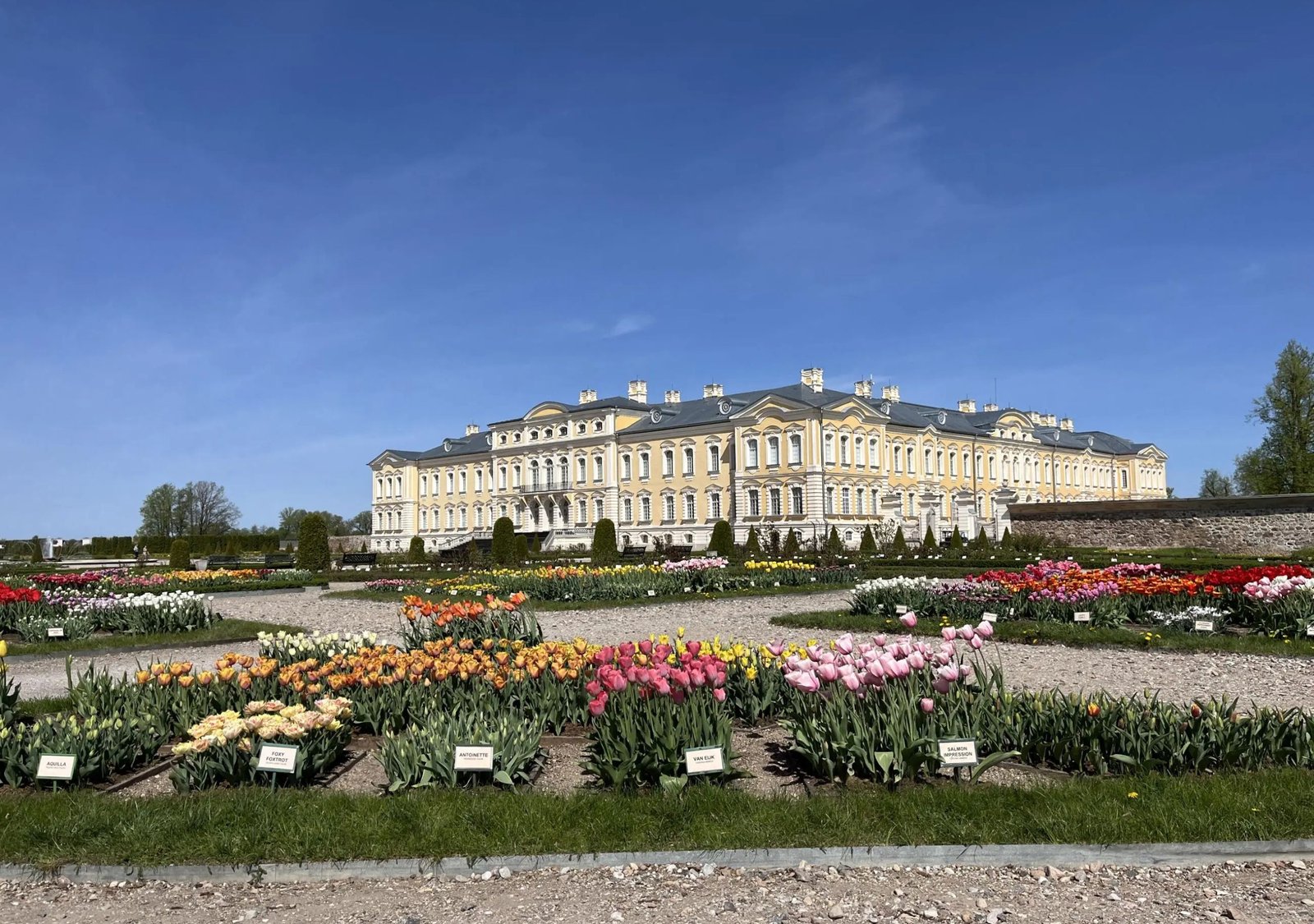
Jelgava Palace (Jelgavas pils)
If you are traveling around Latvia with children and want a more interesting stop, then Jelgava Palace fits very well. It is the largest Baroque palace in the Baltic states. It stands on an island in the Lielupe River, only about 40 minutes from Riga. The palace dates back to the 18th century. Moreover, the famous architect Bartolomeo Rastrelli designed it. He also designed Rundāle Palace.
Today, the Latvia University of Life Sciences and Technologies operates in the palace. Still, part of it is open to visitors. The most interesting part is the Courland dukes’ crypt in the underground area, where nearly the entire Biron family rests. You visit it with a guide, and it is genuinely interesting even for older children. The palace also has a small museum about its history. The exhibitions are not very large. However, the atmosphere feels impressive.
It is recommended to plan about 1.5 to 2 hours. In other words, you will not need a whole day for this place. Still, it works perfectly for a short stop, especially if you are traveling from Riga toward other Latvian cities.
↩︎ Back to list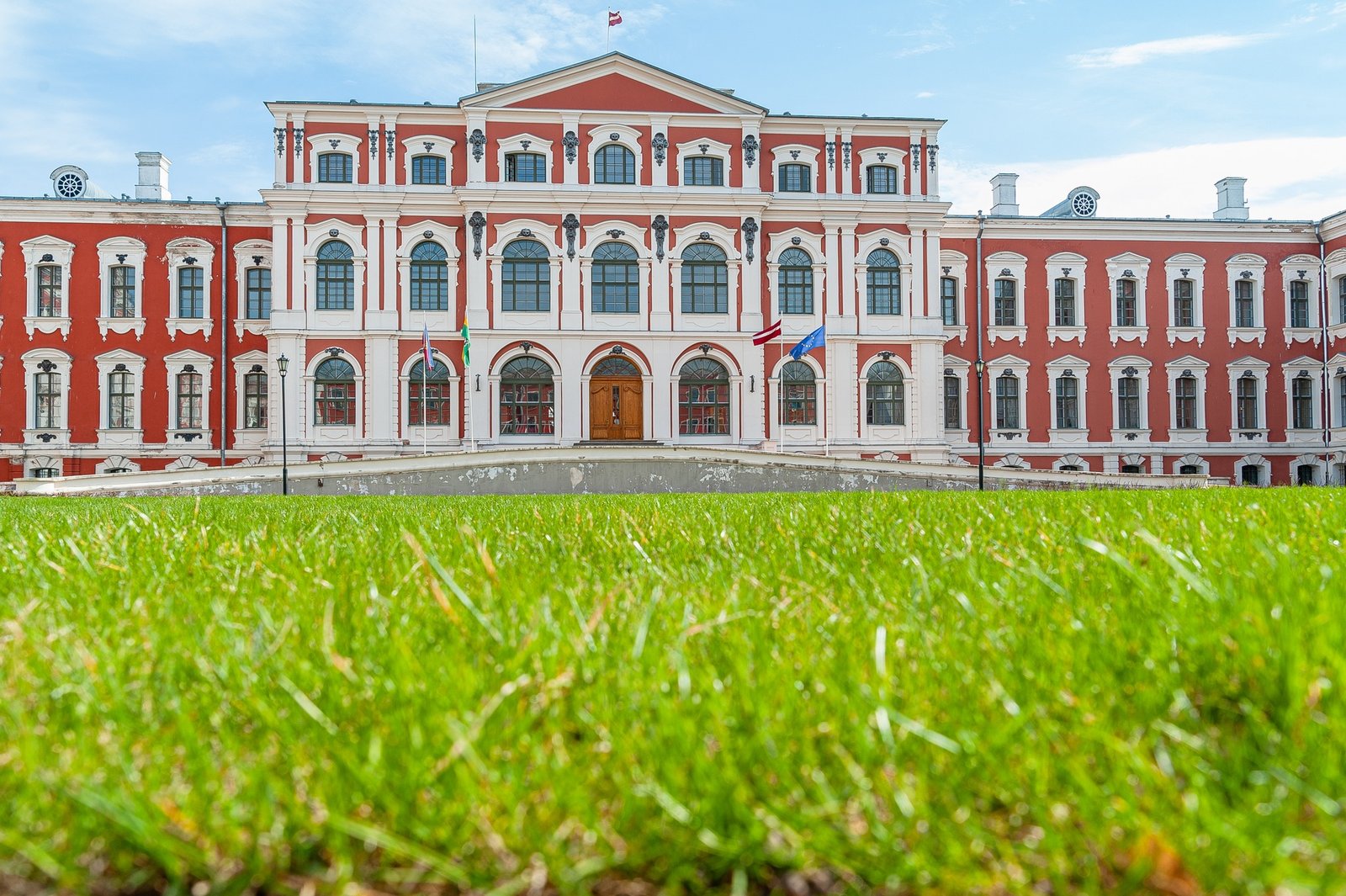
Mežotne Palace (Mežotnes pils)
Mežotne Palace is one of the most beautiful Classicism era residences in Latvia, and it is only about an hour from the Lithuanian border. This elegant palace stands on the bank of the Lielupe River, in a quiet area surrounded by green fields. In the past, Charlotte von Lieven, the governess of the Russian emperor’s children, lived here. Therefore, the palace has an interesting history and still keeps an aristocratic spirit.
The building looks truly impressive: a light façade, columns, and symmetrical shapes. Around it, an English style park stretches out. It is nice to walk there, have a short picnic, and spend time in nature. Sometimes sheep even graze in the meadow, and children will really enjoy seeing that view.
Inside the palace, you can enter a small exhibition. In season, you can also join guided tours. Some rooms host events such as conferences or weddings. So, it is worth checking in advance whether all spaces are accessible. Overall, the whole place feels calm, tidy, and ideal for a short family stop.
If you travel around the Bauska or Rundāle area, then Mežotne is an excellent extra point on your route. It is easy to reach, it is beautiful for a walk, and the area does not feel overloaded with tourists.
↩︎ Back to list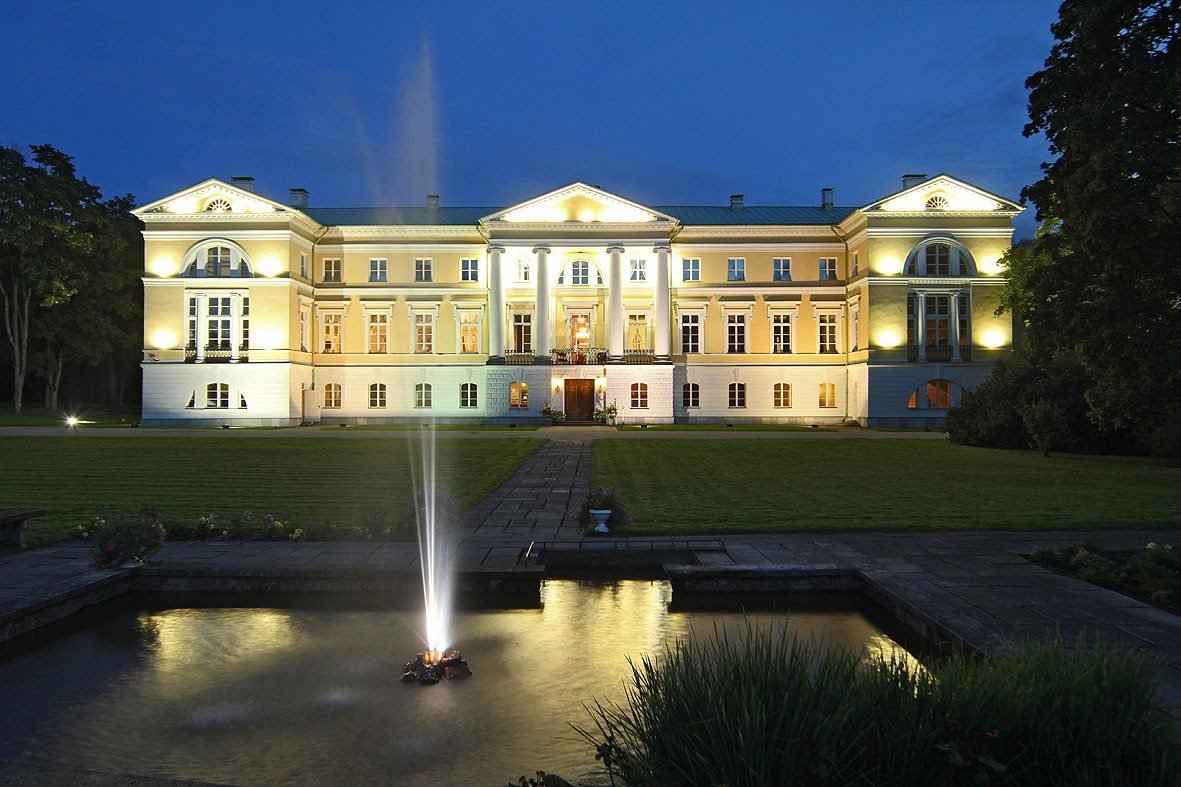
Daugavpils Fortress (Daugavpils Fortress)
Daugavpils Fortress is a unique state level monument of architecture and cultural history, and its area covers more than 150 hectares. It is also the last bastion type fortress in the world. The fortress complex looks like a small city, with gates, bastions, squares, and even a former water tower. Today, an information center operates in that tower.
You can get more detailed information about the fortress history, its structure, the most popular places to see, and its future vision at the Daugavpils Fortress Culture and Information Center on Nikolaja Street 5. Visitors can book guide services there, pick up brochures and tourist maps, and also see a small history exhibition and a Measuring Vessels exhibition. During the active tourism season, the cordon building is open to visitors as well. Nearby, you will also find the Mark Rothko Art Centre. It hosts exhibitions, educational activities, and sometimes events for families. If you travel with older children, then stop by, because it offers a very different experience.
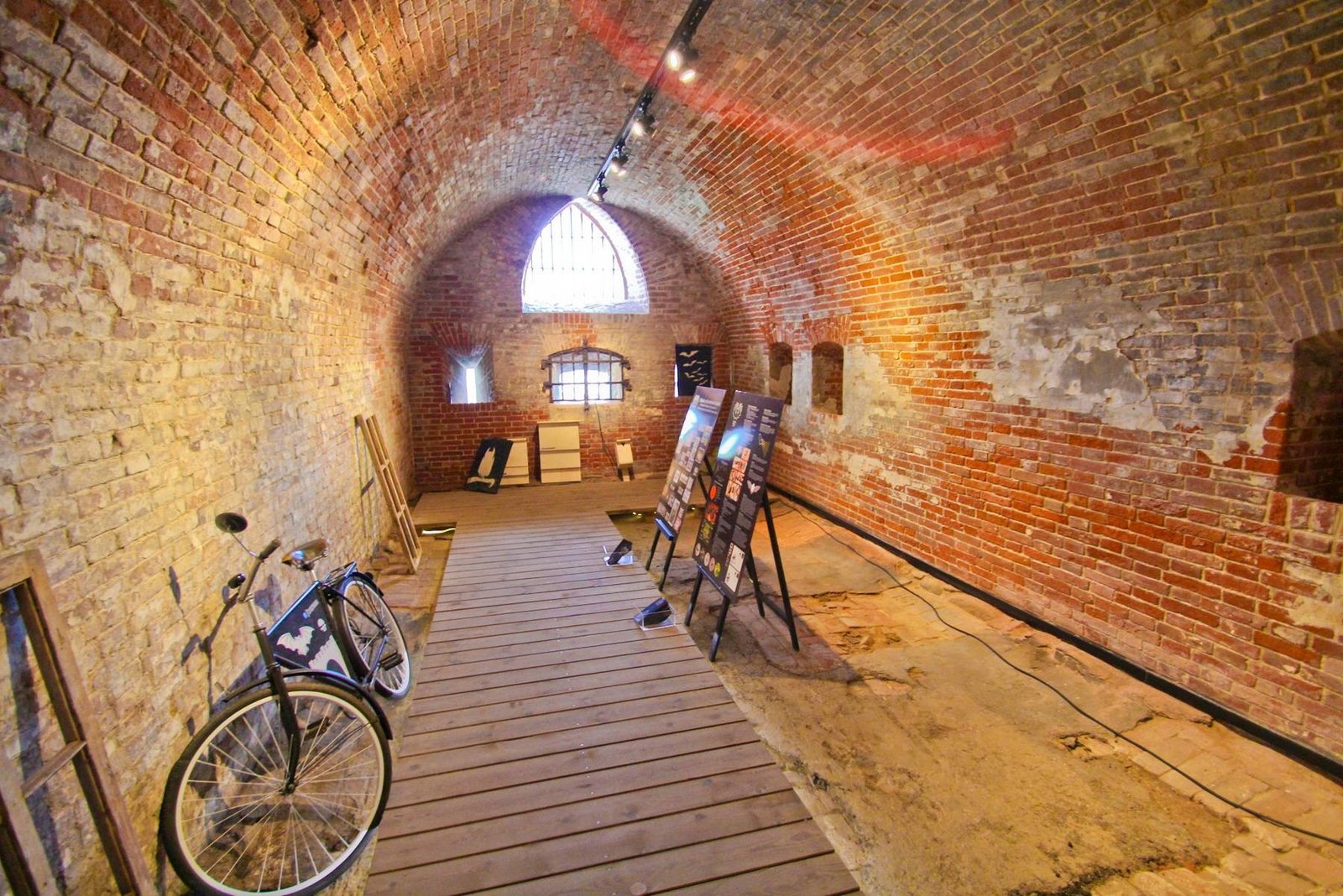
Daugavpils Fortress is home to the second largest wintering bat colony in the Baltic states. The fortress walls hold high humidity, and they keep relative warmth in winter. As a result, the fortress contains a wide range of microclimates. Depending on winter cold and wind direction, bats can find shelter in different places.
In the Bat Centre exhibition, located in the Nikolai Gate of the fortress, you can see bat boxes, a collection of postage stamps with bats, and artworks featuring bats. You can also learn about the bats’ lifestyle and their environment. The exhibition includes photographs of the bats living in the fortress, as well as informational materials and objects that describe their way of life.
Daugpilis with children is a detailed guide for families traveling to this Latvian city.
↩︎ Back to list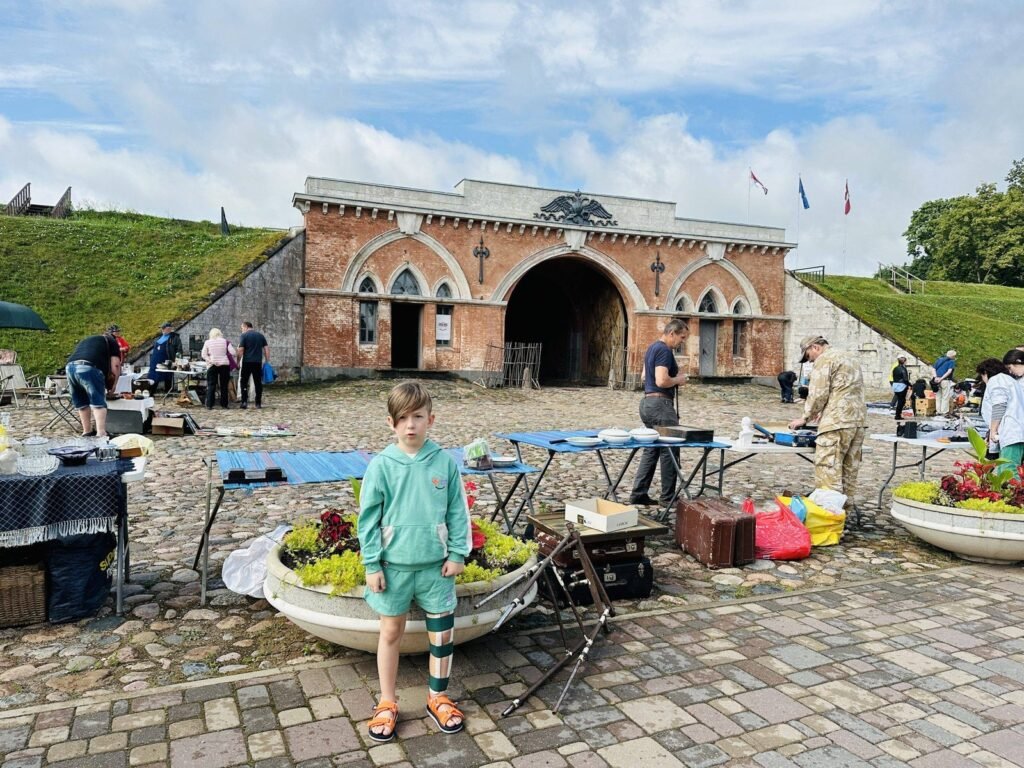
Cēsis Castle (Cēsu pils)
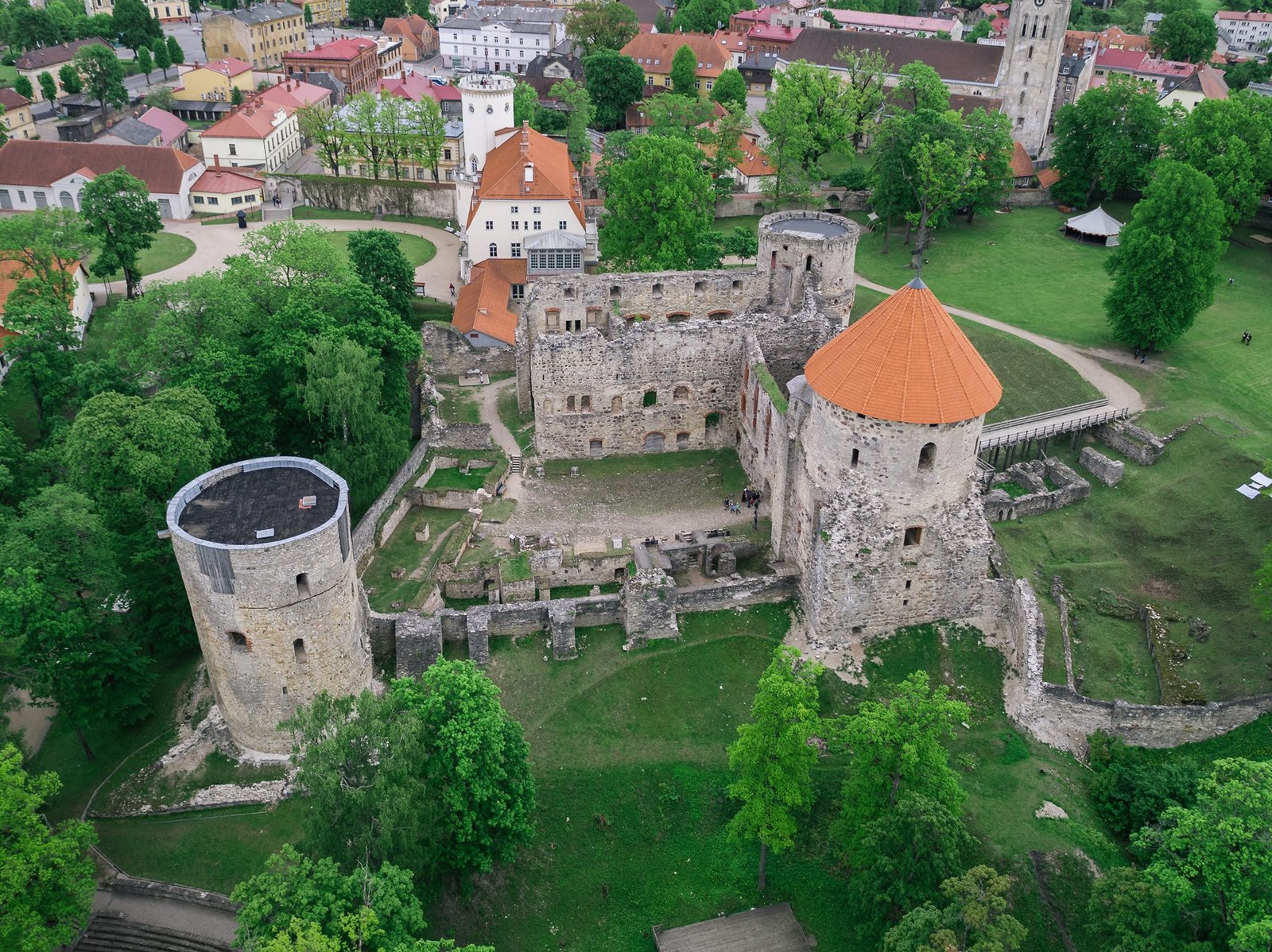
If you want a real, old fashioned castle with history, then Cēsis Castle will suit you very well. It has stood for more than 800 years. In the past, Livonian Order knights lived here. Today, families with children walk the same paths, climb the towers, and go down into the underground spaces with a lantern in hand.
The castle keeps many authentic details: thick masonry walls, towers, and the lower gate. In one tower, you can see a 16th century craftsmen’s room with a very impressive star vault. Children will especially enjoy the fact that you can get a lantern during the visit. You use it to light up the dark corners of the castle. As a result, a walk through the underground areas becomes a small adventure.
Families should also stop at the visitor center. There you can take a special children’s backpack with tasks. It includes activities that help children explore the castle not only by looking, but also by playing: searching, drawing, and counting. It is a very well designed way to engage younger visitors.
In summer, craft workshops operate in the castle courtyard. You can see how a blacksmith or a potter works. Even more interestingly, you can view a medieval garden where old, historical plants grow. The whole setting feels very natural and not overly “rebuilt.” Instead, it looks as if everything stayed the same for centuries.
Next to the castle, you will find the cozy old town of Cēsis with places to eat, parks, and walking paths. Overall, the location works well for a short family stop, both for the castle and for a pleasant walk around it.
↩︎ Back to list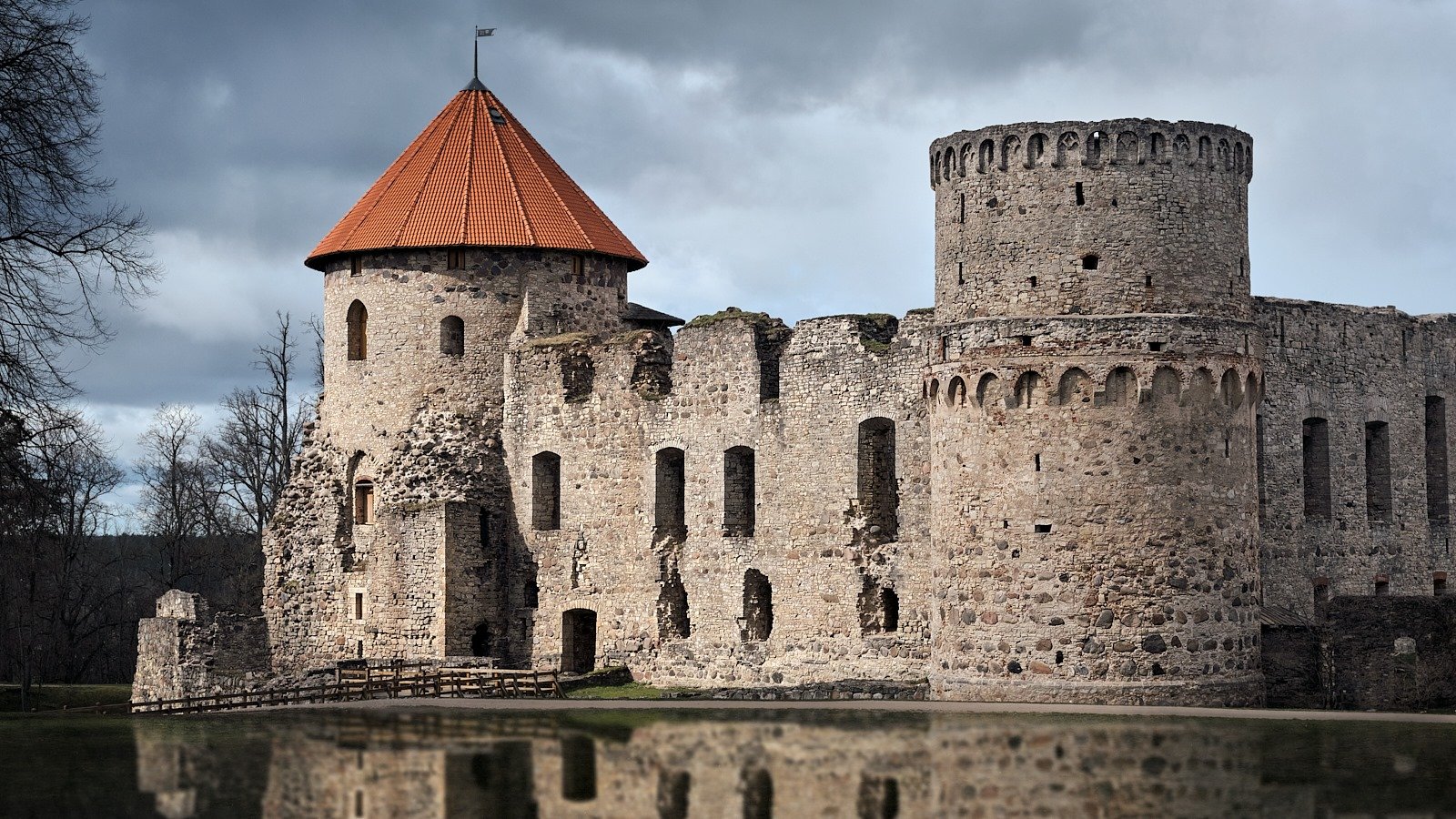
Turaida Castle (Turaidas pils)
Turaida Castle stands on a hill near Sigulda, in the territory of Gauja National Park. It was built in 1214. Today, it is restored in a way that lets visitors not only walk around the courtyard, but also enter the tower and the interior spaces. The castle territory includes a museum complex with exhibitions about Livonian times, archaeological finds, and everyday life in the Middle Ages.
A nearby point of interest is the Hill of Songs, where sculptures dedicated to Latvian folk songs stand. Additionally, it is worth visiting the Turaida church, built in 1750, and the Gutmanis Cave. This is a natural cave linked to the legend of the Rose of Turaida. The whole area is wide and well kept, with marked paths, information boards, and places to rest.
Tickets are paid. However, with one ticket you can visit the entire complex. The place works well for visitors with children. The paths are clear, and in many areas you can use a stroller.
↩︎ Back to list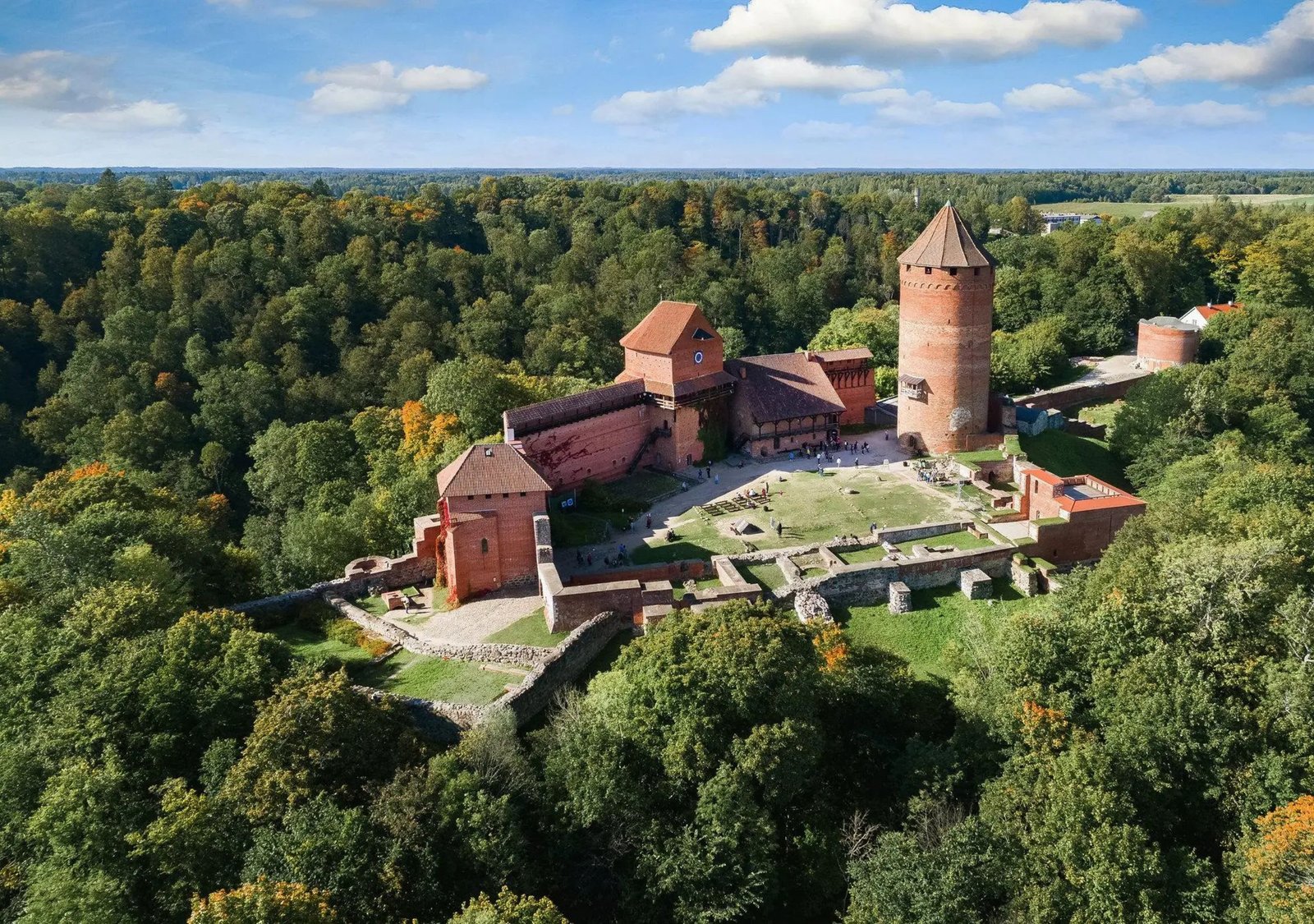
Sigulda Castle (Siguldas pils)
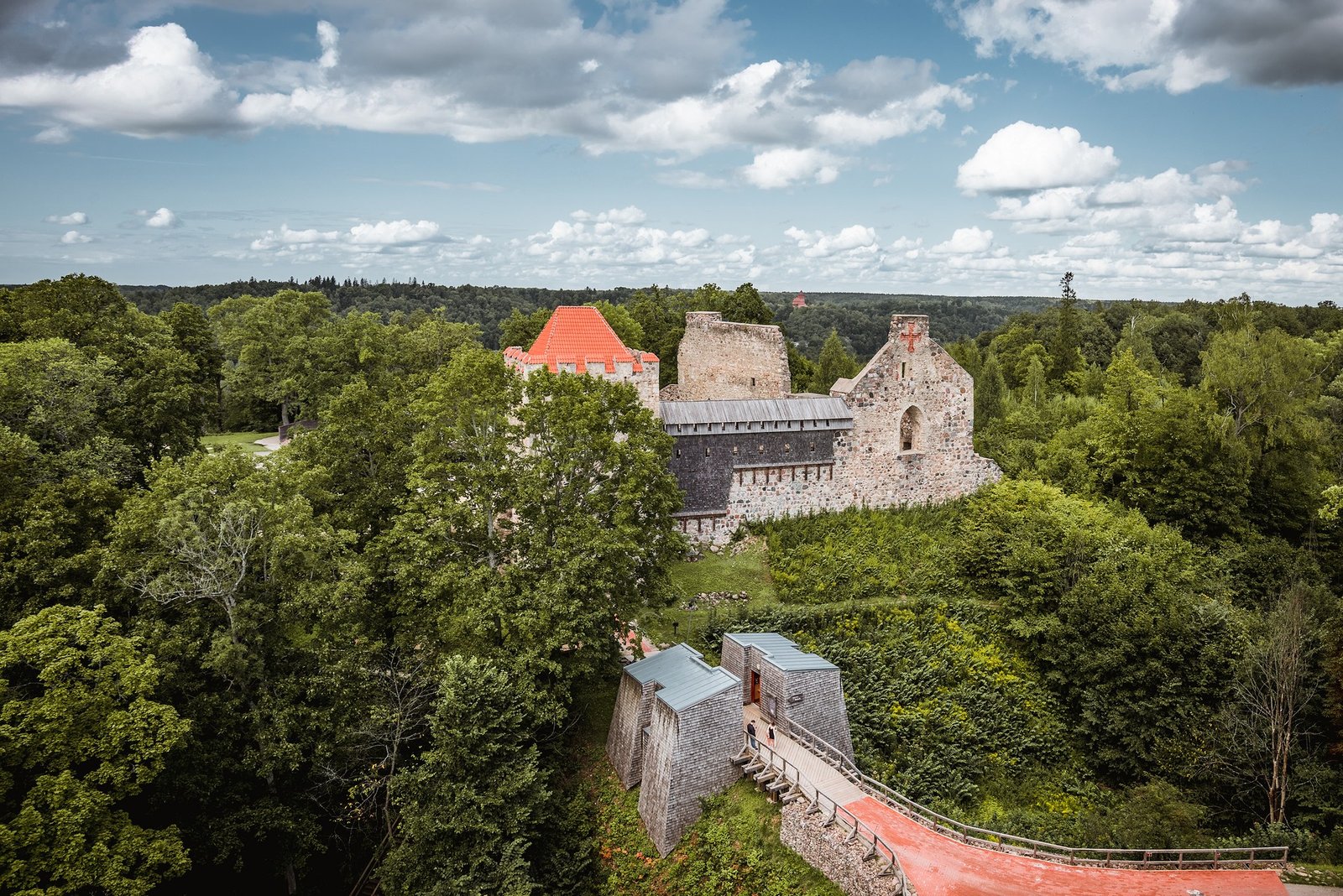
In Sigulda, right next to the new palace building, impressive medieval ruins rise up. This is the Livonian Order castle, built in 1207. This place does not feel like a traditional museum. Instead, you can walk freely across an open area, climb restored towers, look through arrow slits, and spend time among ancient stone walls.
The castle has been restored enough for safe and comfortable visits. Therefore, children will have space to run around. From the towers, you can also see impressive views. In summer, various events take place here, including concerts and craft days. So, if you arrive during such a period, the visit will feel even more fun.
Just a few minutes on foot, you will reach another attraction: the elegant Sigulda New Castle, with a large park and nearby buildings where craftsmen and artists demonstrate their skills. At the moment, a cultural center operates in the palace.
Both castles require paid tickets. However, prices are not too high, and you can also buy a combined ticket.
Did you know that Sigulda stands in the very center of Gauja National Park? It is not only a city with impressive castles. It is also an excellent starting point to explore one of Latvia’s most beautiful nature areas. When you walk around Sigulda, you are actually traveling through Latvia’s largest national park, with scenic valleys, forests, cliffs, trails, and legends. Read about our family vacation in Gauja National Park.
↩︎ Back to list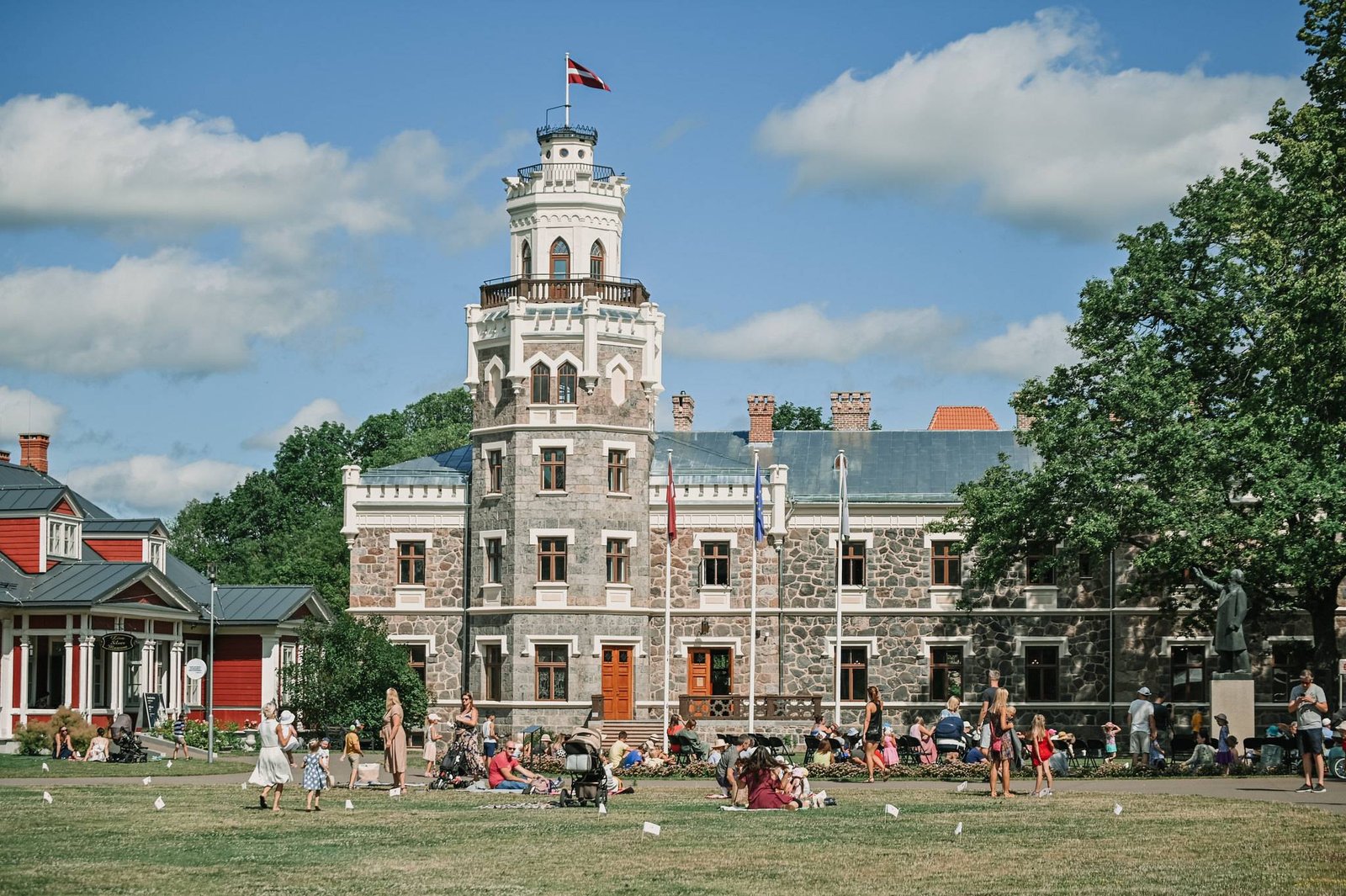
Ventspils Livonian Order Castle (Ventspils Livonijas ordeņa pils)
As you walk along this promenade, you will reach a true historic pride: the Livonian Order Castle. It has been rebuilt many times. Still, it has successfully survived to the present day. Today, it is the oldest convent type castle in Latvia, built in the 13th century in the 1290s. In 2002, the restoration of the castle received the Grand Latvian Architecture Award.
The Ventspils Museum now operates inside, and people consider it the most modern in the entire Baltic region. The museum includes the digital exhibition “Living History” (Dzīvā vēsture), dedicated to the history of the castle, the city, the port, and the Ventspils region. The Latvian Culture Foundation awarded it as the first digital exhibition among Latvian museums. The permanent exhibition covers the period from the first people settling in the Ventspils area up to today. The castle also has the prison exhibition “State bread” (“Kroņa maizē”), which tells about the time when some rooms in the castle served as prison cells. A gallery of images also draws attention.
The castle hosts events throughout the year. For example, art and historical exhibitions, concerts, and cultural events take place regularly, as well as charity events. For younger visitors, museum staff offer educational lessons. There are also creative workshops where children can learn about Ventspils history in an engaging way. In the castle courtyard, everyone can test their aim with archery. Additionally, with advance registration, you can even fire a real cannon.
Ventspils with children is a detailed guide for families traveling to this Latvian city and looking for places to visit.
↩︎ Back to list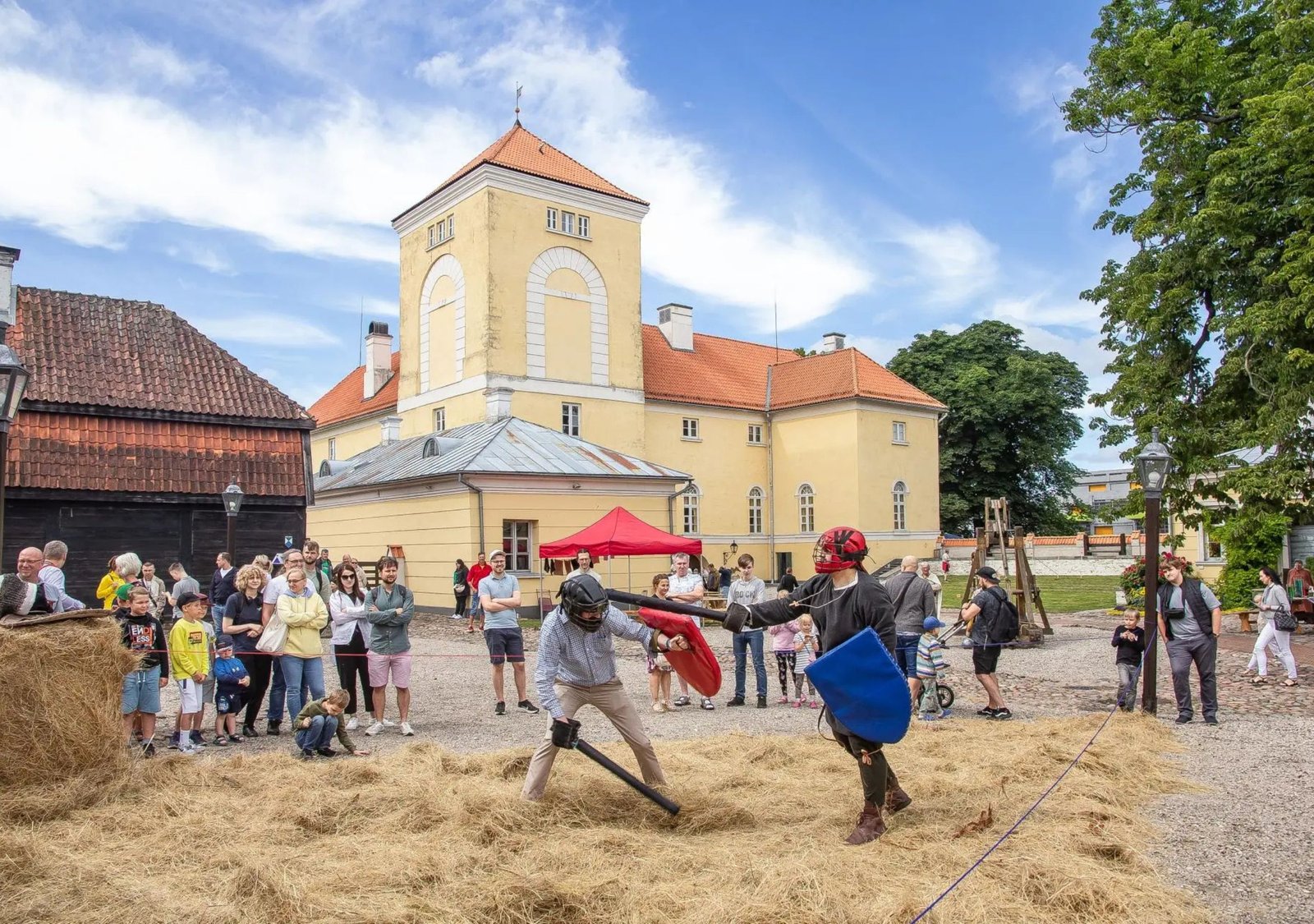
Riga Castle (Rīgas pils)
Riga Castle is one of the most prominent landmarks on Latvia’s capital map. It stands on the bank of the Daugava River, right next to the Old Town. At first glance, it looks like a calm, yellow and white complex with towers. However, behind these walls you can find a long and genuinely interesting history.
Riga Castle was first mentioned in 1330, when the Livonian Order built it here. Later, it belonged to the rulers of the Polish Lithuanian Commonwealth, then to Sweden, then to the Russian Empire. Since 1922, it has served as the residence of the President of Latvia. Even though the castle looks more representative than mysterious from the outside, it is still worth visiting with the whole family, not only for the history but also for the museum inside.
The Latvian National History Museum operates in the southern wing of the castle. It is included in our list of the best museums in Latvia. Here, the museum presents the country’s history from the first inhabitants to events of the 20th century. The exhibitions are clearly arranged. Additionally, children may enjoy seeing how clothing, daily life, and even weapons changed over time. There are also educational activities for families. So, if you want more than just a walk through, you can book extra activities.
Read about what to do in Riga with children in our guide.
↩︎ Back to list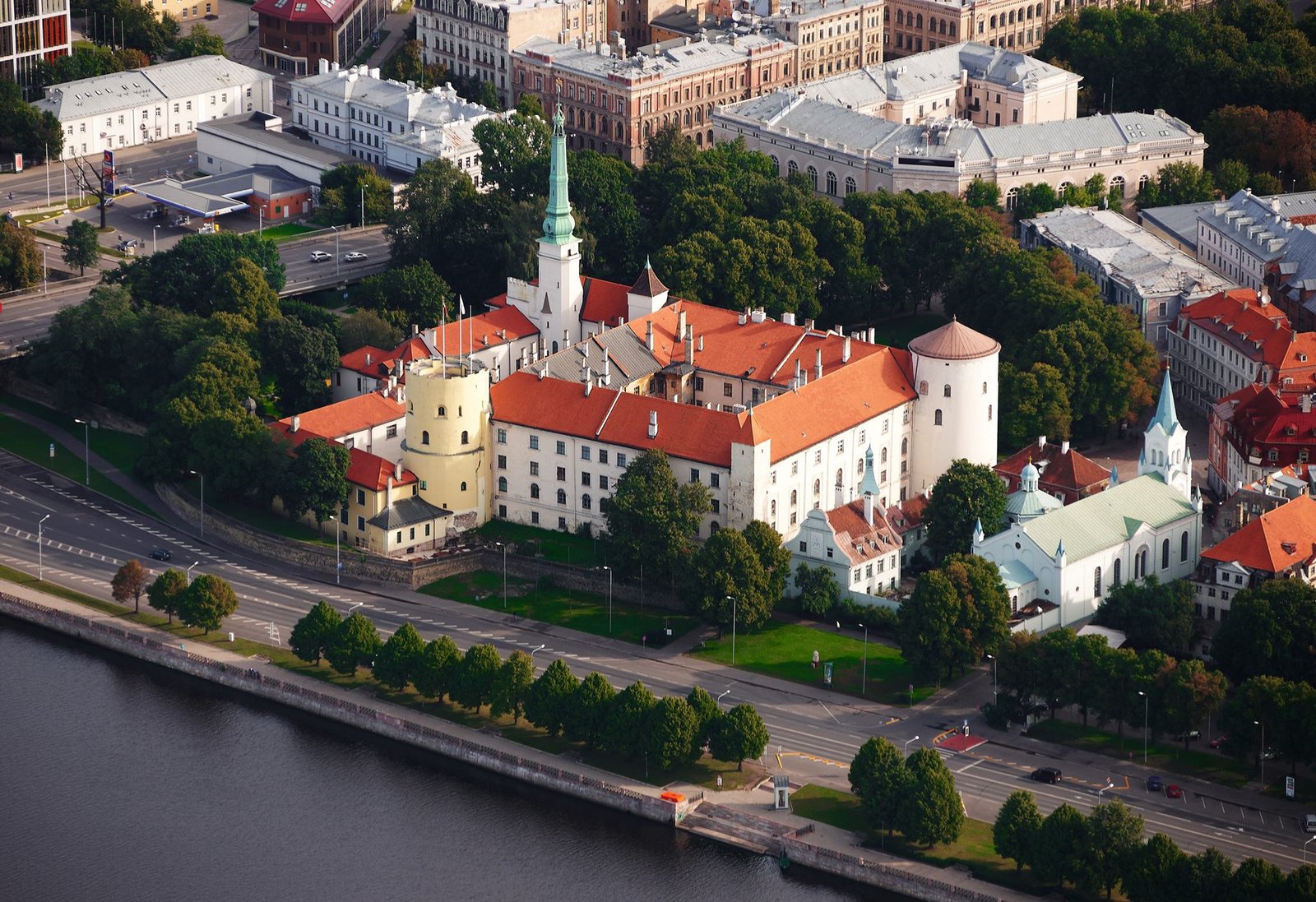
Bauska Castle (Bauskas pils)
When you drive to Rundāle or toward Riga, it is worth stopping in Bauska. Here you can see one of the most beautiful castles in Latvia, or more precisely, two castles in one place. On a high peninsula where the Mūša and Mēmele rivers meet, you will find the ruins of the Livonian Order castle. Next to them stands the later residence of the Dukes of Courland and Semigallia.
With children, you will definitely have things to do here. The castle territory is well maintained. You can walk around and view the old walls, climb the tower, and enjoy the view of the river confluence. You can also play outdoor games. Most importantly, you can join educational programs. You can wear historical costumes, learn old manor games, shoot with a bow, or even fire a cannon. These activities require advance organization. Still, even without a reservation, you will have plenty to see.
The castle museum operates in the restored 16th century section of the Dukes of Courland, which preserves Mannerism features. Here you can learn about the castle’s development, the dukes’ life, and even see how cannon bastions were built. Entry to the museum is paid, and children receive discounts. In summer, the museum works daily from 10:00. In winter, it works for shorter hours, so it is worth checking the time before you go.
There is a parking lot nearby, and you will also find a WC on the territory. Even with a short stop, this place can leave many impressions, especially if children love castles, swords, and adventures.
↩︎ Back to list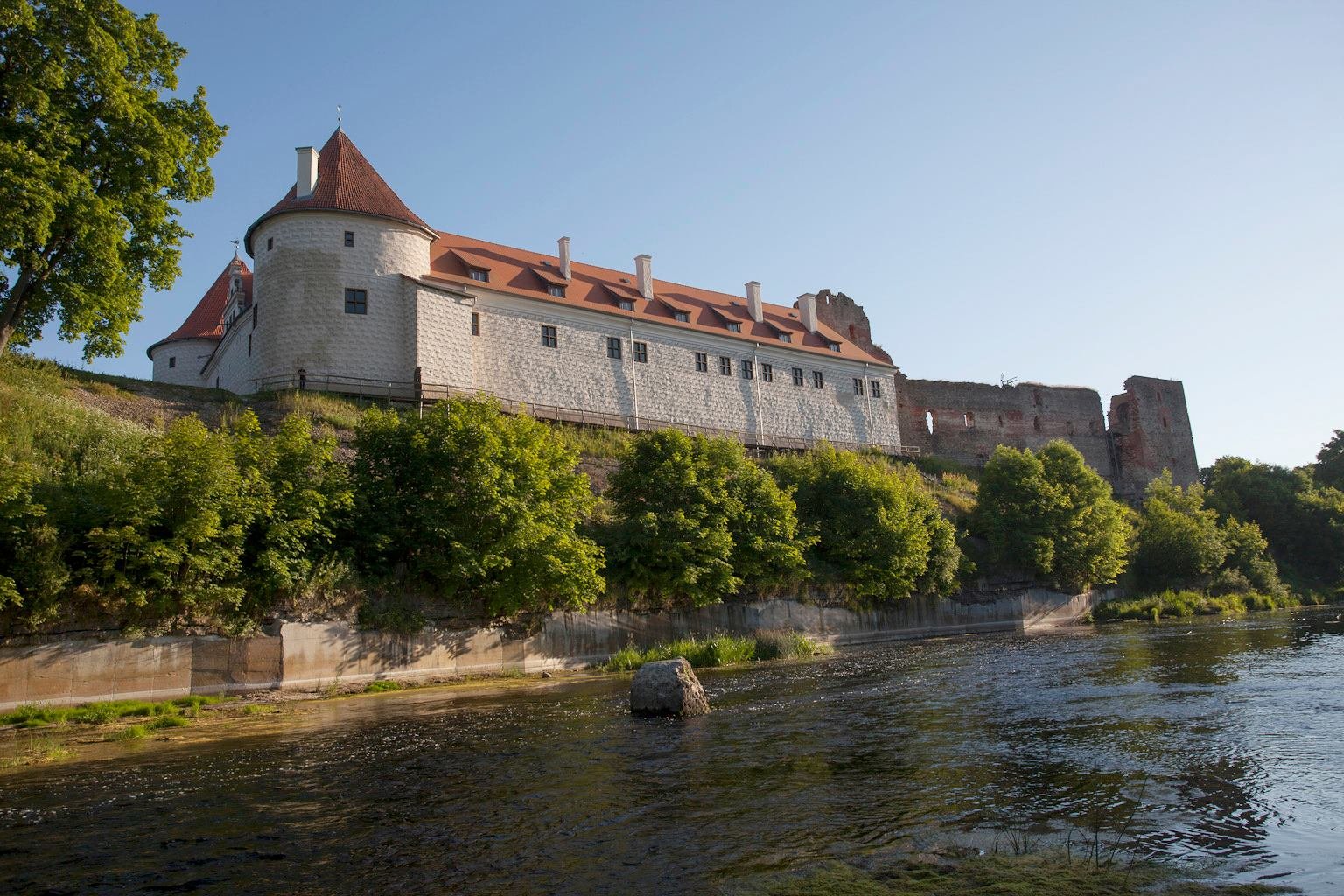
Jaunpils Castle (Jaunpils pils)
As you enter the quiet town of Jaunpils, your eyes immediately turn to a fairytale like castle. It is one of the oldest Livonian Order fortresses in Latvia, built in 1301. At first, it served as a defensive castle with a drawbridge and water filled moats. Over the centuries, however, it turned into a manor. Today, it offers a real discovery for families.
The castle keeps many authentic details: thick walls, old staircases, knights’ halls, impressive cellars, preserved furniture, weapons, and even coin collections. Museum exhibitions are arranged in the oldest part. If you choose a theatrical tour or a service package with medieval lunch, you can also meet characters from old times.
Educational activities take place in the courtyard. Creative workshops also operate there. You can shoot with a bow. Additionally, you can even book a night inside the castle, because a hotel operates here. For children, sleeping where knights once lived feels truly memorable.
↩︎ Back to list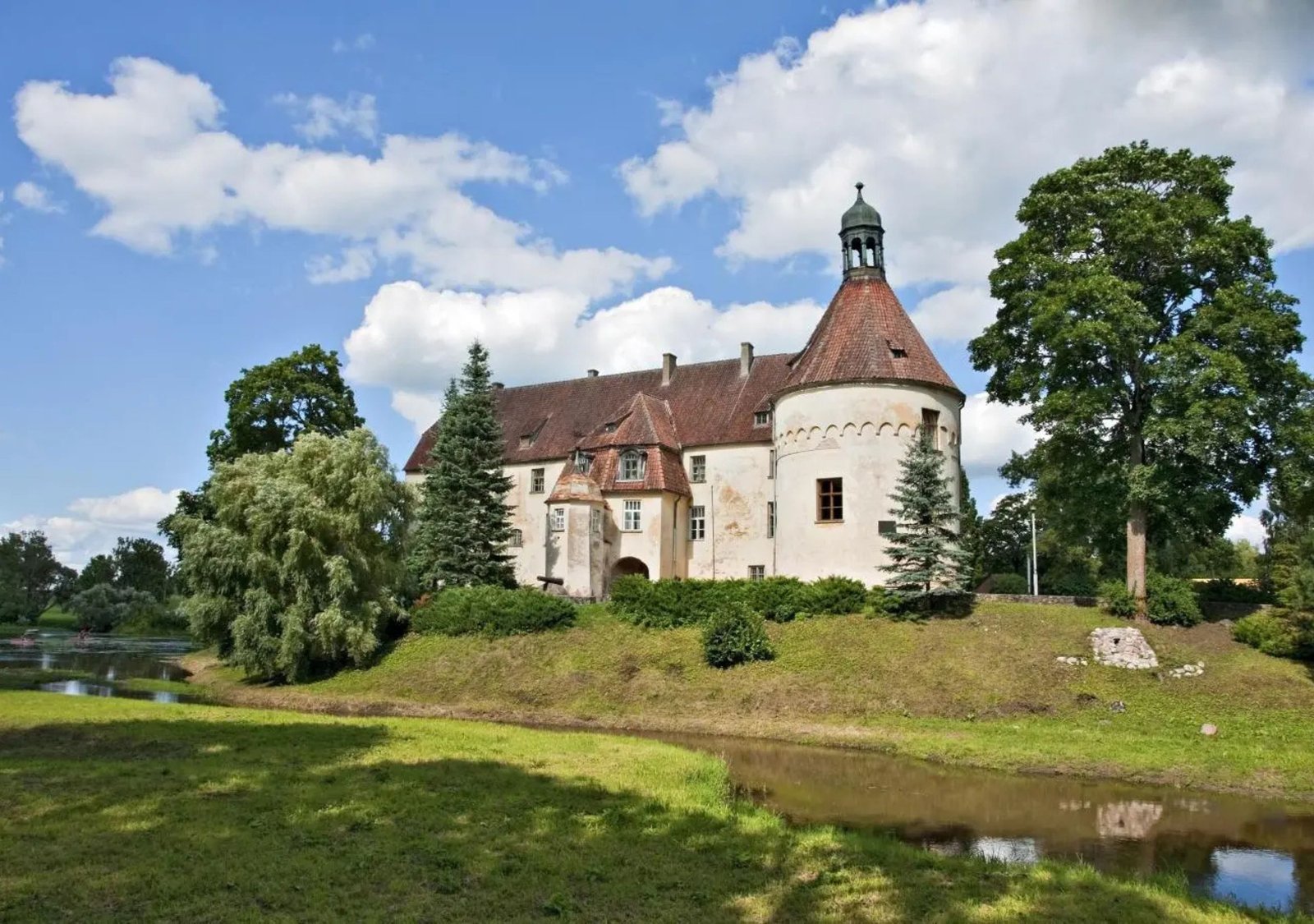
Vecsaliena Manor Castle (Vecsalienas pils)
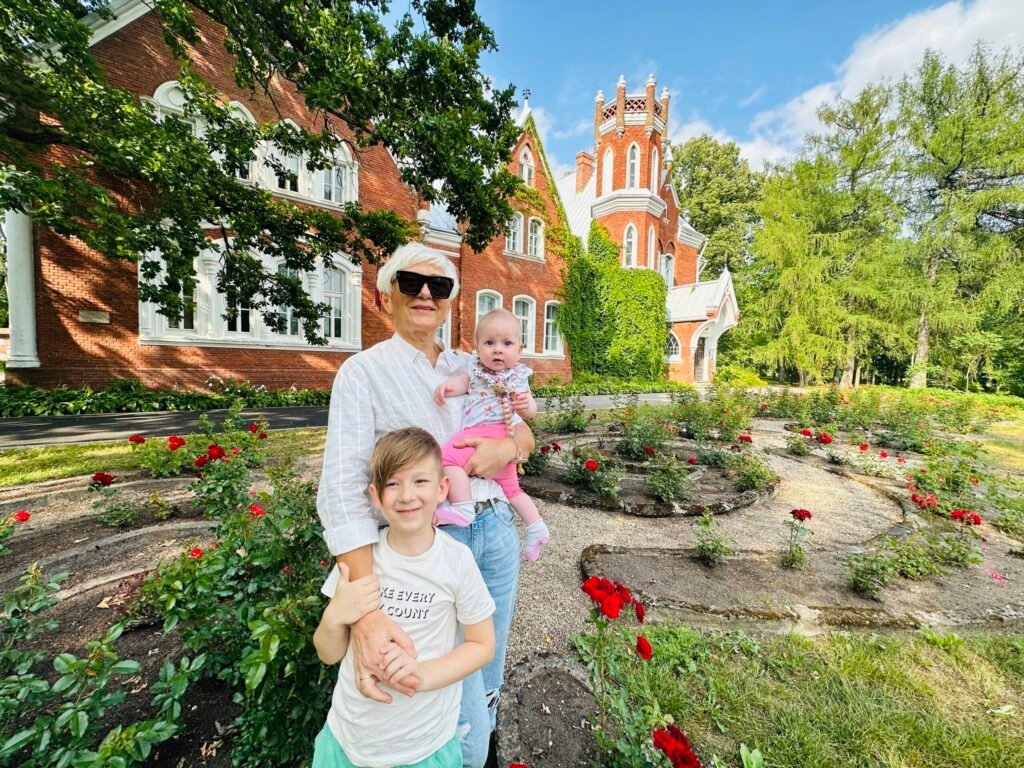
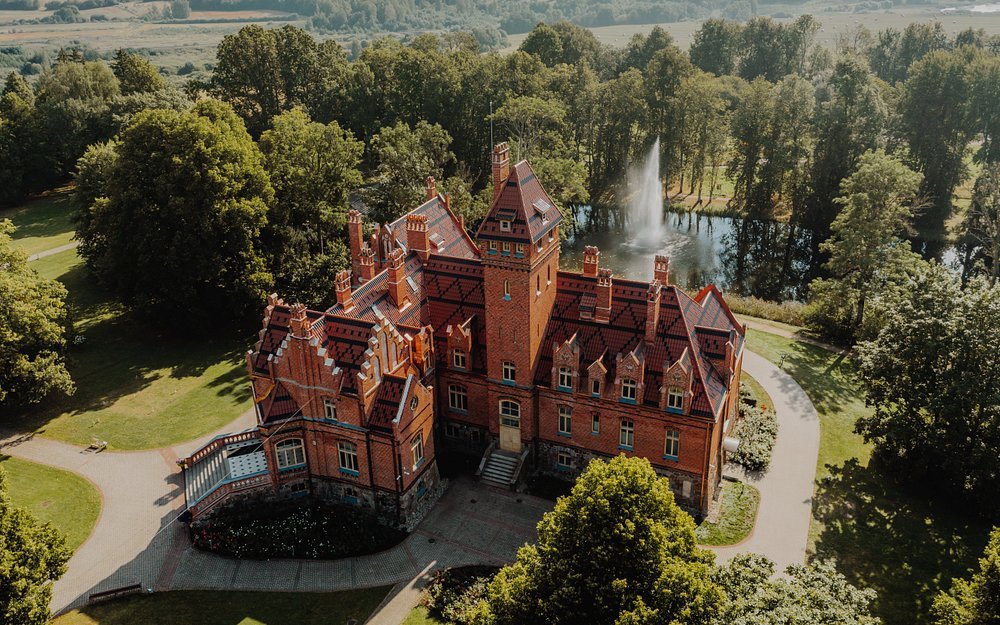
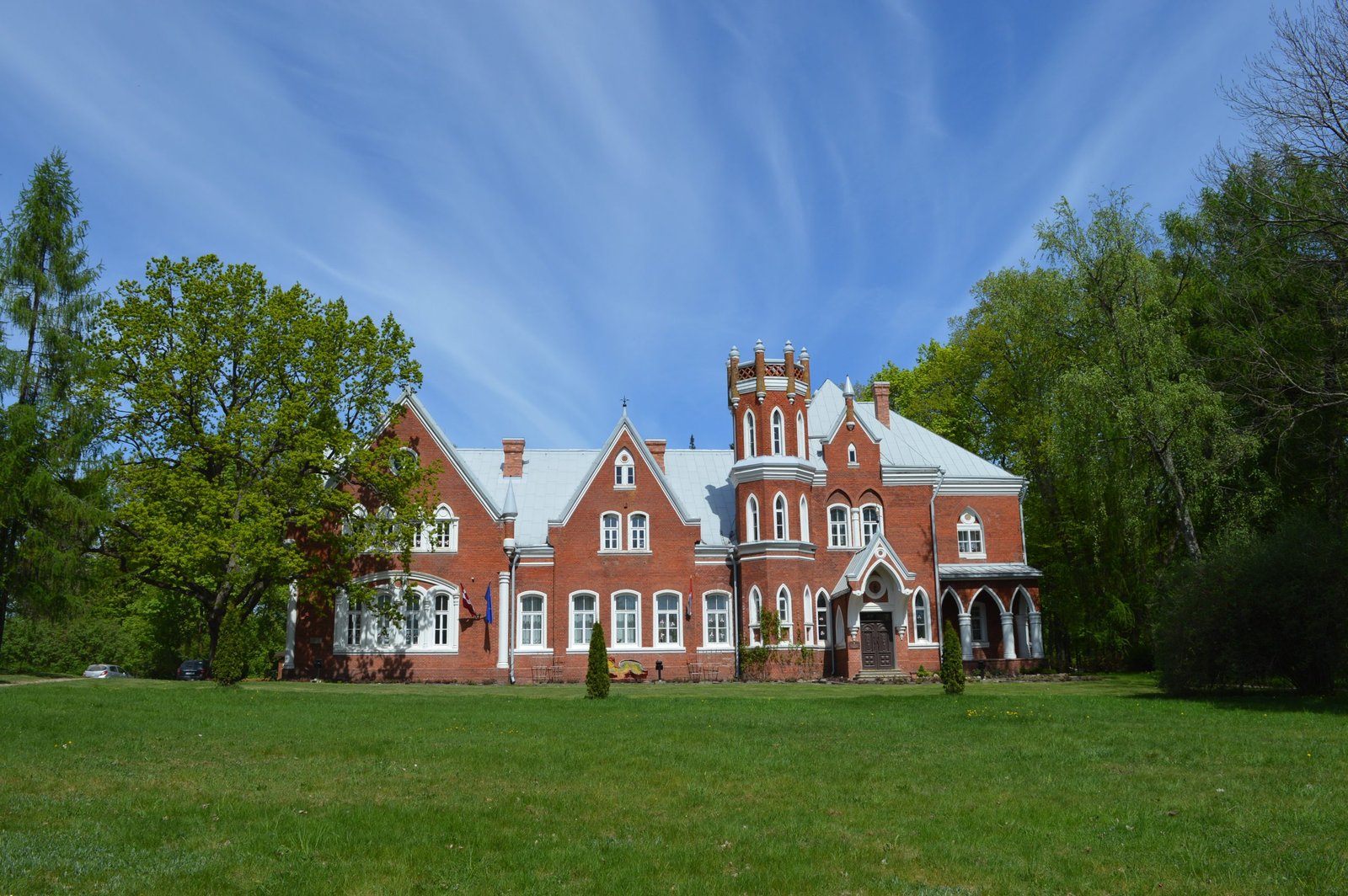
If you visit Daugavpils Fortress or plan a trip around this region of Latvia, then stop at an impressive place that not all tourists have discovered yet: Vecsaliena Castle, also known as Červonka. It was built in 1870. Its red brick Neo Gothic style, with turrets, pointed windows, and fairytale shapes, will truly impress both children and adults.

The castle stands in a quiet park of about 3 hectares, so you can enjoy a walk there. Entry to the territory is free. However, if you want to join a guided tour, you should arrange it in advance. Therefore, it is best to ask about availability and conditions before you arrive.
This is not a museum with exhibitions or interactive attractions. Still, the place itself feels very cozy, calm, and interesting for both children and adults.
Cesvaine Castle (Cesvaines pils)
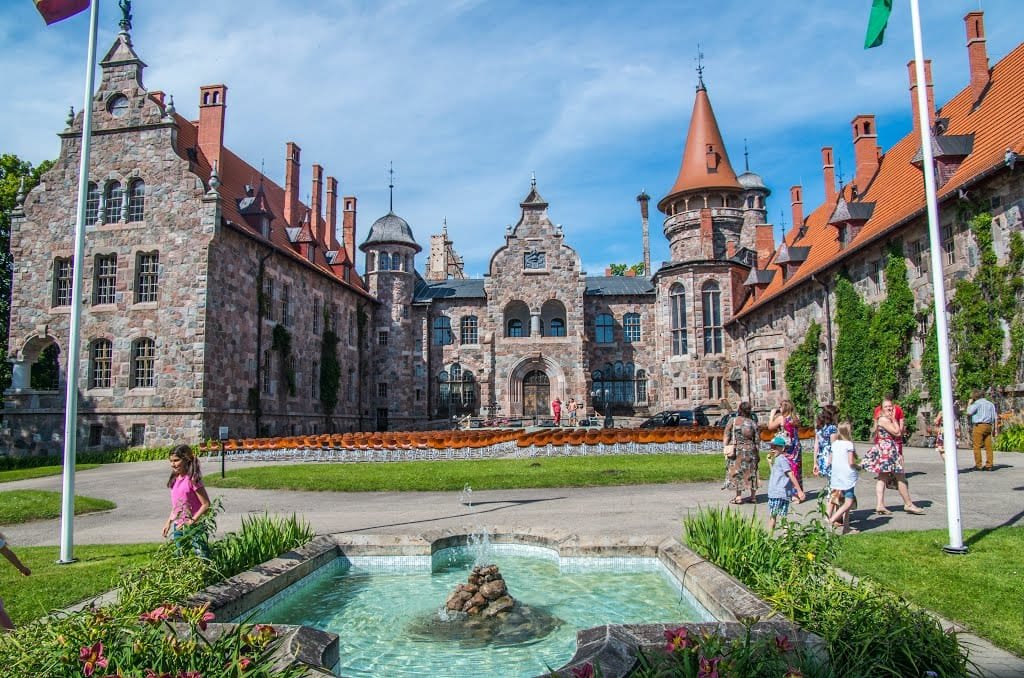
If you travel through Latvia’s inland areas, then stop in Cesvaine. One of the most impressive castles in Latvia stands here, and its style can remind you of movie scenes. It was built at the end of the 19th century. It served as the residence of the German noble von Wolff family, with a tall tower, massive stone walls, distinctive windows, and a large, well kept park area around it.
The castle will really leave an impression. You can climb the high tower, wander the staircases, and see fireplaces, stained glass, and wooden details. Part of the building suffered damage in a fire earlier. However, a significant part has now been restored and opened to visitors. You can enter halls, see the interior spaces, and from the top of the tower you can view the town and the park.
A very beautiful and spacious park surrounds the castle. In the warm season, educational activities take place here, and sometimes living history events happen as well. If you want a more tourist style visit, you can book a guided tour in advance.
↩︎ Back to list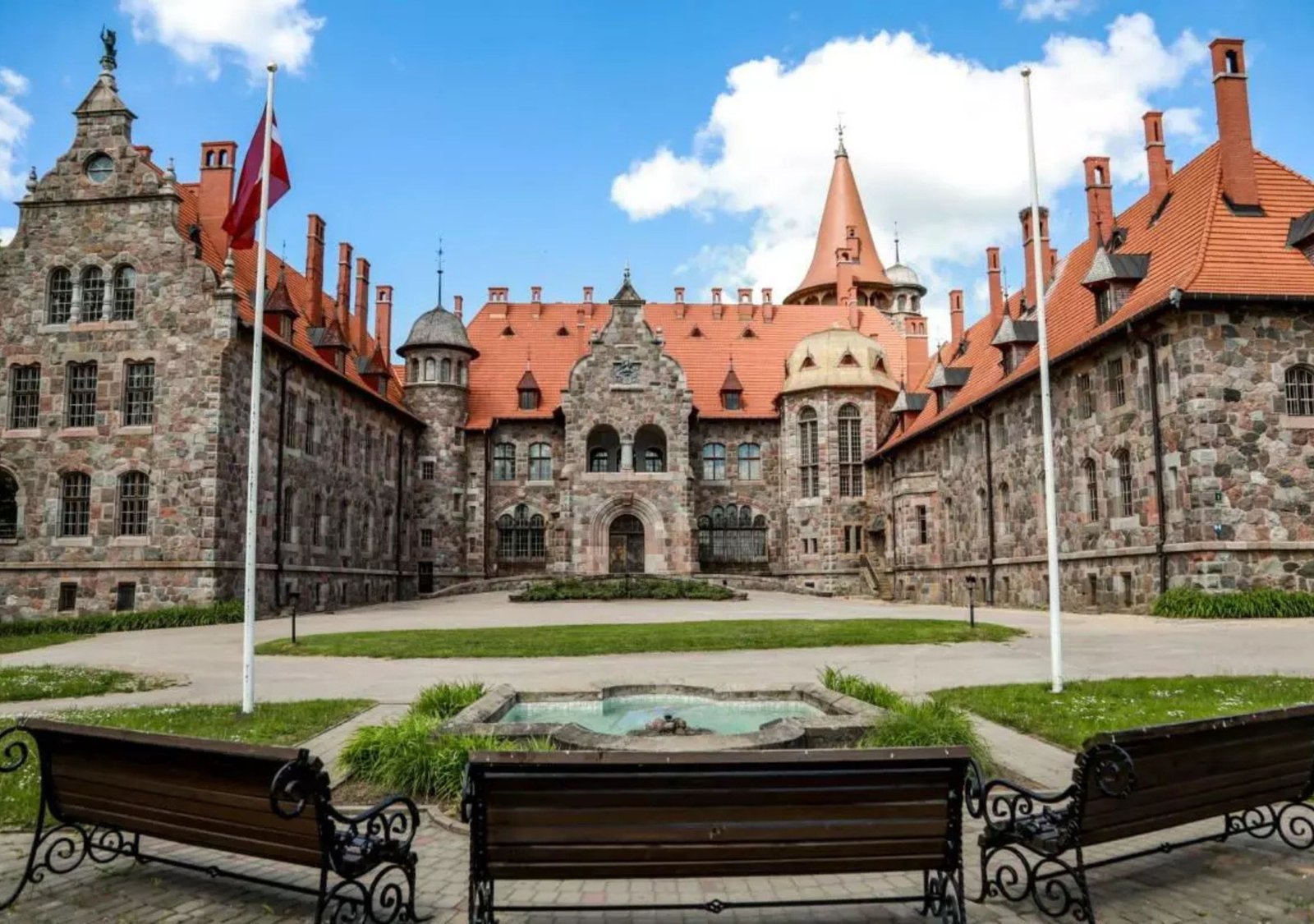
Stāmeriena Palace (Stāmerienas pils)
Stāmeriena Palace (Stāmerienas pils) is one of the most beautiful places in northern Latvia, especially if you plan a trip toward Gulbene. The palace stands right next to a lake, surrounded by an English style park.
The von Wolff family built the palace in the mid 19th century. After the 1905 revolution, the manor suffered major fire damage. Later, it was rebuilt by combining Neo Renaissance, Art Nouveau details, and Tudor style features. Today, it is a white, elegant building with turrets, large windows, and a big terrace with a view of the water.
Although the palace did not preserve all authentic interiors, some spaces have been restored, and part of the building is open to visitors. You can book a tour led by local guides. They tell stories about the palace history, legends, former residents, and today’s revival. Tours require advance arrangement.
During the season, various events take place, including concerts, art exhibitions, and educational activities for families.
↩︎ Back to list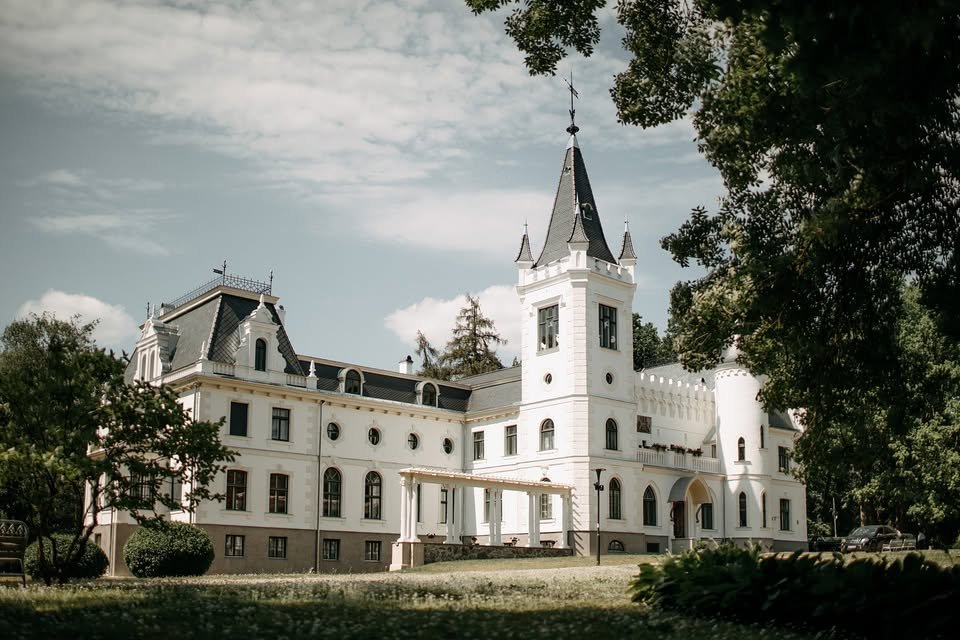
Jaunmokas Manor (Jaunmoku pils)
If you drive toward Latvia’s coast or visit the Tukums area, then it is very worth stopping at Jaunmokas Manor. It is an impressive Neo Gothic building, built in 1901 as the Riga mayor’s hunting manor. The red brick façade, pointed roofs, and decorative details create a fairytale look that catches your eye immediately. Even more interestingly, the interior offers a lot as well.
The Forest Museum operates here. It is one of the most modern exhibitions in Latvia on this theme. Here you can see how forestry works, learn which animals live in Latvia’s forests, and even touch old hunting tools or explore forest sounds. So, if children enjoy animals, nature, or interactive exhibitions, this museum can feel very interesting.
When traveling as a family, it is important to have space to move around. Around the manor, a nearly 10 hectare park stretches out, with a rose garden, ponds, old trees, sculptures, and walking paths. In summer, you can not only walk there, but also stop at the nearby café or spend time on the terrace.
Another advantage is that the manor offers educational activities for children, often connected to nature themes, such as tree recognition, stories about forest animals, and creative workshops. You can also book a guided tour. Additionally, you can arrange accommodation in advance, either in the manor itself or in nearby rooms.
This is a very convenient place for a family stop, because you can walk, learn, and rest in one place. If you travel longer, it can also be worth staying overnight, since the location offers options for that.
↩︎ Back to list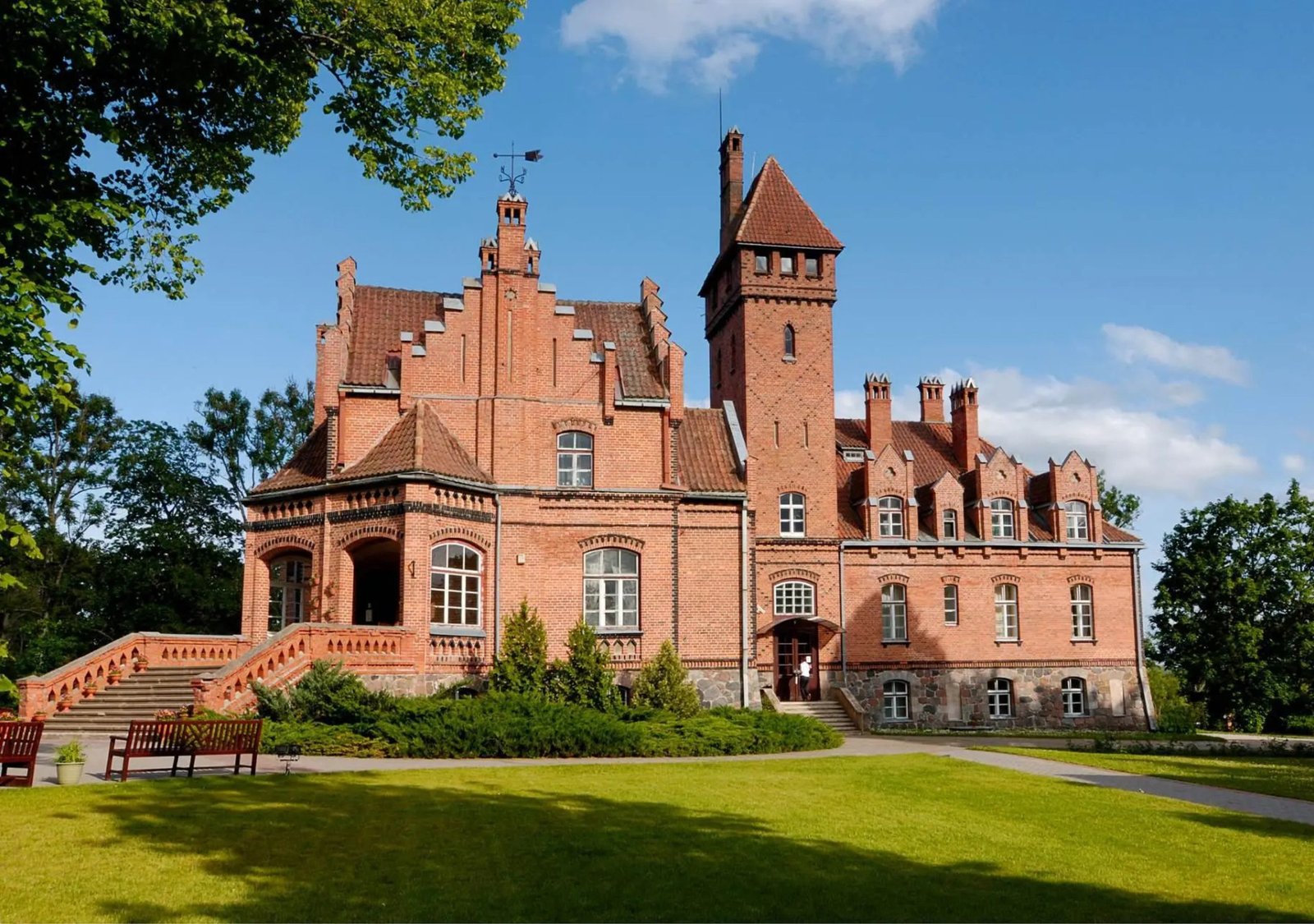
Ēdole Castle (Ēdoles pils)
If you travel around Courland, do not miss Ēdole. Here, next to a lake, one of the oldest surviving castles in Latvia stands. Ēdole Castle was built in the 13th century as a Livonian Order convent fortress. Later, in the 19th century, it was rebuilt into a Neo Gothic style palace. It stands out with its red brick façade, a mysterious inner courtyard, and a tower you can climb.
Inside, part of the rooms have been renovated. You can walk along old corridors, see halls and a cellar, and for deeper insight, you can book a guided tour. Guides talk about the castle history, architecture, and also legends, for example, about the Red Room with strange symbols, or the palace chapel that holds an old secret.
The surroundings are very beautiful. A large park with old trees, paths, and a view of Lake Ēdole surrounds the castle.
↩︎ Back to list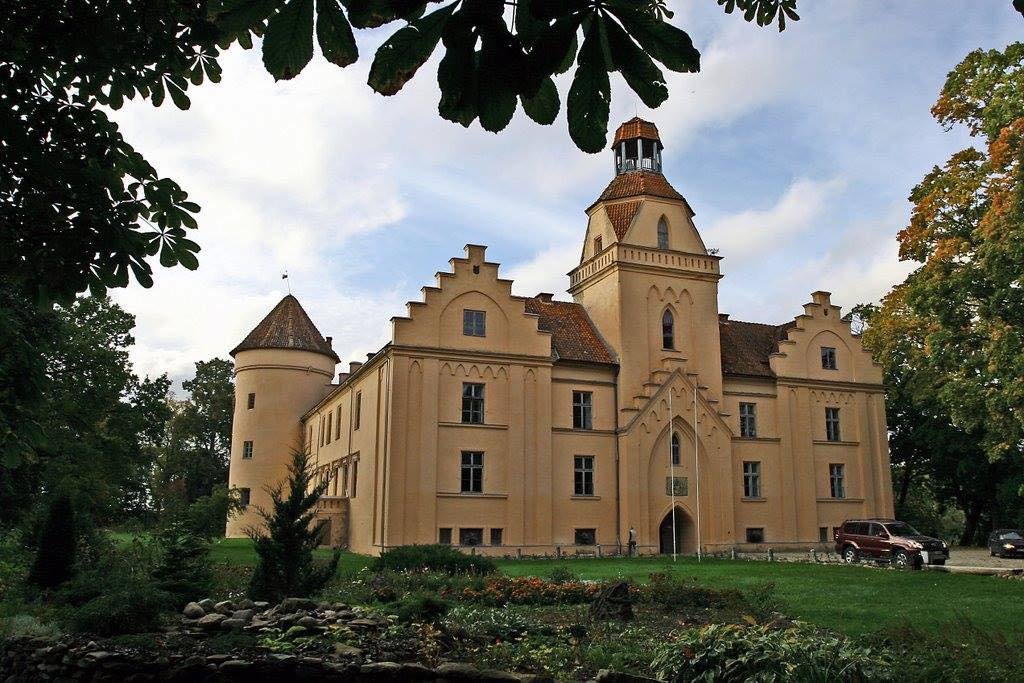
Dobele Castle (Dobeles pils)
If you travel in southern Latvia or drive toward Jelgava, it is worth stopping in Dobele. Here you can see impressive medieval castle ruins. Dobele Castle was built around 1335 to 1347 on the site of an old Semigallian castle. Today, it is one of the oldest and historically significant Livonian Order castles in Latvia.
Although the castle remains are ruins, the place is well maintained. You can walk among the old walls, climb the surviving tower, and look out over the town and the Bērze River. In 2020, the castle chapel was restored. Additionally, a modern culture, crafts, and tourism center was set up nearby, where events, exhibitions, and educational activities take place.
Children may enjoy seeing more closely how a medieval castle looked and where knights lived. If you visit during the season, you can also combine it with a guided tour. There are information boards, as well as a place to sit or have a snack. Therefore, even a short stop can be worth it.
↩︎ Back to list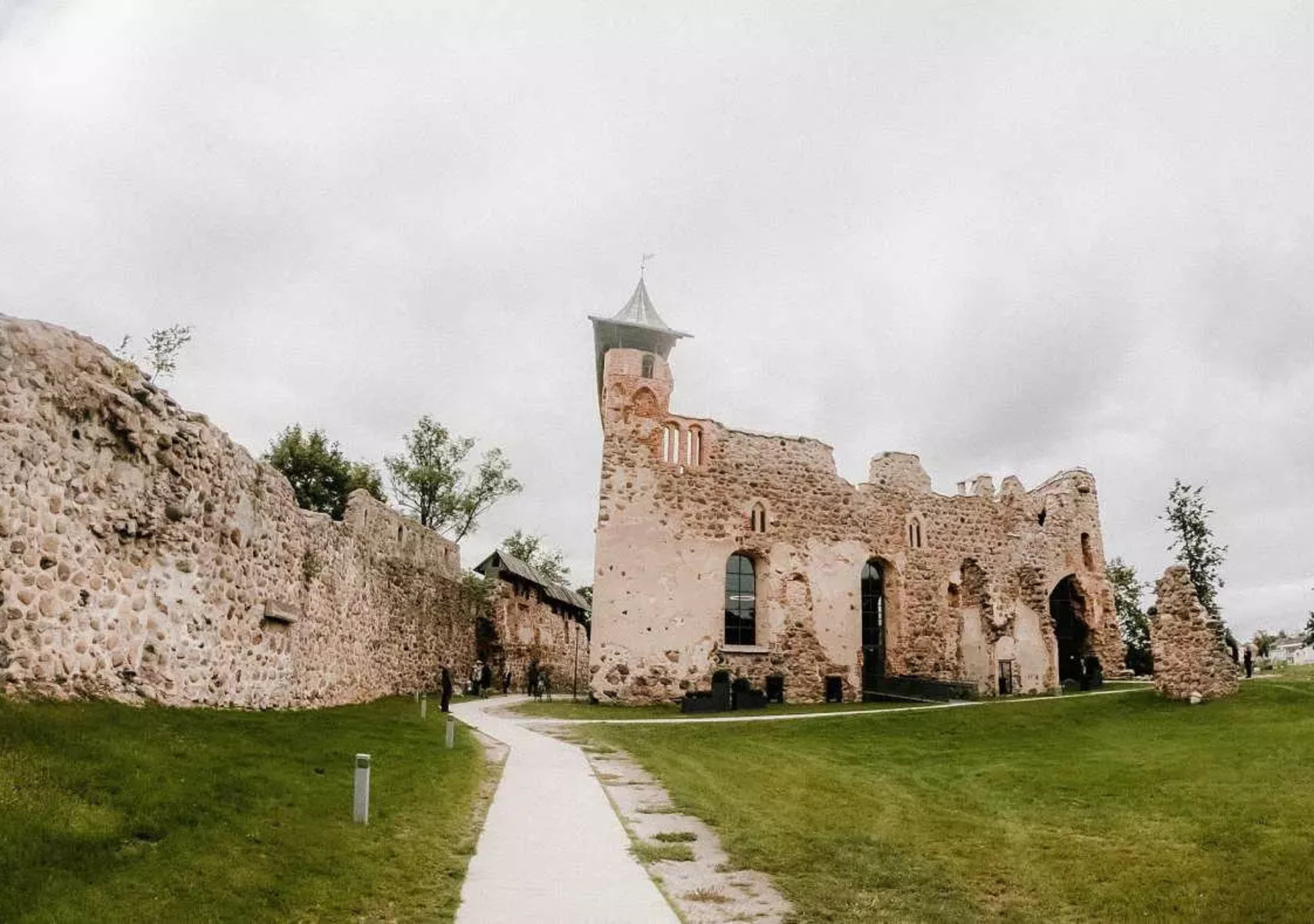
Lielstraupe Castle (Lielstraupes pils)
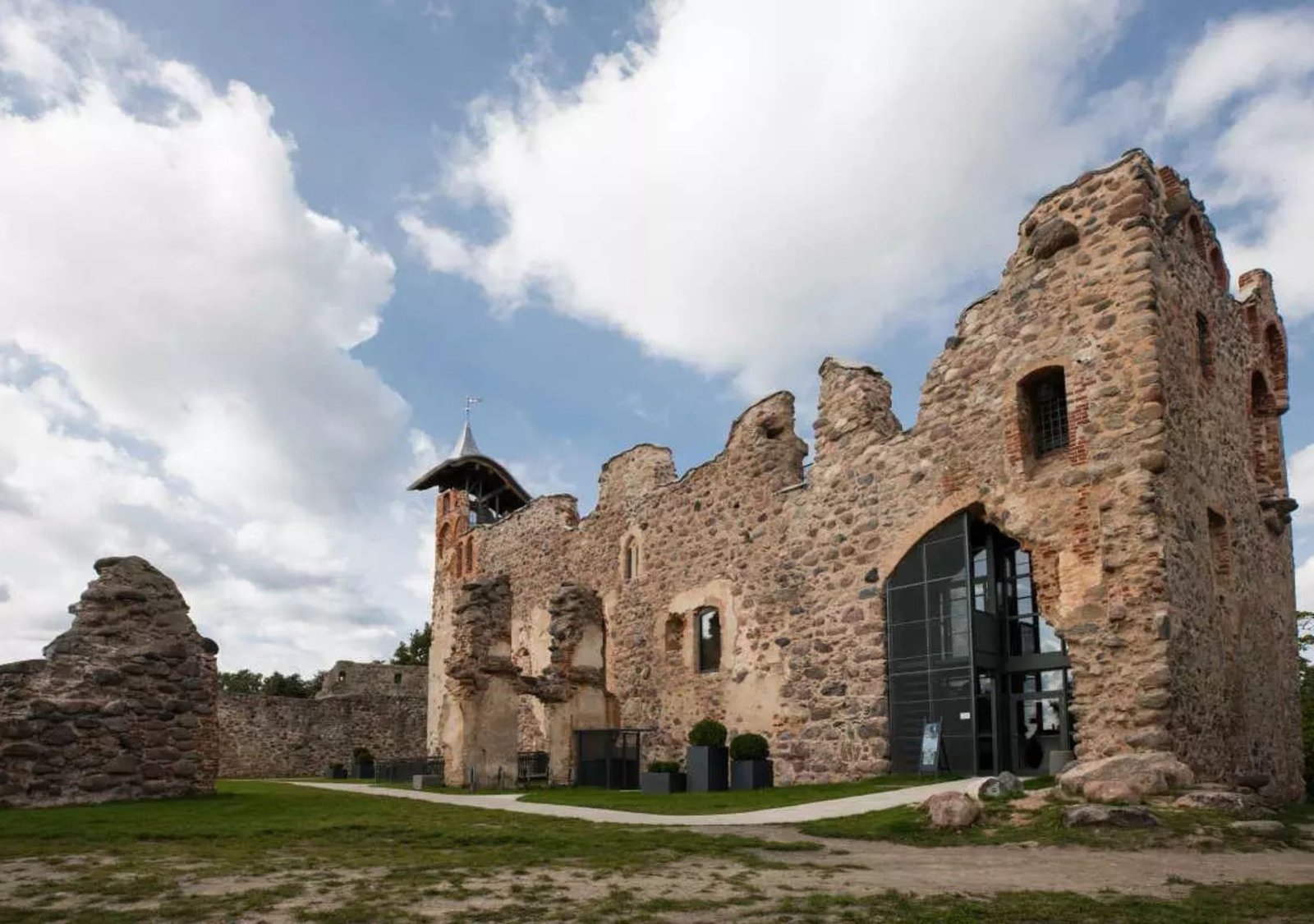
Lielstraupe Castle (Lielstraupes pils) is one of the most authentic medieval castles in Latvia, and it has preserved its original architecture. If you travel around Sigulda or drive through Vidzeme, this place can become a real discovery.
The castle stands in the town of Straupe, right next to the main road. Not only a 14th century defensive tower and the palace wings remain here. There is also a rare architectural feature: a church connected to the castle. There are only a few such complexes in all of Latvia, and this one is among the oldest and best preserved.
For a long time, until 2018, a psychoneurological hospital operated in the castle. At first, this might sound unusual. However, because of that, the buildings were not abandoned. People maintained them, and many details survived. Now the buildings belong to the Cēsis municipality, and they are gradually opening to visitors.
Visitors can view part of the castle independently or join a tour with a local guide. During tours, guides talk not only about the castle history, but also about restoration, life during the Soviet period, and the local community.
Around the castle you will see a small but pleasant park with ponds, benches, and a wooden bell tower.
Alūksne Castle ruins (Alūksnes pils)
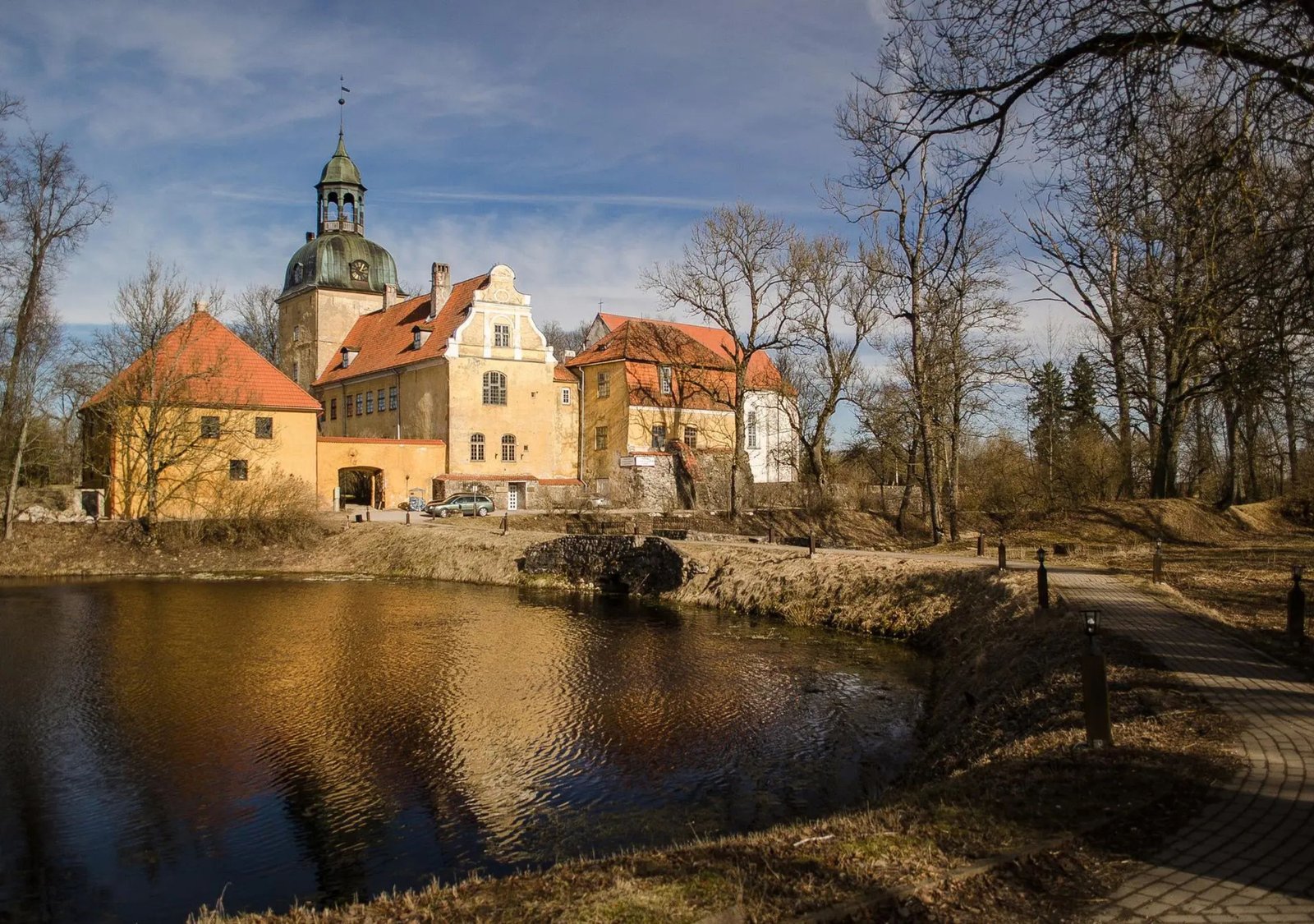
Alūksne Castle ruins (Alūksnes pils) are impressive remains of a Livonian Order castle. You can find them in a scenic spot on an island in Lake Alūksne, called Castle Island. It is worth stopping not only for the history, but also for the cozy environment created for walks. From the city center, you can reach the island on foot via a bridge.
The castle was built in the 14th century. Over time, wars damaged it repeatedly. Therefore, today you will see ruins with walls and gates.
The island offers a beautiful landscape, with walking paths, benches, and trees. This is not a museum or a paid attraction. Entry is free, and information about the castle appears on outdoor boards. So, it works very well for a short stop on the way.
↩︎ Back to list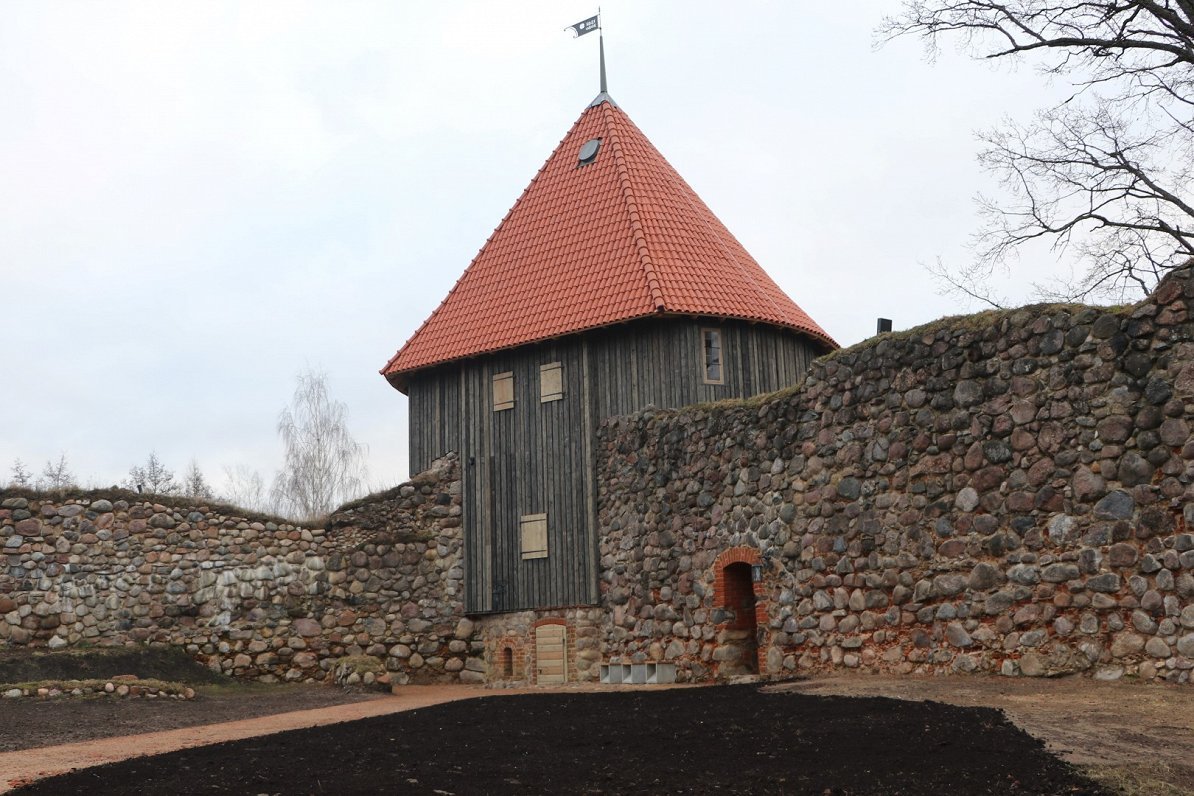
Alūksne new palace (Alūksnes Jaunā pils)
Builders constructed Alūksne New Palace in the mid 19th century on the lake shore, just a few minutes on foot from the old Alūksne castle ruins. This Neo Gothic palace looks like a fairytale at first glance. The red brick façade, pointed roofline, and tidy flowerbeds around it create a very cozy and distinctive atmosphere.
Today, the Alūksne Museum operates in the building. Here you can see exhibitions about local history and former manor owners. You can also explore the lifestyle of the 19th and 20th centuries. The interior is neat and renovated, with preserved details. So, not only the exhibits feel interesting, but also the way the place looks.
A landscaped park surrounds the palace, with paths, benches, and gazebos. Nearby you will also find other attractions, such as the Alūksne narrow gauge railway with a museum and excursions, a modern Nature Exhibition Centre, an impressive observation tower, and the “Slēpņi” educational space near Lake Alūksne. You can reach all these places on foot from the palace. Therefore, you can plan a full day family walk or a calm day trip.
↩︎ Back to list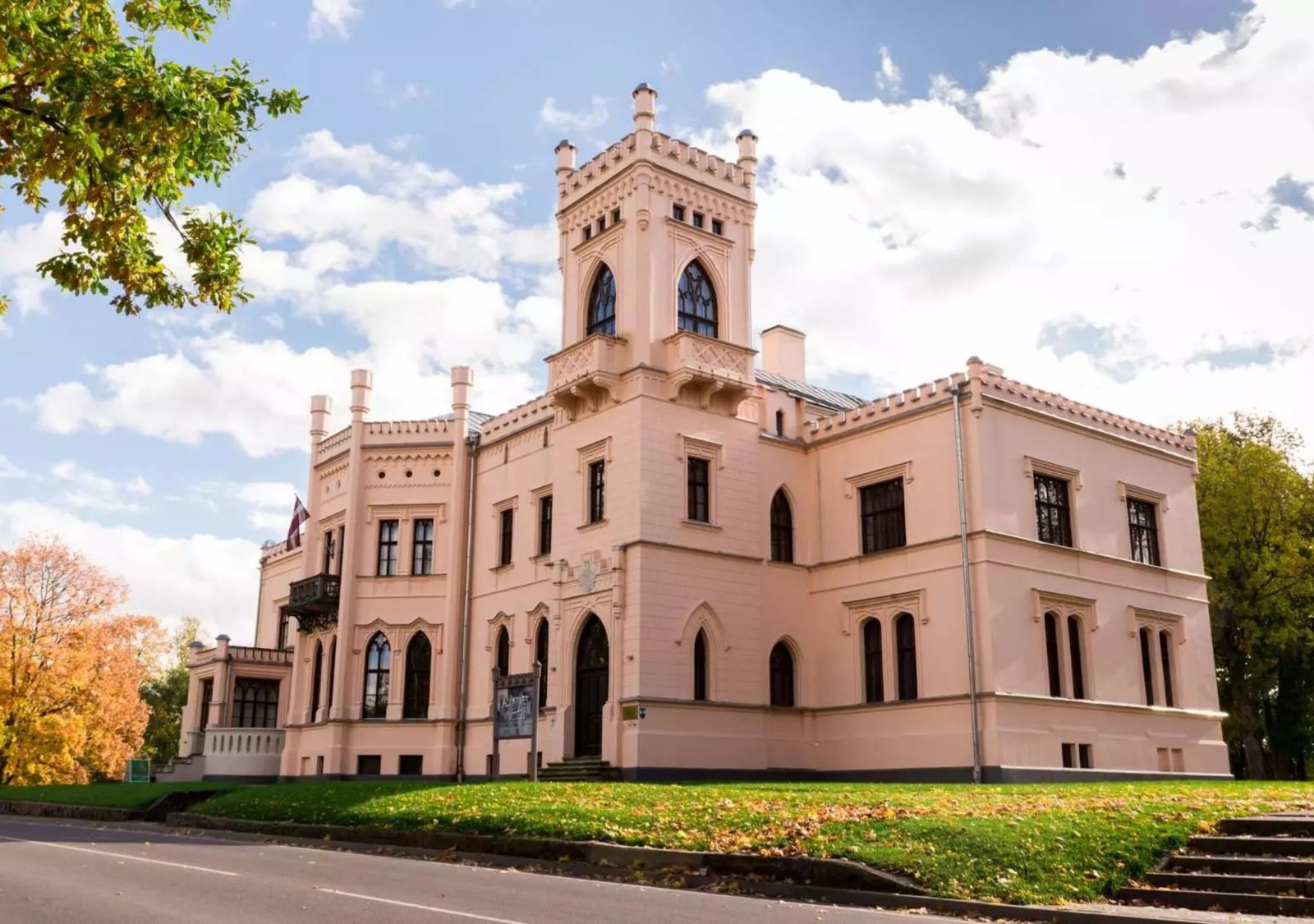
Koknese Castle ruins (Kokneses pils)
Koknese Castle ruins stand in a beautiful place, on a high bank where two rivers meet: the Daugava and the smaller Pērse. The Daugava is one of Latvia’s largest rivers, and the Pērse flows into it at Koknese. The castle was built in 1209. Earlier, a wooden fortress stood on the same site. Later, the Livonian Order, Sweden, Poland, and Russia ruled the castle. During wars, different forces captured it many times. In 1701, it was blown up so it would not fall into enemy hands. Since then, only ruins have remained.
The castle stood in a strategically important location, so it held significance for a long time. Later, when a hydroelectric power plant was built, the water level rose. Now, the remains stand right next to the Daugava. As you walk around, you can see old walls, foundations, and ancient stones.
Near the castle, there is a nice park with wooden sculptures, paths, and a view of the river. Additionally, nearby you will find “The Garden of Destiny,” a calm place dedicated to remembering people who suffered during occupations.
↩︎ Back to list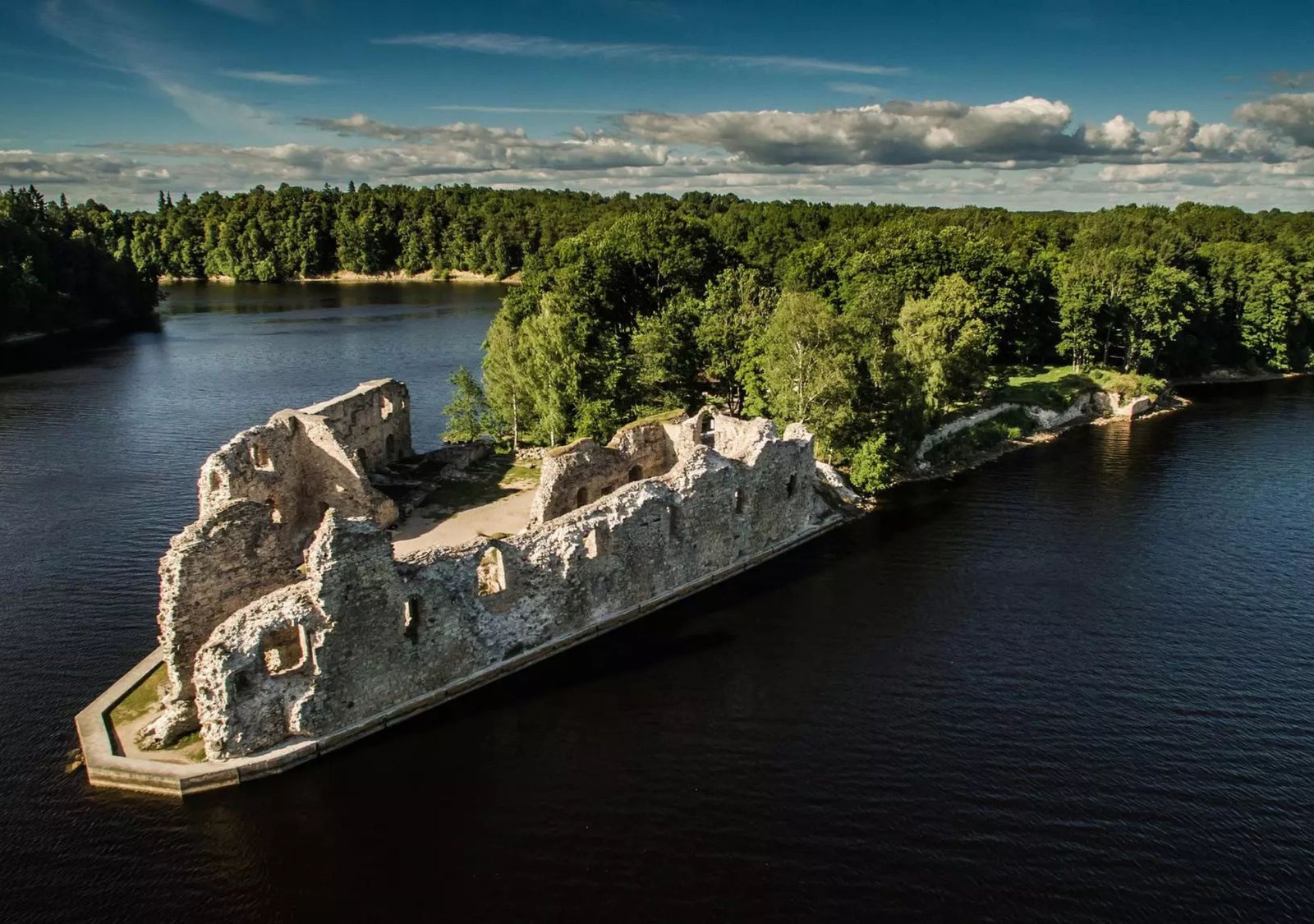
Ludza Castle ruins (Ludzas pils)
If your trip leads to eastern Latvia, it is worth stopping in Ludza, the oldest city in Latvia. On a hill between two lakes, medieval castle ruins rise up. The Livonian Order built Ludza Castle around 1399 on the same site where a wooden Latgalian fortress once stood. It served as an important border fortress, protecting the route from the Principality of Moscow.
The castle was quite large. It had three floors, six towers, and three gates. Builders used stone and brick, and part of the walls included glazed decorative bricks. Over the centuries, attacks happened more than once. In 1481, Russian troops devastated it. Later, it was rebuilt. However, after another attack in 1654, it finally became ruins.
Today, you can walk around the remaining fragments, climb the hill, and enjoy the view over the town and both lakes. The area is tidy. There are paths and benches, and in the evening the ruins are lit. Visiting is free. For more information, you can contact the local tourism information center.
↩︎ Back to list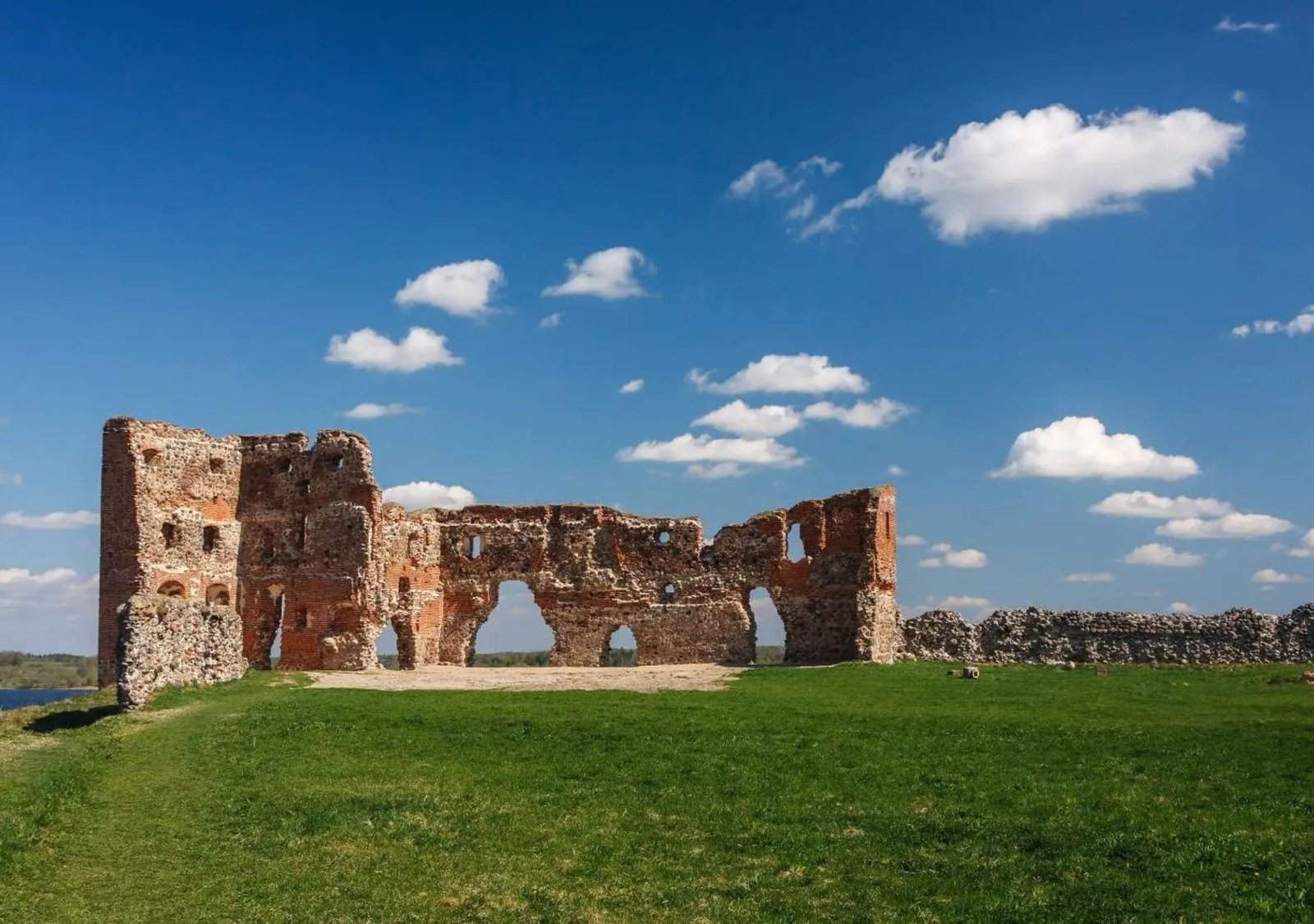
Dundaga Castle (Dundagas pils)
If your route goes through Courland, the western Latvian region near the sea, then it is worth stopping in Dundaga. One of Courland’s most important historical castles stands here. It is also one of the best preserved medieval fortresses in Latvia. Builders constructed Dundaga Castle at the end of the 13th century, around 1250.
Builders designed it as a fortress with thick walls and protection from the water side. Later, when it turned more into a manor, a third floor and a decorative tower were added. In the late 19th century, the castle even gained an elevator and central heating. Two fires happened, yet people rebuilt the castle. Today, it is still in use, because a school, a library, and a local community center operate here.
Visitors can enter exhibition rooms. There you can see old items, medals, and portraits. You can also hear one of the most famous legends: the Green Lady, who supposedly still walks the castle corridors. If you want to see the interior, you need to register at the Tourism Information Center, because visits happen with a guide. In summer, the castle works daily. In winter, it works by advance arrangement.
The castle stands in a lovely place. Nearby, you will find a park, ponds, and a historic hill called “Kalna dārzs”.
↩︎ Back to list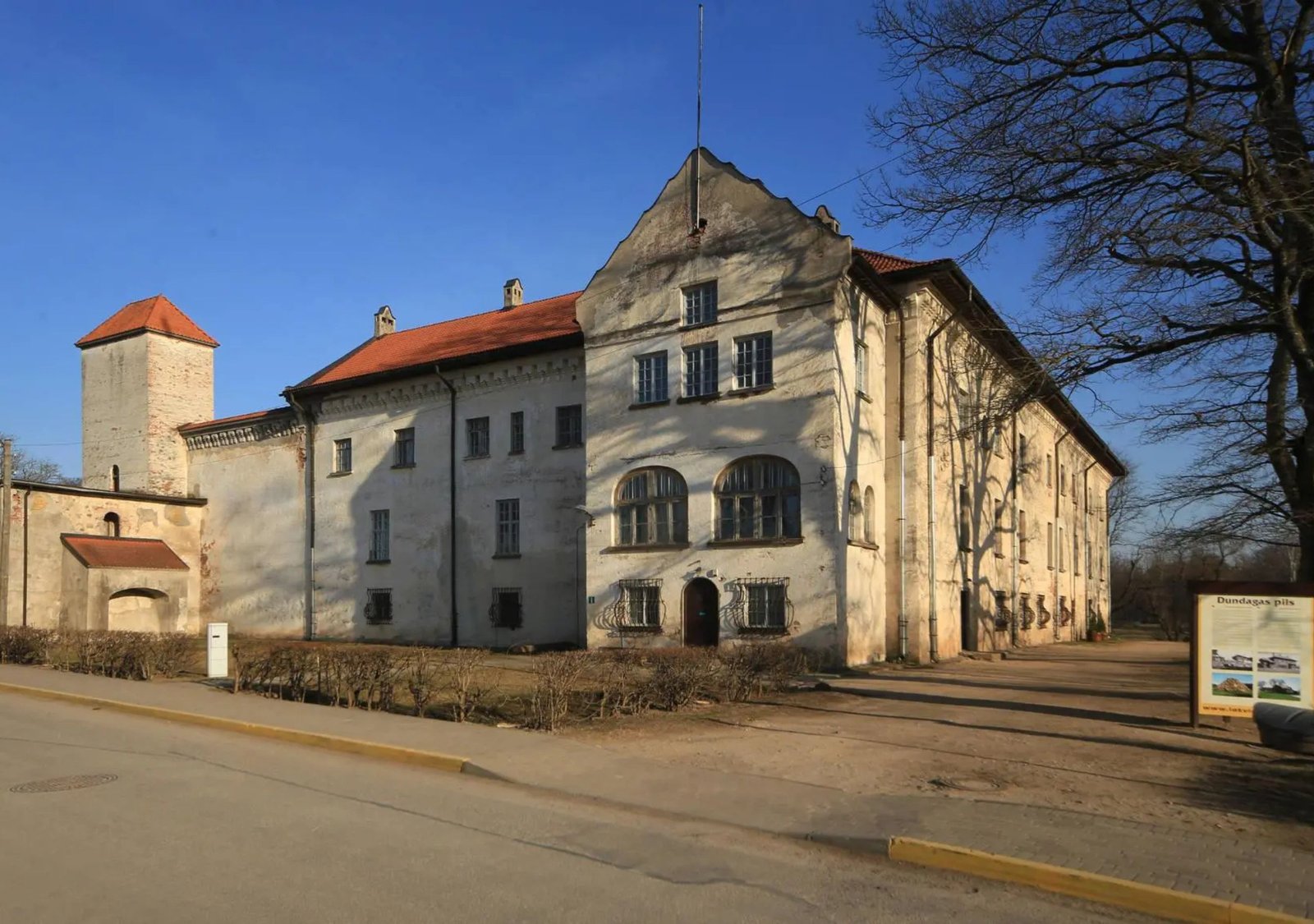
Alsunga Castle (Alsungas pils)
Alsunga is a small town in Courland, and in its center stands a Livonian Order castle built in the 14th century. It served as a defensive structure with thick walls, towers, and a closed courtyard. Builders constructed it around 1372, on the site of an old Curonian castle.
The castle has been partially renovated. Visitors can see the southern wing, climb the tower, and enjoy the calm surroundings. Inside, small exhibitions take place. Concerts and educational activities also happen here. One topic focuses on the local Suiti culture, which UNESCO protects.
Opening hours can be seasonal. Therefore, it is best to check in advance or arrange a visit with the Tourism Information Center.
↩︎ Back to list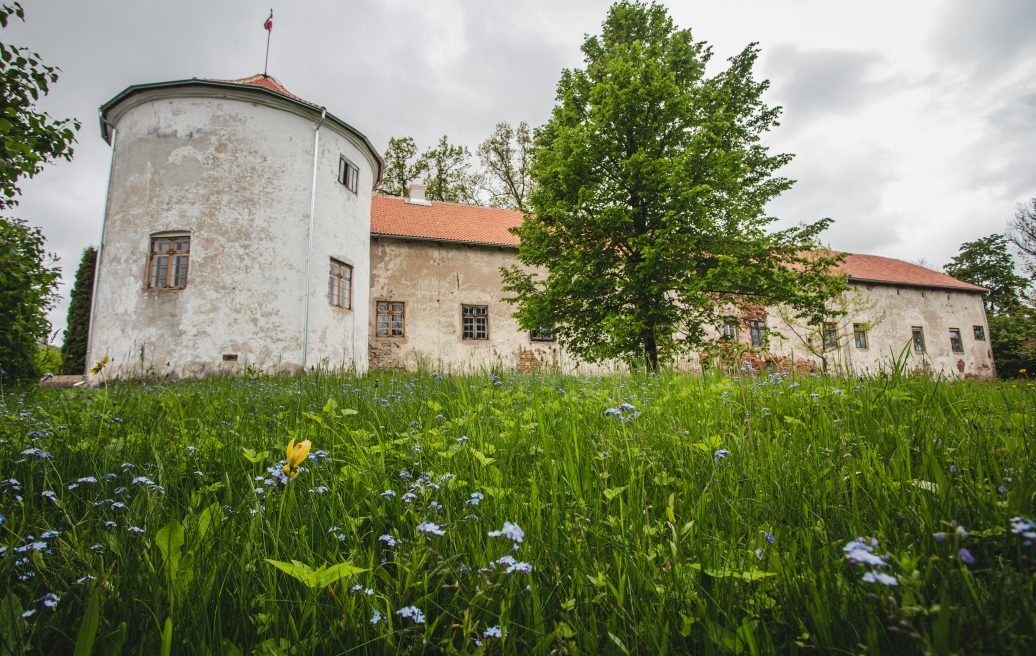
Cīrava Manor (Cīravas pils)
Cīrava Manor dates back to the early 19th century and stands on the site of a former hunting manor. Later, builders reshaped it into an expressive Neo Gothic building with towers, decorative façades, and a surrounding park.
The manor kept its U shaped structure, authentic exterior elements, and part of the interior decoration, for example, a marble fireplace and decorated ceilings. A school of agriculture and forestry operated here for a long time. Therefore, the building remained in use. However, it is not fully adapted for visitors today.
A landscape park surrounds the manor, with ponds, small bridges, and old trees. Nearby, the culture center “Cita Abra” operates in a former water mill. Events, concerts, and creative workshops take place there.
You can visit the manor interior only by advance arrangement. For information about possible visits, you should look to the Aizpute or Dienvidkurzeme tourism centers.
↩︎ Back to list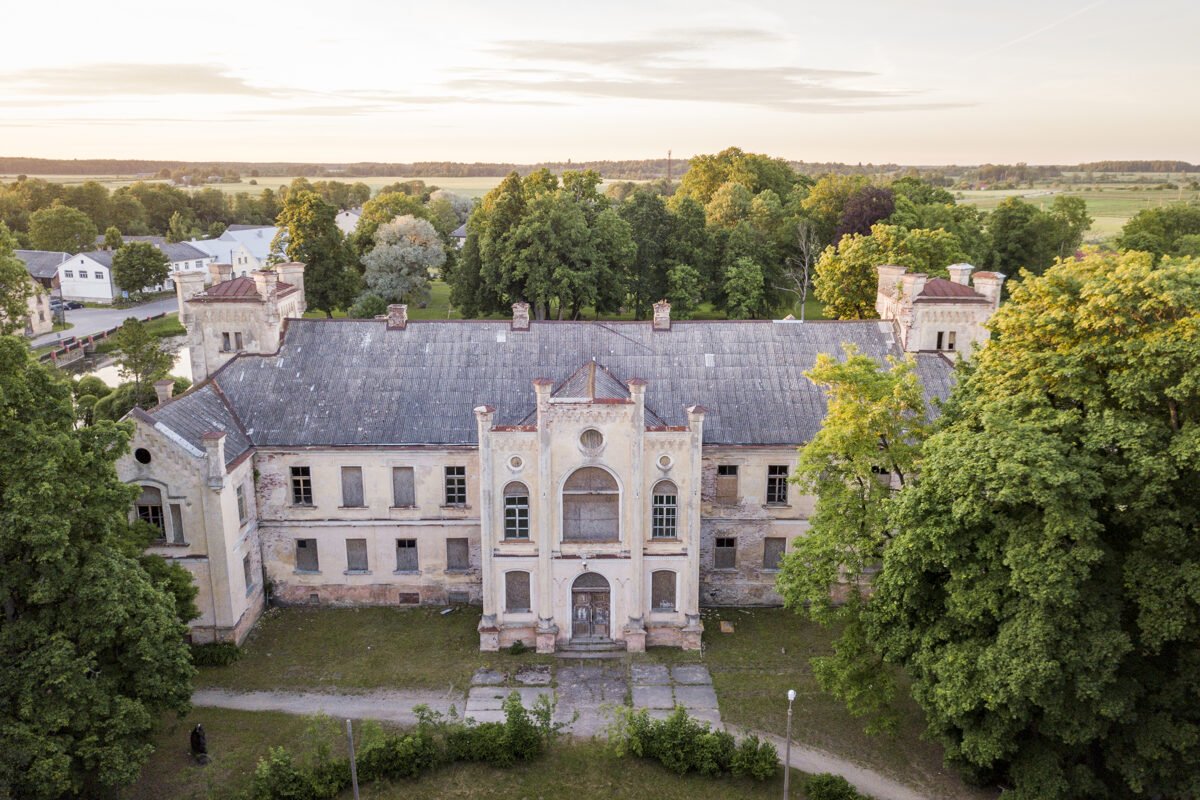
Aizpute Castle ruins (Aizputes pils)
In the center of Aizpute, you can find some of the oldest castle ruins in Courland. The Livonian Order built the castle in the mid 13th century. Later, it belonged to the Duchy of Courland for a long time. At first, it served as a defensive fortress with a courtyard, gates, and towers.
To this day, part of the walls, fragments of former gates, and a few early architectural elements remain. In some places, you can see restored parts, for example, an old sgraffito decoration near the entrance. Although the castle stands in ruins, the area is tidy and adapted for visitors. You can enter, walk around, and view it up close. The territory stays open all day. Visiting is free and self guided.
If you want to learn more about the castle history or the knights’ era, it is worth stopping at the Aizpute tourism information center. Nearby, the culture center “SERDE” also operates, and sometimes it organizes tours or educational activities connected to Aizpute’s history.
↩︎ Back to list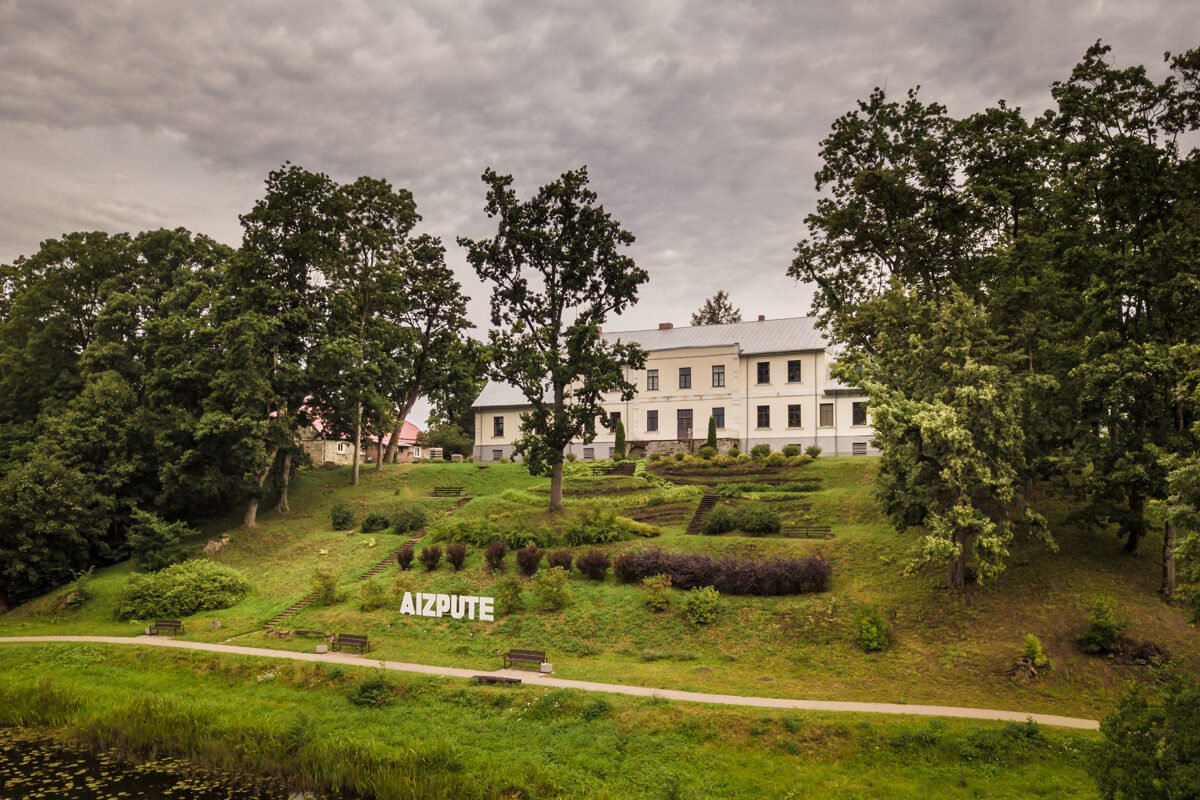
Šlokenbeka Manor (Šlokenbekas pils)
Šlokenbeka Manor stands in the village of Milzkalne, near Tukums. It is one of Latvia’s rarer castles, because it started as a Livonian Order defensive fortress and later turned into a manor building. It was built in the 15th century. In the 19th century, the courtyard gained a palace with Classicism elements.
Thick stone walls, gate towers, and the courtyard structure remain. The buildings changed over time. Still, you can recognize its defensive castle past. Today, several places operate in the inner courtyard: the Latvian Road Museum, a hotel, a café, a library, and a cultural center. Visitors can walk around the territory, visit the museum, eat, or even stay overnight.
In the Road Museum, you can see old road signs, measuring instruments, maps, and other exhibits linked to road history. The palace spaces host events. Meanwhile, the museum operates seasonally, so it is useful to check opening times before you go.
↩︎ Back to list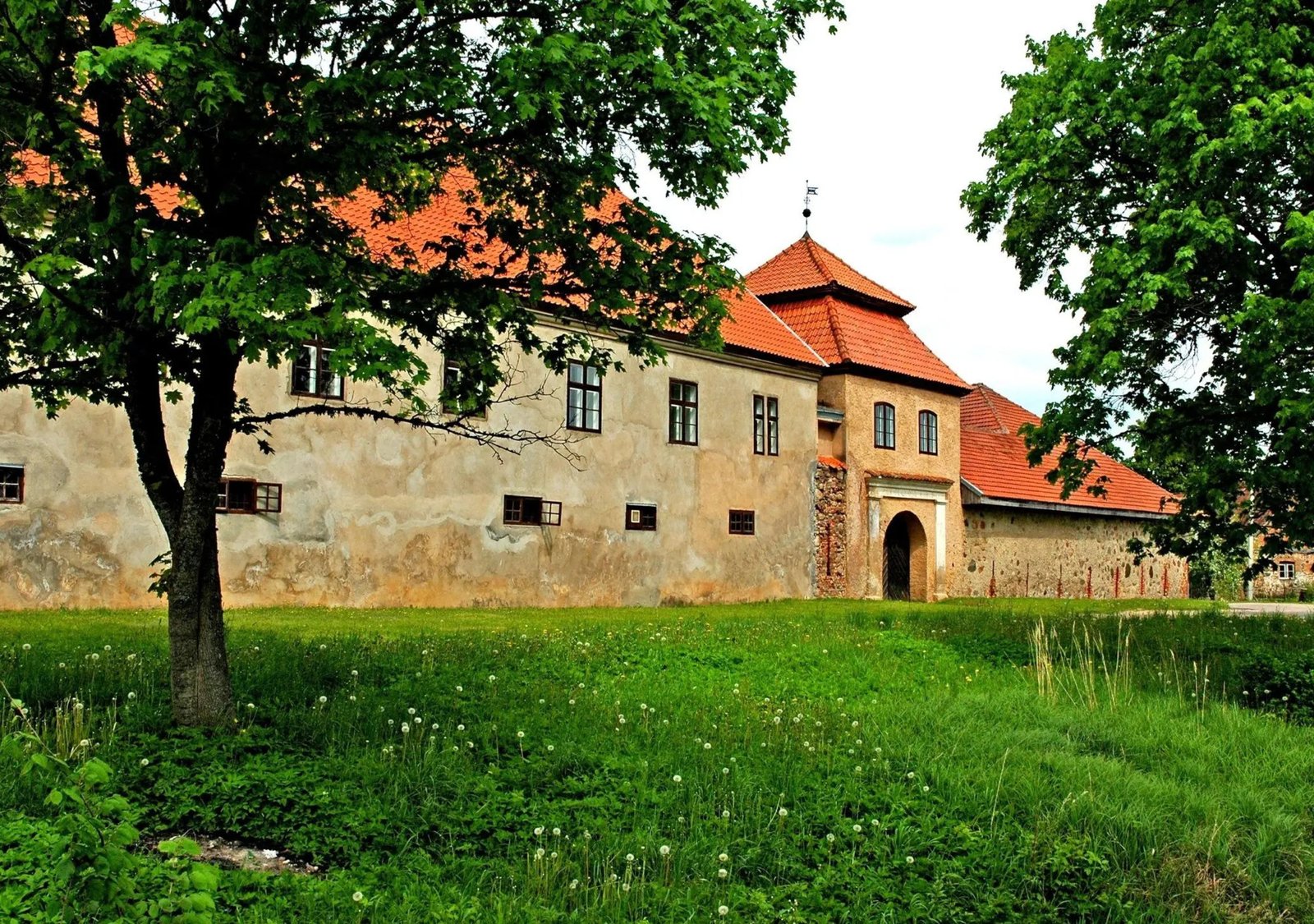
Skaistkalne manor house (Skaistkalnes muižas pils)
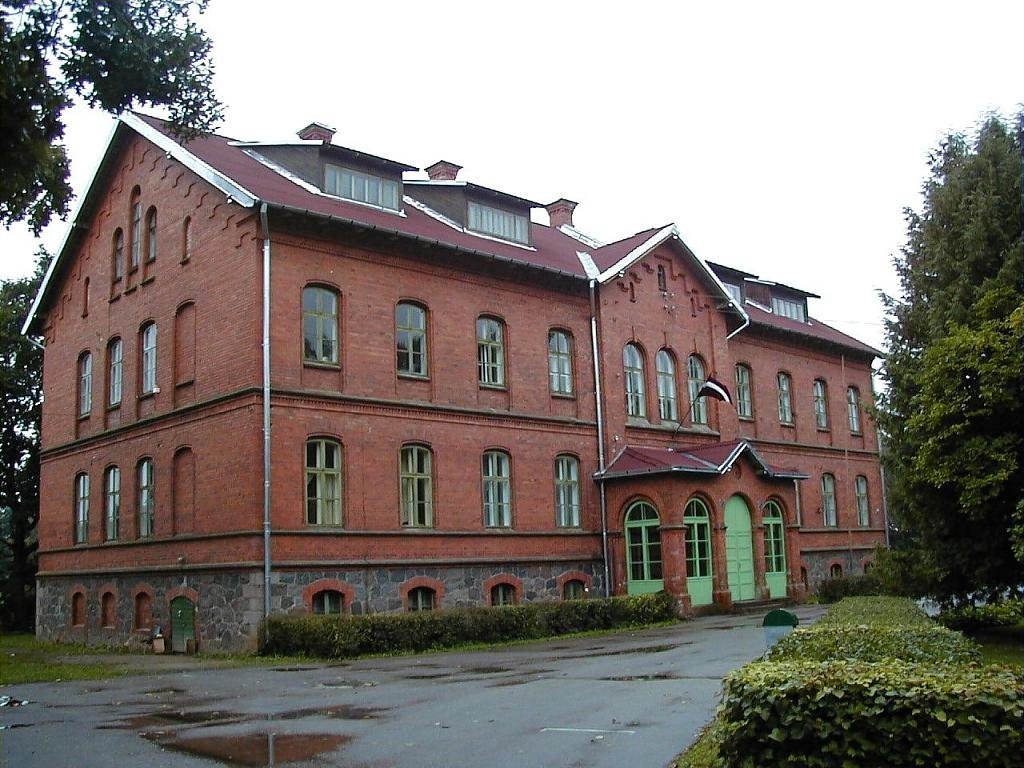
Just a few steps from the Lithuanian border, in Skaistkalne, red brick manor palaces stand. This Neo Gothic style building dates back to the end of the 19th century. It stands out with its ornate façade, mansard roof, and well preserved farm buildings, including a barn, an old mill, and a stone bridge over the Mēmele River.
The manor is not meant for standard tourism. A school has operated here since the interwar period. Still, the place is protected and active. Inside, you can still find authentic details, including a Neo Renaissance fireplace and part of old ceiling paintings. The territory is maintained, and you can view the building from the outside.
If you want to see more or enter inside, you need to contact the school or the local municipality in advance.
↩︎ Back to list